


For U.S. companies moving goods across the country and around the world, logistics is one of the biggest cost centers on the books. In 2024 alone, logistics expenses in the United States surpassed $2.6 trillion, representing roughly 8.8 % of GDP, as firms contended with higher inventory levels, transportation costs, and shifting supply chains.
Those dollars add up fast: transportation and inventory together often account for the majority of logistics spend nationwide. When these costs aren't properly tracked and managed, businesses lose visibility into where money actually goes, can misallocate resources, and leave profitability on the table.
This is where logistics accounting moves from bookkeeping to business strategy. It's not just about recording transactions. It's important to understand cost behavior, reveal inefficiencies, and guide decisions that actually reduce expenses and protect margins.
In this guide, we'll answer the practical questions U.S. businesses are searching for right now, including how to cut waste without compromising service. By the end, you'll have 10 concrete, proven logistics accounting practices that you can start applying this year.
Logistics accounting is a specialized branch of financial management that focuses on tracking, analyzing, and reporting costs associated with logistics operations. It goes beyond general bookkeeping by adding a granular lens to supply chains, giving detailed insight into where money is being spent and how it influences profitability.
In practical terms, logistics accounting encompasses all aspects of the movement and storage of goods, including freight charges, fuel costs, labor, carrier payments, and inventory valuations. These costs are then categorized and analyzed to support budgeting, forecasting, and performance insights across the entire logistics cycle.
U.S. logistics is enormous. The market size is estimated to reach nearly $2 trillion by 2025, driven by e‑commerce expansion, rapid delivery demands, and technological adoption.
But growth brings complexity. Logistics costs are dominated by a few key drivers that can quickly erode margins if not accounted for accurately:
Without logistics‑specific accounting processes, U.S. businesses often lack visibility into expense drivers, leading to inaccurate cost allocation, pricing errors, and decisions based on incomplete data.
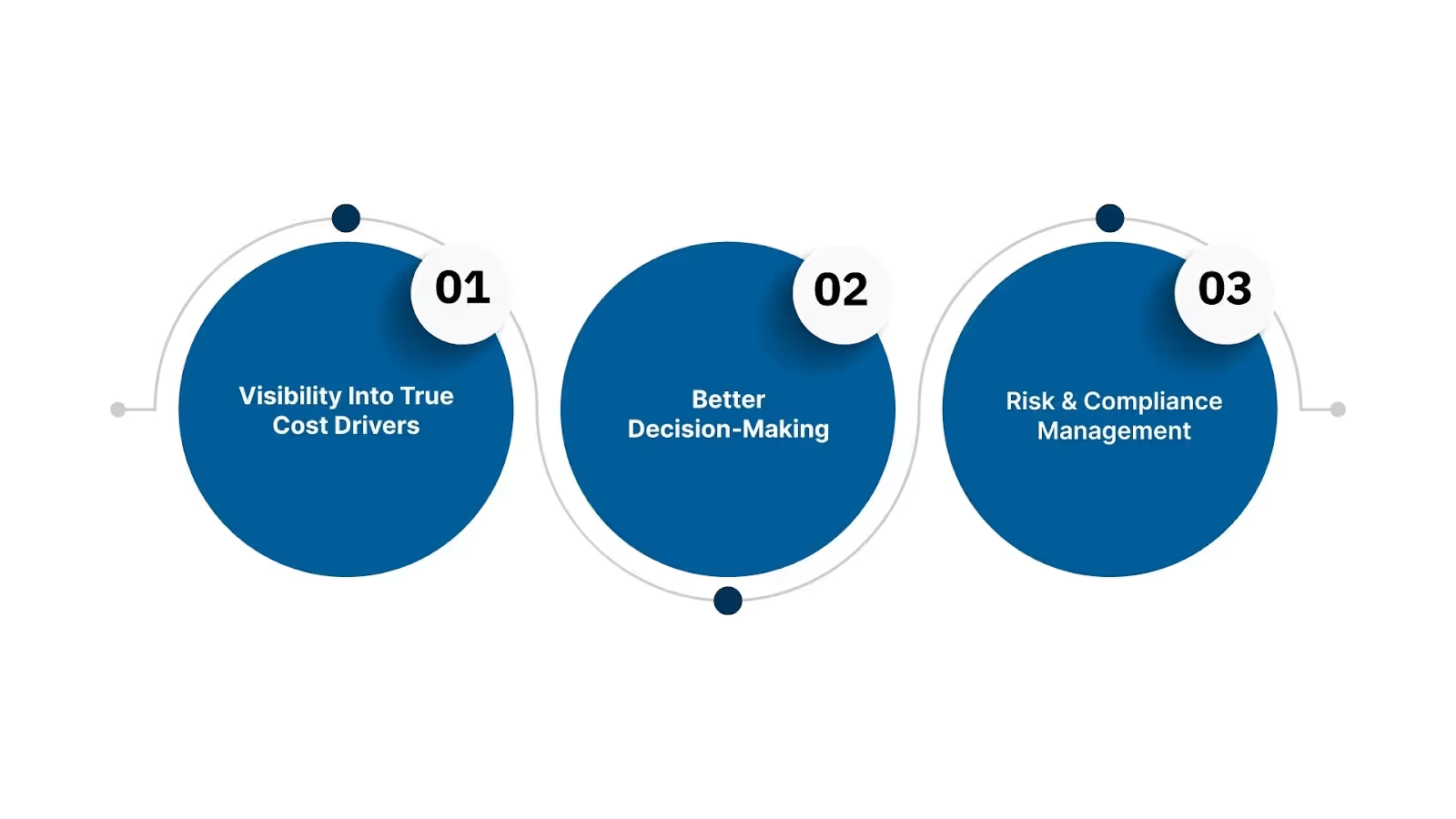
Practical logistics accounting gives companies more than just numbers on a ledger. It provides actionable insights that influence operational and strategic decisions:
Also Read: Key Differences Between Bookkeeping and Accounting Explained
Standard accounting keeps the books and ensures compliance, but logistics accounting provides contextual clarity for supply chain costs. It answers questions like:
このようなターゲットを絞ったアプローチにより、財務部門とオペレーション部門が同一のデータセットに基づいて業務を行えるようになり、財務計画と現場の物流動態を整合させることが可能になります。
おすすめの記事:中小企業のための会計管理方法
顧客からより迅速な配送とより厳格な価格設定が求められるなど、市場の期待が進化する中で、成功を収める企業とは、物流コストを正確かつ先見性を持って管理できる企業です。
そこで、皆様が常に一歩先を行くために、物流業務における財務の透明性を高めるための10の実証済みの会計プラクティスをご紹介します。
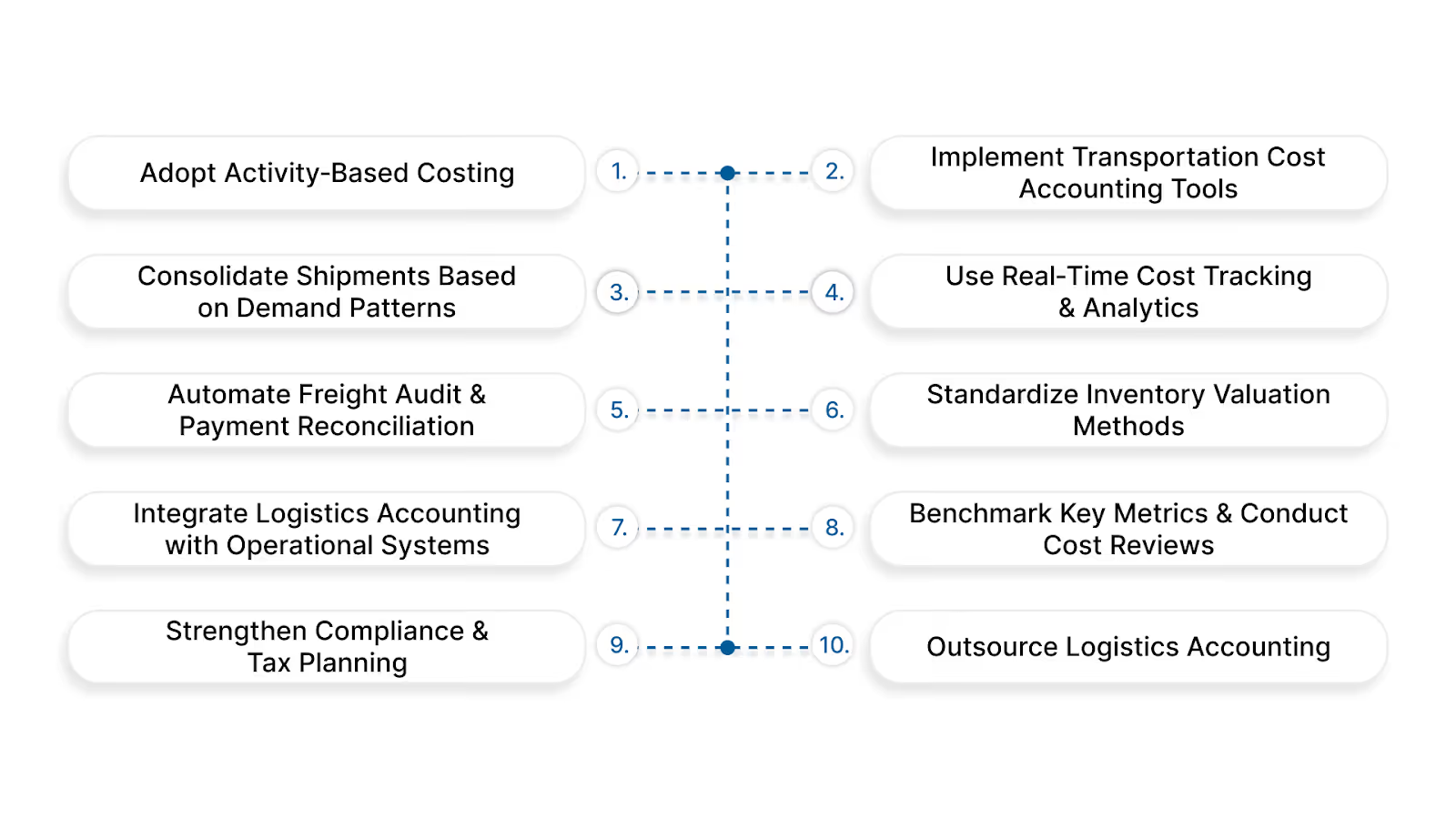
今日、米国の企業が競争力を維持するためには、単なる基本的な財務管理以上のものが必要です。コストを追跡するだけでなく、無駄を特定し効率化を推進する機会を積極的に見出す戦略的な会計プラクティスが求められています。
2026年に向けて、これらの会計プラクティスは、よりスマートな輸送管理から倉庫や在庫に潜む隠れたコストの削減に至るまで、大幅なコスト削減を実現するための鍵となります。
従来の多くの会計システムでは、間接費が包括的に配分されるため、物流コストが実際にどこで発生しているのかが見えにくくなっています。活動基準原価計算(ABC)は、出荷単位、倉庫取引単位、ルートセグメント単位など、特定の活動ごとにコストを細分化します。
なぜこれが重要なのでしょうか?
物流費の大部分を輸送費が占めることは珍しくありません。優れた輸送コスト会計とは、単に請求書を追跡することではなく、輸送コストを収集・分析し、出荷、顧客、輸送モードごとに配分する体系的なプロセスです。
最新のERP、輸送管理システム(TMS)、およびコストレポートモジュールを活用することで、企業は以下のことが可能になります。
正確な輸送コストの配分は、価格決定を改善し、より賢明な運送業者との交渉をサポートします。
出荷が断片化されると、ハンドリング、事務処理、運賃が増加します。小口貨物をまとめてトラック満載にする統合を行うことで、サービスレベルを低下させることなく、輸送コストを大幅に削減できることがよくあります。
仮定の状況を例に挙げます。
静的な月次レポートは「何が」起きたかを示すだけで、「なぜ」起きたかまでは教えてくれません。TMS(輸配送管理システム)、WMS(倉庫管理システム)、在庫管理プラットフォームのデータと連携したリアルタイムの会計ダッシュボードを活用すれば、財務部門と物流部門はコストの異常を発生と同時に把握できます。
例:
リアルタイムの可視化はフィードバックループを短縮し、数週間後の事後的な会計レビューではなく、迅速な是正措置を可能にします。
運送請求書の手動照合は時間がかかるうえにミスが発生しやすく、体系的な監査を行わなければ高いエラー率を招く恐れがあります。自動化された運送費監査ツールは、運送会社の請求書と出荷記録や契約内容を照合し、過剰請求があればレビュー対象としてフラグを立てます。
この手法により、以下のメリットが得られます:
自動化は、長期的には業務負荷と物流コストの漏洩の両方を削減します。
在庫会計は単なる倉庫業務ではありません。貸借対照表や運転資本に直接影響を与えるものです。適切な評価方法(先入先出法や総平均法など)を選択し、一貫して適用することで、在庫の財務コストをビジネス戦略や税務戦略と整合させることができます。
小売、卸売、Eコマースといった販売チャネル間で在庫評価を統一している米国の物流企業では、照合の不一致が減り、より正確な運転資本予測が可能になります。
会計システムと物流システムの分断はコスト増を招きます。財務チームが運送、倉庫、在庫のデータを会計ソフトに手動で入力しなければならない場合、エラーが増え、インサイトの反映も遅れてしまいます。
システムを統合することで、以下が可能になります:
その結果、決算サイクルの短縮と、部門横断的な意思決定の質向上が実現します。
物流会計において有用な指標には、以下のようなものがあります:
これらの指標を社内の過去データや、利用可能な場合は業界平均と比較することで、異常値を特定し、コスト削減戦略を改善することができます。
ヒント:経営陣とこれらのKPIを四半期ごとに見直す機会を設けましょう。これにより、物流コストのパフォーマンスが常に経営上の議題として扱われるようになります。
物流会計は単なる数値の追跡ではありません。税務や規制遵守とも密接に関わっています。コストの配分を誤ったり、関税、付加税、あるいは国境を越える取引に伴う税務上の影響を把握し損ねたりすると、罰金や延滞税、予期せぬ負債につながる恐れがあります。
ここでは、以下のベストプラクティスが推奨されます。
正確な税務処理を行うことは、期末の予期せぬ事態を減らし、実質的な物流コストの削減に直結します。
中小規模の企業を含む米国の多くのビジネスにおいて、物流会計のアウトソーシングは大幅なコスト削減を実現します。社内でチームを維持する場合と比較して、運用コストを15%から30%削減できるケースも珍しくありません。
アウトソーシングにより、企業は以下のメリットを享受できます。
これは、海外展開を検討している企業や、社内にリソースを構築することなく高度な運賃監査やコスト分析を導入したい企業にとって特に有効です。
上記の各プラクティスは、単に帳簿を整理する以上の効果をもたらします。こうした財務の透明性は、最終的な物流経費に直接的な影響を与えます。
これらのベストプラクティスを実践する準備はできましたか? VJM Globalは、物流会計における優れたアウトソーシングサービスを提供しています。お客様が成長に集中できるよう、私たちが効率的かつコンプライアンスに準拠した財務プロセスを構築します。
無料相談をご希望の方は今すぐお問い合わせください。物流コストの最適化に向けたサポートをご提案します。
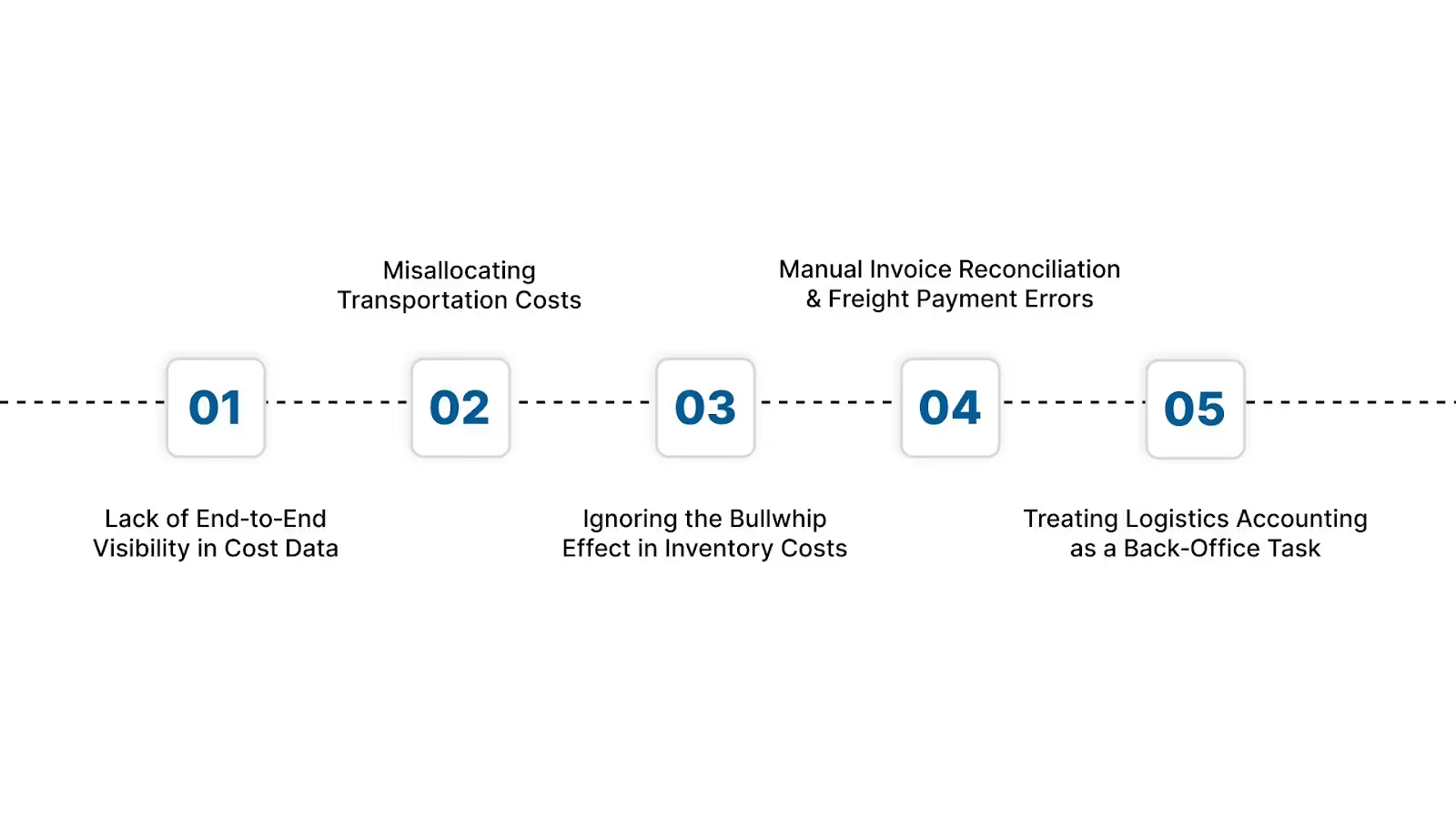
物流会計において、小さなミスはしばしば雪だるま式に大きな財務的・運用上の問題へと発展します。こうしたミスは帳簿を歪めるだけでなく、収益性を低下させ、サプライチェーンを混乱させ、コンプライアンスを複雑にする原因となります。
米国の物流リーダーが現在直面している、最も影響の大きい落とし穴を以下に挙げます。
Fragmented systems and disjointed data sources can hide where logistics costs truly lie. Without end‑to‑end visibility, finance teams miss crucial cost drivers that could be easily optimized, like hidden freight surcharges or warehouse inefficiencies. This lack of insight often leads to inaccurate budgeting, poor forecasting, and misplaced resources.
Freight costs often involve fuel surcharges, accessorial charges, and route premiums that get lost in the shuffle. Misallocating or lumping these costs together can lead to underreporting or overreporting on key logistics expenses, distorting proper cost margins.
A small spike in demand can ripple upstream, creating inventory fluctuations that tie up working capital, raise storage costs, and even require rush shipments. Known as the bullwhip effect, this phenomenon increases both inventory holding costs and logistics overheads, leading to higher overall expenses.
Freight invoices are notorious for containing errors, from incorrect weight billing to missed discounts or duplicate charges. Manual invoicing increases the risk of overlooking such discrepancies, which can lead to overpayment and lost savings opportunities.
When logistics accounting is treated as a transactional task rather than a strategic one, valuable insights are often missed. This siloed approach leads to delays in addressing cost anomalies and leaves logistics teams disconnected from financial goals.
Avoiding these five mistakes will not only improve cost visibility but also allow businesses to make more data-driven decisions, ultimately protecting margins and increasing profitability in 2026.
Also Read: What Are the Key Considerations in Accounting for Startup Costs
As logistics operations grow more complex in 2026, effective accounting practices are essential for staying competitive. Optimizing your logistics accounting processes can be the key to efficient savings, improving decision-making, and driving operational efficiency.
At VJM Global, we specialize in helping U.S. businesses understand the complexities of logistics accounting, providing tailored services to ease financial management and ensure compliance.
Here's how we can support you:
Partner with VJM Global today to improve your logistics accounting processes, enhance cost visibility, and ensure compliance, so you can confidently mitigate the challenges of 2026 and beyond.
Contact us now to learn how we can help structure and simplify your operations and save costs across the board!
Logistics accounting tracks all financial transactions tied to the movement and storage of goods. It includes transportation charges, warehousing costs, inventory handling, packaging fees, and related operational expenses. It helps businesses understand where logistics dollars are going and which cost areas need attention.
To catch cost inefficiencies early, logistics accounting metrics should be reviewed at least monthly, and key performance indicators should be analyzed quarterly to identify trends and inform forecasting. Real‑time dashboards can further improve visibility between formal reviews.
Yes. Outsourcing to specialists can reduce overhead (like salaries, training, and tools) while providing expertise in detailed cost tracking and compliance. You can save more efficiently than fully in‑house teams, especially when handling complex freight finance and cross‑border compliance.
Freight auditing verifies carrier bills against shipment records to catch errors such as incorrect weights, duplicate charges, or missed discounts. Since freight invoices often contain cost discrepancies without systematic review, freight audit automation directly reduces overpayments and improves cost accuracy.
General accounting focuses on overall financial reporting and compliance, while logistics accounting specifically tracks and analyzes costs tied to the supply chain, such as transportation, storage, and inventory movements. This targeted focus gives businesses precise insight into logistics cost drivers.

.avif)


