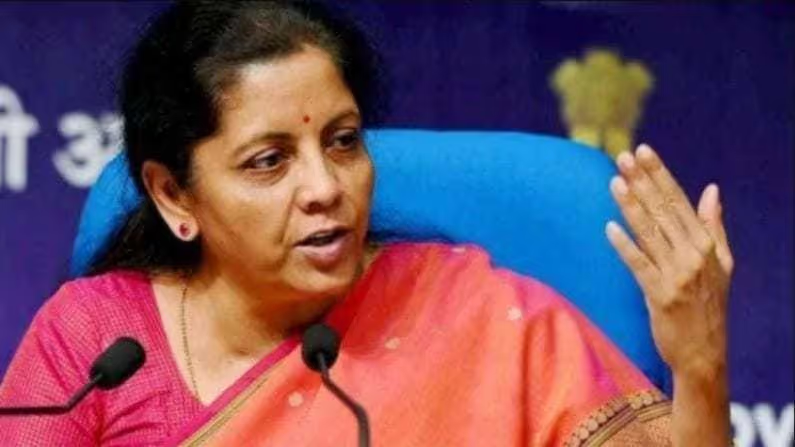
2019年8月23日に開催された記者会見における財務大臣の発表
インド議会は2019年7月、2019年財政法(第2号)を可決しました。連邦議会下院の総選挙で圧倒的多数を獲得した後に政府が提示した最初の予算案であったため、経済の安定化や構造的なマクロ経済改革の推進に重点が置かれました。これにはとりわけ、2016年11月に実施された高額紙幣廃止措置および2017年7月の物品・サービス税(GST)導入による成果を享受することが含まれていました。また、本予算案では税制の適正化、課税ベースの拡大、そして総合的な持続可能性の追求にも焦点が当てられました。
2019年の幕開け以来、世界経済は貿易摩擦、経済制裁、利上げ、政治的不透明感、自然災害などにより深刻な打撃を受けてきました。
世界的な要因に加え、国内消費の減少や投資の低迷が重なり、産業界全体に動揺が広がっています。企業の収益成長率は鈍化し、株式市場は急落しました。この動揺は自動車セクターから始まり、その後、日用消費財(FMCG)、銀行、金融機関、エンジニアリング、金属、その他の基幹産業へと波及しました。
奇しくも、2019年4月から6月までのインドの国内総生産(GDP)成長率は、前期比5.8%、前年同期比8%から低下し、6年ぶりの低水準となる5%まで落ち込みました。
国内外の投資家から寄せられた懸念に対処し、経済成長を牽引するという政府の決意を産業界全体に示すため、ニルマラ・シタラマン財務大臣は2019年8月23日、1時間にわたるプレゼンテーションを行いました。これは実質的な「ミニ予算」とも呼べる内容でした。
財務大臣は企業向けのプレゼンテーション形式で、政府がこれまで発表した措置および今後講じる予定の対策を列挙しました。発表内容は株式市場から自動車セクター、零細・中小企業(MSME)に至るまで多岐にわたり、全体として世界的な景気減速の影響を克服するための経済支援に重点が置かれています。
財務大臣は、政府は富の創造者を尊重しており、納税者の利便性を高めるために様々な改革や法律の簡素化を進めていくと改めて強調しました。これらは予算案ですでに発表されている通り、近日中に詳細が公表される予定です。
さらに政府は、構造改革、セクター間の連携、プロセスの簡素化、信用拡大と国内需要喚起のための措置、資本市場への投資拡大などについても発表しました。
各項目に関する主な発表内容は以下の通りです。
所得税の事前入力済み申告書は、2020年から実現する見込みです。中央直接税委員会(CBDT)が必要なインフラの構築を進めています。この仕組みは、納税者の申告およびコンプライアンス手続きの利便性向上を目的としています。
| S. No. | Feature | Description |
|---|---|---|
| 1 | Faceless Income Tax scrutiny | Most income tax scrutiny proceedings to be faceless, expanding the scope of ‘e-proceedings’ to cover various other processes under the Income Tax laws. |
| 2 | Unique Document Identification Number | All communications by income tax authorities from 1 October 2019 must have a computer-generated DIN. Communications without it are invalid. |
| 3 | Time limit for disposal of notices | All pending notices before 1 Oct 2019 must be reissued with DIN. All notices from 1 Oct 2019 must be resolved within 3 months of taxpayer's response. |
| 4 | Relief from enhanced surcharge on Capital Gains | Exemption from enhanced surcharge on LTCG and STCG (Section 111A & 112A) for equity shares and equity-oriented mutual funds to boost market confidence. |
| 5 | Withdrawal of Angel Tax for Startups | Section 56(2)(x) not applicable to DPIIT-registered Startups. Dedicated CBDT cell to resolve Startup tax issues quickly. |
| 6 | Higher depreciation for vehicles till March 2020 | Additional 15% depreciation (total 30%) on vehicles acquired during FY 2019-20 to support the automobile industry. |
| # | Initiative | Description |
|---|---|---|
| 1 | Quick incorporation of Companies | Incorporation can now be done within one day with a Central Registration Centre and an integrated form offering auto-registration under multiple laws. |
| 2 | CSR Violations | Violations are now treated as civil liabilities instead of criminal offences. Companies also get more time to complete ongoing CSR projects. |
| 3 | Shifting 16 offences to penalties | Several offences have been converted to monetary penalties and made compoundable to reduce harsh treatment and avoid prosecutions. |
| 4 | Easier Mergers & Acquisitions | Approval processes for M&A transactions have been rationalised and simplified, making them faster and more efficient. |
| 5 | Differential Voting Rights (DVR) | Promoters can retain control while raising funds via DVRs—helpful for long-term growth and attracting global investors. |
| 6 | Withdrawal of prosecutions | Over 14,000 prosecutions under the Companies Act have been withdrawn to promote ease of doing business and shift away from criminal proceedings. |
| 7 | IBC amendments for MSMEs & homebuyers | IBC framework is strengthened to support MSMEs and protect home buyers, ensuring clarity and consistent interpretation by courts. |
| # | Initiative | Description |
|---|---|---|
| 1 | Fixed term employment for flexibility in hiring | Permits businesses to hire on fixed-term contracts, offering more transparent and flexible alternatives to contract-based hiring. |
| 2 | Reduced ESIC contribution to 4% | Statutory ESIC contribution by employers and employees has been reduced from 6.5% to 4%, increasing employees’ take-home pay. |
| 3 | Web-based Inspections | Inspections are now web-based and jurisdiction-free to reduce harassment. Physical inspections must be followed by a report within 48 hours. |
| 4 | Compounding of offences | Offences under labour laws can now be compounded, similar to other laws, making compliance easier and litigation less frequent. |
| 5 | Startup-friendly labour law self-certification | Startups can self-certify compliance with labour laws and will not face inspections for the first 3 years unless complaints arise. |
| # | Initiative | Description |
|---|---|---|
| 1 | Reduction in GST returns and simplification of forms | The GST Council has revised return formats under GST, launched on a trial basis. The return filing system is simplified and applicable from November 2019. |
| 2 | Simplification of refund process under GST | Procedural issues in processing GST refunds have been simplified, with most processes automated and approval timelines streamlined. |
| 3 | Risk-based approach in dealing with taxpayers | The CBIC is implementing a risk-based policy approach for assessments and inquiries under GST law. This method aims to enhance efficiency in the collection and administration of GST. |
| 4 | GST Refunds to MSMEs | All pending GST refund claims for MSMEs will be processed within 30 days. Future refunds will be processed within 60 days from the application date. |
| # | Initiative | Description |
|---|---|---|
| 1 | Additional Credit expansion through Public Sector Banks (‘PSBs’) | The Government will release INR 70,000 crores as announced during Budget 2019 to boost credit. This will benefit corporates, MSMEs, small traders, etc. |
| 2 | Banks to effect timely rate cuts | Banks will pass on rate cuts by reducing the Marginal Cost of Funds based Lending Rate (MCLR) to borrowers, benefiting loan recipients. |
| 3 | Banks to launch Repo rate/ external benchmark linked loan products | Banks will introduce loan products linked to Repo rates or external benchmarks, translating into lower EMIs for housing, vehicle loans, and working capital. |
| 4 | Customer Ease – Return of documents provided as security | PSBs will ensure return of loan documents within 15 days of loan closure, reducing hassle for borrowers who have mortgaged assets. |
| 5 | Support to NBFCs/ HFCs | The Government will provide additional liquidity support of INR 20,000 crores by NHB to HFCs, supporting house, vehicle, and consumption goods purchases. |
| 6 | Transparent One Time Settlement (OTS) Policy | Banks will issue an improved and transparent OTS policy for settling overdue loans with MSME and retail borrowers, fostering greater transparency. |
| 7 | Protecting honest decision making by bankers in commercial decisions | The Central Vigilance Commission has issued guidelines to protect bankers' decisions in commercial matters, with the IAC's decision being final. |
| 8 | Use of Bank KYCs by NBFCs | NBFCs can use Aadhaar authenticated bank KYC for customer onboarding, streamlining the process and ensuring faster customer access. |
| 9 | Co-origination of loans by PSBs jointly with NBFCs | PSBs will collaborate with NBFCs to provide loans to various segments such as MSMEs, Small traders, and Self Help Groups, boosting last-mile connectivity. |
| # | Initiative | Description |
|---|---|---|
| 1 | MSME Bill discounting through GSTN | The Trade Receivable Discounting System (‘TreDS’) is an online bill discounting platform helping MSMEs raise funds by selling trade receivables to buyers. The GSTN system will be used in the medium term to facilitate bill discounting for MSMEs. |
| 2 | Definition of MSME | The Government is considering amendments to the MSME Act to adopt a single definition for MSMEs. |
| 3 | Recommendations of the UK Sinha Committee | The UK Sinha Committee has provided recommendations on credit, marketing, technology, and delayed payments for MSMEs. The Government plans to review these recommendations and implement necessary actions within 30 days. |
| # | Initiative | Description |
|---|---|---|
| 1 | Deepening of bond markets in India | The Government plans to establish an organization to provide Credit Enhancement for infrastructure and housing projects, improving debt flow. Efforts are underway to develop Credit Default Swap markets and enhance bond market conditions. Additionally, the requirement for a Debenture Redemption Reserve (DRR) has been removed for listed companies, NBFCs, and HFCs. |
| 2 | Access of Indian Companies to the Global Markets | The Depository Receipt Scheme, expected to be operational soon, will give Indian companies greater access to foreign funds through ADRs and GDRs. |
| 3 | Use of Aadhaar-based KYCs for domestic retail investors | Aadhaar-based KYC is now permitted for opening Demat accounts and investing in mutual funds, streamlining market access for domestic retail investors. |
| 4 | Simplified KYC for foreign investors and FPIs | The KYC procedure for foreign investors, including FPIs, will be simplified to improve market access and investment inflows. |
| 5 | Offshore Rupee market | The Ministry of Finance is collaborating with the RBI to facilitate increased participation in the offshore Rupee market and introduce trading of USD-INR derivatives in the GIFT IFSC. |
| # | Initiative | Description |
|---|---|---|
| 1 | Delayed Payments | All delayed payments from Government/ CPSEs will be monitored by the Department of Expenditure and reviewed by the Cabinet Secretariat to provide cash flows into the system, facilitating infrastructure investments. |
| 2 | Payment of Arbitration Awards | The Government has decided to make payments aggregating to 75% of arbitral awards in case of contractual disputes by Government/ CPSEs while pursuing legal remedies. These payments will be implemented and monitored by the Cabinet Secretariat. |
| 3 | Investments for Developing Modern Infrastructure Over 5 Years | An Inter-Ministerial Task force has been constituted to finalize the pipeline of infrastructure projects and make investments of INR 100 lakh crores over the next 5 years to boost growth and create jobs. These projects will be actively monitored. |
| # | Initiative | Description |
|---|---|---|
| 1 | Relaxation of ECB Guidelines for Affordable Housing | ECB guidelines would be relaxed to facilitate financing of eligible home buyers under the PMAY, in consultation with RBI. These benefits are in addition to the existing ECB norms for the affordable housing segment. |
| 2 | House Building Advance | The interest rate on House Building Advance shall be lowered and linked with the 10 Year Government Securities (G-Sec) Yields. Government servants contribute to a major component of demand for houses, encouraging more government servants to buy new houses. |
| 3 | Special Window for Affordable and Middle-Income Housing | A Special Window will be provided for last mile funding of housing projects in the affordable and middle-income categories. The Fund, with an expected size of INR 10,000 crores, will focus on unfinished units and will receive contributions from both the Government and private investors like LIC, banks, sovereign funds, etc. |
知っておくべきポイントをまとめました:輸出促進に向けた施策|パート2|財務省発表