

According to the U.S. Bureau of Economic Analysis (BEA), non-financial corporate business liabilities in the United States did reach nearly $25 trillion in 2023. Specifically, the BEA's report on U.S. international transactions for the fourth quarter and year of 2023 indicates that these liabilities increased by $1.86 trillion during that year.
Understanding financial liabilities is crucial for U.S. businesses to manage their finances effectively.
This blog clearly breaks down how AP and NP differ in structure, cost, documentation, and business use. Whether you’re managing daily operations or planning major investments, this guide will help you make smarter financial decisions.
Accounts Payable (AP) refers to the short-term financial obligations businesses owe to suppliers or vendors for goods and services already received but not yet paid for. These obligations typically arise during regular business operations and are usually settled within a short period, commonly within 30 to 60 days.
Typical scenarios where AP is used include purchasing inventory, office supplies, or paying monthly utility bills such as electricity, internet, and phone services. Common payment terms associated with AP include Net 30 or Net 60, indicating that payment is due within 30 or 60 days of receiving the invoice.
Understanding AP helps businesses maintain good supplier relationships and optimize cash flow management by controlling the timing of payments and leveraging short-term financing without interest.
With clarity on Accounts Payable, it’s essential to also grasp the concept and implications of Notes Payable.
Must Read: Outsourced Accounting as a Service Benefits
Notes Payable (NP) represents formal, documented obligations involving borrowed funds, typically accompanied by a legal promissory note outlining specific repayment terms. Unlike AP, NP generally involves interest charges and is structured with clearly defined maturity dates and repayment schedules.
Businesses typically use NP for significant financial obligations such as large asset purchases (e.g., equipment, machinery) or bank loans that require formal agreements and structured repayments. Essential features of NP include explicit maturity dates, set interest rates, and clearly documented repayment terms, providing certainty and predictability for both borrower and lender.
To effectively manage business liabilities, understanding the distinct differences between Notes Payable and Accounts Payable is crucial.
These two liabilities differ significantly in their characteristics and financial implications for businesses.
Accounts Payable represents informal, unsecured liabilities based primarily on mutual trust between the business and suppliers. In contrast, Notes Payable involves formal, legally binding documents such as promissory notes outlining clear obligations and expectations.
Understanding this distinction helps businesses better manage their obligations and legal risks associated with each.
Transitioning to interest implications, the formalities also greatly influence the cost associated with these liabilities.
買掛金は、合意された支払い期限を過ぎない限り通常利息は発生しませんが、支払手形にはあらかじめ利息条件が組み込まれていることが一般的です。例えば、1万ドルの支払手形に年利5%が設定されている場合、返済期間中に利息分の追加コストが発生します。
こうした財務上の影響を認識しておくことは、企業経費を効果的に管理する上で、買掛金と支払手形のどちらを選択するかを判断する際に不可欠です。
取引条件もこの2つの負債を区別する重要な要素であり、柔軟性や財務計画に影響を与えます。
買掛金は通常、非公式な支払い合意や短期的な義務を伴うため、柔軟性があります。対照的に、支払手形は構造化された固定の返済スケジュールを必要とし、変更の余地はほとんどありません。支払手形の条件を遵守できない場合、法的措置や違約金につながる可能性があり、信用格付けに悪影響を及ぼす恐れもあります。
この違いは、支払手形を利用する前に返済能力を慎重に評価することの重要性を強調しています。
会計処理についても、これら2つの負債の間には大きな違いがあります。
買掛金は貸借対照表上で流動負債として計上され、短期的な財務健全性を示します。一方、支払手形は満期に応じて流動負債または固定負債として表示され、利息義務、条件、返済スケジュールなどの詳細な開示が求められます。
こうした会計上の違いは、投資家や債権者が企業の財務安定性や信用力をどのように評価するかに影響を与えます。
これらの負債を管理する際には、戦略的な意味合いを考慮することも極めて重要です。
企業は短期的なキャッシュフローや取引先との関係を柔軟に管理するために買掛金を選択することがありますが、支払手形は構造化された長期的な財務戦略に適しています。負債を買掛金から支払手形へ戦略的にシフトさせることは、キャッシュフローの管理、取引先からの信頼向上、あるいは大規模な投資資金の確保に役立ちます。
適切な負債タイプを選択することは、全体的な財務戦略と業務効率を支えることにつながります。
比較表:支払手形 vs 買掛金
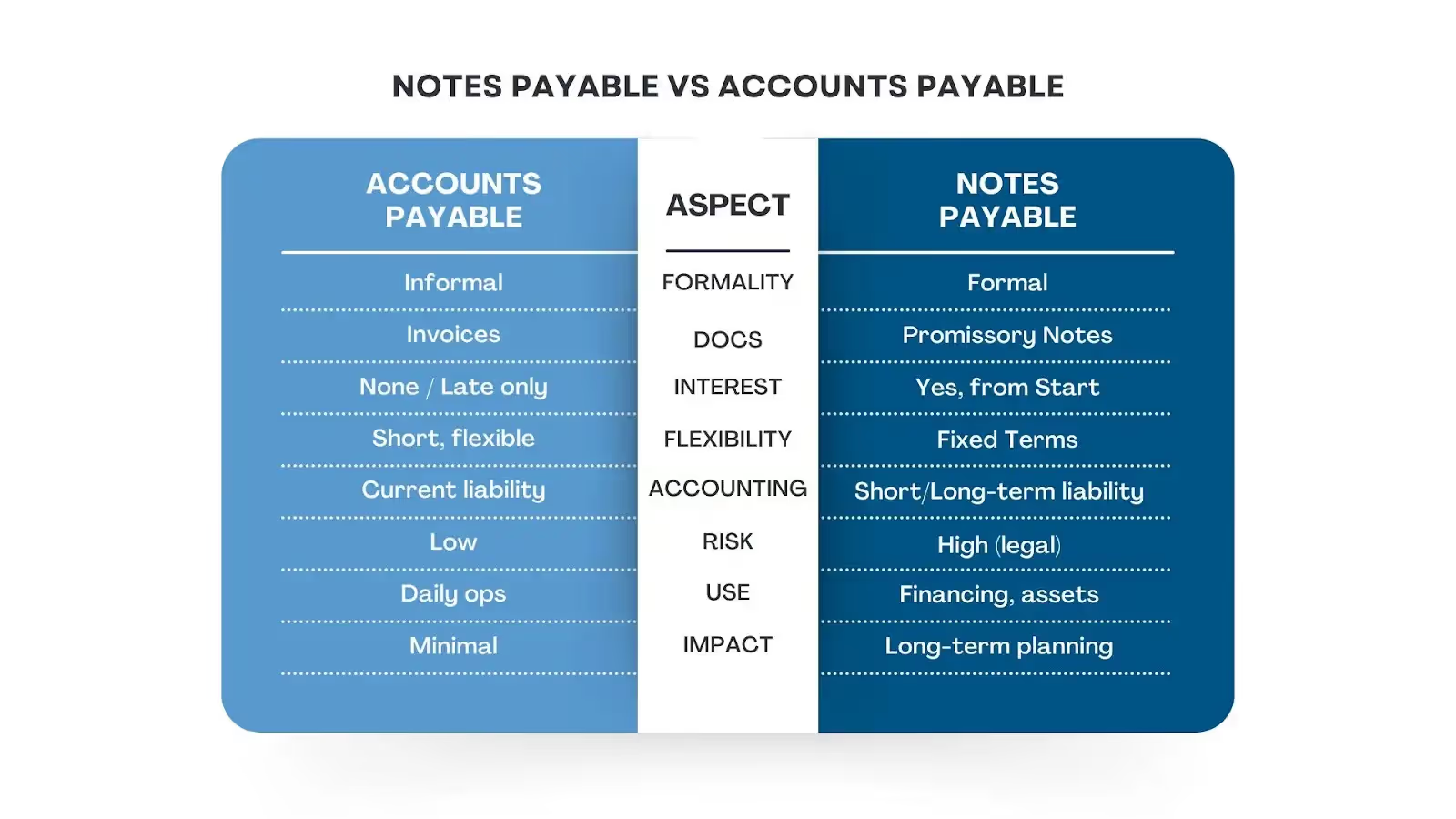
こうした微妙な違いを理解することで、企業はメリットとデメリットを効果的に比較検討できるようになります。
あわせて読みたい:売掛金は借方?貸方?その理由を解説
負債を効果的に管理するためには、支払手形と買掛金を区別しなければなりません。どちらも金銭債務であることに変わりはありませんが、その構造、目的、影響は異なります。それぞれのメリットとデメリットを理解することで、戦略的な財務意思決定が可能となり、長期的な財務健全性を維持することにつながります。
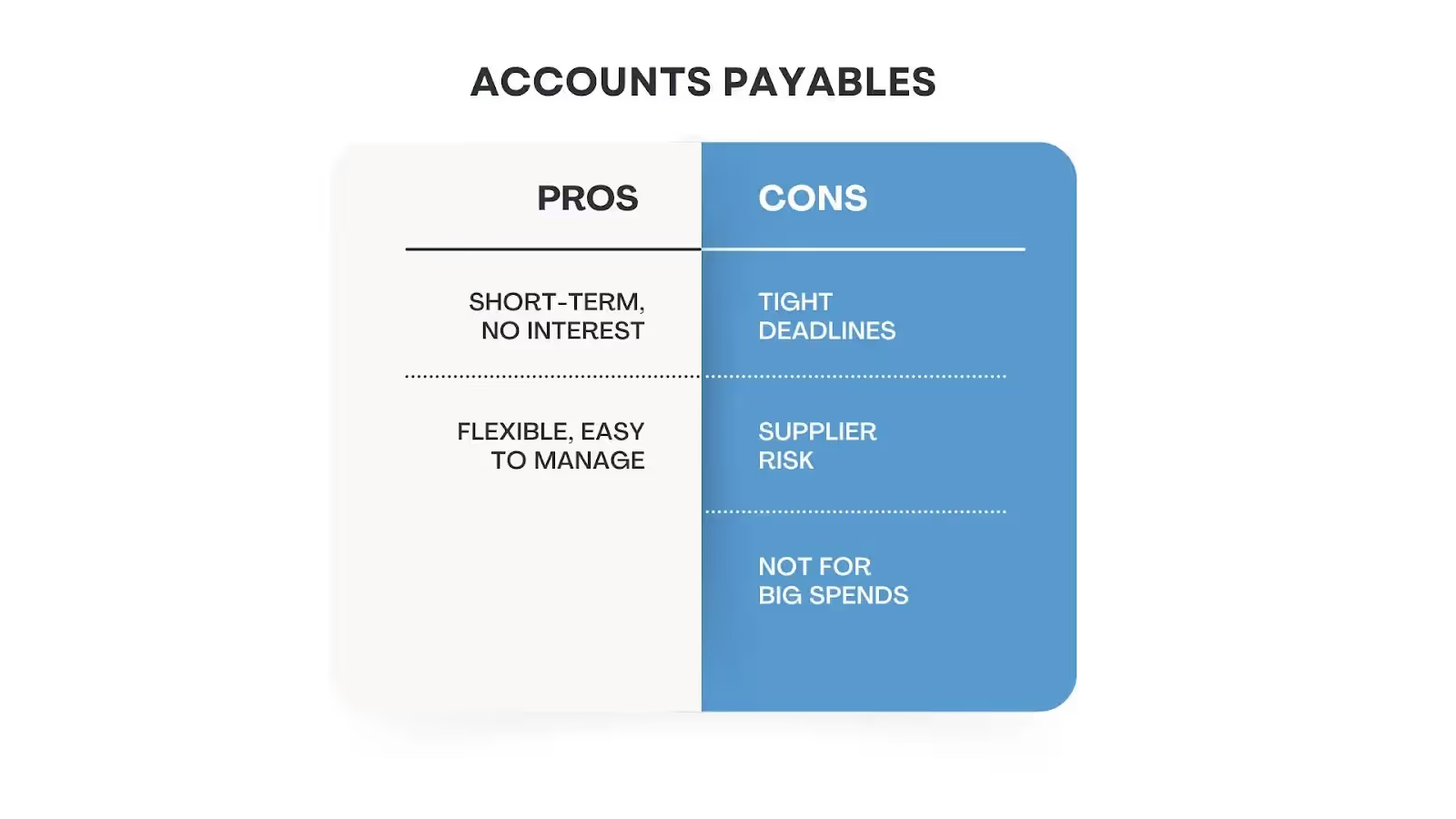
買掛金には、日々の財務管理を支えるいくつかの業務上の利点があります。
買掛金は利便性が高い一方で、財務の安定性に影響を及ぼす可能性のある制限もあります。
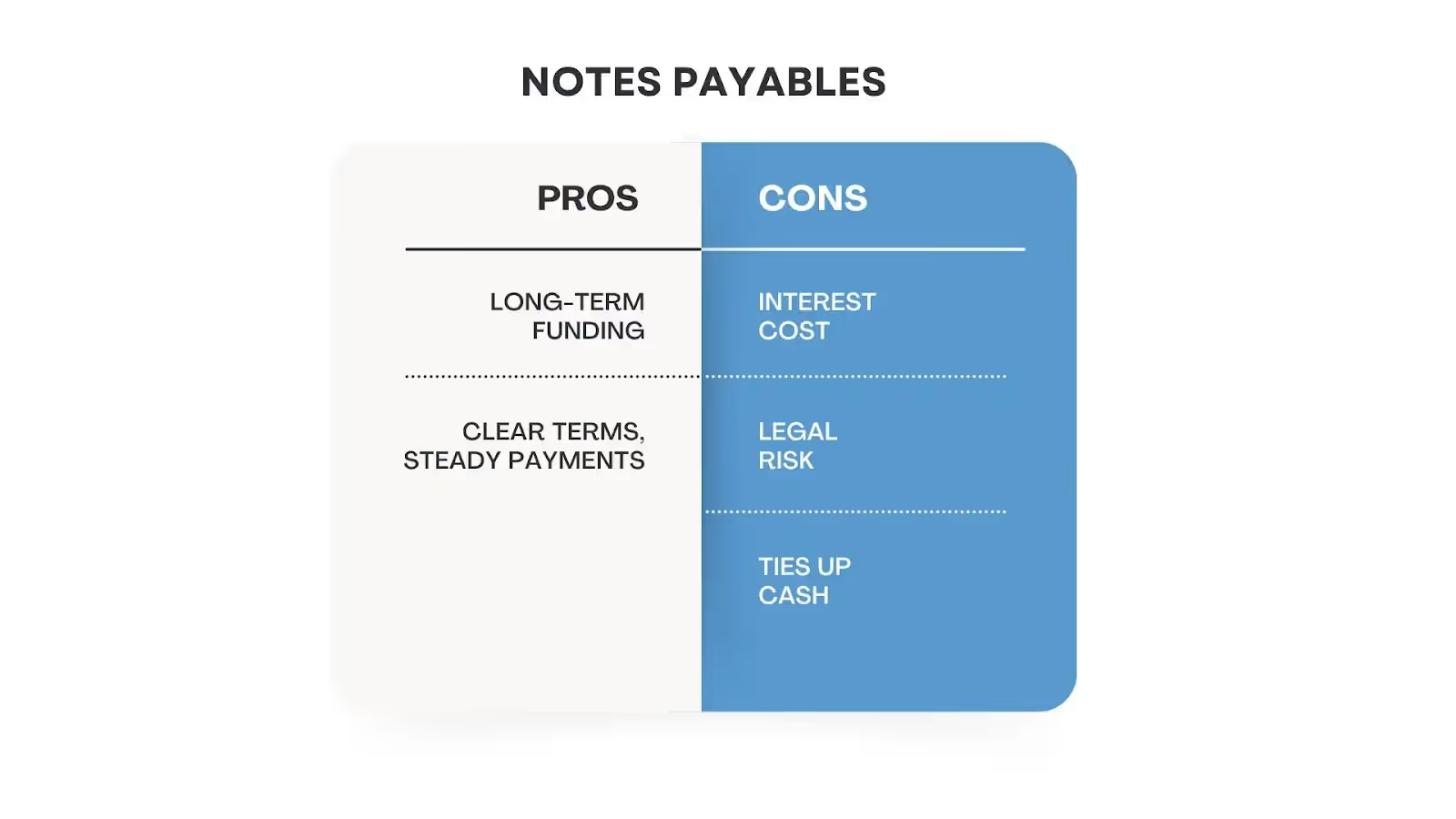
支払手形は、大規模な支出や戦略的な支出に対して、構造化された長期的な資金調達の選択肢を提供します。
支払手形は長期的な資金調達には有益ですが、財務的および法的な複雑さを伴います。
適切な負債の種類を選択することで、企業は短期的な柔軟性と長期的な財務計画のバランスを取ることができます。
必読:2025年におけるスタートアップコストの会計処理で考慮すべき重要なポイント
支払手形と買掛金の使い分けを理解することで、企業は運営上および戦略上の目標に合わせて資金調達方法を最適化できます。
支払手形と買掛金の相違点を把握することは、米国の企業が戦略的に負債を管理し、財務パフォーマンスを最適化する助けとなります。
支払手形と買掛金の比較から、負債の種類によって異なるビジネス上の目的があることがわかります。買掛金は業務を円滑に進めるために役立ち、支払手形は明確な返済構造によって長期的な計画を支えます。このバランスを習得することで、財務の柔軟性と安定性の両方が強化されます。
VJM Globalは、企業が財務データや負債構造を理解できるよう支援することに特化しています。コンプライアンス、レポーティング、アドバイザリーサービスにおける深い専門知識を持ち、財務計画やリスク管理における価値あるパートナーです。
財務の透明性を高めるための次のステップへ。 VJM Globalにご相談いただき、負債をビジネスの足かせではなく、成長の力に変えましょう。

.avif)


