Gestionar auditorías financieras es un reto para las pequeñas y medianas empresas que utilizan software en la nube. Con las crecientes exigencias de cumplimiento y la complejidad de las evaluaciones, gestionar las auditorías internamente puede resultar costoso y consumir mucho tiempo. La externalización de auditorías ofrece una solución eficiente.
Externalizar las funciones de auditoría agiliza el proceso, reduce los gastos generales y garantiza el cumplimiento sin necesidad de ampliar su equipo interno. Según Grand View Research, se prevé que el mercado norteamericano de externalización de finanzas y contabilidad crezca un 8,8% entre 2025 y 2030. Cada vez más empresas optan por esta solución rentable para aumentar su eficiencia.
Se espera que el mercado mundial de externalización de auditorías alcance los 18.600 millones de dólares en 2033, según Data Horizon Research, lo que subraya su creciente importancia para las empresas que buscan operaciones más inteligentes y eficientes.
Esta guía explorará cómo la externalización de auditorías puede ayudar a su empresa a cumplir con la normativa y prosperar en el competitivo mercado actual.
¿Qué es la externalización de auditorías?
La externalización de auditorías se refiere a la práctica de contratar a una firma independiente para realizar la auditoría de los estados financieros de su empresa. Las empresas se asocian con firmas de auditoría profesionales en lugar de depender de equipos internos para garantizar una revisión objetiva de sus operaciones financieras, cumplimiento y gestión de riesgos.
Los auditores externos son responsables de evaluar la exactitud y la integridad de sus registros financieros y de garantizar que su empresa cumpla con los requisitos legales y reglamentarios. Externalizar esta función puede proporcionar a las empresas una perspectiva imparcial y una experiencia especializada, lo cual es especialmente beneficioso para las pequeñas y medianas empresas que utilizan software en la nube.
Funciones clave realizadas por los auditores externos
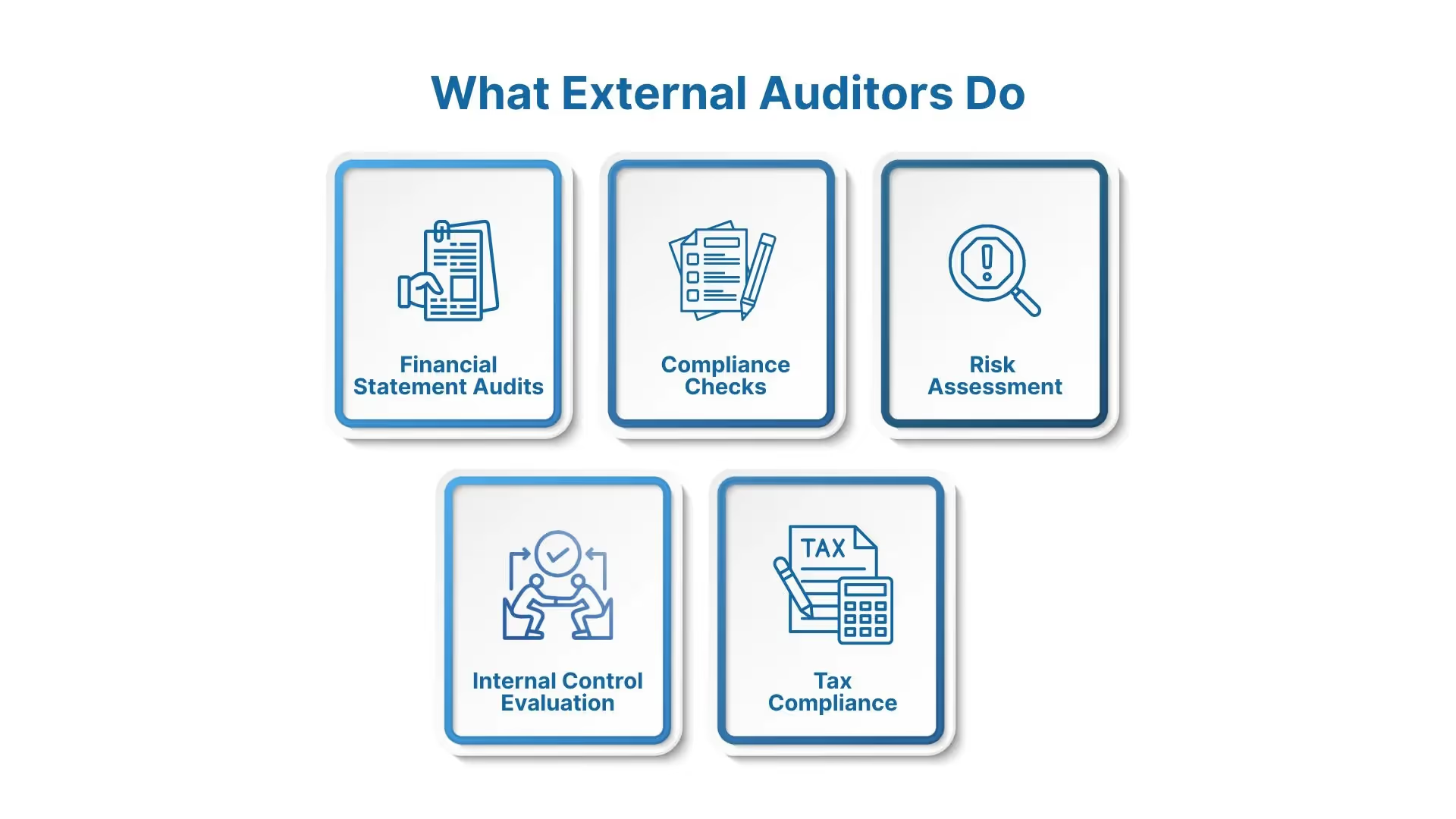
Los auditores externos asumen varias responsabilidades clave para garantizar que su empresa cumpla con las normas reglamentarias y mantenga la precisión financiera. Estas incluyen:
Auditorías de estados financieros: Verificar la exactitud y transparencia de los estados financieros de su empresa.
Controles de cumplimiento: Garantizar que su empresa se adhiera a todas las normativas contables y estándares del sector pertinentes.
Evaluación de riesgos: Identificar posibles riesgos financieros y áreas de preocupación.
Evaluación del control interno: Evaluar la eficacia de sus controles internos y procesos operativos.
Cumplimiento fiscal: Verificar que su empresa cumple con las normativas fiscales y los requisitos de presentación de informes.
Al confiar estas tareas a una firma externa, su empresa obtiene una visión objetiva y un análisis profesional de su salud financiera.
Diferencia entre auditorías internas y externas
Aunque tanto las auditorías internas como las externas cumplen funciones esenciales, difieren en enfoque y alcance. A continuación, se detallan las diferencias clave:
Internal Audit
External Audit
Conducted by in-house staff or employees
Performed by an independent third-party firm
Focuses on internal operations, efficiency, and controls
Focuses on verifying the accuracy of financial statements and ensuring compliance with regulations
Primarily aimed at improving internal processes and risk management
Aimed at providing an objective assessment of financial records for stakeholders, investors, and regulatory bodies
More frequent and ongoing
Typically performed annually or as required by law
Esta tabla destaca las principales distinciones, asegurando que comprenda por qué las auditorías externas son importantes para mantener la transparencia y la credibilidad ante las partes interesadas externas.
Una vez comprendidas las distinciones, es posible que se pregunte por qué la externalización de auditorías externas es una medida beneficiosa. Analicemos las razones por las que las empresas deciden externalizar esta función crucial.
La externalización de auditorías externas ofrece múltiples ventajas, especialmente para las pequeñas y medianas empresas. He aquí por qué las empresas eligen externalizar esta función vital:
Enfoque en las funciones principales del negocio mientras se gestionan los riesgos: La externalización le permite dedicar más recursos internos al crecimiento y las operaciones del negocio, mientras se asegura de que sus procesos de gestión de riesgos financieros sigan siendo sólidos y conformes a la normativa. Esto ayuda a su equipo a centrarse en lo más importante: hacer crecer su negocio.
Acceso a experiencia especializada y conocimientos del sector: Los auditores externos profesionales aportan años de experiencia especializada y un profundo conocimiento del sector. Se mantienen al día de las normativas cambiantes, garantizando que su empresa siga cumpliendo la ley sin necesidad de formación interna constante.
Mejora del cumplimiento y reducción del riesgo de errores: Uno de los principales beneficios de la externalización de auditorías es la reducción del riesgo de errores o descuidos en los registros financieros. Trabajar con una firma de auditoría experimentada hace que sea más probable que su empresa cumpla con todas las normas reglamentarias, minimizando errores costosos y posibles problemas legales.
La externalización de auditorías externas ayuda a agilizar las operaciones, garantizando el cumplimiento y permitiendo que su empresa se centre en el crecimiento. Es una estrategia eficaz para mantener la integridad financiera y gestionar los riesgos con experiencia profesional.
Now that we understand the benefits of outsourcing external audits, let's take a look at how the process works and the key steps involved in ensuring a successful audit.
Step-By-Step Process of Outsourcing External Audits
Managing financial audits can be complex for small to mid-sized businesses, especially those using cloud software. Outsourcing external audits can streamline the process, reduce costs, and ensure compliance, without requiring a large in-house team. Here's a breakdown of how the process works and its key benefits.
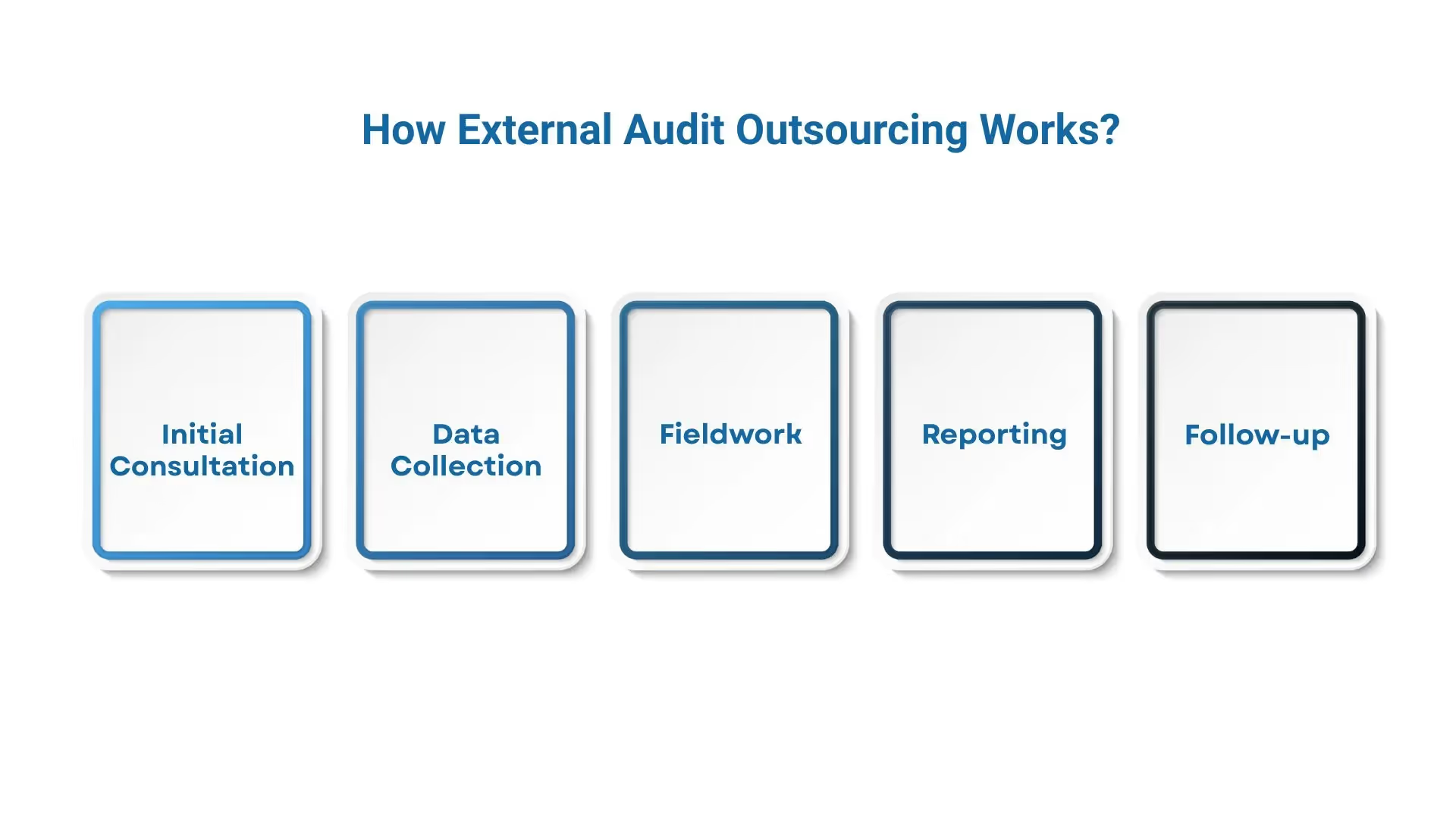
Initial Consultation: The process begins by selecting an experienced audit firm. During the consultation, you outline your business's needs and the scope of the audit to ensure alignment on expectations.
Data Collection and Planning: With the agreement, auditors gather your financial data and review your systems, including cloud software. A plan is developed based on this information to ensure a smooth and thorough audit.
Fieldwork: Auditors conduct in-depth tests and interviews, reviewing documents and assessing the accuracy of your financial statements.
Reporting: After the fieldwork, the auditors provide a detailed report with their findings and an independent opinion on your financial statements.
Follow-up: Auditors may offer recommendations to improve your financial processes and controls, ensuring your business is well-prepared for future audits.
Choosing the right partner for external audit outsourcing
Selecting the right audit firm is essential. Look for a firm with expertise in your industry and a deep understanding of the cloud tools you use. A good partner will collaborate closely with your internal team to ensure the audit process is efficient and aligned with your business goals.
How collaboration between internal teams and external auditors works
Effective collaboration is key. While the audit firm handles the audit, your internal team provides the necessary data and insight into operations. Clear communication and well-defined roles will ensure that both teams work seamlessly together to achieve the audit's objectives.
Key Benefits of External Audit Outsourcing
Outsourcing your audit function offers several advantages for small to mid-sized businesses. Here are five key benefits:
Cost Savings: Outsourcing external audits eliminates the need to maintain an in-house audit team, reducing costs related to salaries, training, and infrastructure. You also avoid the financial burden of recruiting and managing internal auditors.
Access to Expertise: External auditors bring specialized industry knowledge and experience, ensuring your business stays compliant with the latest regulations and standards. Their up-to-date expertise helps you navigate complex regulatory changes with confidence.
Improved Compliance: With external auditors handling the process, you ensure your financial records meet all legal requirements, minimizing the risk of penalties or audits. Their objective approach helps identify areas of potential non-compliance before they become costly issues.
Efficiency Gains: Outsourcing to experienced professionals results in faster audits, as they know exactly what to look for. This allows your internal team to focus on core business functions, ultimately improving overall operational efficiency and saving valuable time.
Scalability: As your business grows, external audit services can scale to match your needs. You can adjust the level of audit support required without the need for significant internal restructuring, allowing your business to adapt to increasing complexities efficiently.
These benefits help you streamline your financial processes, reduce costs, and stay compliant, all while focusing on your business growth.
While external audit outsourcing offers many benefits, businesses should be aware of the following challenges:
Communication Gaps and Lack of Control: Miscommunication can cause delays. Set clear expectations and maintain regular communication to align on objectives.
Risk of Misalignment with Company Goals: External auditors may not fully understand your business priorities. Ensure your audit partner understands your goals and aligns their work with them.
Overcoming Resistance to Outsourcing: Some businesses may resist outsourcing due to control concerns. Highlight the benefits, like cost savings and specialized expertise, to ease these concerns.
Dependence on External Firms: Relying on an external firm can be challenging if they lack industry knowledge. Choose a firm with experience in your sector for consistent support.
Addressing these challenges ensures that outsourcing works effectively for your business.
Best Practices for External Audit Outsourcing
Outsourcing your external audit can be a strategic move to streamline operations, ensure compliance, and reduce costs. However, selecting the right approach is key to achieving long-term success. Here are the best practices for external audit outsourcing to guide you through the process.
Define Clear Objectives: Before choosing an outsourcing partner, define what you aim to achieve. Whether it's improving compliance, reducing costs, or ensuring transparency, having clear goals will help you find the right external audit firm. This clarity ensures that both parties are aligned and working towards common objectives.
Choose the Right External Audit Partner: Not all external audit firms are the same. When selecting a partner, look for experience in your industry, a proven track record, and a deep understanding of the software you use. Your partner should be well-versed in the specific needs of small and mid-sized businesses, especially those using cloud accounting solutions.
Understand the Scope of Work: It's crucial to clearly outline the scope of the audit. Specify what is included in the audit, from financial statements to compliance with local regulations. Establishing the scope ensures that there are no misunderstandings and that you're not caught off guard by additional costs or unexpected deliverables.
Maintain Open Communication: Communication is key to a successful outsourcing arrangement. Regular check-ins with your external audit team will help maintain alignment and address issues early. Make sure both parties have access to the right data, and establish clear lines for communication.
Ensure Data Security: Security is a priority when sharing financial data with an external partner. Make sure your audit firm complies with data protection standards, especially when working with cloud-based software. You can mitigate risks by choosing an audit partner with strong security protocols and a transparent data-handling process.
Monitor the Process: While your external auditor handles the bulk of the work, it's important to stay involved. Monitor the audit progress regularly, and make sure that your external auditor is adhering to deadlines and the agreed-upon procedures. This helps ensure the audit is completed on time and meets all expectations.
Review the Report Thoroughly: Once the audit report is delivered, don't just file it away. Take time to review it carefully. The report should include a detailed analysis of your company's financial health and compliance with regulations. Discuss the findings with your audit team to understand any risks and opportunities identified during the audit.
Prepare for the Next Audit Early: Preparing for your next audit will save you time and money. Work with your external audit team throughout the year to ensure all your financial records are up to date and accurate. Regular check-ins and proactive planning will help avoid last-minute hurdles when it's time for the next audit.
By following these best practices, you can ensure that your external audit outsourcing process is efficient, secure, and aligned with your company's goals. Outsourcing can be a powerful tool for small to mid-sized businesses, but it’s essential to approach it strategically.
Financial transparency is key to success. Audits ensure your financial records are accurate, compliant, and reliable, helping to build trust with stakeholders. Whether you're a small business or a U.S.-based CPA firm needing additional support, VJM Global's services can cut operational costs and improve financial management. Here’s how we provide comprehensive audit outsourcing and support:
External Audit Outsourcing for Small and Mid-Sized Businesses: We provide end-to-end audit services, handling everything from audit preparation to final reporting, ensuring compliance and accuracy throughout the process.
Cost-Effective Accounting and Bookkeeping: Our outsourced accounting services reduce the need for in-house teams, helping you save on operational costs like salaries, training, and infrastructure.
Efficient Audit Support for CPA Firms: We assist CPA firms during busy audit periods with offshore support for audit preparation, documentation, and review processes.
Scalable Solutions for Fluctuating Workloads: By outsourcing your audit tasks, you can efficiently manage seasonal or fluctuating workloads without the need to hire temporary staff.
Adherence to U.S. Standards and Data Security: Our team ensures all audit work is compliant with U.S. accounting standards, maintaining confidentiality and protecting your sensitive financial data.
VJM Global specializes in external audit outsourcing, providing expert support to streamline the audit process. Our efficient approach ensures accurate audits, helping you manage financial risks and stay compliant. We assist U.S. businesses with bookkeeping, balance sheet preparation, and equity reconciliation, ensuring your financials are audit-ready and in line with GAAP.
Reach out to VJM Global today for seamless audit support.
VJM Global
Descubre opiniones de expertos, consejos y novedades de VJM Global