


世界の宝飾品市場は2024年時点で約2,330億ドル規模であり、2032年には3,440億ドルを超えると予測されています。商品単価が高く需要も拡大しているため、わずかな会計上のミスが利益に深刻な影響を及ぼしかねません。
宝飾品ビジネスは、一般的な小売店とは異なります。貴金属や宝石、カスタムデザイン、そして変動する材料費が関わってくるためです。そのため、在庫管理、素材の純度、人件費、諸経費の追跡は、通常の小売業やサービス業よりもはるかに複雑になります。
宝飾店を経営されている方や宝石輸出ビジネスに携わっている方にとって、宝飾業界に特化した会計手法を取り入れることは、最終的な収益に大きな違いをもたらします。
本ブログでは、宝飾業者向けの会計に関する重要なヒントをご紹介します。財務管理、リスク軽減、業務効率化に役立つ実践的な知見を得ていきましょう。
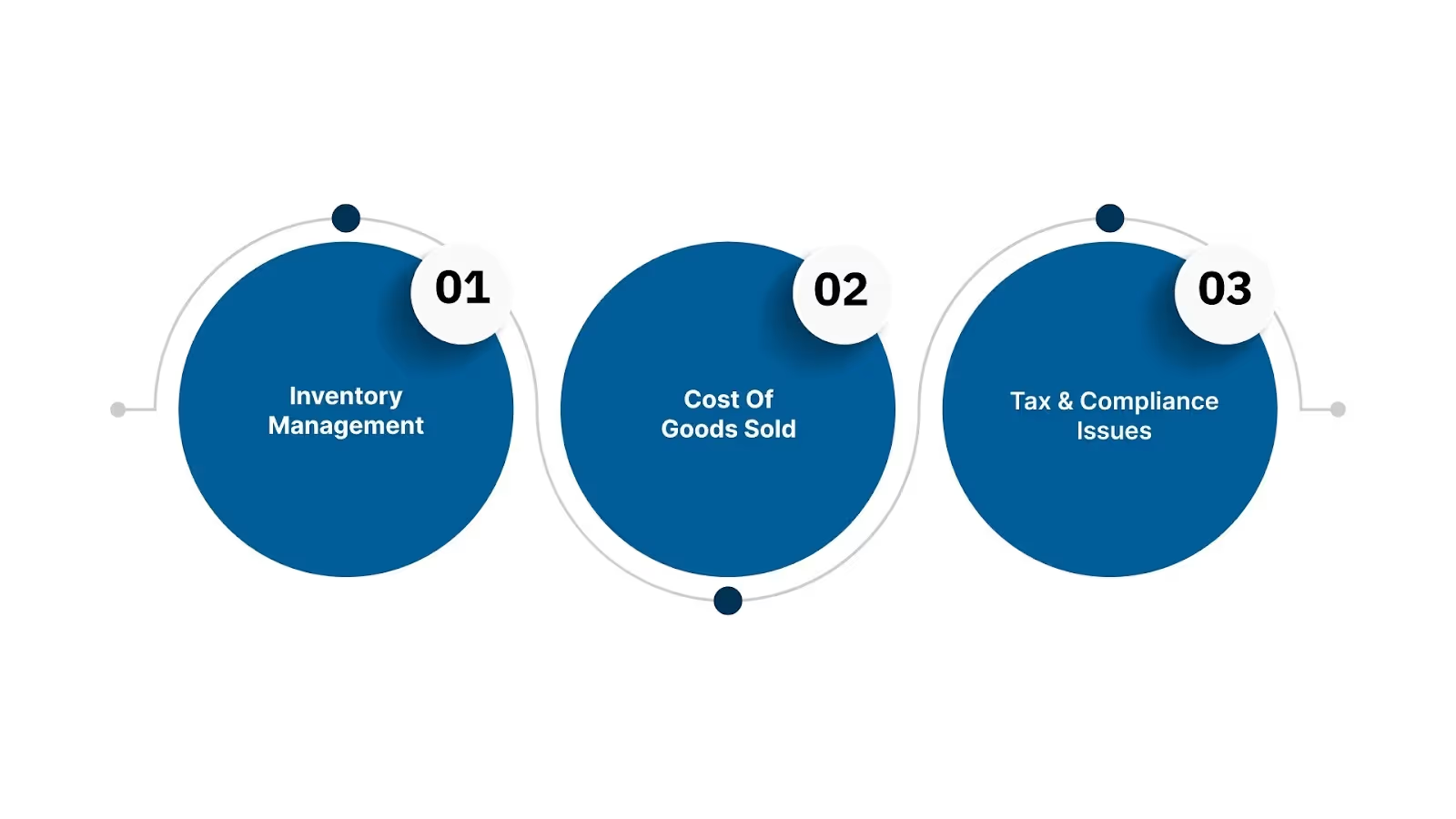
宝飾ビジネスの会計には、従来の小売業の枠を超えた専門知識が必要です。高価な素材の取り扱い、独自の価格設定、複雑な税務問題など、宝飾業界特有の会計ニーズが存在するためです。
1. 在庫管理
一般的な小売業とは異なり、宝飾業者は貴金属、宝石、カスタムデザイン品を扱います。これらの素材は価格や品質が変動しやすいため、適切な在庫追跡が不可欠です。
例えば、金の価格は日々変動します。正確な追跡を行わなければ、材料を高く仕入れすぎたり、製品の価格設定を誤ったりする可能性があります。
2. 売上原価(COGS)
宝飾ビジネスにおける売上原価(COGS)は、単なる原材料費だけではありません。製品を製作するための人件費も含まれますが、その算出は複雑になることがあります。
例えば、ネックレスの価格を設定する際、売上原価には以下が含まれます。
これらの要素をすべて考慮に入れなければ、利益率や価格設定が不正確になり、製品を安く売りすぎたり、利益を圧迫したりする恐れがあります。
3. 税務およびコンプライアンスの問題
宝飾ビジネスは、売上税、VAT、輸出入関税など、いくつかの税務上の課題に直面します。これらの税金は地域によって異なり、対応が難しい場合があります。
Without proper tax tracking, you risk running into compliance issues or even legal trouble.
おすすめの記事:中小企業のための会計管理方法
With an understanding of the unique accounting needs of jewelers, let's explore the best practices that will ensure your jewelry business runs smoothly and stays financially healthy.
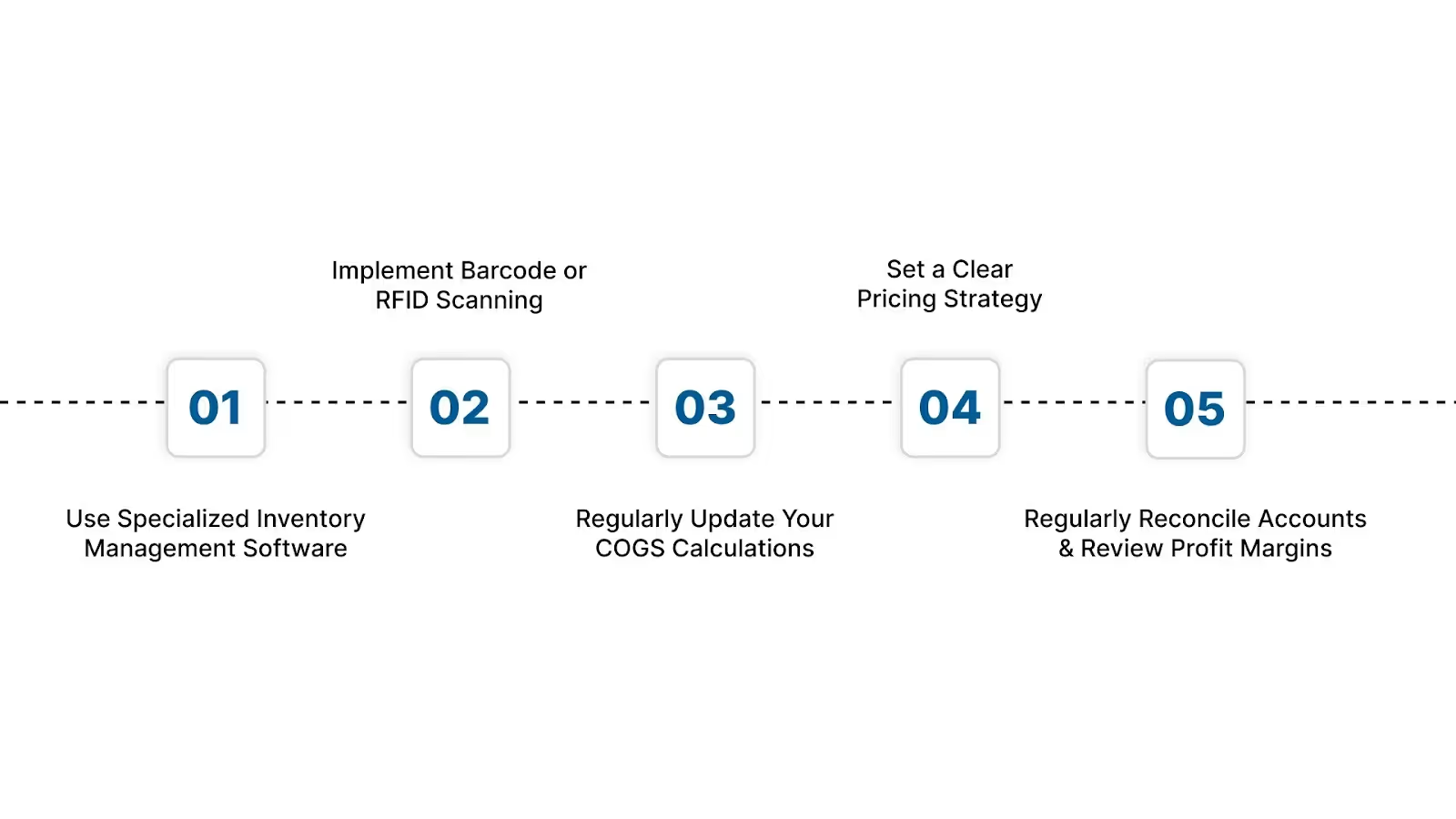
Running a jewelry business isn't just about creating beautiful pieces. Every material, from gold to diamonds, should be tracked and accounted for. Without a solid inventory and cost-tracking system, even the best designs can end up a financial headache.
Here are some best practices that will make managing your jewelry business's finances easier and more accurate.
Tracking the movement of high-value items like gold, diamonds, and precious metals can quickly become overwhelming. Manual tracking is not only inefficient but also prone to errors.
Let's say you've just crafted a custom ring using 5 grams of 18K gold and forgot to update the inventory. The next time you need gold, you might find yourself short or worse, overpaying because of poor tracking.
Jewelry items are small and valuable, and traditional inventory-tracking methods (such as written records) can lead to costly mistakes. Barcodes or RFID tags provide a more accurate and faster way to manage your inventory.
In the jewelry industry, material costs fluctuate constantly. If you're making a ring, the cost of gold may rise by 10% over the course of a month. If you don't update your COGS calculation, you could be underpricing the piece and eating into your profit margins.
Pricing jewelry isn't just about covering the cost of materials and labor; it's about setting a price that also accounts for future price fluctuations and market trends.
If you're crafting a necklace using gold and diamonds, and the price of gold increases, your current pricing strategy may no longer be valid. Instead of absorbing the cost, build in a price buffer to account for price variation, so you don't lose money if prices shift unexpectedly.
照合を行うことで、帳簿上の記録と実際の在庫、売上、経費が一致しているかを確認できます。特に高価な在庫を扱う場合、不一致は発生しやすいため、定期的なチェックを行うことで、大きな損失につながる前に問題を早期発見できます。
以上です!これらの会計のベストプラクティスを実践することで、以下のメリットが得られます。
これらの戦略は、競争力を維持し、コンプライアンスを遵守し、収益性を高めるのに役立ち、ジュエリービジネスの強固な財務基盤を築くことにつながります。
私たち VJM Globalは、クラウドベースのソリューションを通じて会計プロセスを自動化・簡素化し、お客様が本来の強みである美しいジュエリー制作に集中できるようサポートします。ジュエリービジネスを専門的な会計ソリューションで支援する方法について、ぜひ今すぐお問い合わせください。
正確な記帳はあらゆるビジネスの成功の基盤であり、ジュエリー業界では特に重要です。材料費や人件費が変動しやすいジュエリー制作という特性上、明確な財務記録を維持することは、収益性の把握、経費管理、そして情報に基づいた意思決定を行うために欠かせません。
そもそも、記帳とは具体的に何を指すのでしょうか?
記帳とは、すべての金銭取引を記録、整理、追跡するプロセスです。これには売上や経費、その他あらゆる取引が含まれます。ジュエリー業界においては、以下の項目を正確に記録することも含まれます。
記帳が不十分なジュエリー職人は、材料費を払いすぎていることや、重要な税控除を見逃していることに気づかない可能性があります。明確な記録がなければ、本来得られるはずの利益を逃すリスクがあります。
記帳記録を定期的に更新し、キャッシュフローと収益性を常に把握しておきましょう。適切な記帳は税務コンプライアンスにも役立ち、売上税や付加価値税(VAT)に関するトラブルを回避できます。
Also Read: Key Differences Between Bookkeeping and Accounting Explained
ジュエリービジネスにおいて、記帳ミスは深刻な結果を招く可能性があります。原材料や完成品の追跡は複雑であるため、特定の取引を見落としたり、経費を誤って分類したりしがちです。
ビジネス用と個人用の口座は必ず分けましょう。記帳ミスは、想像以上に大きな損失を会社にもたらす可能性があります。 VJM Globalの専門的な記帳サービスでは、利益の損失や税務トラブルにつながる一般的なミスを回避できるようサポートします。
記帳は私たちにお任せください。お客様は自信を持ってジュエリービジネスの成長に専念していただけます。
米国には連邦レベルの付加価値税(VAT)はありませんが、ほとんどの州で売上税(Sales Tax)または使用税(Use Tax)が課されています。売上税率は州によって異なり、通常は州レベルで2.9%から7.25%の範囲ですが、さらに地方自治体による上乗せ分が加わる場合があります。
Because jewelry is high-value and often sold online or across state lines, jewelers must carefully manage nexus (physical presence, inventory location, etc.) to know when they must collect sales tax for each state where a customer is located.
Failing to get this right can cause audits, fines, or penalties by state tax authorities.
Now, let's think globally. For jewelers sourcing materials globally or exporting finished jewelry:
This complexity makes it essential to maintain detailed records of all transactions, imports/exports, and material purchases.
Because state sales tax laws vary by state, 588 combined sales tax rate changes and new rules were recorded across U.S. states in 2024 alone. That's a lot of movement for a jeweler selling across states to track.
Misclassifying items, failing to collect tax, or using outdated rates can lead to audits, fines, back taxes, and lost profits. For exports or international sales, incorrectly handled VAT or customs duties can trigger delayed shipments, additional responsibilities, or legal compliance issues.
So here's what you, as a jeweler, should do to stay safe:
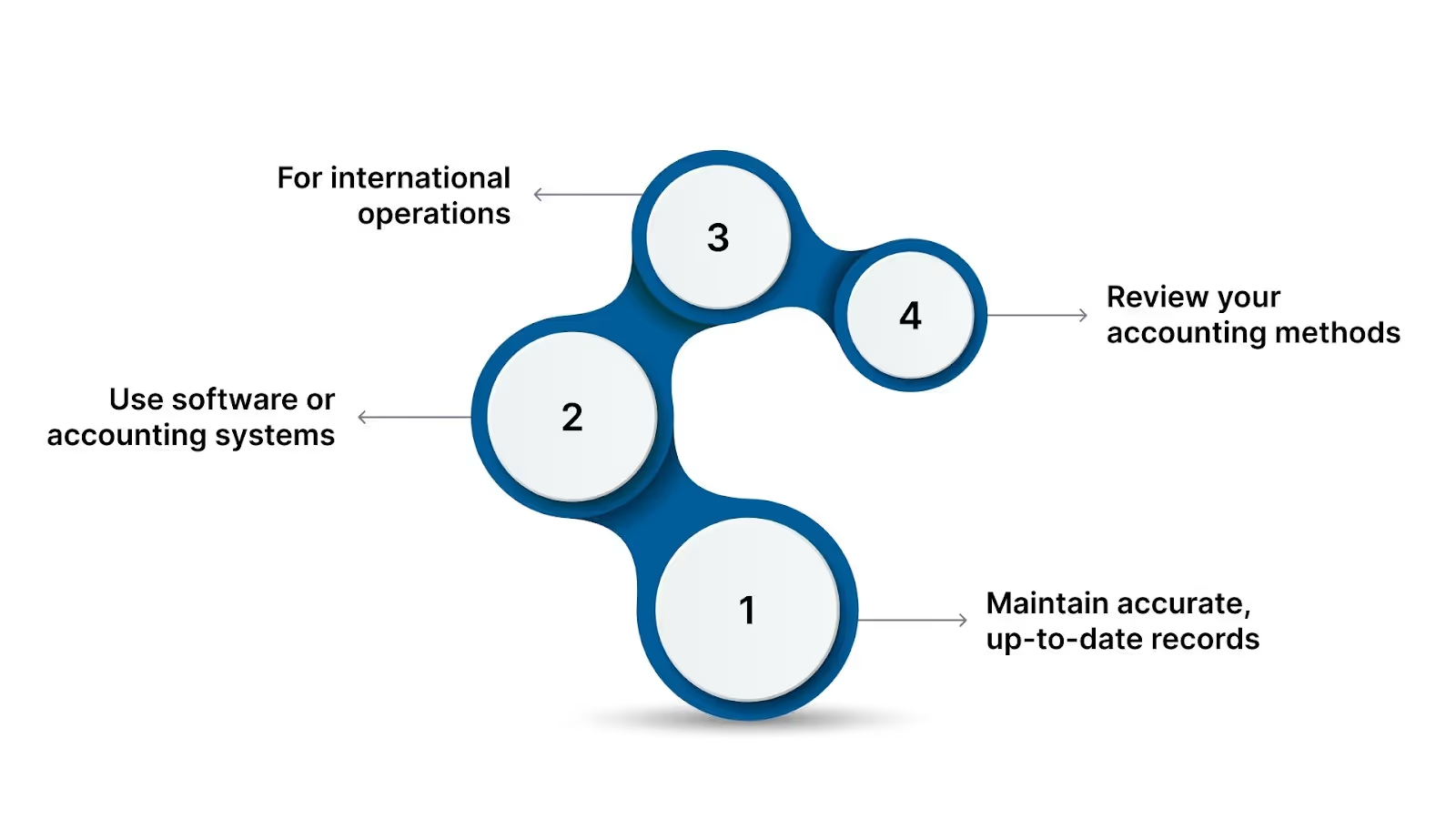
Tax and compliance are not optional extras. Mishandling them can cost more than gold itself. VJM Global's tax experts can help you process these complexities and ensure you remain compliant.
Schedule a consultation with us to remove the risk from your tax strategy and safeguard your jewelry business from costly mistakes.
The jewelry industry faces specific challenges from fluctuating material costs to complex inventory management, which means a generic accounting system won't cut it. Specialized accounting software can ease your operations, reduce errors, and make tax compliance easier.
Here are some top accounting software options for the jewelry industry:
Options are fine, but how do you decide the right one with all the suitable features?
When choosing the best accounting software for your jewelry business, here are a few must-have features:
No matter what you choose, make sure the software aligns with your unique needs and helps you stay compliant and profitable.
Running a jewelry business involves more than just selling beautiful pieces; it requires mastering the complexities of inventory, costs, taxes, and compliance. With the proper accounting practices in place, you can not only stay compliant but also improve profitability and ease operations.
At VJM Global, we specialize in helping jewelry businesses figure out these challenges with precision and expertise. Here's how we can assist:
Partner with VJM Global today to get expert accounting support, tax compliance, and strategic financial management tailored specifically for your jewelry business. Contact us now to learn how we can simplify your operations and set you up for long-term success.
Inventory for a jeweler includes raw materials (such as gold, silver, and gemstones), work‑in‑progress pieces, and finished jewelry ready for sale.
COGS must factor in the cost of precious materials used (metals, stones), labor for crafting, and any overheads related to production.
Because jewelry involves high‑value materials and fluctuating costs, accurate bookkeeping helps track every expense, revenue, and inventory change. This ensures margins and tax records stay correct.
While general tools might work for basic record‑keeping, jewelers benefit more from software that supports inventory tracking with raw materials, multi‑item valuation, and COGS calculations tailored to precious goods.
Jewelry sales typically require charging and remitting state sales tax (not a federal tax). Because rates and rules vary by state, jewelers selling across states, especially online, must track nexus and location-based tax rates and maintain accurate sales records.

.avif)


