


買掛金(AP)プロセスを効率的に管理することで、期日通りの支払いが可能になり、健全なキャッシュフローを維持し、サプライヤーとの強固な関係を築くことができます。明確で体系化されたAPプロセスがなければ、ビジネスにおいて不必要な遅延やミス、複雑な問題が発生し、業務に支障をきたす恐れがあります。
QuickBooks、Xero、Gustoなどのクラウドソフトウェアを利用する中小企業にとって、効果的な買掛金管理手順を理解し、導入することは不可欠です。世界の買掛金自動化市場は2023年に30億8,000万米ドルと評価され、2024年から2030年にかけて年平均成長率(CAGR)12.8%で成長すると予測されています。
本ガイドでは、買掛金プロセスの仕組み、それがビジネスにとって極めて重要である理由、そして効率性を高めて支払いを確実に管理するための合理的なシステムの構築方法について解説します。
買掛金管理手順とは、サプライヤーや債権者への支払いを管理するために企業が行う一連のステップのことです。効率的な管理により、期日通りの支払い、正確な財務記録の保持、そしてベンダーとの良好な関係維持が可能になります。QuickBooks、Xero、Gustoなどのクラウドソフトウェアを利用する中小企業にとって、組織化されたプロセスはキャッシュフローとコンプライアンスを維持するために不可欠です。
世界の買掛金自動化市場は2023年に53億7,858万米ドルと評価され、2032年までに170億4,716万米ドルに達すると予測されており、自動化されたAPシステムの導入が急速に進んでいることがわかります。
1. 請求書の受領、照合、承認: 請求書の内容を照合・承認し、合意された条件と一致していることを確認してから支払いに進みます。
2. 支払いの承認と処理: 承認後、支払時期を確認し、十分な資金があることを確認した上で、銀行振込、小切手、またはオンラインシステムを通じて支払いを実行します。
3. 記録の保持: 支払いを会計システムに記録し、正確な財務記録を維持するとともに、買掛金残高を更新します。
効率的な買掛金管理は、以下の理由から極めて重要です:
QuickBooks、Xero、Gustoのような自動化ソリューションは、正確性とコンプライアンスを確保し、買掛金管理の効率を向上させます。
Also Read: Effective Strategies for Accounts Payable Management
次に、買掛金プロセスの各ステップを詳しく見ていき、これらの手順が実務でどのように実行されるかを確認しましょう。
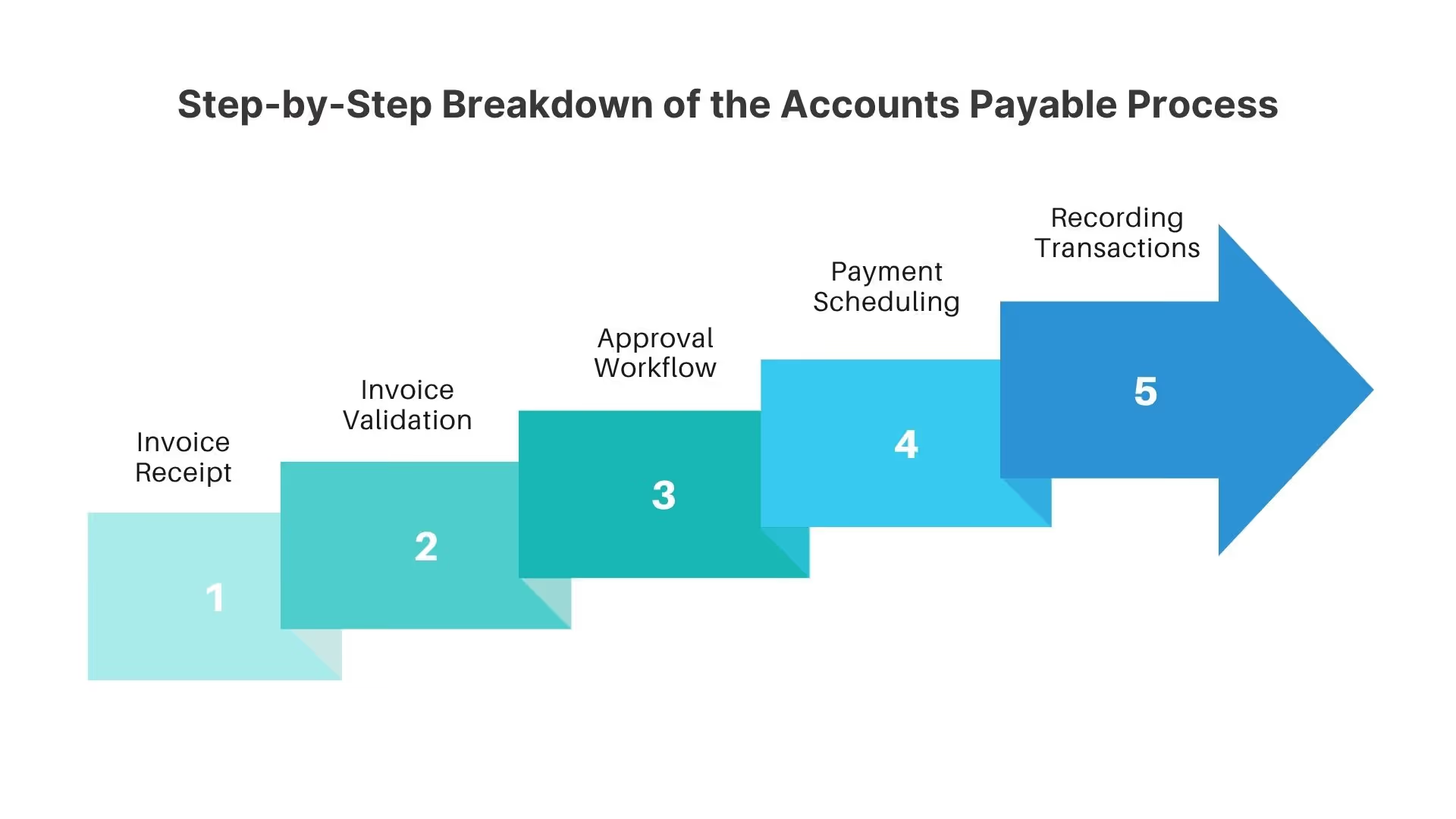
買掛金(AP)の管理は、ビジネスの財務状況を健全に保つために不可欠です。以下に、正確性、効率性、そして期日通りの支払いを確実にするための買掛金管理手順のステップバイステップガイドをまとめました。
プロセスは、サプライヤーから紙または電子形式で請求書が送られてくるところから始まります。一般的な流れは以下の通りです:
自動化を活用することで、時間の節約だけでなく、データ入力ミスのリスクも軽減され、業務効率が向上します。
請求書を取り込んだ後の次のステップは、その正確性を確認することです。ここで請求書の検証作業が行われます。買掛金(AP)システムは、請求書を注文書や受領書などの関連書類と照合します。
照合プロセスを自動化することで、人為的な介入を最小限に抑え、エラーを減らし、ワークフロー全体をスピードアップできます。
請求書の検証が完了すると、承認段階へと進みます。APシステムは、承認限度額や部門ごとの責任範囲など、あらかじめ定義されたルールに基づいて、適切な担当者へ請求書をルーティングします。
承認ワークフローは承認プロセスの効率化に役立ち、適切な関係者が関与し、迅速に承認が行われるようにします。
請求書が承認されると、支払いプロセスが開始されます。この段階では、さまざまな要素を考慮しながら、サプライヤーへの迅速な支払いを確実にします。
合意された条件に基づいて支払いをスケジュールすることで、キャッシュフローを最適化し、不要なコストを回避できます。
買掛金手続きの最終ステップは、会計システムに取引を正確に記録することです。
このステップは、正確な財務報告を維持し、すべての記録を最新の状態に保つために不可欠です。
買掛金プロセスのこれらのステップに従うことで、AP部門の効率と正確性を向上させることができます。それでは次に、APワークフローをさらに強化するためのベストプラクティスについて説明します。
あわせて読みたい:買掛金と売掛金の主な違い
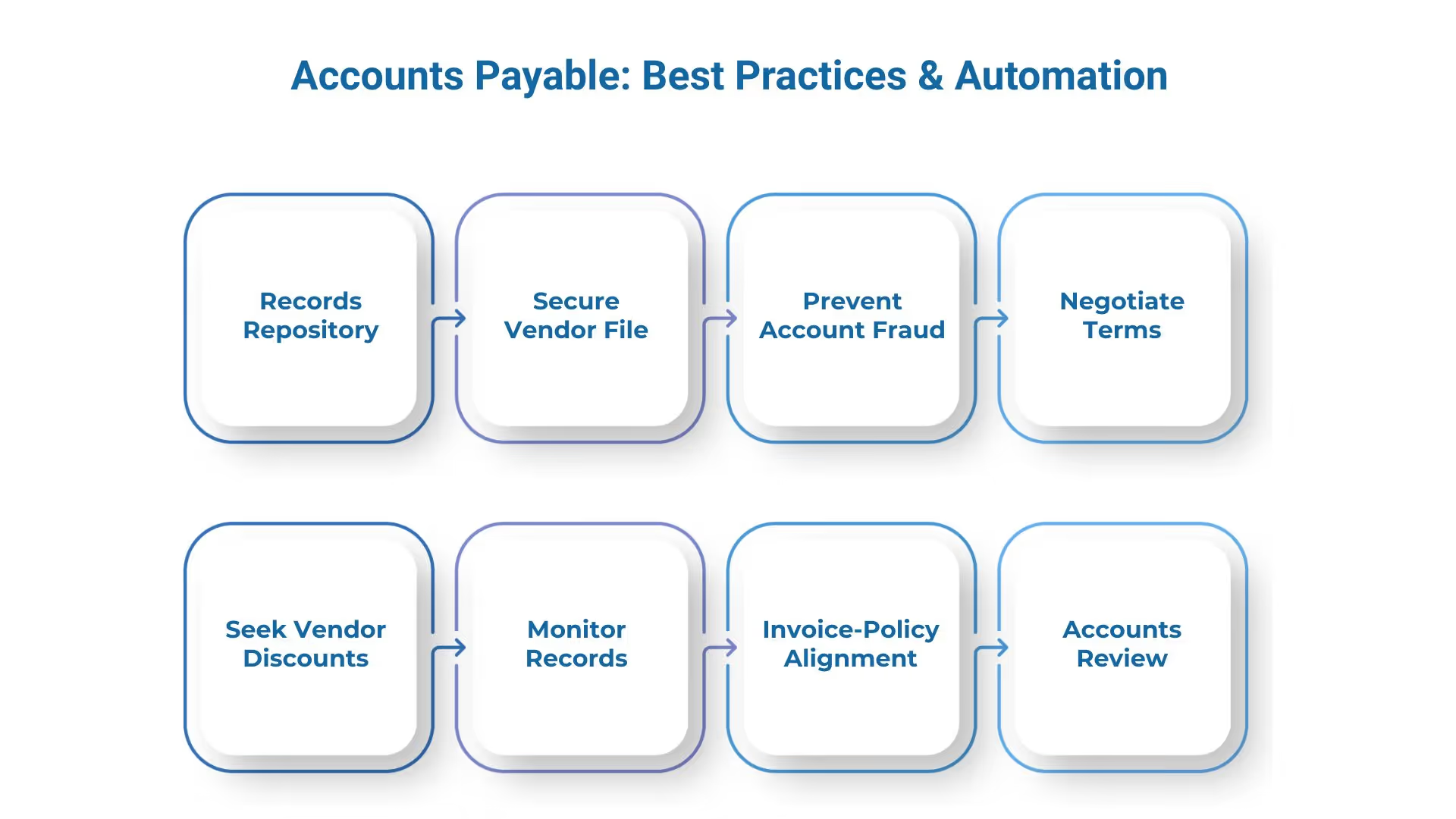
買掛金(AP)手続きを効果的に管理することは、円滑なキャッシュフローを確保し、ベンダーとの強固な関係を維持するために重要です。しかし、企業では請求書の紛失、誤ったデータ入力、支払いの遅延などが頻繁に発生し、業務に支障をきたすことがあります。ベストプラクティスを導入し、自動化ツールを活用することで、APプロセスを合理化し、効率を高め、エラーを最小限に抑えることができます。
1. Centralized Repository for Records: Maintaining a central repository for your AP documents is essential for smooth operations. This allows you to store and access all vendor records, payment receipts, and invoices in one place, reducing the chances of lost or misplaced documents.
2. Restrict Access to the Master Vendor File: Limiting access to your Master Vendor File helps prevent unauthorized changes. Only authorized personnel should have access to this sensitive information to ensure data integrity and avoid fraud.
3. Prevent Fraudulent Vendor Accounts: Regularly check for any suspicious vendor activity. By running fraud prevention checks, such as verifying new vendor accounts, you can identify and prevent fake accounts before they cause damage.
4. Negotiate Favorable Payment Terms: Work with your vendors to negotiate payment terms that benefit your cash flow. Longer payment terms can help ensure you have sufficient funds for other business operations before settling vendor invoices.
5. Seek Vendor Discounts: Whenever possible, take advantage of early payment discounts offered by vendors. These discounts can significantly reduce the cash your business needs to pay, contributing to overall cost savings.
6. Monitor for Duplicate Records: Set up alerts for duplicate entries in your AP system. This ensures you don't accidentally pay the same invoice twice, which can lead to unnecessary expenses.
7. Invoice Matching with Policy: Always ensure that invoices match your company's payment policies. If there are discrepancies, such as incorrect amounts or details, investigate the cause and resolve it promptly to avoid payment delays.
8. Daily Review of Accounts: Conduct a daily review of your accounts payable. This helps you stay on top of payments, ensuring that all transactions are processed on time and discrepancies are identified early.
Implementing these best practices and leveraging automation will help you optimize your accounts payable process, ensuring accuracy, efficiency, and better cash flow management.
Now that we've covered key practices to optimize your AP processes, let’s move on to ensuring compliance with tax regulations and record-keeping laws.
Staying compliant with tax regulations and record-keeping laws is fundamental to your accounts payable (AP) procedures. It ensures that your business avoids legal penalties and remains in good standing with authorities. These regulations differ from country to country but share some key universal requirements that every business must adhere to.
By establishing a solid process for managing these compliance requirements, you ensure that your financial operations remain transparent and uninterrupted.
Adopting a structured, automated approach is key to maintaining compliance without adding unnecessary burden to your team.
Together, these strategies ensure compliance and streamline your accounts payable procedures, making them more efficient and error-free.
Now that we’ve covered compliance and process improvements, let’s explore the many benefits that come with optimizing your accounts payable system.
Optimizing your accounts payable (AP) procedures brings several advantages, improving both your financial operations and supplier relationships.
Optimizing your accounts payable procedures ensures compliance, enhances operational efficiency, and strengthens supplier relationships, ultimately contributing to the long-term financial health of your business.
Now, let's explore some of the common challenges faced in accounts payable processes and how to overcome them effectively.
Addressing common challenges like late payments, fraud, and data entry errors is key to maintaining an efficient AP system.
Addressing these challenges head-on through automation and vigilant monitoring helps you maintain a seamless and efficient accounts payable process.
Efficient accounts payable (AP) management is essential for smooth cash flow and strong vendor relationships. At VJM Global, we help small to mid-sized businesses using cloud software like QuickBooks, Xero, and Gusto optimize their AP processes. Our strategies focus on accuracy, compliance, and operational efficiency.
At VJM Global, we turn AP management into a strategic advantage, guiding you to optimize workflows and improve financial control.
Ready to optimize your AP management? Book a consultation today and see how our solutions can streamline your AP processes.

.avif)


