


Thinking about expanding your business to India? While the potential rewards are immense, the cost of setting up an entity can catch even the most prepared U.S. investors off guard.
Tackling the financial side of establishing a business in India can be tricky, from complex registration processes to compliance hurdles. The last thing you need is to be surprised by hidden fees or unexpected expenses as you move forward with your expansion.
This blog will explain the true costs of setting up a business entity in India, covering everything from legal fees to regulatory requirements. We’ll also show you how U.S. companies can streamline the process and avoid common pitfalls. Let’s jump in.
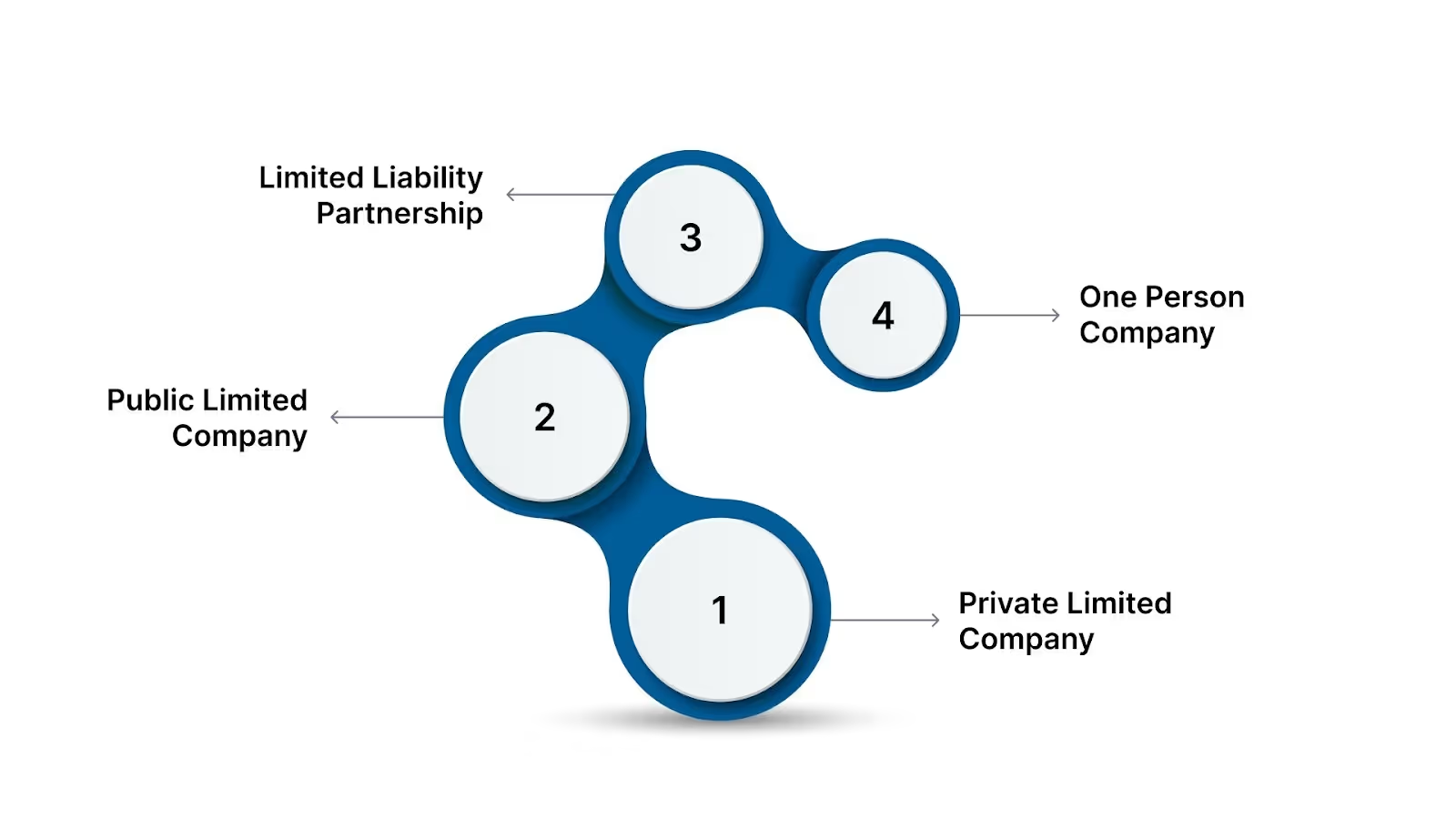
Alt text: Types of Company Structures in India
When setting up a business in India, the type of company structure you choose directly influences the registration process, fees, and compliance requirements. Here are the most common options:
This is the most popular choice for startups and growth-oriented businesses, especially those seeking investors. A Pvt. Ltd. offers limited liability protection, meaning your personal assets are safeguarded if the business incurs debts.
A Public Limited Company is suitable for larger businesses looking to raise capital from the public through stock offerings. This type requires a more complex setup, with more directors, higher authorized capital, and detailed documentation.
The LLP structure is ideal for small service-based businesses, consultants, and professionals. It combines the flexibility of a partnership with the benefits of limited liability.
The OPC model is designed for solo entrepreneurs who want the benefits of a corporate structure with fewer compliance requirements. It's perfect for U.S. founders looking to enter India on their own.
Choosing the right company structure in India is crucial for aligning with your business goals and ensuring smooth operations.
あわせて読みたい:2025年に少額資金でビジネスを始める方法
Now, let's look at the key factors that can influence the costs involved in setting up your business in India.
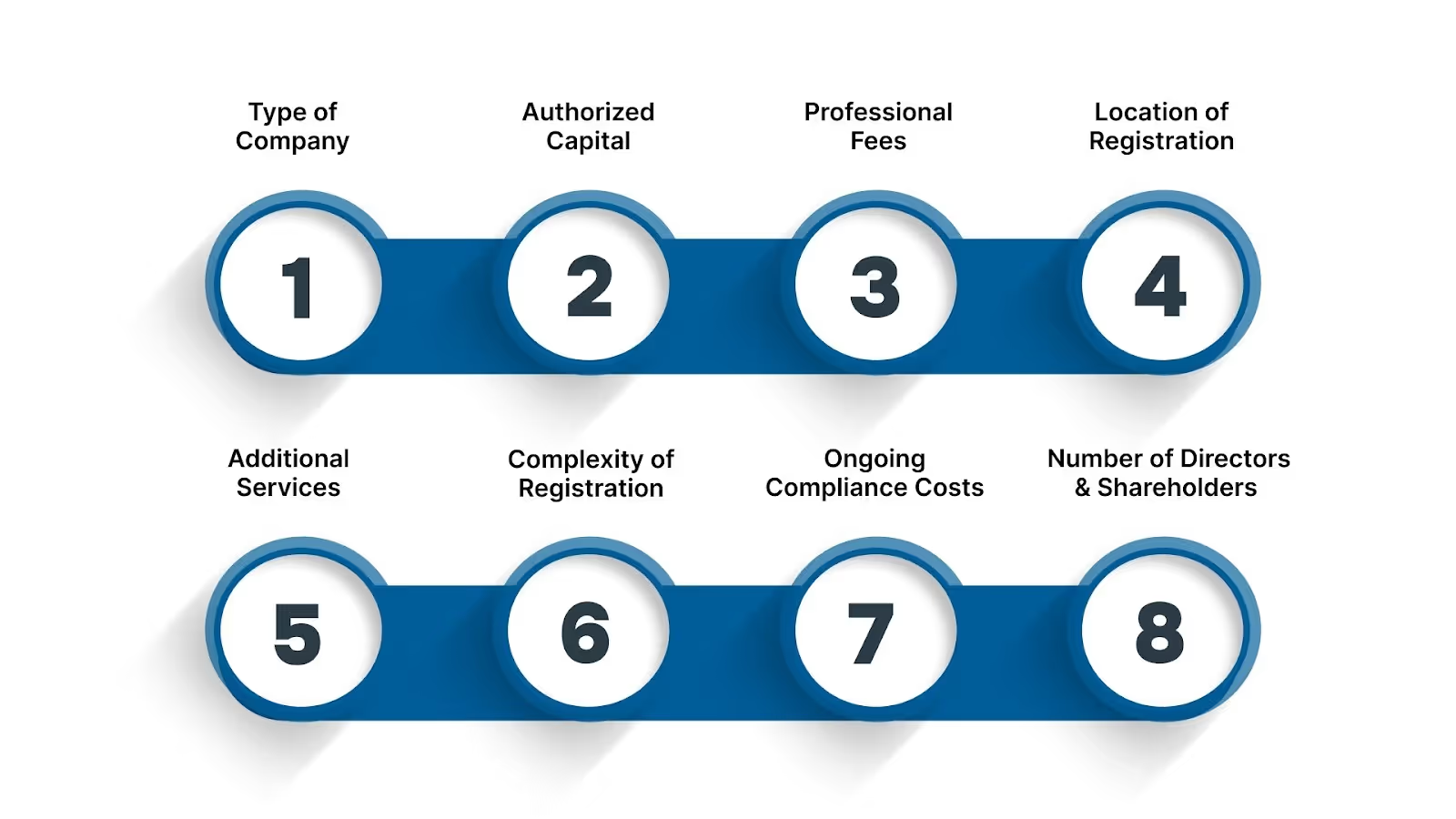
Alt text: Key Factors Influencing Company Registration Cost in India
Setting up a business in India involves various costs, and understanding the key factors that influence these expenses will help you make informed decisions.
A Private Limited Company (Pvt. Ltd.) typically incurs higher costs due to more complex legal and compliance requirements than a Limited Liability Partnership (LLP) or One-Person Company (OPC).
In India, the registration fees increase as the authorized capital rises. For example, if a U.S.-based tech startup registers with an authorized capital of ₹50 lakh, the government fees will be higher than those for a smaller business with minimal capital.
Hiring professionals such as chartered accountants, company secretaries, and legal consultants increases costs. For example, expert legal advice on setting up a subsidiary or branch office in India will increase the total cost.
The state where you register your company affects the overall cost. Different states in India have varying fee structures, stamp duties, and compliance costs.
For instance, registering a company in Mumbai (Maharashtra) tends to be more expensive due to higher stamp duties and administrative costs than in smaller cities like Surat (Gujarat), where fees may be lower.
In addition to the core registration process, there are other mandatory compliance requirements that add to the cost. These include obtaining Director Identification Numbers (DINs), Digital Signature Certificates (DSCs), and legal documentation such as company name approval.
The complexity of your business structure can also impact costs. If your company has multiple directors, shareholders, or a unique business model, the registration process may require additional documentation, consultations, and legal advice.
Ongoing compliance costs, including annual filings, statutory audits, and professional services for tax filing, will also add to your operating expenses. These costs need to be factored into your long-term budget to ensure smooth business operations in India.
The number of directors and shareholders can increase the complexity of the registration process. More directors or shareholders mean additional legal documentation and higher professional fees.
Understanding these nuances of the Indian registration domain ensures a smoother transition and better financial planning for your expansion.
あわせて読みたい:米国からインドで会社を設立するために必要な書類
Now that you've got an idea of the factors, let’s take a closer look at the specific costs you'll encounter when registering your company.
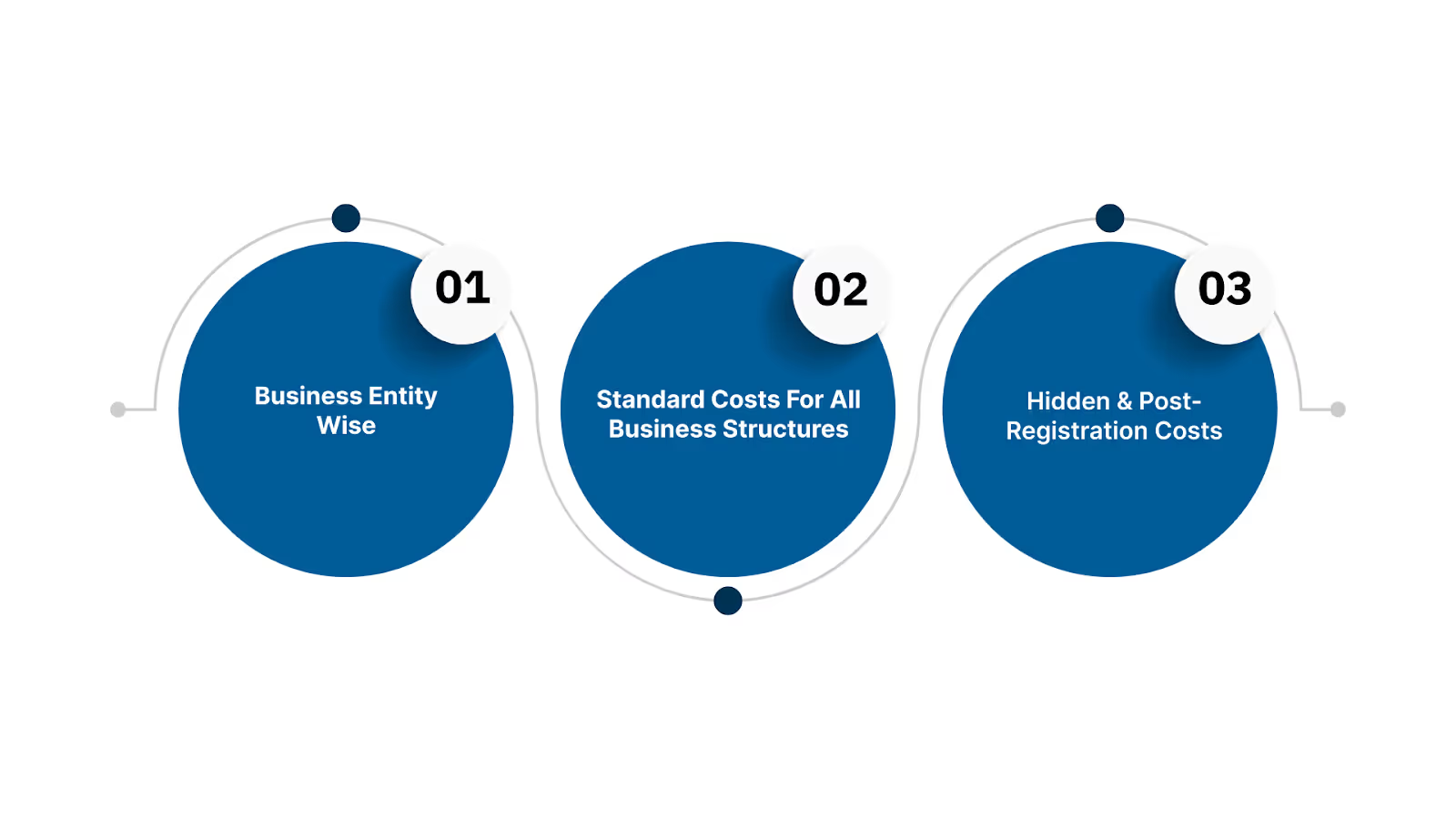
Alt text: Key Costs Involved in Company Registration
Understanding the key costs involved in registering a company in India is crucial for U.S. businesses to make informed decisions and plan their expansion budgets effectively.
インドで会社を設立する場合、選択する事業形態によって費用が大きく異なります。一般的な事業形態に関連する費用の内訳は以下の通りです。
非公開有限会社(Pvt Ltd company)は、スタートアップや中規模企業にとって最も一般的な形態です。詳細な費用内訳は以下の通りです。
推定総費用:12,000ルピー~30,000ルピー(GST別)
LLP(有限責任事業組合)は、パートナーシップの利点と有限責任保護を組み合わせたもので、専門サービス業や小規模企業に適しています。
推定総費用:6,000ルピー~15,000ルピー
OPC(一人会社)は、複雑な手続きを避けつつ、有限責任と法人格のメリットを享受したい個人事業主に最適です。
推定総費用:9,000ルピー~23,000ルピー
公開有限会社は、公募による資金調達を検討している大規模企業に適しています。規制要件が厳しいため、設立費用が最も高額になります。
推定総費用:50,000ルピー以上
この詳細な内訳が、ビジネスの目標に最適な事業形態を選択し、費用を把握する一助となれば幸いです。
インドで事業を登録する際には、どの事業形態であっても共通して発生する標準的な費用がいくつかあります。
各取締役またはパートナーはDSCを取得する必要があり、費用は通常1,000ルピーから2,000ルピーです。DSCの有効期間は2年で、登録手続きを完了するために必須となります。
すべての取締役は、企業省(MCA)が発行する固有の取締役識別番号(DIN)を取得しなければなりません。DIN取得費用は取締役1名につき500ルピーです。一度発行されたDINは永久的なものであり、更新の必要はありません。
会社を登録する前に、企業省(MCA)から会社名の承認を得る必要があります。この承認は登録プロセスにおける重要なステップであり、費用は1,000ルピーです。
Stamp duty is levied on key documents like the Memorandum of Association (MOA), Articles of Association (AOA), and LLP Agreements. Generally, the costs range from ₹1,000 to ₹5,000.
The Registrar of Companies (ROC) charges a fee based on the type of company you’re registering and the authorized capital. For private limited companies, the ROC fee typically ranges from ₹3,000 to ₹10,000. However, for One-Person Companies (OPCs) and LLPs, the fees are generally much lower.
A Permanent Account Number (PAN) and Tax Deduction and Collection Account Number (TAN) are essential for tax purposes. These applications can be completed at a cost of ₹443.
Professional fees typically range from ₹5,000 to ₹25,000, depending on the complexity of your business setup. Additionally, incidental charges such as document printing, courier services, and notarization can add ₹500 to ₹2,000 to the overall cost.
These standard costs are applicable to all business structures and form the foundational expenses when setting up your business in India.
While the initial registration costs may seem clear, there are several hidden and post-registration costs that U.S. businesses must consider to avoid any surprises down the line. Here's a breakdown of the key costs to plan for:
Every registered company is required to file annual returns with the Registrar of Companies (ROC). Specialist assistance is often needed for these filings, which can cost between ₹5,000 and ₹15,000 each year, depending on their complexity.
Depending on the size and revenue of your business, you may need to file income tax returns, GST forms, and undergo a statutory audit. These services are charged separately, and fees can range from ₹10,000 to ₹50,000 annually, depending on your company's turnover and complexity.
You may need to register for additional compliance requirements:
Failing to meet deadlines for annual reports or tax filings can result in penalties. Charges for late filing can go up to ₹100 per day, which can add up quickly if you miss deadlines.
After registration, ongoing compliance is required, including annual filings, statutory audits, and regulatory compliance. These costs range between ₹5,000 to ₹20,000+ annually, depending on your company type and revenue.
Deciding between online and offline company registration can impact your overall costs and convenience:
If your company name is rejected or there are errors in your application, you may need to pay resubmission charges. This can be an unexpected cost if your initial submission doesn’t meet all requirements.
In some cases, documents need to be notarized, especially if submitted offline or from outside India. Notarization can cost between ₹200 and ₹1,000 per document.
If you're working remotely with a chartered accountant (CA) or company secretary (CS), you may need to courier physical documents. Printing and couriering documents add small but important costs that should be accounted for.
While opening a business account is usually free, some banks may require a minimum balance ranging from ₹5,000 to ₹25,000, depending on the type of account you open.
By accounting for these costs early in the process, investors can streamline their setup and avoid unexpected expenses, ensuring a smooth entry into the Indian market.
With all this in mind, here are some strategies to help you reduce your company’s registration costs and make the process as cost-effective as possible.
Expanding your U.S.-based business to India can be an exciting opportunity, but understanding how to reduce registration costs is essential for a cost-effective entry.
Strategically planning and utilizing the right services can minimize your registration expenses and set your business up for long-term success in India.
Expanding your U.S.-based business into India offers exciting growth opportunities, but understanding the associated costs is crucial to success. Remember, costs don’t stop at registration; ongoing compliance and post-registration expenses need to be factored into your financial plan.
At VJM Global, we specialize in helping U.S. businesses tackle the complexities of setting up in India, while keeping costs in check. Here’s how we can help:
Ready to make your India expansion seamless and affordable? Reach out to VJM Global today!
Yes, a virtual office provides a registered business address without the high costs of physical office space. It reduces rental, setup, and overhead expenses while fulfilling legal registration requirements, making it ideal for startups and remote businesses.
E-form SPICe (Simplified Proforma for Incorporating Company electronically) is a government-approved form used to register a company in India. It allows you to apply for company incorporation, Director Identification Number (DIN), PAN, TAN, and GST in an integrated form through the MCA portal.
After registration, companies must hold board meetings, appoint auditors, file annual returns (Form MGT-7), submit financial statements (Form AOC-4), and conduct statutory audits. Directors must disclose their interests, and an Annual General Meeting (AGM) must be held within six months of the financial year-end.
You can reduce ongoing compliance costs by outsourcing non-core functions like payroll and utilizing government programs like Startup India for tax exemptions.
Yes, a U.S.-based business can register in India without being physically present. The entire registration process can be completed online through the MCA portal, and most documentation can be handled remotely with the help of legal and accounting professionals.

.avif)


