

.avif)
The business setup in India is thriving, fueled by the Indian government’s push towards digitization and the increasing need for secure online transactions. For U.S.-based entrepreneurs and businesses, India’s rapid digital shift offers a compelling opportunity to enter the DSC market.
As businesses and individuals alike welcome digital transformation, offering Digital Signature Certificates (DSCs) presents an excellent business opportunity. For U.S.-based entrepreneurs and companies, this environment presents a compelling opportunity to enter the digital signature market through business setup in India's digital signature services.
In this blog, we’ll guide U.S. businesses through the complete process of establishing a digital signature business in India. We’ll cover the significance of Digital Signature Certificates (DSCs), the regulatory requirements, and the steps to obtain the necessary certifications and licenses.
We’ll also outline alternative entry models, such as the commission-based Registration Authority (RA) model, which allows foreign businesses to start operations without undergoing the full Certifying Authority (CA) licensing process.
Setting up a digital signature business in India can open new opportunities for U.S. companies seeking to offer secure authentication solutions in a fast-growing digital economy. Understanding the regulatory requirements and documentation is crucial for a smooth business setup in the India digital signature sector.
A Digital Signature Certificate (DSC) is a secure digital key used to verify the identity of individuals and organizations during online transactions. In India, DSCs are recognized under the Information Technology Act, 2000, and are legally equivalent to handwritten signatures for most official and business purposes. They are required for filing taxes, signing contracts, submitting government forms, and conducting various business activities online.
Now that we've outlined the importance of Digital Signature Certificates and the regulatory framework, let's look at the key benefits of starting a digital signature business in India, where there is substantial market potential.
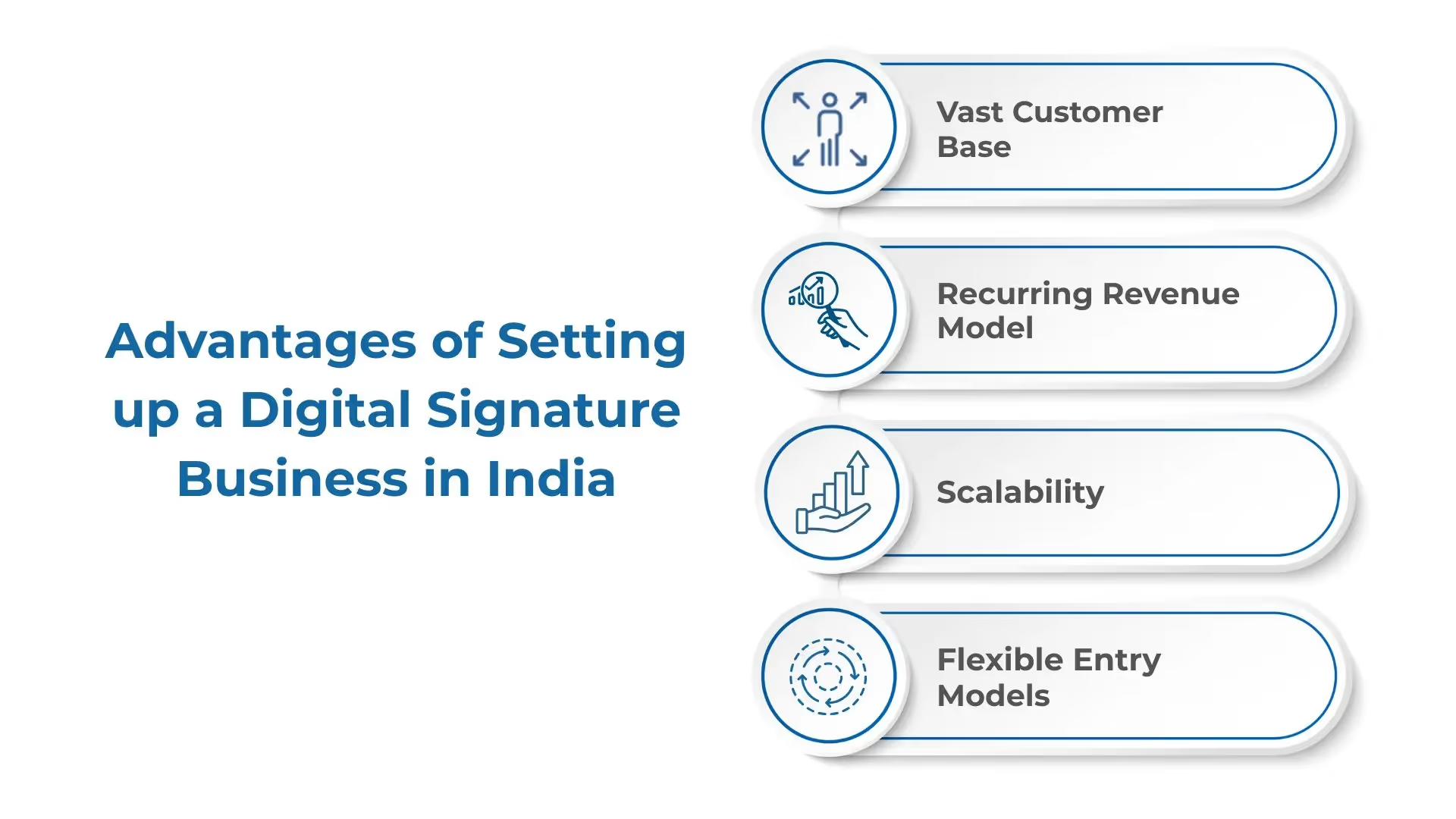
India’s e-commerce market is expanding rapidly, with projections showing it will reach $200 billion by 2026. This growth, combined with the Indian government's push for digital transactions through initiatives like Digital India, creates a significant opportunity for U.S.-based businesses to provide digital signature services by setting up operations or forming local partnerships.
Government Push for Digital Transactions: Initiatives like Digital India are pushing for digital transactions, further increasing the demand for Digital Signature Certificates (DSCs).
India’s market includes individuals, SMEs, large enterprises, and government organizations. DSCs are used for tax filings, e-invoicing, compliance, and digital contracts. U.S. companies entering this space can serve both retail and B2B customers, supporting compliance and onboarding for a wide range of clients.
The recurring revenue model for digital signature businesses is one of the most compelling aspects of this industry. Digital Signature Certificates (DSCs) are valid for a period of 1-2 years, which creates a continual need for renewals.
This ensures that businesses offering DSC services enjoy long-term, recurring income from each customer. As businesses and individuals are required to renew their certificates periodically to remain compliant with regulations and continue utilizing digital platforms, the revenue stream becomes predictable and stable over time.
India’s digital signature market is forecast to grow at a CAGR of over 35% through 2032, with demand rising in e-commerce, government, banking, and healthcare. U.S. businesses can scale operations quickly by partnering with local entities or expanding service offerings as digital adoption increases.
U.S. companies do not need to become licensed Certifying Authorities to participate. By becoming a Registration Authority (RA) Partner under the commission model approved by India’s Controller of Certifying Authorities, U.S. firms can enter the market with lower regulatory hurdles, focusing on sales, onboarding, and support.
インドでは税務システム、規制当局への届出、公共サービス全般でデジタル化が進んでおり、インド市場への参入を目指す米国企業は、認定パートナーとの連携やコミッションベースの再販モデルを活用することで、インド国内での事業を拡大することが可能です。
デジタル署名証明書の重要性と規制の枠組みについて解説しましたので、次は市場の潜在性が高いインドでデジタル署名ビジネスを始める主なメリットについて見ていきましょう。
インドのデジタル署名市場は、政府の取り組みと安全なオンライン取引へのニーズの高まりを背景に急速に成長しています。米国を拠点とする起業家や企業にとって、インドのデジタル署名セクターへの参入は、拡大するデジタル経済への有望な足がかりとなります。ここでは、最新のコミッションベースのRA(登録局)モデルにおける重要なアクションを含め、米国企業向けにカスタマイズしたステップバイステップガイドを紹介します。
インドでのビジネス展開、特に電子署名に関連する最適なモデルについてお悩みですか? VJM Globalまでお問い合わせください。 規制コンプライアンス、戦略的パートナーシップ、円滑な市場参入に関する当社の専門知識を活用し、貴社に最適な参入オプションをご提案します。
次に、提供可能な電子署名サービスのタイプと、ターゲットとすべき潜在的な市場セグメントについて見ていきましょう。
Also Read: Company Registration Cost in India Explained
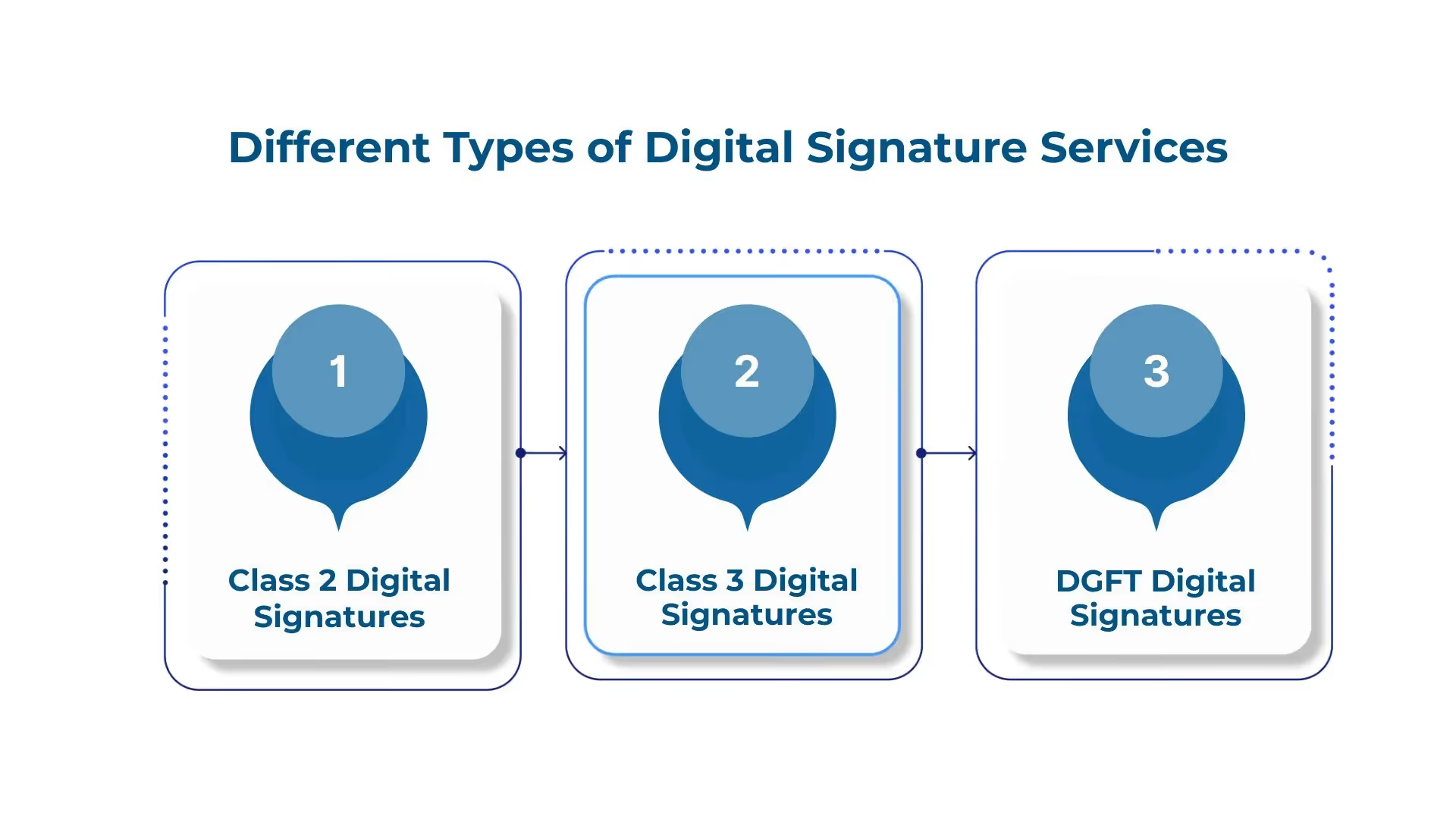
インドで電子署名ビジネスを立ち上げる際は、多様な顧客ニーズに応えるために幅広いサービスを提供することが不可欠です。提供できる電子署名には主に「Class 2」「Class 3」「DGFT」の3種類があり、それぞれ目的や顧客の要件が異なります。これらの署名タイプの違いを理解することで、ターゲット市場のニーズに合わせたサービス展開が可能になります。
Class 2電子署名は、主に所得税申告、電子書類の提出、および高度なセキュリティを必要としないビジネス取引に使用されます。この電子署名は中程度のセキュリティレベルを提供し、税務申告や年次報告書などのサービスで電子署名を必要とする個人や中小企業に適しています。Class 2署名は、企業や専門家が所得税局の要件を遵守する際に一般的に利用されています。
主な用途:
Class 3電子署名は、オンライン取引において最高レベルのセキュリティと見なされており、主に重要なEコマースや政府関連サービスで使用されます。この署名は、電子入札(e-tendering)のための書類署名、インド証券取引委員会(SEBI)への提出、および機密情報を扱う企業のデジタル記録など、高度なセキュリティを要する取引を行う際に必要となります。
主な用途:
DGFT(外国貿易総局)電子署名は、国際貿易や輸出入業務に携わる企業に特化したものです。DGFT電子署名は、インドにおける輸出入に関連する登録やライセンス取得に不可欠です。輸出ライセンスの取得、通関手続き、その他のグローバルな貿易活動のために電子申告システムを利用する企業には、この署名が求められます。
主な用途:
提供可能な電子署名のタイプについて理解できたところで、次はインドで電子署名ビジネスを立ち上げる際の主な課題と、その克服方法について見ていきましょう。
関連記事: インドでの流通ビジネスの立ち上げ方:完全ガイド
Starting a digital signature business in India is promising, but it does come with its own set of challenges. Whether you are new to this space or have been operating for a while, understanding the common obstacles will help you take the right steps to overcome them.
The digital signature industry in India is regulated under the Information Technology Act, 2000. Keeping up with the ever-evolving laws, including maintaining compliance with the Controller of Certifying Authorities (CCA) guidelines, can be a challenge. For businesses involved in offering digital signatures, staying on top of changing regulations, ensuring compliance, and meeting customer expectations can be resource-intensive.
Tips:
With the rise of e-commerce and digital transactions, the digital signature market is becoming highly competitive. Many companies are offering similar services, leading to price wars and low margins for new entrants. To stand out, you must offer personalized services, educational content, and clear differentiation in your marketing.
Tips:
As a relatively new concept, digital signatures require trust, especially when dealing with sensitive data. Ensuring that customers feel confident in your service offering is essential for long-term success. Educating potential customers about the importance of digital signatures and their security implications can go a long way in gaining their trust.
Tips:
One size doesn’t fit all, especially in cross-border business. Get a customized India market entry plan tailored to your budget, business model, and timeline and successfully address these key challenges.
In conclusion, setting up a business in India digital signature is a promising venture, especially with the increasing demand for secure and compliant digital transactions in India. By following the necessary steps, such as registering with the relevant authorities, building the right technology infrastructure, and offering various types of DSCs, you can position your business for long-term success.
At VJM Global, we specialize in helping U.S.-based businesses and entrepreneurs set up operations in India, ensuring seamless compliance with Indian regulations. Whether you’re looking to explore new markets or set up a digital signature service, VJM Global is here to assist you at every step.
Ready to start your digital signature business in India? Get in touch with VJM Global to discuss your requirements and begin your journey today.

.avif)


