Planning a year ahead might sound overwhelming, but that’s exactly where an Annual Operating Plan (AOP) can make life easier. If you're running or managing an AOP business, think of this plan as your team’s game plan for the year. It lays out what you want to achieve, how you’ll get there, and who’s doing what.
What’s the Difference Between an Annual Operating Plan and a Budget?
Both an annual operating plan and a budget focus on your company’s financial structure, but they serve different purposes:
Aspect
Annual Operating Plan
Budget
Purpose
Outlines company goals and planned activities
Details how resources will be allocated to meet goals
Focus
Strategic direction and overall business priorities
Financial limits and spending plans
Function
Sets the roadmap for the year
Establishes realistic financial constraints
Outcome
Defines what needs to be done
Shows how much can be spent and where
The annual operating plan sets your company’s direction, while the budget provides the financial framework to support that direction. Together, they help ensure your business goals are both clear and achievable.
Now that you know the basics and benefits, let’s examine step-by-step how to create a practical and actionable Annual Operating Plan.
How to Make a Yearly Operating Plan?
When you create a solid annual operating plan, you align your entire company on what to focus on for the year ahead. This helps drive growth and improve resource use. While it can be tricky to track resource allocation, especially if your business is growing, an annual operating plan will help you categorize and optimize how you use what you have.
Types of Resources to Consider:
Human resources: Your team is your most valuable asset. Avoid duplicated efforts by clearly defining roles and responsibilities in your plan.
Financial resources: Beyond individual budgets, having transparent discussions about profits, growth, and financial goals ensures everyone understands where the business is headed.
Physical resources: These include everything from your office space and hardware to software tools. Knowing how these fit into your operations is key to effective resource management.
Educational resources: Continuous learning is vital. Even with high demands, investing in skills development supports sustainable growth.
Need expert support with your annual operating plan? VJM Global offers comprehensive Accounting and Bookkeeping Outsourcing services designed to keep your financial reporting, reconciliations, and budgeting on track. Let our skilled team help you streamline your financial operations so you can focus on growing your business.
Let’s now review the essential components of an effective AOP.
Components of an Annual Operating Plan
When building your annual operating plan, it is important to include key components that will guide your company throughout the year. These components help you stay organized and focused on what matters most. Here are the main elements you should include:
Financial projections Include revenue forecasts and detailed expense budgets to give a clear picture of your expected financial performance.
Strategic initiatives Outline the key projects and actions that will help you achieve your long-term business goals.
Operational goals Define your goals using the SMART framework, making sure they are Specific, Measurable, Achievable, Relevant, and Time-bound.
Resource allocation Clearly plan how you will distribute your human, financial, and technological resources to support your objectives effectively.
By including these components in your annual operating plan, you create a solid foundation for your business decisions and tracking progress throughout the year.
After that, we’ll cover how to implement and monitor your plan.
Implementing and Monitoring the Annual Operating Plan
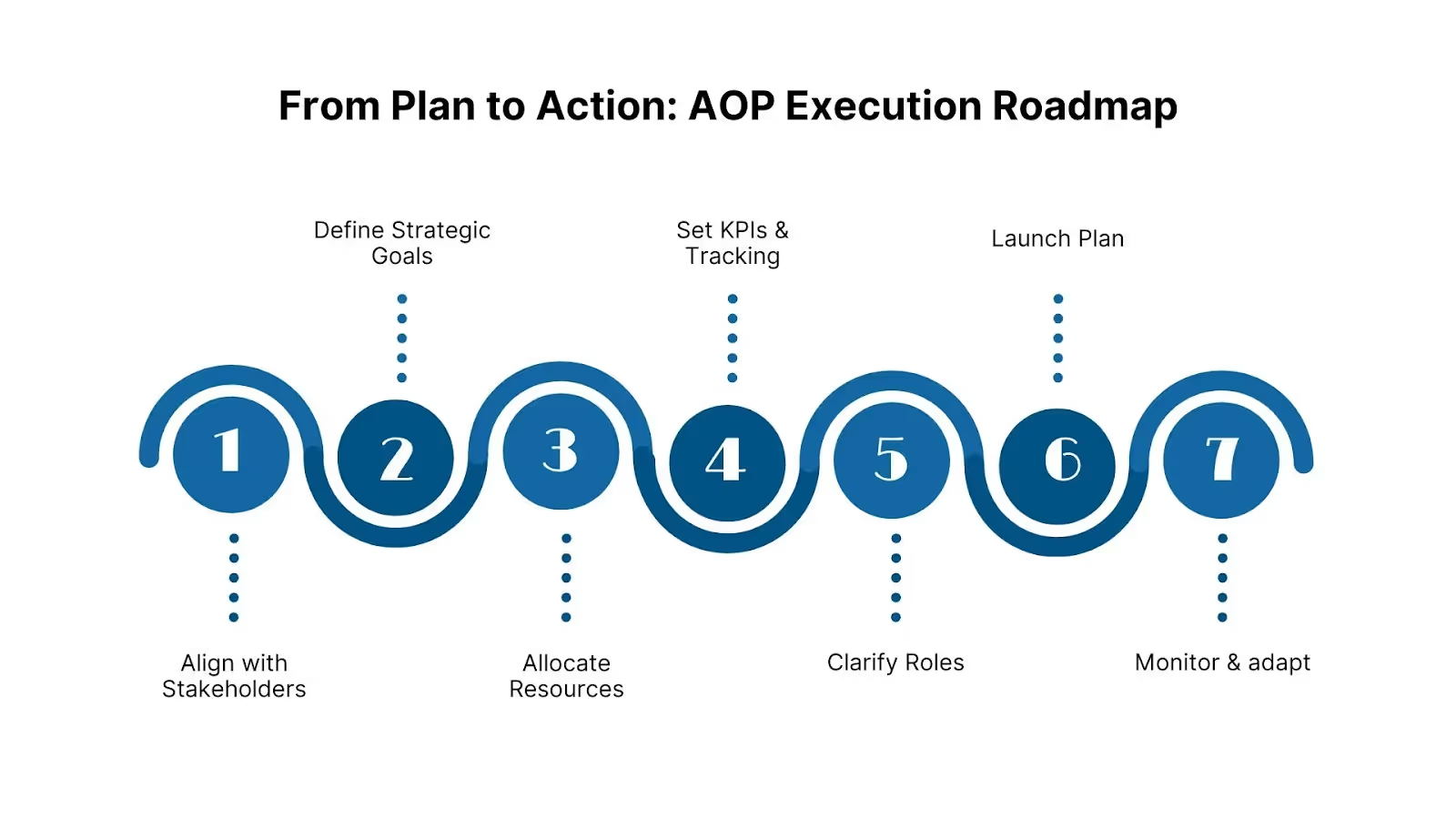
To make your annual operating plan effective, you need to focus on execution and ongoing monitoring. Here are the key steps to implement and keep your AOP on track:
Assign roles and responsibilities Clearly define who in your organization is responsible for each part of the plan to ensure accountability.
Execute the plan with regular check-ins Schedule frequent meetings to review progress and make adjustments as needed.
Continuously monitor progress using KPIs Use Key Performance Indicators to track how well the plan is being followed and whether goals are being met.
Adapt to changes and unexpected challenges Stay flexible and ready to modify the plan when new opportunities or obstacles arise.
By following these steps, you can keep your annual operating plan dynamic and aligned with your business goals.
Next, it’s important to be aware of common challenges you may face.
Challenges in Developing and Implementing an Annual Operating Plan
Creating and executing a successful annual operating plan involves navigating several challenges. Being aware of these can help you prepare and respond effectively:
Creating a solid Annual Operating Plan is essential for keeping your business focused and aligned throughout the year. It helps you manage resources wisely, track progress clearly, and adapt quickly to changes. With a well-crafted plan, you can confidently steer your business toward success.



.avif)
.avif)

.avif)


