
オーストラリア企業のインド進出:初心者向けガイド

公開日:
July 2, 2024

目次

お問い合わせ
ありがとうございます。送信が完了しました。
送信中にエラーが発生しました。

ワンストップで、
グローバルな解決策を

確かな自信と明瞭な視点で、クロスボーダービジネスを支援します。
相談を予約する

Expanding your Australian business into India can open the door to incredible opportunities. With bilateral trade between the two countries hitting US$24.105 billion in 2024-25, the potential for growth is undeniable. 

Thanks to the India-Australia Economic Cooperation and Trade Agreement (ECTA), over 85% of Australian exports to India are now tariff-free, and this is set to reach 90% by 2028.

However, tackling the Indian market can feel overwhelming, especially when it comes to understanding local regulations, tax requirements, and setting up operations. 

This guide will walk you through everything from the legal steps to the key strategies for a successful market entry. If you're an Australian business looking to expand to India, this blog will provide the clarity and actionable insights you need to make it happen.

Key Takeaways

  • India’s Growth Potential: India offers vast market opportunities with a population of over 1.4 billion and growing consumer demand, making it an ideal destination for Australian businesses.
  • Government Support: India’s government actively promotes foreign investment, offering tax benefits and simplified regulations through initiatives such as Make in India and the Ease of Doing Business reforms.
  • Business Structures: Australian companies can choose from various business structures in India, including Private Limited Companies, LLPs, and Branch Offices, depending on their expansion goals and operational needs.
  • Required Documentation: Key documents include a Director Identification Number (DIN), a Digital Signature Certificate (DSC), Articles of Association (AoA), and a local registered office address in India.
  • Compliance and Registration Process: The company registration process involves multiple steps, like name approval, obtaining PAN and TAN numbers, GST registration, and complying with local FDI regulations.

Advantages of Setting Up an Australian Business in India

India presents a wealth of opportunities for Australian businesses, making it an ideal market for expansion. Here’s why:

  • Market Access: India’s growing population of over 1.4 billion and rising purchasing power offer vast market potential. For Australian companies in sectors like tech, retail, and services, this provides a valuable consumer base to tap into.
  • Cost Efficiency: With affordable labor, low office rental costs, and lower infrastructure costs than in Western countries, your operational expenses can be significantly reduced.
  • Strategic Location: Located in South Asia, India provides easy access to neighboring emerging markets, including Southeast Asia, the Middle East, and Africa, expanding your business's global reach.
  • Government Support: India’s government actively supports foreign businesses with subsidies and simplified regulations, making it easier for Australian companies to establish and grow their operations.
  • Skilled Workforce: India’s workforce is large, youthful, and highly skilled, especially in sectors like IT, engineering, and manufacturing. With a median age of 28, your business can access a dynamic and affordable talent pool.
  • Favorable Tax System: India’s comprehensive tax system makes business operations smoother and ensures clarity on tax compliance. 
  • Business-Friendly Laws: India has introduced several reforms to simplify the business environment, such as the Goods and Services Tax (GST) and updated corporate laws. 

The country also offers several tax treaties to reduce double taxation and lower withholding tax rates, making cross-border operations cost-effective.

With its business-friendly laws and strong government support, expanding to India is a strategic move that can drive long-term success for Australian businesses.

Now that you understand the advantages, let's explore the key considerations to ensure a smooth setup process in India.
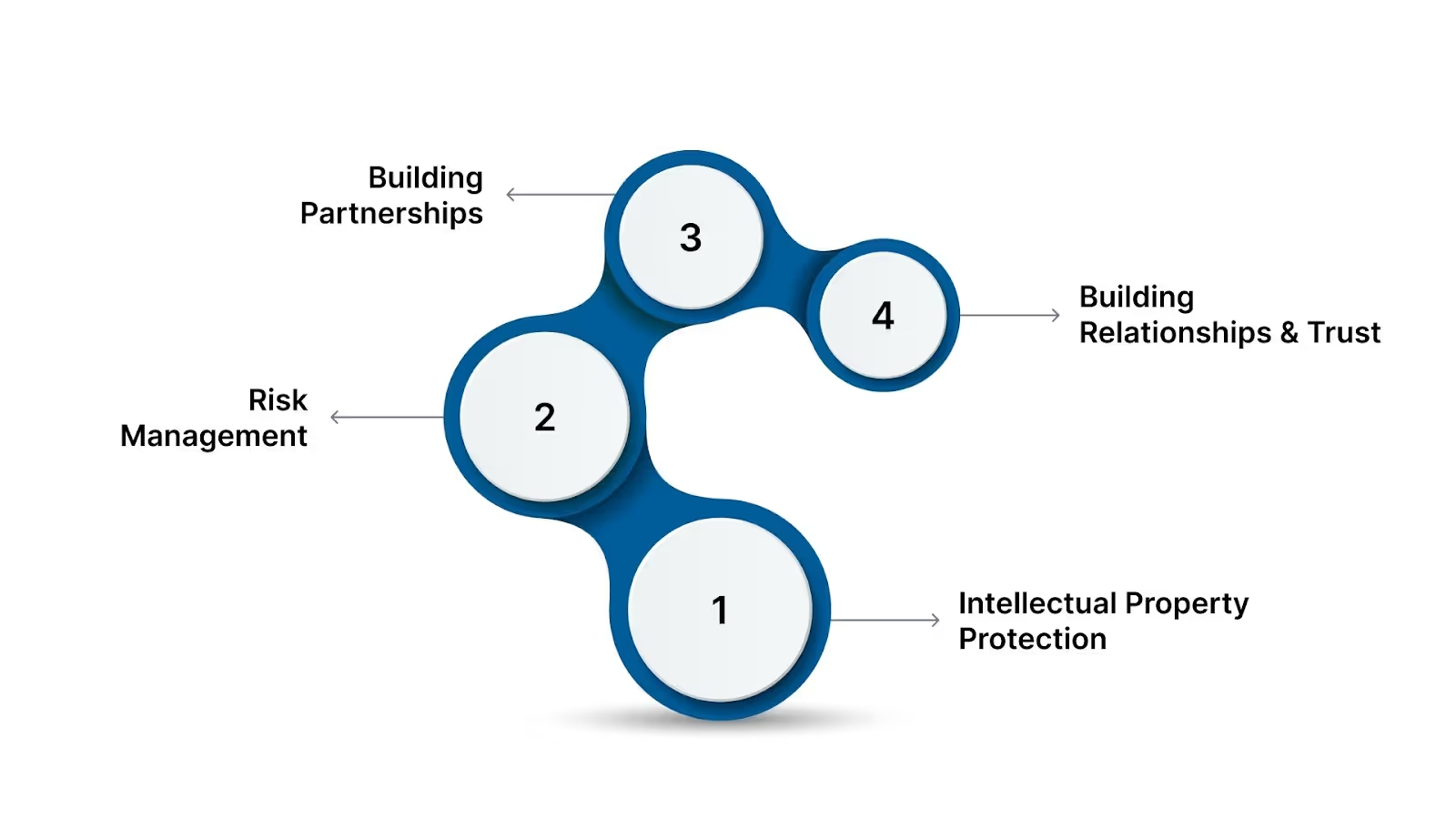
Key Considerations for Australian Business Setup Services in India

Key Considerations for Australian Business Setup Services in India

Alt text: Key Considerations for Australian Business Setup Services in India

Setting up an Australian business in India involves managing key legal and operational differences. Here’s what you need to know:

  • Intellectual Property Protection: Safeguarding your intellectual property is critical. Ensure that Indian laws adequately protect and register your copyrights, patents, and trademarks to avoid infringement.
  • Risk Management: Identifying and mitigating potential risks, including market competition and economic shifts, will help protect your business in the long run.
  • Building Partnerships: Establishing strong partnerships through joint ventures or strategic alliances can provide valuable insights, networks, and market access, boosting your business growth.
  • Building Relationships and Trust: Building local connections is often more important than initial transactions. Australian companies may need to adjust their approach by investing time in relationship-building, which is a long-term yet effective process in India.

These considerations are critical in ensuring a successful and compliant business setup in India, making the entry process smoother and more efficient.

With the right considerations in mind, the next step is to gather the necessary documents to register your business officially in India.

What Are the Documents Required to Start a Company in India from Australia?

Registering a company in India as an Australian business requires careful attention to documentation and legal compliance. Here's a breakdown of what you'll need:

  • インドの登録住所:公式な連絡先として、インド国内の物理的な住所を提供する必要があります。オフィスがない場合、法的基準を満たしていればバーチャルオフィスでも可能です。
  • 取締役識別番号(DIN)
  • 電子署名証明書(DSC)
  • 身分証明書
  • 定款(AoA)および基本定款(MoA)
  • PAN、TANおよびGST登録:設立後、以下を申請してください:
    • PAN(恒久的アカウント番号)
    • TAN(源泉徴収・徴収アカウント番号)
    • GST登録(売上高に基づき、事業活動で必要な場合)
  • FDI規制の遵守:貴社の事業は、インドの外国直接投資(FDI)政策を遵守しなければなりません。一部のセクターでは自動承認によるFDIが認められていますが、それ以外はインド準備銀行(RBI)の事前承認が必要です。
  • 銀行口座の開設

上記のすべての書類と要件を整えることで、貴社はインドで完全にコンプライアンスを遵守し、事業を開始できる状態となります。

あわせて読みたい:米国からインドで会社を設立するために必要な書類

書類の準備が整いましたら、インドでの会社設立手続きを完了させるための明確なステップバイステップガイドをご覧ください。
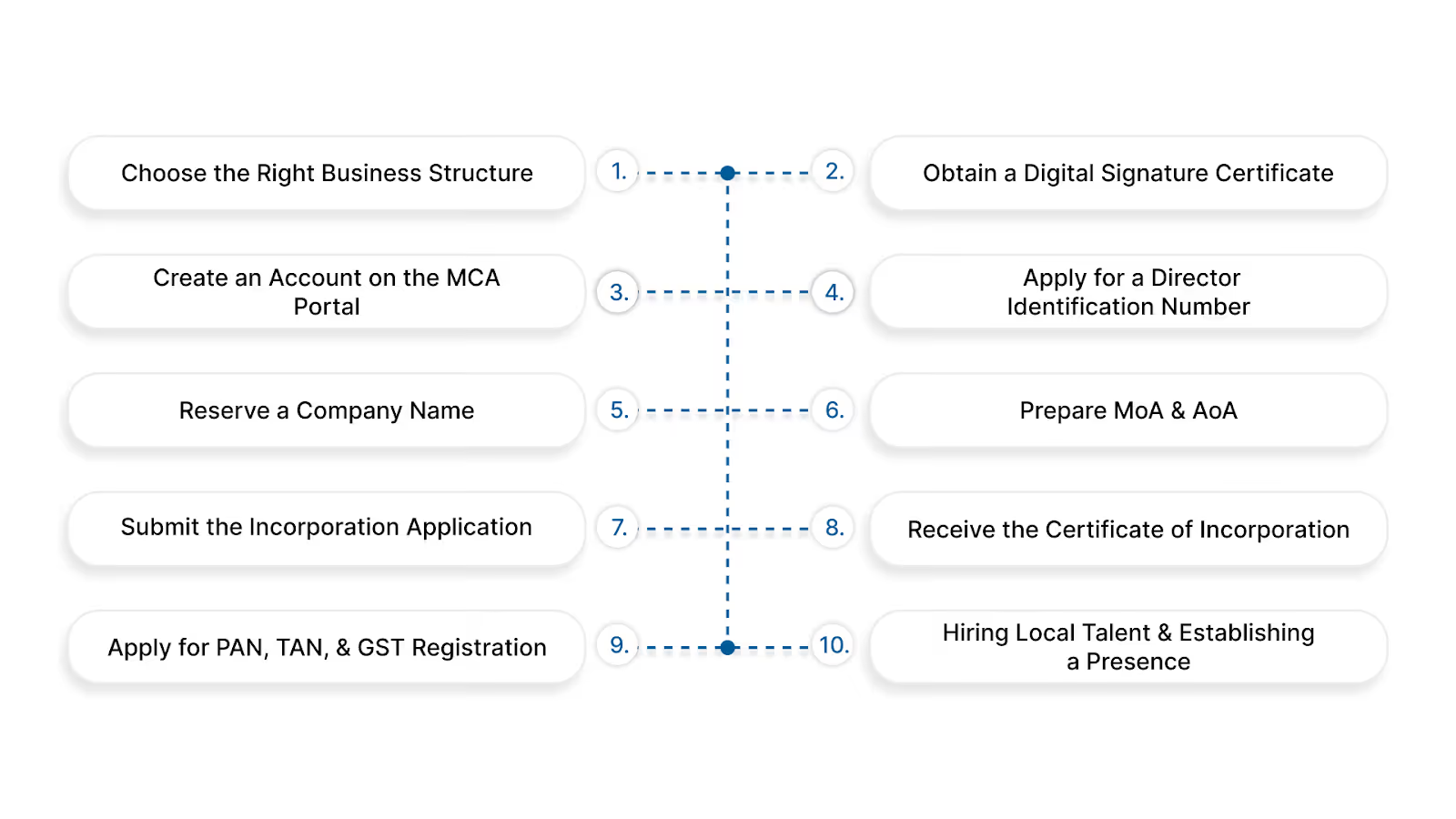
オーストラリア企業がインドに進出するためのステップ

Steps to Setting Up an Australian Business in India

代替テキスト:オーストラリア企業がインドに進出するためのステップ

オーストラリアのビジネスをインドで展開することは大きなチャンスですが、法的に正しく設立するためにはいくつかのステップを踏む必要があります。プロセスを明確かつ効率的に理解するための詳細ガイドを以下にまとめました。

1. 適切な事業形態を選択する

最初のステップは、貴社の目的に合致した適切な事業形態を選択することです。

  • 非公開有限会社(Pvt Ltd):事業拡大、外部資金調達、または有限責任を求める企業に最適です。
  • 有限責任事業組合(LLP):有限責任の保護を受けつつ、運営の柔軟性を求める中小企業(SME)に適しています。
  • 支店:新しい法人を設立せずにインドで事業を拡大したい、すでに確立されたオーストラリア企業向けです。ただし、インド準備銀行(RBI)の承認とFEMA規制の遵守が必要です。

ビジネス設立の専門家に相談することで、どの形態が貴社のビジネスモデルに適しているかを判断できます。VJM Globalの経験豊富なチームがプロセスをサポートし、貴社のニーズと長期的な目標に最適な形態を選択できるよう導きます。

2. 電子署名証明書(DSC)を取得する

電子署名証明書(DSC)は、企業省(MCA)に電子書類を提出する際に必須となります。これはすべての取締役に求められます。DSCは認定認証局(CA)から取得でき、通常1日以内に発行されます。

3. MCAポータルでアカウントを作成する

次に、MCAポータルでアカウントを作成する必要があります。このポータルは、すべてのフォームへのアクセス、書類の提出、およびオンラインでのコンプライアンス業務を管理するために不可欠です。

4. 取締役識別番号(DIN)を申請する

会社のすべての取締役は、取締役識別番号(DIN)を取得しなければなりません。DINを取得するには、SPICe+フォームに記入し、身分証明書を提出します。手続きを進めるには最低2名の取締役が必要であり、そのうち少なくとも1名はインド居住者である必要があります。

5. 会社名を予約する

DINを取得したら、次は会社名を選択して予約します。これはMCAポータルのRUN(Reserve Unique Name)サービスを通じて行えます。政府の規則に抵触する名称を避けるなど、MCAのガイドラインに従っていることを確認してください。

6. 基本定款(MoA)および定款(AoA)を作成する

The MoA outlines the core objectives and business structure, while the AoA sets the internal rules and governance framework of your company. These documents must be prepared and finalized before submission.

7. Submit the Incorporation Application

After preparing the MoA and AoA, submit them along with other required documents via the SPICe+ form to the Registrar of Companies (RoC) on the MCA portal. Double-check the entries and documents for accuracy to avoid delays.

8. Receive the Certificate of Incorporation

Once your application is approved, you will receive the Certificate of Incorporation from the RoC. This confirms that your company is now legally recognized in India. If you're registering a public limited company, you will also need to obtain the Certificate of Commencement of Business before you can begin operations.

Post-Incorporation: What Comes Next?

Once your company is incorporated, there are several post-incorporation steps to keep in mind:

  • Open a Business Bank Account: This is necessary to handle your business finances.
  • Comply with Ongoing Regulatory Requirements: Ensure your company complies with Indian tax laws and labor regulations, and file annual returns.
  • Register for Other Licenses: Depending on the nature of your business, you may need additional licenses or permits.
  • RBI and FEMA Compliance: If your business involves financial operations, ensure compliance with the Reserve Bank of India (RBI) and FEMA regulations.

9. Apply for PAN, TAN, and GST Registration

After incorporation, you must apply for:

  • Permanent Account Number (PAN): Required for tax purposes.
  • Tax Deduction and Collection Account Number (TAN): For managing tax compliance.
  • GST Registration: If applicable, based on your turnover or if you're involved in interstate trade.

These registrations are essential for the smooth running of your business in India.

10. Hiring Local Talent and Establishing a Presence

To succeed in India, it’s essential to:

  • Hire Local Talent: India has a large, highly skilled workforce. Collaborating with local recruitment agencies can help you find the right talent.
  • Establish a Local Office: Having a local office builds credibility with clients and partners. Choose a location that aligns with your business goals, such as proximity to key markets.
  • Marketing and Promotion: Develop a marketing strategy that resonates with Indian consumers. Utilize digital marketing, local media, and PR to build brand awareness.

Setting up an Australian business in India is a strategic move, but it requires careful planning, compliance with local laws, and an understanding of the Indian market. 

VJM Global is here to help you through every step of the company registration process, ensuring seamless compliance and a successful business setup in India. Book a demo for expert guidance and support.

Also Read: Company Registration Cost in India Explained

Setting up in India can come with its own set of challenges, but with the right approach, these obstacles can be managed effectively. Let’s explore this further. 
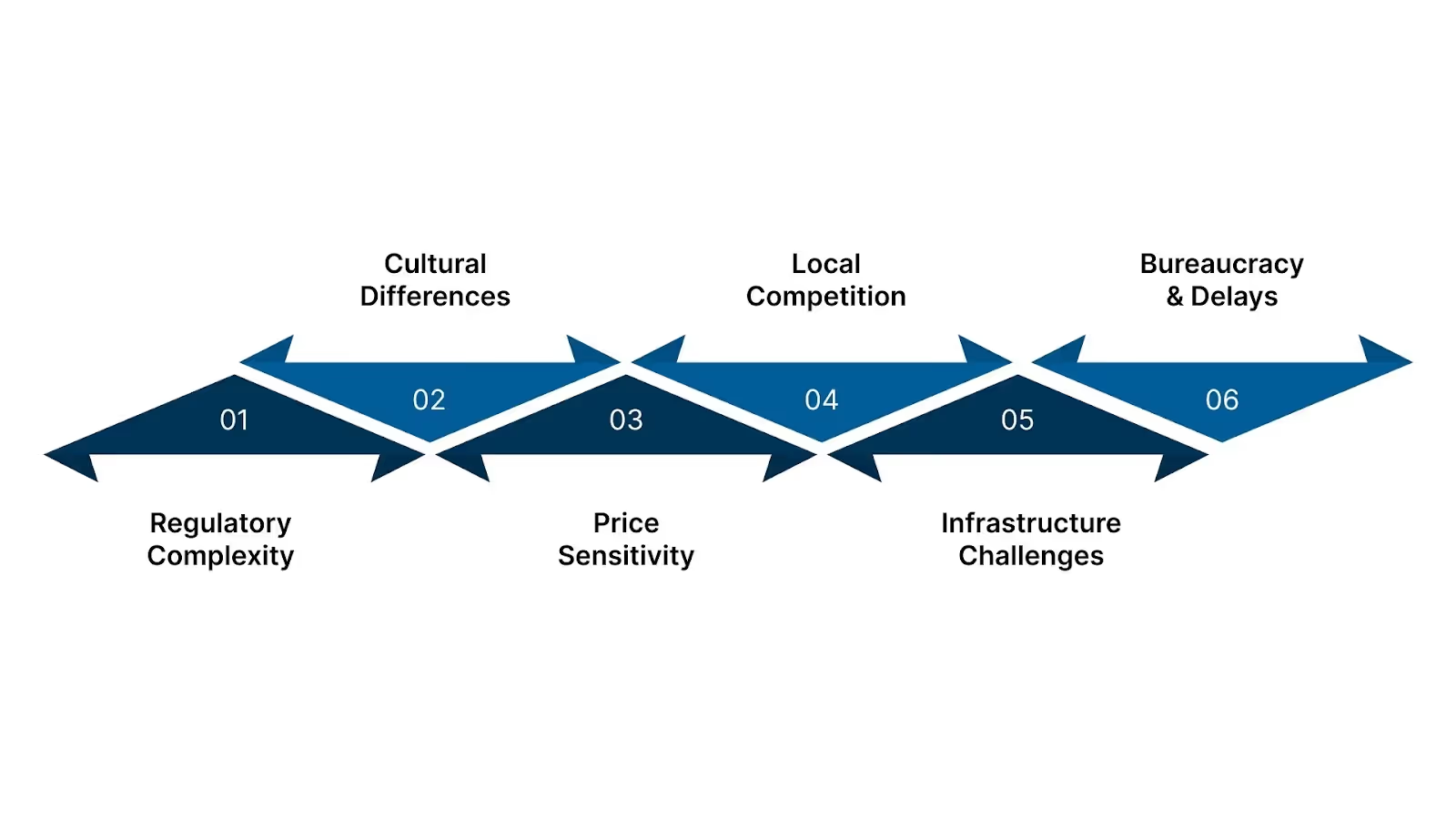
Overcoming Challenges in Indian Company Incorporation from Australia

Overcoming Challenges in Indian Company Incorporation from Australia

代替テキスト:オーストラリアからインドへの法人設立における課題の克服

オーストラリアからインドでビジネスを立ち上げるには、綿密な計画と現地の専門知識を要するいくつかの課題が存在します。

1. 規制の複雑さ

外国直接投資(FDI)のガイドラインはセクターごとに異なり、承認プロセスには時間がかかる場合があります。特にITや製造業などの業界では、現地の法規制を明確に理解した上で遵守することが求められます。

2. 文化の違い

インドは多様な市場であるため、オーストラリアで成功した手法がそのまま通用するとは限りません。文化的嗜好、消費者行動、さらには地域的な違いが製品の受け入れられ方に影響を与える可能性があります。

例えば、海外の食品ブランドがインド市場で支持を得るためには、現地の味覚や食習慣に合わせて製品を調整する必要があることがよくあります。

3. 価格に対する敏感さ

品質も重要ですが、企業はコストパフォーマンスを提供することに注力しなければなりません。特に小売業や家電業界などでは、より広範で価格に敏感な市場に対応するため、価格戦略や製品のポジショニングを調整する必要があるでしょう。

4. 現地企業との競争

インド市場には、消費者の厚い信頼を得ている強力な地元ブランドが定着しています。こうしたブランドと競合するには、製品提供とマーケティング戦略の両面において、高度なローカライゼーションが不可欠です。

5. インフラの課題

インフラや物流ネットワークの不均一さは、特に地方において課題となる可能性があります。サプライチェーンの遅延や地域間の接続性の制限といった問題により、運営コストが増加したり、配送が遅れたりすることがあります。

インドでの事業運営の物流を計画する際には、こうした障壁を理解しておくことが極めて重要です。

6. 官僚主義と遅延

インドでは官僚的な非効率さが一般的であり、許可証、ライセンス、承認の発行が遅れることがあります。オーストラリアと比較して手続きに時間がかかることが多いため、現地のコンサルタントと連携してプロセスを迅速化することが不可欠です。

VJM Globalは、会社設立から税務計画、コンプライアンスに至るまで、インド市場への参入を包括的にサポートします。当社の専門的なガイダンスにより、オーストラリアの企業は自信を持って障壁を乗り越え、インドでの確固たる地位を築くことができます。今すぐ始める。

それでは、VJM Globalがどのように貴社のインド市場への円滑な参入を支援できるか、詳しく見ていきましょう。

VJM Globalの専門サポートで、オーストラリアのビジネスをインドへ拡大

インド市場への進出は大きな一歩です。VJM Globalは、そのプロセスを簡素化するために存在します。当社のサポート内容は以下の通りです。

  • ビジネス設立アドバイザリー:会社設立、コンプライアンス、税務計画といった複雑な課題に対処するため、エンドツーエンドのサポートを提供します。
  • 包括的なコンプライアンスサービス:FDI(外国直接投資)規制の理解からGST(物品サービス税)の申告まで、貴社のビジネスがインドの法律に完全に準拠できるよう支援します。
  • 市場参入戦略:現地の嗜好や競合状況に合わせて、貴社のビジネスモデルやマーケティング戦略を最適化するお手伝いをします。
  • リスク管理と保証:円滑で安全な事業運営のため、リスク評価、監査、デューデリジェンスを提供します。
  • 税務・財務計画:直接税・間接税の計画、移転価格、財務コンプライアンスを支援し、シームレスな事業運営をサポートします。

With VJM Global’s expertise, your Australian business can confidently enter and thrive in the Indian market. 

Conclusion

オーストラリア企業のインド進出には大きなチャンスがありますが、成功には規制、文化、市場のニュアンスを理解することが不可欠です。コンプライアンスの複雑さ、現地の競争、インフラといった課題は困難に思えるかもしれませんが、適切なガイダンスがあれば、これらの障害は容易に乗り越えられます。

Partnering with experts like VJM Global, you can manage these complexities with confidence. Our team offers the support you need for a seamless entry into one of the world’s most promising markets, from setting up your business to ensuring ongoing compliance.

インドの可能性を探る準備はできていますか? 今すぐVJM Globalにご連絡ください。インドでのビジネス成功に向けた第一歩を踏み出しましょう!

FAQs

1. オーストラリア人はインドでビジネスを始められますか?

はい、オーストラリア人はインドでビジネスを始めることができます。インドでは多くのセクターで自動承認ルートによる100%の外国直接投資(FDI)が認められており、外国人投資家にとって手続きが簡素化されています。

2. オーストラリア人がインドで利用できるビジネス形態にはどのようなものがありますか?

オーストラリア人は、ビジネスの目標に応じて、非公開会社(Private Limited Company)、一人会社(OPC)、有限責任事業組合(LLP)、支店など、インドにおけるいくつかのビジネス形態から選択できます。

3. インドでビジネスを始めるための主な法的要件は何ですか?

主な法的要件には、企業省(MCA)への会社登記、電子署名証明書(DSC)および取締役識別番号(DIN)の取得、GSTなどの税法への準拠が含まれます。

4. オーストラリア企業がインドに進出する際、どのような共通の課題に直面しますか?

オーストラリア企業は、インドの複雑な規制環境への対応、現地の消費者行動の理解、価格感応度への対処、そして確立された現地ブランドとの競争といった課題に直面することがよくあります。

‍

VJM Global
VJM Globalの専門的な知見、ヒント、最新情報をご覧ください
著者について

最新のブログ

