


インドへの事業拡大をご検討中ですか?インドは世界で最もダイナミックな経済圏の一つであり、購買力平価(PPP)ベースの1人当たりGDPは2020年の6,966.3ドルから2024年には11,158.9ドル へと急成長しました。国ごとの生活費の差を調整したこの指標は、インド国民の実際の購買力を反映しており、海外の製品やサービスに対する需要の高まりを示しています。
米国の起業家、中小企業、スタートアップ、専門サービス企業にとって、この成長は独自の機会を意味します。インドに拠点を設けることで、新規市場のテスト、現地人材の雇用、そして長期的な拡大戦略の構築が可能になります。ただし、成功の鍵は、法人登記、外国直接投資(FDI)規制、インドの法規制へのコンプライアンスを網羅した、綿密なインド市場参入戦略にあります。
本ガイドでは、インドにおける最も効果的な市場参入戦略と、米国企業が直面しやすい課題について解説します。また、持続的な成長の基盤となるインド市場参入戦略の策定方法についても学びます。
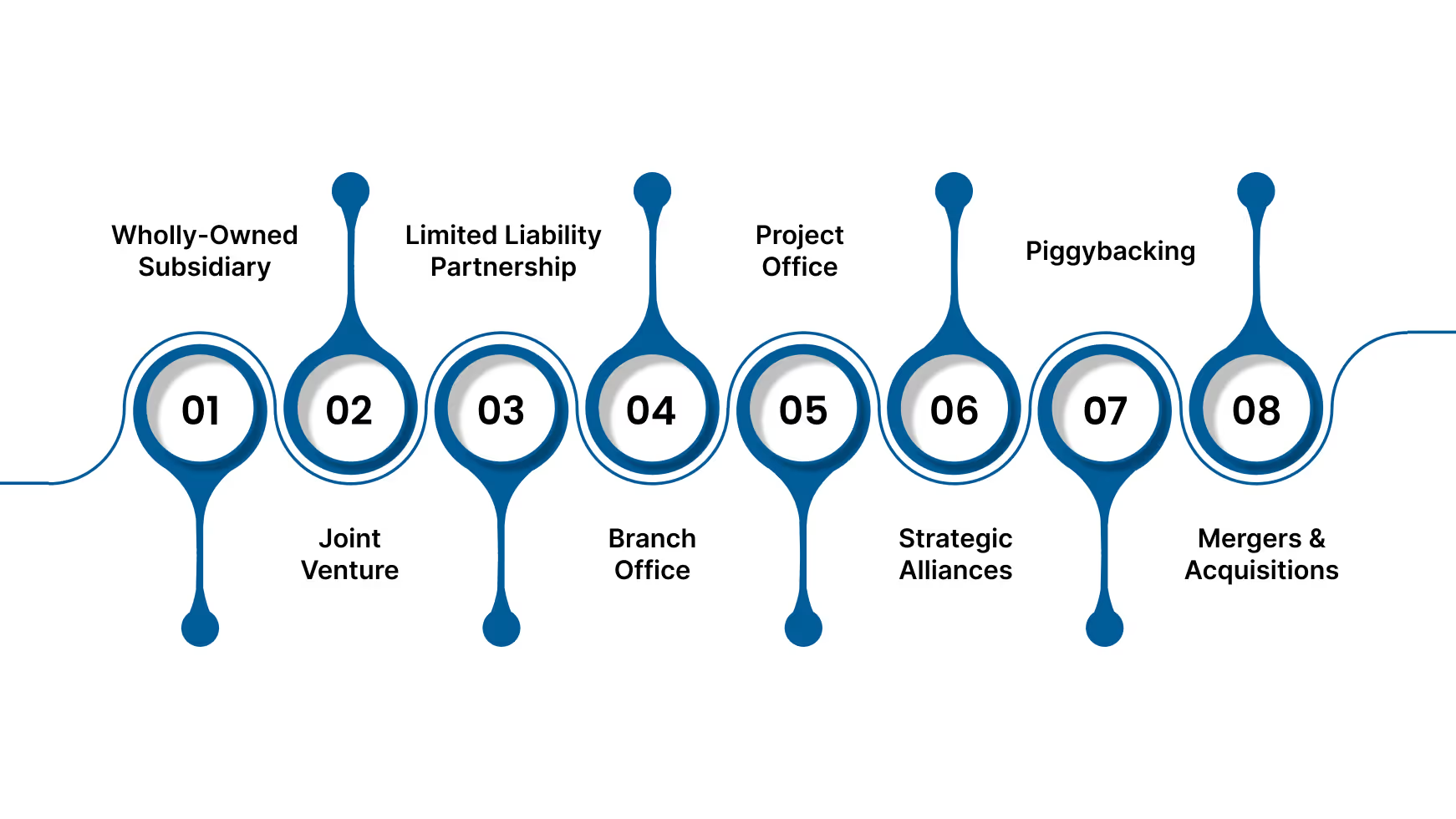
インドへの参入を検討している米国の起業家、中小企業、専門サービス企業にとって、適切な市場参入戦略を知ることは、事業拡大がスムーズに進むか、あるいは多くの障害に直面するかを左右します。消費者需要の高まりと有利なFDI(外国直接投資)政策により、事業を確立するための ビジネス構造には複数の選択肢があります。それぞれに利点、コンプライアンス要件、管理レベルが異なります。
以下に、米国企業のニーズに合わせた、インド市場への最も一般的な参入戦略を紹介します。
完全子会社の設立は、米国企業がインドに参入する最も一般的な方法の一つです。このモデルでは、インド法人の株式を100%所有するため、運営、雇用、利益配分を完全にコントロールできます。
重要性:非公開有限責任会社(Private Limited)の子会社は、インドでの長期的なプレゼンスを確立し、現地のパートナーに依存することなく米国の事業を再現したい場合に最適です。
豆知識: インド政府はデジタル登記を加速させており、数ヶ月ではなく数週間で法人登記が完了できるようになっています。
[Image CTA 5]
合弁会社(JV)は、市場経験、サプライヤーネットワーク、流通チャネルをすでに持つインドのパートナーと協力する手法です。これにより、リスクと投資を分担しながら、参入障壁を下げることができます。
例:米国の外食ブランドが、現地の消費者の嗜好やサプライチェーンの物流を熟知している現地のホスピタリティグループと提携してインドに参入するケース。
豆知識: 多くの米国のファストフードチェーンは、インドで実績を積んだ後に完全子会社へ移行する前段階として、JVを通じて最初に参入しました。
関連記事: インドで合弁会社を設立する方法
より軽量な構造を求める米国企業にとって、LLP(有限責任事業組合)ルートは、パートナーシップの柔軟性と有限責任による保護を両立させる選択肢です。
重要性:限られたリソースでインド市場への参入を試みる場合、LLPを活用すれば、多額のコンプライアンス費用をかけずに法的拠点を確保できます。
インドに 支店を開設することで、新たな会社を設立することなく拠点を維持できます。支店は親会社の事業の延長として機能し、主に調査、連絡業務、または限定的な事業活動のために利用されます。
理想的な活用事例:長期的なコミットメントを伴わずにインド市場を調査したい米国企業に最適です。例えば、フィンテック企業がベンガルールに支店を開設し、本格的な子会社設立を決定する前に顧客の受容性を評価するようなケースが挙げられます。
プロからのアドバイス: すぐに拡大するのではなく、まずは市場調査を目的とする場合に支店を活用しましょう。
インドで特定の契約を締結している場合、 プロジェクトオフィスを設置することができます。これはプロジェクト期間中のみ存続するものです。インド準備銀行(RBI)および会社登記局の承認が必要であり、プロジェクト完了後は閉鎖可能です。
この方法は、恒久的な拠点を維持することなく、期限付きのプロジェクトを遂行する米国の建設、エンジニアリング、または調達関連企業にとって有益です。
現地企業と戦略的提携を結ぶことで、強みを結集し、リスクを分担し、確立された流通ネットワークを活用できるようになります。ただし、合弁会社(ジョイントベンチャー)とは異なり、提携には必ずしも共同所有権が必要なわけではなく、相互協力協定に基づくことも可能です。
例:米国を拠点とするSaaS企業が、インドのITサービスプロバイダーと協力し、企業クライアント向けにパッケージ化されたソリューションを提供するケース。
ピギーバッキングとは、既存のパートナーの流通ネットワークとブランド力を利用して、インドで自社製品を販売する手法です。
例:米国のウェルネスブランドがインドのEコマースプラットフォームと提携し、自社で物流を構築することなく迅速に製品を流通させるケース。
M&Aは、米国企業がインドで迅速に規模を拡大するための最も早い手段です。インド企業を買収または合併することで、その企業の顧客基盤、ライセンス、人材、市場関係を即座に獲得できます。これらはゼロから構築しようとすれば何年もかかる可能性があるリソースです。
ただし、M&Aには徹底したデューデリジェンスが不可欠です。財務調査だけでなく、米国企業は規制遵守、文化的な統合、合併後の整合性を評価しなければなりません。慎重な計画なしに進めれば、M&Aの魅力である「スピード」が逆に運用上のリスクを生むことにもなりかねません。
例:米国の医療機器メーカーがインドの販売会社を買収することで、市場参入を加速させ、インドの複雑な医療ライセンス環境をより適切に管理できるようになるケース。
プロからのアドバイス: 米国とインド双方のコンプライアンス体制を熟知したアドバイザーと連携することで、取引後の予期せぬトラブルを回避できます。
あわせて読みたい:米国からインドでビジネスを登記するには?外国人のための簡略化されたプロセス
14億人以上の人口、熟練した労働力、そして「スタートアップ・インディア」や「デジタル・インディア」といった政府の取り組みを背景に、インドは米国企業にとって大きな成長の可能性を秘めています。しかし、参入モデルを誤れば、規制による遅延やコンプライアンス上のリスク、不必要な税負担を招く恐れがあります。子会社、合弁会社(JV)、有限責任事業組合(LLP)、駐在員事務所のどれを選ぶかは、市場調査、パートナーシップの形成、本格的な拠点設立といった貴社の目的に応じて決める必要があります。
米国のSaaSスタートアップであれば、まずは駐在員事務所や支店を設立して市場の受容性を測るのが賢明かもしれません。一方、中堅の製造業であれば、完全子会社の方が持続可能な選択肢となるでしょう。
どのインド市場参入戦略が貴社に適しているかお悩みですか? VJM Globalは、米国企業が正しいルートを選択し、コンプライアンスを遵守できるようサポートします。
参入の選択肢を知るだけでは不十分です。真の課題は、どれほど綿密に計画された戦略であっても停滞させかねない、インド特有の規制、文化、運営上のハードルを乗り越えることにあります。
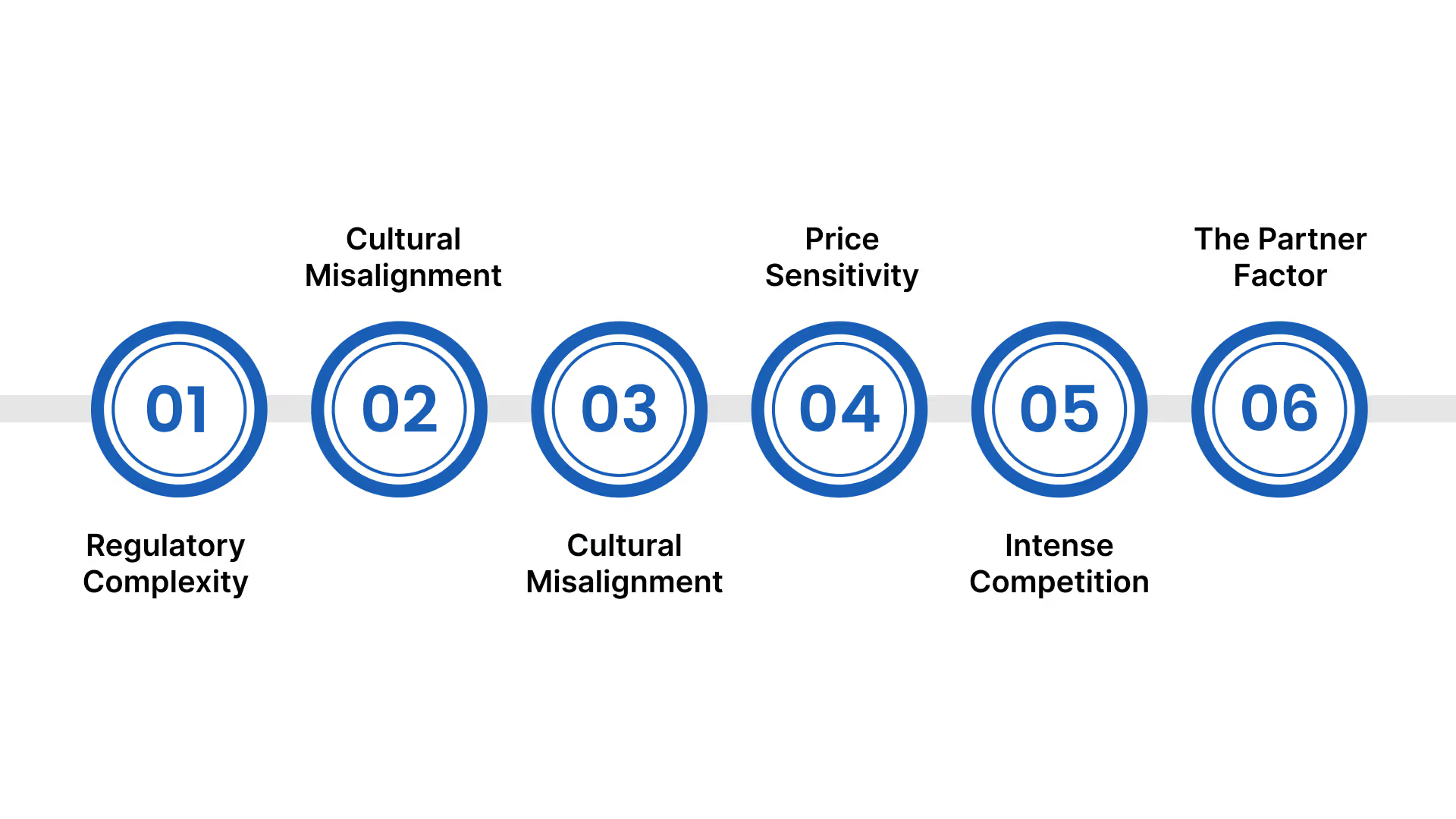
インドへの進出は大きな可能性を秘めていますが、準備万端の米国企業であっても、事業開始後に壁にぶつかることは珍しくありません。コンプライアンスへの対応から、価格に敏感な消費者向けの製品適応まで、これらの課題に早期に対処しなければ、参入戦略そのものが頓挫する可能性があります。
インドの規制環境は多層的であり、新規参入者には圧倒的に感じられるかもしれません。 FEMA(外国為替管理法)やRBI(インド準備銀行)からGST(物品サービス税)、さらには業種別の許認可に至るまで、一つでも要件を見落とせば、拡大計画が停滞する恐れがあります。
対処法:米国とインド双方のコンプライアンス基準を理解している現地アドバイザーと連携してください。参入のタイムラインに、初日から規制対応の計画を組み込みましょう。コンプライアンスを単なるチェックリストではなく戦略の基盤と捉える企業は、遅延を回避し、ブランドの評判を守ることができます。
重要性:業種別の認証を一つでも欠かすと、税関で輸入が差し止められ、ローンチが数ヶ月遅れるだけでなく、インドの規制当局からのブランドに対する信頼を損なうことになります。
インドのビジネス慣行や消費行動は、根深い文化的価値観の影響を受けています。欧米市場で成功したアプローチも、こうした違いに合わせて調整する必要があるかもしれません。これらのニュアンスを理解することで、インドの顧客やパートナーとより有意義な関係を築くことができます。
インドの消費者は欧米のバイヤーとどう違うのか:
対処法:製品、パッケージ、メッセージをインドの嗜好に合わせて調整し、大きなコミットメントを求める前に、時間をかけて信頼を築くことに注力してください。
例:米国発のウェルネスブランドが、使い切りのプレミアムパッケージでインドに参入しても成功しない可能性があります。家族向けのまとめ買いパックを、価値重視の価格設定で提供することで、受け入れられやすさが劇的に向上します。
India's infrastructure has advanced quickly, but the experience is far from uniform. Logistics in dense metro areas look very different from the realities of reaching semi-urban towns or remote rural districts. For U.S. businesses, this uneven distribution scenario can create costly hurdles if not planned for in advance.
How to address it: Develop and implement dual distribution strategies, one tailored for metropolitan areas and another for rural areas. Use e-commerce platforms to test-market with minimal investment, gather honest consumer feedback, and then expand to brick-and-mortar stores in proven regions.
A product that commands a premium in the U.S. can face resistance in India if it doesn't clearly demonstrate its value. In India, buyers weigh durability, utility, and family relevance just as much as brand reputation.
How to address it: Compete on value for money, not just low prices. This means customizing offerings to Indian expectations, whether that's durable hardware or flexible family subscription plans. The goal is to show that every rupee spent delivers tangible benefits.
Example: A U.S. HR tech startup priced its SaaS at $99/month in the U.S. For India, it may launch a modular plan at ₹5,000/month (~$57) targeting SMEs, with optional add-ons.
Why it matters: In India, affordability fuels scale, and scale turns profitability from a goal into a reality.
India is one of the most competitive markets in the world. Alongside established domestic giants and fast-moving startups, global brands are also fighting for market share. In sectors like FMCG, fintech, SaaS, and e-commerce, new players emerge almost every quarter, making it easy for foreign entrants to be drowned out if they don't carve a clear space for themselves.
How to address it:
Example: A U.S.-based apparel brand targeting India's youth may avoid competing directly with budget fast-fashion giants by focusing on premium athleisure for urban professionals.
Entering India with a clear niche, rather than trying to be everything to everyone, helps you stand out in a competitive environment.
The right local partner can accelerate your entry; the wrong one can derail it. A partner with the wrong incentives, a poor compliance record, or weak distribution channels can derail even the best market entry strategy. Many U.S. companies underestimate the significant role trust and relationships play in driving business in India.
How to address it:
Why it matters: When partnerships are built on aligned incentives and trust, you gain faster regulatory approvals, wider market access, and cultural insights.
Also Read: Registering a Company in India: Common Pitfalls and How to Avoid Them
[Image CTA 7]
こうした課題を理解することは重要ですが、成功するかどうかは、それに対してどう行動するかにかかっています。適切なロードマップがあれば、潜在的な障害をインドでの成長に向けた体系的な計画へと変えることができます。
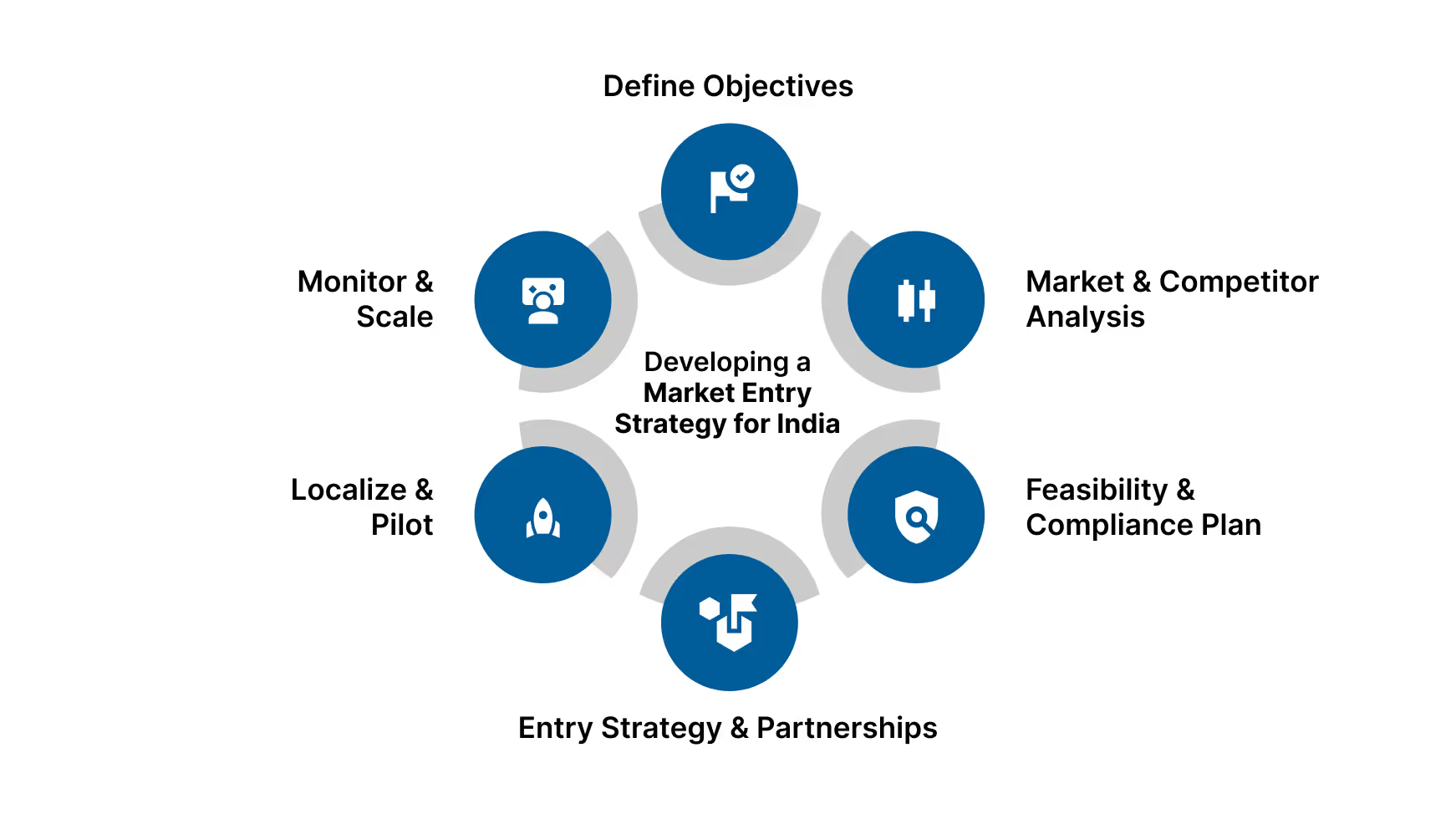
米国企業にとって、インドは将来性に満ちた市場ですが、明確な計画なしに参入すると、多くの場合、コストのかかる挫折を招きます。自信を持って行動できるよう、起業家、中小企業、スタートアップ、専門サービス企業向けに特別に設計された、6つのステップからなるロードマップをご紹介します。
インド市場参入戦略の第一歩は、目的を明確にすることです。主な目標が市場拡大なのか、コスト最適化なのか、それとも人材獲得なのかを決定します。そこから、ターゲットとする業界、サービスを提供する顧客セグメント、そして最初に参入する地域といった範囲を定義します。
インドは単一の市場ではないことを忘れないでください。人口100万人を超える都市が65以上あり、それぞれが独自の消費パターンを持っています。例えば、ベンガルールやハイデラバードはITやテクノロジー主導型サービスの拠点として理想的ですが、ムンバイやデリー首都圏(NCR)は金融や専門サービスの中心地です。
焦点を絞る際は、ビジネスモデルを考慮してください。例えば、米国のコンサルティング会社であれば法人顧客にアクセスするためにデリー首都圏に拠点を置くのが適していますが、SaaSスタートアップであれば中小企業にリーチし、技術に精通した人材プールを活用するためにベンガルールで立ち上げるのが適しているでしょう。
プロからのアドバイス:参入地域、ターゲット業界、予算の枠組み、期待されるROIのタイムラインを盛り込んだ、1ページの参入概要書を作成しましょう。
トップラインの統計だけに頼ってはいけません。顧客が実際にどのように購入するのか、その好み、購買力、競合他社のポジショニングを深く掘り下げてください。デリー、ムンバイ、ベンガルールのようなティア1の都市では、可処分所得が高いため需要はありますが、競争も激しくなります。対照的に、プネー、ジャイプール、インドールといったティア2の都市は価格に敏感な傾向がありますが、適切なコストで大きな価値を提供できる企業にとっては、成長の機会が広がっています。
ミニチェックリスト:
立ち上げの前に、財務上の前提条件とコンプライアンスのロードマップの両方をストレステストしてください。設立費用、採用、マーケティング、そして少なくとも2〜4ヶ月の規制上のリードタイムを考慮した現実的なコストモデルを構築します。さらに、貴社のセクターに必要なすべての登録と認証を特定し、それらをタイムラインにマッピングしてください。
プロからのアドバイス:申請、期限、更新を追跡する「コンプライアンスカレンダー」を維持しましょう。承認を1つでも逃すと、立ち上げ全体が頓挫する可能性があります。
目標とリソースに合った参入ルート(子会社、合弁事業、フランチャイズ、販売代理店)を選択してください。組織構造は、目標とリスク許容度の両方に適している必要があります。さらに、パートナーを巻き込む場合は、スピードや利便性ではなく、能力と整合性に基づいて選定してください。適切なパートナーは承認と市場アクセスを加速させますが、不適切なパートナーは進捗を遅らせたり、信頼性を損なったりする可能性があります。
標準的なグローバル製品は、適応させなければインドで成功することはほとんどありません。全国一斉に展開するのではなく、管理されたパイロット運用を行い、需要とオペレーションを検証してください。これらのテストを通じて、価格設定、顧客へのメッセージ、サービス提供方法を洗練させていきましょう。
Localization may involve pricing tiers (monthly vs. annual), packaging formats (family-size packs instead of single units), or language adjustments (regional translations for Tier-2 markets).
Why it matters: Data from pilots should dictate where you double down. Success in 5-10 cities first is more valuable than spreading thin across 29 states.
Treat the first six months as your proof-of-concept. Monitor the right KPIs, adjust based on performance, and scale where the data supports growth.
Key KPIs to track:
For instance, on tracking city-wise adoption, you find Lucknow delivering a stronger ROI than Delhi. Instead of pushing more ads in Delhi, you can reallocate more resources in Jaipur and nearby Tier-2 markets to reduce CAC.
Expanding into India isn't just about choosing the right strategy; it's about executing it with precision. From compliance planning to partner selection and pilot launches, every step requires local expertise and on-the-ground support. This is where VJM Global becomes a critical partner, helping you turn entry strategies into successful, compliant operations in India.
Entering India in 2025 involves managing sector approvals, understanding state-level tax rules, and choosing a structure that aligns with your growth objectives. For U.S. entrepreneurs, SMEs, startups, and professional service firms, the challenge lies in balancing opportunity with compliance.
VJM Global supports you at each stage. Here's how we ensure that your entry into India is practical, compliant, and built for scale.
Worried about compliance hurdles, unreliable partners, or investing in the wrong markets? VJM Global helps U.S. businesses enter India with confidence by handling regulations, validating opportunities, and building lasting structures. Book a strategy call to get started.
India's young workforce, large population, pro-business reforms, and growing middle class make it one of the fastest-growing economies. With cost-effective operations and a thriving consumer base, it offers strong long-term growth opportunities.
Key sectors drawing high FDI include computer software and hardware, telecommunications, and services such as IT and real estate. Growth industries like automobiles, healthcare, and electronics manufacturing also offer significant opportunities for U.S. businesses.
For U.S. entrepreneurs, SMEs, and professional service firms, a market entry strategy outlines how to establish operations in India. It factors in regulations, customer preferences, competition, and choosing the proper mode, such as a subsidiary, joint venture, or franchise.
Key barriers include high setup and compliance costs, complex regulatory approvals, and strong local brand loyalty. U.S. businesses must also address resource control and network advantages held by established Indian competitors.

.avif)


