

%20(4).avif)
FASBとGAAPの関係性を理解することは、米国のビジネスにおいて最高水準の財務報告を行うために不可欠です。これらの概念は、企業が財務諸表を作成・提示する方法に直接影響を与えるため、ステークホルダーとの透明性と信頼関係を維持する上で極めて重要です。
しかし、これらの用語はビジネスにとって具体的に何を意味し、財務諸表にどのような影響を与えるのでしょうか。
本ブログでは、FASBとGAAPの主な違いを紐解き、両者がどのように連携して財務報告のあり方を形成しているのかを解説します。
米国財務会計基準審議会(FASB)は、米国の財務会計および報告基準を策定する独立した民間機関です。FASBの役割は、企業が財務報告において明確かつ一貫したルールに従うことを保証する上で極めて重要であり、投資家、規制当局、その他のステークホルダーが財務データを理解し、比較しやすくする役割を果たしています。
FASBの基準は、米国の公開企業、非公開企業、および非営利団体に適用されます。これらの基準は、財務報告の一貫性、透明性、正確性を確保するものであり、あらゆるビジネスの信頼性にとって不可欠なものです。
あわせて読みたい:企業向け監査チェックリストガイド
このフレームワークは、財務報告のより広い文脈を理解するための土台となるものであり、正確な財務諸表を保証する上でのFASBの役割の重要性へとつながります。
FASBは米国の金融セクターにおいて重要な役割を担っています。GAAPを策定・維持することで、米国のすべての企業が従うべき統一された基準を確立しています。FASBが不可欠である理由は以下の通りです。
FASBが財務報告にどのような影響を与えているかを理解することは、GAAPフレームワークの核心を把握するために不可欠です。
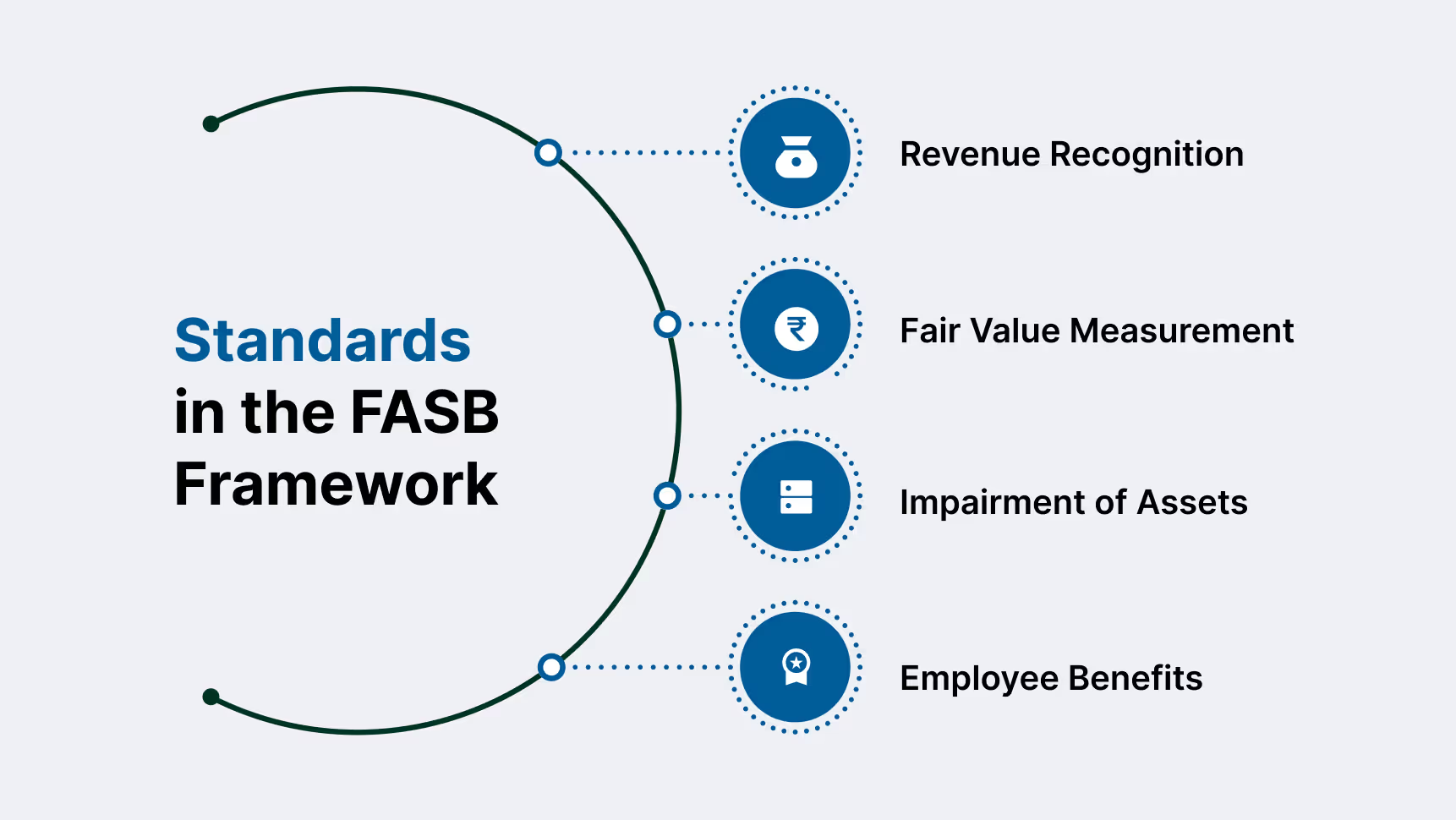
FASBフレームワークは、米国の企業が財務報告における明瞭性、透明性、一貫性を確保するために使用する包括的な会計基準セットです。以下に、企業が財務諸表を作成する際の指針となる具体的なFASB基準を挙げます。
FASB ASC 606は、契約の特定、履行義務、取引価格の決定など、収益を認識するための5ステップのモデルを提供しています。収益は、商品やサービスの支配権が顧客に移転した時点で認識されます。これにより、企業は契約上の義務が完了したことを反映し、実際に収益を獲得した期間に収益を計上することが保証されます。
ASC 820は、資産および負債の公正価値を測定するためのフレームワークを確立しており、レベル1(活発な市場における相場価格)、レベル2(観察可能なインプット)、レベル3(観察不可能なインプット)という3段階の階層に基づいています。この基準は、特に市場価格が容易に入手できない資産について、企業が正確に測定・報告することを保証します。
ASC 360に基づき、企業は帳簿価額が回収不能である可能性を示す事象が発生した場合、長期資産の減損テストを行う必要があります。帳簿価額が回収可能額を上回る場合、減損損失が認識されます。この基準は、企業が経済的利益をもたらす可能性が依然として高い資産の価値のみを報告することを保証するのに役立ちます。
ASC 715 governs the accounting for employee benefits, including pensions and retirement plans. It provides guidelines for measuring pension liabilities, recognizing changes in pension obligations, and disclosing pension plan assets and liabilities. This ensures businesses properly account for long-term employee benefits on their balance sheets.
Each of these FASB standards ensures businesses report their financial data with consistency, accuracy, and transparency, allowing stakeholders to make well-informed decisions based on reliable and comparable financial statements.
At VJM Global, we help US businesses overcome the complexities of financial reporting, ensuring compliance with FASB standards and optimizing financial management. Our solutions help maintain accuracy and transparency while cutting operational costs, allowing businesses to focus on growth as we manage financial complexities efficiently.
Now that we understand the foundational role of FASB, let’s explore what GAAP is and how it builds upon these standards to provide detailed accounting rules.
GAAP stands for Generally Accepted Accounting Principles. It is a set of accounting standards and procedures used to prepare financial statements in the US. These principles provide a uniform framework that companies must follow, ensuring consistency and transparency in financial reporting.
In practice, GAAP covers a wide range of accounting activities, including how revenue is recognized, how expenses are matched with revenues, and how assets and liabilities are measured. While FASB sets the standards, GAAP is the comprehensive set of rules that businesses must apply when creating their financial statements.
あわせて読みたい:GAAPとGAASの違いを理解する
Understanding GAAP is critical, but to fully appreciate its importance, let’s explore why adhering to these principles is essential for businesses and stakeholders.
GAAP is crucial for businesses as it provides a standardized framework for financial reporting. GAAP is vital for businesses for several reasons:
For US businesses, complying with GAAP is not just about following rules; it’s about maintaining credibility and trust with stakeholders.
While GAAP ensures consistent reporting, it’s also crucial to understand the specific standards it enforces, so let's examine the standards under the GAAP framework.
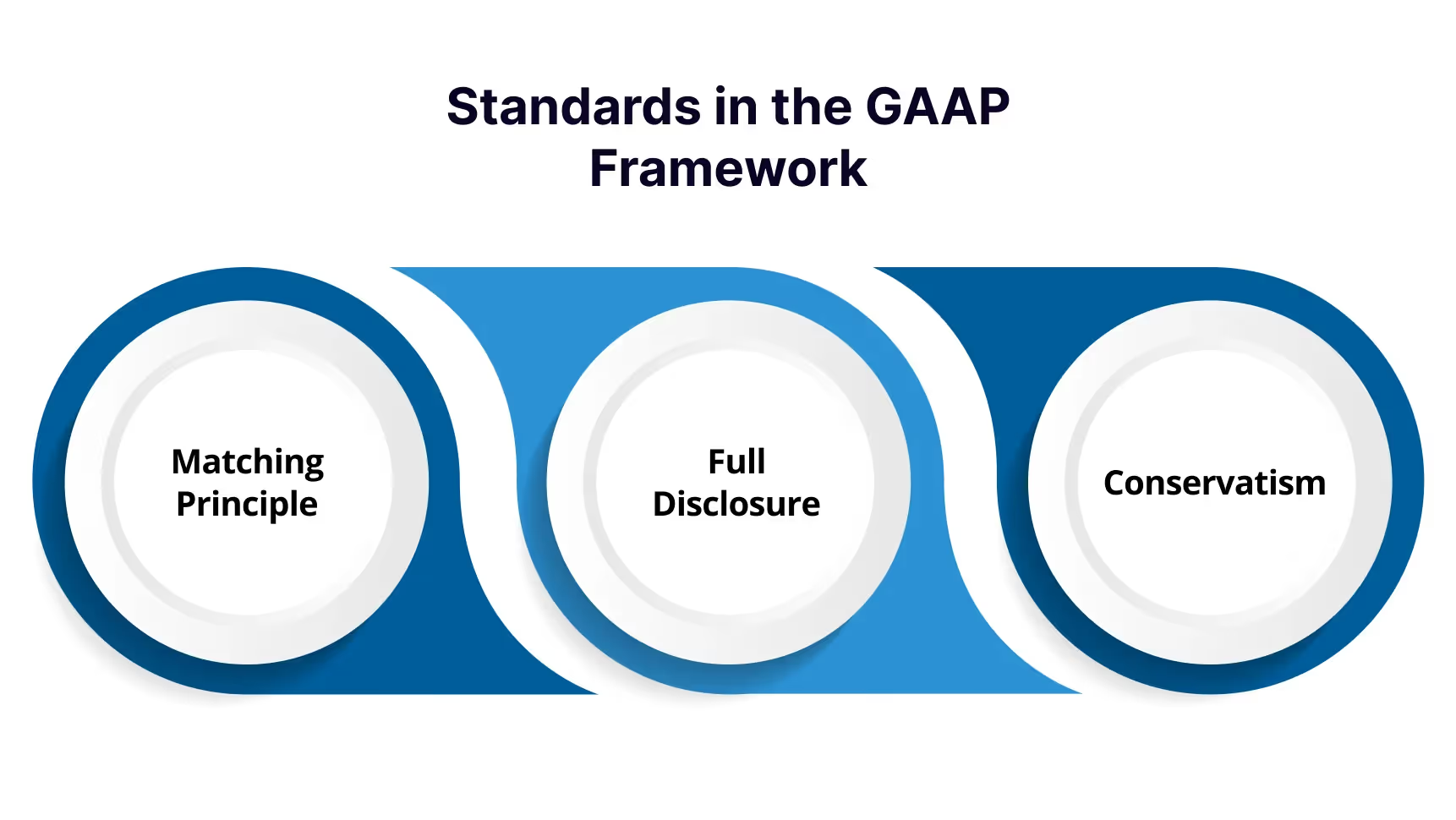
The GAAP framework is structured around specific standards that guide businesses in preparing financial statements. Below are key standards within US GAAP:
Under ASC 720, expenses should be matched with the revenue they help generate in the same period. For example, costs directly related to producing goods or services are recognized alongside the revenue they generate, ensuring that businesses report accurate profit margins for each period.
ASC 275 emphasizes that all relevant financial information, such as contingent liabilities and risks, should be disclosed in the financial statements. This ensures that users of financial reports have a complete picture of the company's financial position, including any off-balance-sheet items.
ASC 450 guides businesses to adopt a conservative approach when recognizing revenue and estimating liabilities. When faced with uncertainty, businesses should report the least optimistic outcome to avoid overstating assets or income. This prevents companies from presenting an overly optimistic view of their financial health.
These GAAP standards ensure that businesses follow a consistent approach to reporting, promoting transparency, reliability, and comparability in financial statements.
At VJM Global, our accounting outsourcing services are designed to help businesses streamline their financial processes while ensuring full compliance with GAAP standards. By outsourcing your accounting needs, you can reduce operational costs and focus on strategic growth.
As we explore how GAAP operates, it’s important to compare its standards with FASB’s, which are the backbone of both frameworks, to understand how they align and differ in practice.
While FASB and GAAP are closely connected, it’s important to understand the distinction between them. Below are key differences in standards that highlight the role and application of each:
In essence, FASB is the body that establishes the GAAP standards, and businesses must follow GAAP to ensure their financial statements meet the required reporting standards.
Also Read: How to Find The Right Accounting Outsourcing Services for USA Business?
Understanding the difference between FASB vs GAAP is critical for US business owners and entrepreneurs. FASB creates and maintains the GAAP standards, which ensure consistency, transparency, and reliability in financial reporting. By adhering to GAAP, businesses can provide accurate financial statements that investors and stakeholders can trust.
For businesses aiming to ensure compliance with financial reporting standards such as FASB and GAAP, VJM Global provides tailored solutions to meet your specific needs. Our expert team helps optimize your financial operations while ensuring full compliance with regulatory bodies.
VJM Globalのデモを予約して、財務管理をFASBおよびGAAP基準に適合させるための支援についてご相談ください。
FASB stands for the Financial Accounting Standards Board, which is the organization responsible for setting the accounting standards in the United States.
FASB impacts your business by setting the rules for preparing financial statements, ensuring that your company follows consistent and transparent accounting practices.
No, FASB is the organization that establishes and updates GAAP standards, while GAAP refers to the specific set of rules businesses must follow when preparing financial statements.
Following GAAP is essential for ensuring consistency in financial reporting, building trust with investors, and maintaining compliance with regulatory bodies like the SEC.
Generally, US companies are required to use GAAP for financial reporting, as GAAP is based on the standards set by the Financial Accounting Standards Board (FASB). FASB is responsible for creating and maintaining the GAAP standards, which are mandatory for companies operating in the US.

.avif)


