


米国の企業は日々数百万ドル規模の取引を行っています。デロイトの「2024年第4四半期CFOシグナル調査」によると、42%のCFOが、内部統制を含むエンタープライズリスク管理を2025年の最優先事項として挙げています。また、40%が財務のデジタル変革に注力していますが、統制構造が脆弱な場合、そこからコストのかさむ脆弱性が生じることが少なくありません。
しかし、企業はどのようにしてすべてのドルを正確に把握し、すべての記録を照合し、不正アクセスを未然に防いでいるのでしょうか。その答えは「内部統制」にあります。
規制当局の監視が強まり、サイバー脅威が高度化するグローバルな環境において、内部統制はもはや選択肢ではなく、戦略そのものです。特に国境を越えて事業を拡大している企業やデジタル変革を進めている企業にとって、透明性の維持、法的責任の軽減、そして持続可能な成長を促進するために、強固な内部統制フレームワークは不可欠です。
本記事では、財務の正確性の確保、リスクの軽減、業務の一貫性維持における内部統制の役割を検証します。統制の種類、構成要素、限界についての解説に加え、なぜ内部統制フレームワークが現代のビジネスにおいて不可欠であり続けるのか、その実践的な理由を紐解きます。
内部統制とは、資産を保護し、正確な情報を確保し、法令遵守を支援するための体系的な仕組みや方針のことです。これらの統制は企業の戦略的リスク管理の基盤を形成し、組織全体の健全性と安定性を維持するために極めて重要です。
内部統制は、ほぼすべての業務機能に組み込まれています。財務部門では、給与計算、請求書発行、予算管理などのプロセスにおけるエラーや不正の防止に役立ちます。調達部門では、購入が承認され、適切に文書化されていることを保証します。IT部門では、データアクセス、ユーザー権限、サイバーセキュリティプロトコルを管理します。
内部統制は、相互牽制の役割を果たします。明細の照合、経費の承認、職務分掌を行うことで、不正利用の防止、問題の早期発見、そして説明責任の確保を可能にします。
適切に設計・運用された内部統制は、組織の効率的な運営、信頼性の高い財務諸表の作成、そして法的・規制上のトラブル回避を支援します。また、健全な意思決定を支え、従業員、取締役、投資家、規制当局といったステークホルダーからの信頼を築くことにもつながります。
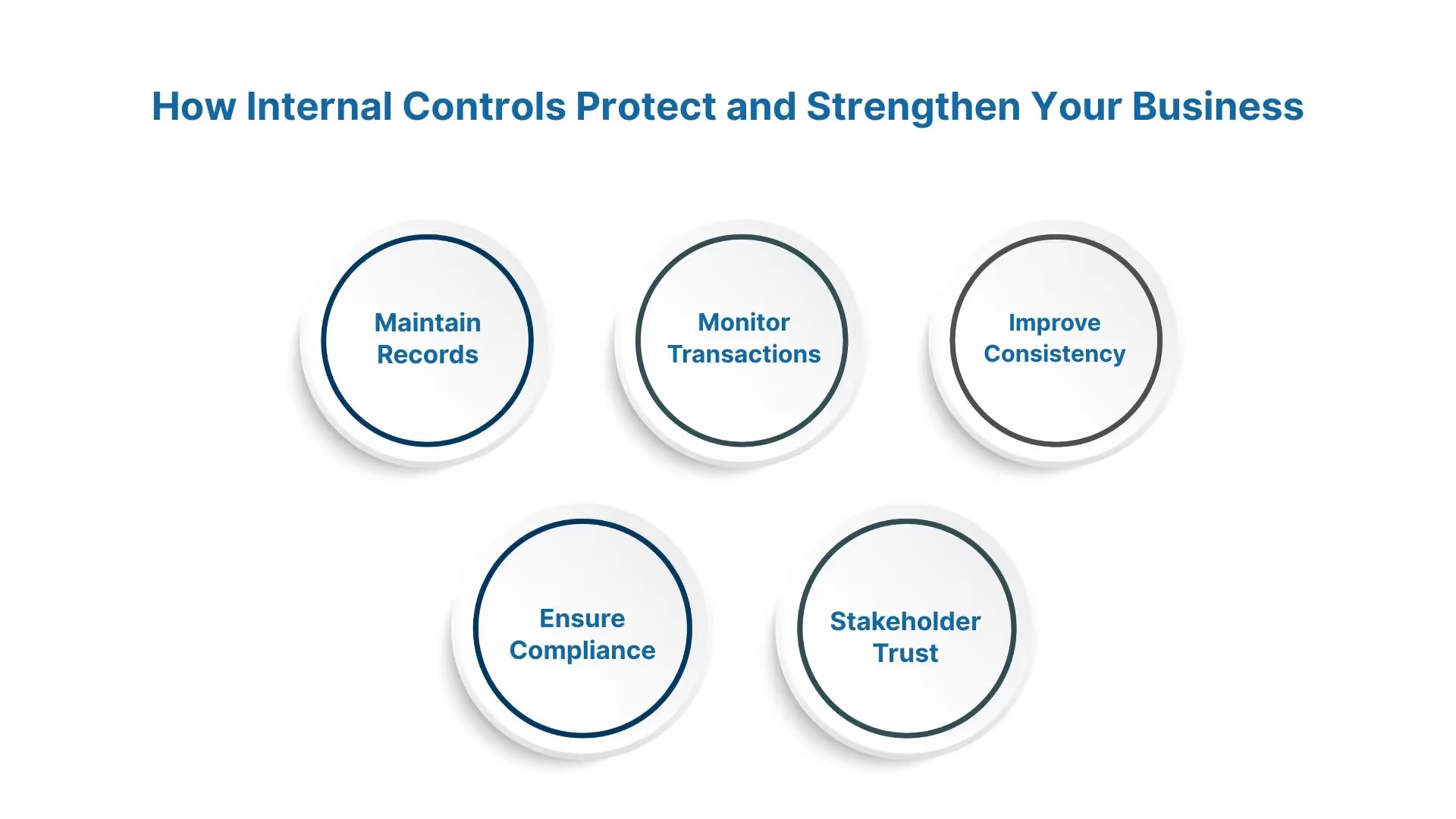
内部統制は、資産を保護し、財務情報の正確性を確保し、業務効率を促進するために設計された、あらゆる組織に不可欠なメカニズムです。では、これらの統制の真の目的は何でしょうか。
端的に言えば、内部統制の目的は、エラーの防止、不正の検知、そして業務効率の向上です。それは相互牽制のシステムとして、またビジネス活動を導き、リスクから企業を守るためのガードレールとして機能します。
内部統制がビジネスにもたらす効果について、詳しく見ていきましょう。
正確な財務データは、あらゆるビジネス上の意思決定のバックボーンとなります。内部統制は、すべての取引が正確かつ一貫して記録されることを保証し、帳簿付け、報告、納税申告におけるエラーの可能性を低減します。この正確性により、経営陣は十分な情報に基づいた意思決定が可能となり、投資家や規制当局に対して企業の財務状況を正確に示すことができます。
内部統制は、明確な承認プロセスの確立、職務分掌、定期的なレビューを通じて、不正、盗難、および企業リソースの誤用を防ぐのに役立ちます。適切に設計・運用されていれば、これらの統制は不正や疑わしい活動を早期に発見し、潜在的な損失やレピュテーションリスクを最小限に抑えることができます。
標準化された手順は、日々の業務におけるばらつきやエラーを低減します。統制によって企業の方針やワークフローの遵守が徹底され、従業員がベストプラクティスを均一に実行できるようになります。この一貫性は、業務の効率化だけでなく、生産性の向上やオペレーショナルリスクの低減にもつながります。
Many industries face strict compliance standards and external audits. Internal controls help businesses stay aligned with relevant laws, regulations, and accounting standards. By maintaining well-documented controls and records, companies can avoid penalties, fines, and legal complications and demonstrate accountability to auditors and regulators.
Investors, customers, employees, and partners all rely on the integrity and reliability of a business. Strong internal controls signal that a company is well-managed, transparent, and committed to protecting its assets. This trust can enhance a company’s reputation, attract investment, and foster long-term relationships.
Suggested Read: Understanding Company Audits: Key Processes and Types
The cost of weak oversight can be devastating for any organization. Financial misstatements, regulatory penalties, and internal theft cut into revenue. They also damage reputation and erode trust among investors, customers, and partners.
In today’s complex business environment, companies face constant pressure to maintain accurate financial records and comply with an ever-growing list of regulations. To meet these challenges, they rely on strong internal accounting controls.
Internal accounting controls serve as the company’s first line of defense against financial risks. By implementing these controls, businesses aim to prevent errors and fraud before they occur rather than simply reacting to problems after the fact. These controls provide a framework to ensure:
By maintaining strong internal accounting controls, companies not only protect their assets but also demonstrate their commitment to transparency, accountability, and adherence to compliance standards. This, in turn, builds confidence with stakeholders and supports long-term business success.
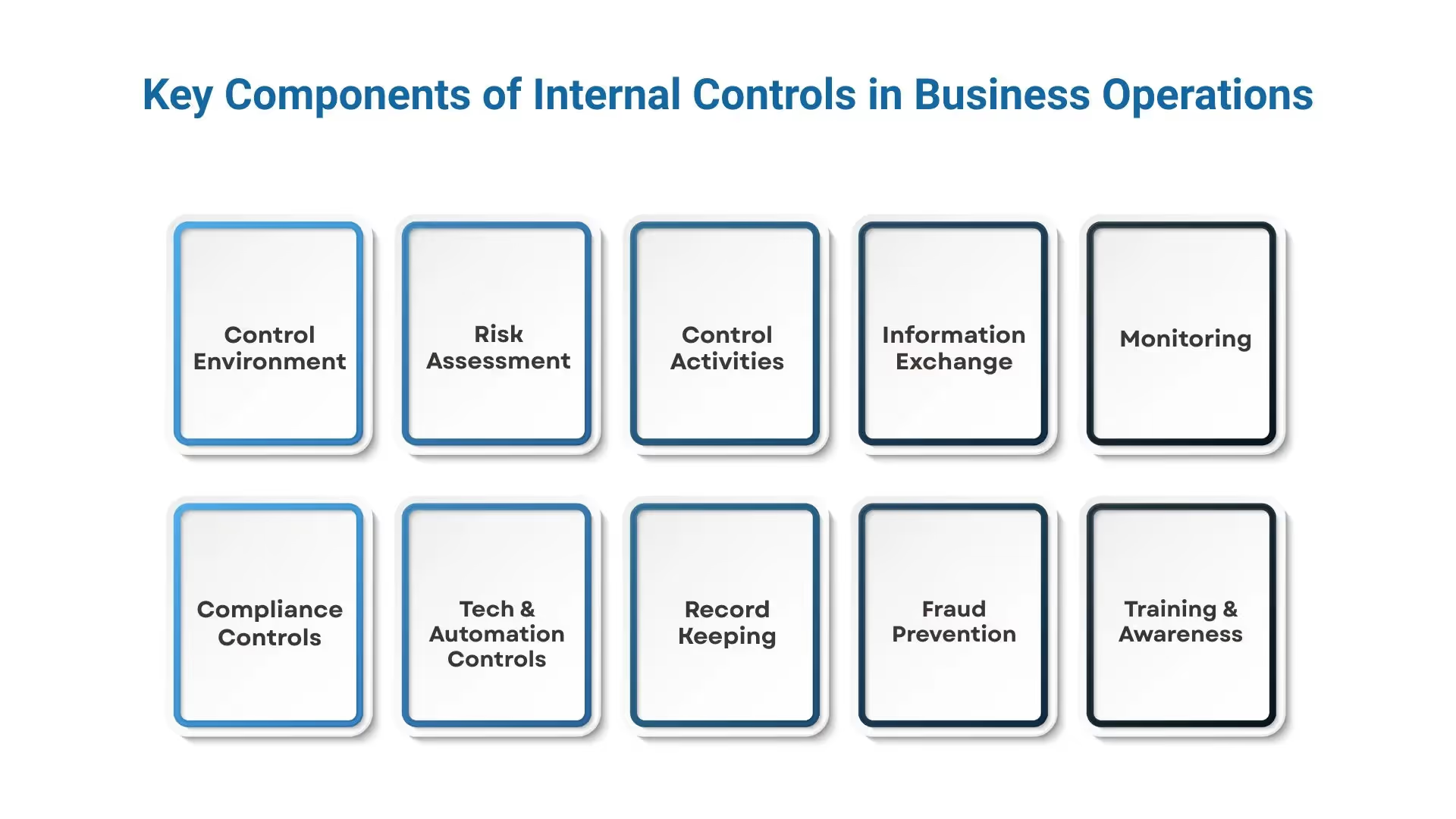
Internal controls are essential for safeguarding assets, ensuring accurate financial reporting, promoting operational efficiency, and maintaining compliance with laws and regulations. A strong system of internal controls helps prevent fraud, detect errors, and improve business processes.
The primary components of internal controls include:
あわせて読みたい:企業向け法人税監査ガイド
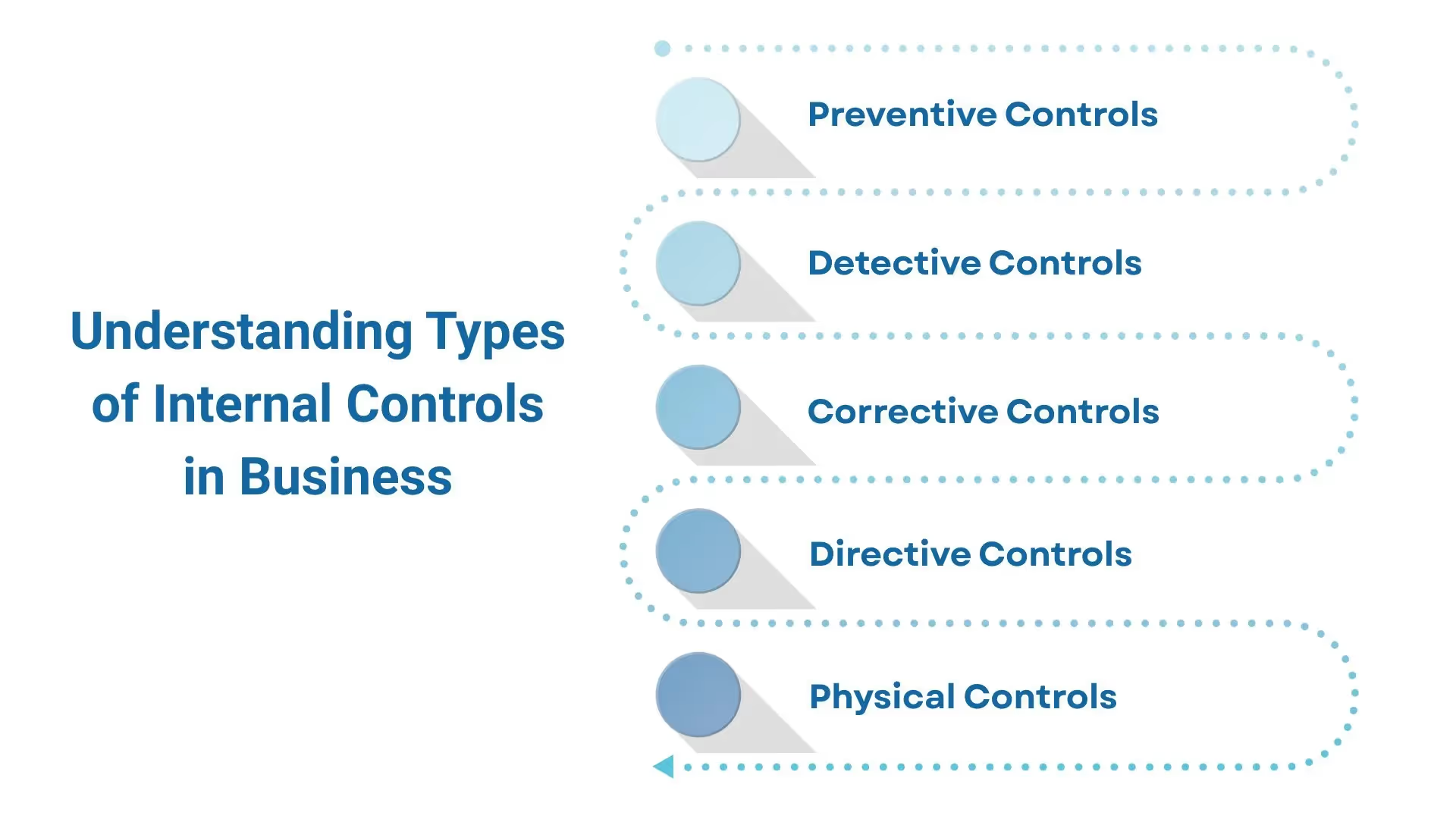
Internal controls establish a structured approach to safeguard assets, ensure the accuracy of financial data, promote efficient operations, and guarantee compliance with laws and internal policies.
By categorizing these controls into distinct types, organizations can apply targeted measures to address different risks and challenges effectively:
1. Preventive Controls: Preventive controls are designed to stop errors, fraud, or unauthorized actions before they even happen. By establishing clear rules, barriers, and procedures, these controls reduce the risk of mistakes and misconduct at the earliest stage possible, often deterring potential issues before they arise.
Example: A company implements a policy requiring two separate employees to both authorize and approve any payment that exceeds $10,000. This segregation of duties ensures no single person has full control over disbursing funds, which helps prevent fraud or misappropriation of company money.
2. Detective Controls: Detective controls focus on identifying errors, fraud, or irregularities as soon as possible after they have occurred. These controls enable organizations to identify and address problems promptly, minimizing potential damage and enhancing accountability.
例:企業は毎月、社内の会計記録と銀行の取引明細を照合する詳細な銀行残高調整を行っています。このプロセスで発見された不一致や異常な取引は、正確な財務記録を維持するために徹底的に調査・解決されます。
3. 是正統制:是正統制は、発見統制によって問題が特定された後に機能します。その目的は、問題を修正し、同様の問題が再発しないよう変更を加えて、内部プロセスの改善やシステムの弱点の強化を図ることです。
例:サイバーセキュリティ侵害が検知された場合、企業はセキュリティソフトウェアのアップグレードや多要素認証の導入といった対応をとります。さらに、従業員に対して強力なパスワードの作成やフィッシング詐欺の見分け方に関するトレーニングを実施し、将来的なセキュリティ事故の防止を図ります。
4. 指示的統制:指示的統制は、従業員が会社のポリシーや規制要件を遵守できるよう、明確な指示、ガイドライン、基準を提供するものです。これらの統制は、一貫した行動や倫理的な振る舞いを促進し、組織の目標との整合性を確保します。
例:企業は、期待される倫理的行動や法的義務を概説した包括的な行動規範を配布しています。四半期ごとのトレーニングセッションを通じてこれらの基準を強化し、従業員が自身の責任を理解し、日常業務でルールを適用する方法を習得できるようにしています。
5. 物理的統制:物理的統制は、現金、在庫、設備、機密文書などの有形資産を、盗難、損傷、不正使用から保護することに重点を置いています。通常、物理的なスペースの保護や、権限のある担当者のみへのアクセス制限などが含まれます。
例:倉庫施設では、主要エリアを監視するための戦略的に配置された防犯カメラ、すべてのドアへの高品質な鍵、制限区域に入る際に提示が義務付けられたIDバッジの着用など、多層的な物理的セキュリティを採用しています。このアプローチにより、在庫の盗難や不正アクセスのリスクが大幅に軽減されます。
おすすめの記事:内部監査アウトソーシングのメリットを最大限に活用する
内部統制はその重要性にもかかわらず、有効性に影響を及ぼし得る固有の限界を持っています。経営陣、監査人、ステークホルダーが現実的な期待値を設定し、補完的な対策を講じるためには、これらの限界を理解することが不可欠です。主な限界は以下の通りです。
強力な内部統制は、健全なビジネスの基盤です。それは財務リスクを軽減し、不正を防止し、規制遵守を確実にします。これらの統制は、成長と投資家の信頼にとって不可欠です。VJM Globalでは、米国を拠点とするCPA事務所や企業に対し、それぞれのニーズに合わせた専門的なオフショア会計サポートを提供することで、効果的な内部統制システムの構築を支援しています。
VJM Globalがオフショア・スタッフィングを通じて内部統制の強化をどのようにサポートするかをご紹介します:
監査の目が厳しくなり、リモート環境での不正リスクが高まる中、強力な内部統制フレームワークを持つことはもはや選択肢ではなく必須です。VJM Globalは、専門知識、テクノロジー、そして柔軟なスタッフィングを組み合わせ、CPA事務所や企業が常に一歩先を行くための支援を提供します。
監視体制の不足にお悩みの方も、成長に合わせて統制システムを拡張する必要がある方も、VJM Globalは説明責任を果たすためのオフショアパートナーとして最適です。
今すぐお問い合わせください。貴社の時間とコストを節約しながら、内部統制戦略をどのようにサポートできるかをご説明します。
A:内部統制は、会社の資産を保護し、エラーや不正を防止し、正確かつタイムリーな財務報告を確実にするために存在します。また、業務の一貫性、説明責任、法律や社内規定の遵守を促進することで、戦略的な意思決定をサポートする役割も果たします。
A: 企業が内部統制を導入するのは、財務諸表の誤謬、資金の流用、業務の中断といったリスクを抑えるためです。これらの統制は、会計記録の正確性を検証し、職務分掌を徹底させ、規制当局やステークホルダーに対して明確な監査証跡を提供するために役立ちます。
A: 内部統制は、以下の5つの基本要素で構成されています。
A: 完璧なシステムは存在しません。内部統制は不正のリスクを大幅に低減させますが、共謀や経営者による権限の乱用がある場合、完全に排除することは困難です。しかし、適切に設計された統制フレームワークは、監視と説明責任の層を厚くすることで、不正の発見率を高め、不正行為を抑止する効果があります。
A: 企業は少なくとも年に1回、内部統制を正式に評価する必要があります。ただし、急激な成長期、組織再編、システムアップグレード、規制要件の変更などがある場合は、より頻繁に見直すべきです。継続的なモニタリングと定期的な監査は、統制上の欠陥が大きなリスクに発展する前に特定するのに役立ちます。

.avif)


