米国からインドで会社を設立するために必要な書類

公開日:
September 10, 2025

目次

お問い合わせ
ありがとうございます。送信が完了しました。
送信中にエラーが発生しました。

ワンストップで、
グローバルな解決策を

確かな自信と明瞭な視点で、クロスボーダービジネスを支援します。
相談を予約する

Starting a company in India has become easier with SPICe+ and digital filings. As of November 30, 2024, 112,962 companies were registered in FY 2024–25, according to the MCA. With growth in cloud computing, fintech, and real-time services, understanding the registration process allows a faster, clearer path to launch. 

This guide details the required documents, explains each step of company incorporation, and highlights common mistakes to avoid. Whether you're launching a SaaS startup or a local service, it equips you to start strong and stay compliant. Up next, we outline the key documents you’ll need.

Key Takeaways

  • PAN, Aadhaar, and address proofs are just the entry point. Sector-specific licenses and foreign compliance documents often determine approval speed.
  • SPICe+, an integrated form covers company registration, tax setup, and bank account creation through a single digital platform.
  • Overseas promoters must legalize key documents through proper channels. Errors in these can stall the registration process.
  • Inconsistent spellings, outdated addresses, or signature mismatches across documents can result in rejections or extended scrutiny.
  • Accurate records today reduce legal risks, speed up funding rounds, and simplify future compliance or audits.

Introduction to Company Registration in India

Registering a company in India means creating a legally recognized business entity under the Companies Act, 2013. This process gives your business a separate legal identity, allowing it to operate, own assets, enter into contracts, and be liable independently of its founders. The Ministry of Corporate Affairs (MCA) manages all incorporations, and recent reforms, especially digital tools like SPICe+, have significantly simplified the process.

Type of Entity

Who It’s For

Key Features

Private Limited Company

Startups, SMEs

Limited liability, funding-friendly, MCA-regulated

Public Limited Company

Large businesses

Can raise public capital, stricter compliance

One Person Company (OPC)

Solo founders

One member/director, limited liability

LLP

Professionals, service firms

Hybrid structure, flexible internal operations

Sole Proprietorship

Freelancers, micro businesses

Not MCA-registered, minimal compliance

Why Is Company Registration Critical?

  • Required for issuing equity, attracting investors, and raising venture funding
  • Enables opening a current account in the company’s name
  • Establishes a credible identity for contracts and tenders
  • Offers tax and legal protection under corporate status
  • Needed for GST registration and government schemes

Recent Changes in Registering a Firm in India that You Should Know!

  • SPICe+: A unified online form covering name reservation, incorporation, PAN, TAN, GST, EPFO, ESIC, and bank account setup
  • Integrated Compliance: Single-window system reduces approval time and manual errors
  • Digital Push: MCA filings are now fully online with Aadhaar-based e-signatures

Want to avoid costly registration mistakes and speed up your company setup in India? Discover how VJM Global’s expert guidance confirms a smooth, compliant registration from start to finish. Reach out now!

Avoid costly legal mistakes, let our chartered accountants guide your India expansion.

Understanding how to register a firm in India and the documents needed to register a company in India is essential for avoiding delays, penalties, or rejected applications. The next section will walk you through every document required for smooth India company incorporation.

Also Read: How to Register a Trademark in India: Step-By-Step Guide

インドでの会社設立方法と必要書類を理解することは、遅延、罰金、申請却下を避けるために不可欠です。次のセクションでは、インドでの円滑な会社設立に必要なすべての書類について詳しく解説します。

How to Register a Firm in India: Essential Documents Checklist

When registering a firm in India, it's important to understand the broader business landscape. As of January 2025, India had over 28 lakh companies registered, with approximately 65% active, highlighting a growing market. 

reflecting a dynamic market. However, nearly 10 lakh companies have shut down, underscoring the need for accurate documentation and strict compliance. The following section covers the key documents required for a smooth registration process.

これはダイナミックな市場を反映しています。しかし、約100万社が閉鎖に追い込まれているという事実は、正確な文書作成と厳格なコンプライアンスの必要性を強調しています。次のセクションでは、円滑な登録プロセスに必要な主要書類について説明します。

1. 取締役識別番号(DIN)

取締役識別番号(DIN)とは、インドで会社の取締役への就任を希望する個人に対し、企業省(MCA)が発行する8桁の固有コードです。DINの取得は会社登録プロセスの最初の必須ステップであり、すべての取締役は就任前にこの識別番号を取得しなければなりません。

  • It acts as a permanent identity for directors across all companies they serve.
  • Helps prevent fraudulent activities by maintaining a database of directors and their directorships.
  • Confirms transparency and accountability in corporate governance.
  • Mandatory for filing company forms related to director appointment and resignation.

How to Apply for DIN:

  • Apply online through the MCA portal using Form DIR-3.
  • Submit necessary documents like proof of identity, address, and photograph.
  • DIN is usually granted within 1–3 working days if the application and documents are in order.

DINに関する重要ポイント

Aspect

Details

Validity

Lifetime validity unless surrendered or cancelled by MCA

Eligibility

Any Indian citizen or foreign national intending to become a company director

Multiple DINs

One individual can have only one DIN; multiple DINs are not permitted

Required Documents

PAN card (Indian nationals), Passport or other ID proof (foreign nationals), Address proof

Cost

No separate fee for DIN if applied with SPICe+; otherwise, a nominal fee applies

補足事項:

  • 外国籍の方もDINを申請できますが、追加のKYC書類の提出が必要です。
  • 却下を防ぐため、DINは取締役のPANカードと紐付ける必要があります。
  • SPICe+を使用して会社設立を行うと、最大3名までの取締役のDINを同時に割り当てることができ、手続きを迅速化できます。

DINを適切に取得し紐付けることで、取締役の情報が正式に記録され、MCA(企業省)の規則に準拠していることが証明され、設立時の遅延を防ぐことができます。DINがない場合、法的に取締役として活動したり、会社登記手続きを完了したりすることはできません。

Also Read: Company Registration Cost in India Explained

2. 電子署名証明書(DSC)

電子署名証明書(DSC)とは、企業省(MCA)にオンラインで書類を提出する際、申請者の本人確認を行うための電子的な署名形式です。取締役および権限のある署名者は、会社設立やその他の関連書類をデジタルで提出するために、DSCの取得が義務付けられています。

DSCが不可欠な理由:

  • 安全で改ざん不可能なデジタル取引を保証します。
  • 2000年情報技術法に基づき、法的な有効性を持ちます。
  • SPICe+、eMOA、eAOA、年次報告書などのオンライン提出を可能にします。
  • 偽造を防止し、提出時の文書の完全性を保護します。

DSCの種類:

  • クラス2 DSC:会社登記、所得税申告、GST申告に使用されます。MCAへの提出において最も一般的に必要とされるものです。
  • クラス3 DSC:より高いセキュリティレベルを要する電子入札、電子調達、政府プロジェクトに使用されます。

DSCの取得方法:

  • eMudhra、Sify、NSDLなど、政府認定の認証局(CA)を通じて申請してください。
  • 本人確認書類(PANカード、Aadhaar)、住所証明書、パスポートサイズの写真を提出します。
  • 本人確認のため、通常はビデオ通話または対面での確認が行われます。
  • DSCは通常、1〜3営業日以内に発行されます。

DSCに関する重要ポイント

Aspect

Details

Validity

Typically 1 or 2 years; renewable on expiry

Required For

Directors, company secretaries, authorized signatories for MCA filings

Cost

Approx. INR 1000–2000 depending on provider and validity period

Device

DSC is issued on a USB token or a software-based certificate

MCA Filing Requirement

Mandatory for signing all electronic documents in company registration

補足事項:

  • DSCは使用前にMCAポータルで登録する必要があります。
  • 各取締役は個別のDSCを持つ必要があり、1つのDSCを共有することはできません。
  • DSCは物理的な書類作成を不要にし、デジタル提出を可能にすることで効率を向上させます。

有効なDSCがない場合、設立書類への電子署名やMCAの電子提出義務への準拠ができず、インドでの会社設立手続きが大幅に遅延します。

3. 名称承認

名称承認は、会社登記プロセスにおける必須ステップであり、提案した会社名が企業省(MCA)によって審査・承認されます。これにより、会社名が独自のものであり、命名ガイドラインに準拠しており、既存の商標や登録企業を侵害していないことが確認されます。

名称承認が重要な理由:

  • 既存の会社名との重複や類似を防ぎます。
  • ブランドアイデンティティを法的に保護します。
  • 2013年会社法に基づく命名規則への準拠を確認します。
  • 名称が却下されると、設立プロセス全体が遅延する可能性があります。

名称承認の申請方法:

  • RUN(Reserve Unique Name)ウェブサービス、またはSPICe+フォームの一部として、希望する名称を提出してください。
  • 優先順位の高い順に最大2つまで名称を提案できます。
  • 名称はMCA(インド企業省)のデータベースおよび商標と照合されます。
  • 承認または却下の結果は、通常2〜4営業日以内に通知されます。

名称決定に関するガイドライン:

  • 既存の会社名やLLP(有限責任事業組合)名と同一、または酷似していてはなりません。
  • 不快感を与える言葉や不適切な言葉を含めてはなりません。
  • 特定の言葉(例:「National」「Bank」「Stock Exchange」など)の使用には政府の承認が必要です。
  • 会社の性質や事業内容を反映した名称が推奨されます(必須ではありません)。

名称承認に関する重要ポイント

Aspect

Details

Application Mode

RUN service or SPICe+ form

Number of Names Allowed

Up to 2 names per application

Validity of Approval

20 days (can be extended by 20 more days)

Fees

INR 1,000 per application

Rejection Reasons

Similarity to existing names, offensive words, prohibited terms

補足事項:

  • 選択した名称が却下された場合、MCAからの指摘事項に対応した上で再申請が可能です。
  • 名称の承認は、会社のブランドおよび法的アイデンティティの基盤となります。
  • 早期に承認を得ることで、その後の設立手続きにおける複雑な問題を回避できます。

名称承認を正確に完了させることは、インドでの会社設立プロセスにおいて極めて重要であり、正式な法人化に向けた円滑な進行を確実にするものです。

4. 定款(MOA)および付属定款(AOA)

定款(MOA)および付属定款(AOA)は、インドでの会社登記に不可欠な基本書類です。これらは、会社の憲法、事業範囲、および内部統治規則を定義するものです。

MOAとAOAが重要な理由:

  • MOAは、会社の目的、事業範囲、および権限を概説します。
  • AOAには、会社の内部運営に関する規則や、株主および取締役の権利が記載されています。
  • 両書類は法的拘束力を持ち、2013年会社法に準拠している必要があります。
  • これらは紛争時の参照点となり、規制遵守の根拠となります。

MOAの主な内容:

  • 名称条項:会社の正式名称。
  • 目的条項:主要な事業活動および付随的な事業活動。
  • 責任条項:構成員の責任範囲(有限責任または無限責任)。
  • 資本条項:会社の授権資本に関する詳細。
  • 加入条項:設立時の出資者名および引き受けた株式数。

AOAの主な内容:

  • 取締役の選任、権限、および義務に関する規則。
  • 取締役会および株主総会の運営手順。
  • 株主の権利および配当政策。
  • 株式譲渡および新株発行に関するガイドライン。
  • 会社会計および監査の管理。

MOAおよびAOAの作成と提出方法:

  • 会社のビジネスモデルおよび法的要件に従って作成されます。
  • MCAポータルでテンプレートを利用できますが、カスタマイズが必要な場合があります。
  • SPICe+を通じて会社設立時にオンラインで提出します。
  • MCAの規定に従い、すべての出資者および証人による署名が必要です。

Document

Purpose

Legal Significance

Memorandum of Association (MOA)

Defines company’s objectives and powers

Public document, filed with MCA

Articles of Association (AOA)

Governs internal management and shareholder relations

Binding contract among members

補足事項:

  • MOA/AOAの変更には、特別決議による承認およびMCAへの届出が必要です。
  • 適切に作成されたMOAとAOAは、法的リスクを軽減し、会社運営の透明性を高めます。

あわせて読みたい:インドでの会社設立:ニーズに合わせた適切な法的構造の選び方

5. 本店所在地証明書

本店所在地証明書は、企業省(MCA)に登録された会社の公式な所在地を証明する必須書類です。この住所は、すべての公式な連絡、通知、および法的文書の送付先となります。

本店所在地証明書が重要な理由:

  • 会社の法的な所在地を確定させる。
  • 政府機関や規制当局とのすべてのやり取りに必要。
  • 税務通知や裁判所の召喚状など、公式な書簡を受け取るために必要。
  • 法的事項における管轄権の基準点となる。

認められる本店所在地証明書の種類:

  • 不動産の所有権書類:物件の売買証書または権利証書。
  • 賃貸借契約書:有効な賃貸借契約書および物件所有者からの無異議証明書(NOC)。
  • 公共料金の領収書:最近の電気、水道、または電話の請求書(通常、補足書類として必要)。
  • 市町村の固定資産税領収書またはそれに準ずる地方自治体の税務証明書。

重要な要件:

  • 住所はインド国内の物理的な場所である必要があります。
  • 私書箱やバーチャルオフィスは、追加の証明がない限り、原則として認められません。
  • 賃貸物件を使用する場合は、所有者からの明確な無異議証明書(NOC)が必須です。
  • この証明書に記載された住所は、MCAの記録にある本店所在地と一致している必要があります。

本店所在地証明書に関する重要ポイント

Proof Type

Required Documents

Notes

Ownership

Sale deed/title deed

Must be in the company’s or director’s name

Rent Agreement + NOC

Lease agreement and NOC from owner

NOC must be recent and duly signed

Utility Bill

Recent electricity/water/telephone bill

Used as a supplementary document

Local Authority Tax Proof

Municipal tax receipt

Supports proof of occupancy

補足事項:

  • 本店所在地は、設立から30日以内に申告する必要があります。
  • 住所は、必要に応じて公式な立ち入り検査が可能な場所であるべきです。
  • 住所証明が不正確であったり、不一致があったりすると、会社設立手続き中に遅延や却下を招く可能性があります。

本店所在地証明書を適切に提出することは、会社のコンプライアンスを確保し、当局との円滑なコミュニケーションを可能にします。これは、インドで会社を設立する方法を検討する上で不可欠なステップです。

あわせて読みたい:インドでの会社設立について知っておくべきすべてのこと

6. INC-29フォーム(統合設立申請フォーム)

INC-29フォームは、インドにおける会社設立手続きを簡素化するために企業省(MCA)が導入した統合オンラインフォームです。名称の承認、DIN(取締役識別番号)の割り当て、会社登録といった複数のステップを、一度の電子申請に集約しています。

INC-29フォームが重要な理由:

  • 複数の申請を一つのフォームに統合することで、登録プロセスを簡素化します。
  • 事務作業を減らし、個別の申請を不要にすることで時間を節約します。
  • 取締役識別番号(DIN)の取得、会社名の承認、および設立申請を同時に行うことができます。
  • 承認を迅速化し、処理上のミスを低減します。

INC-29フォームの主な特徴:

  • 会社名の予約をカバー。
  • 取締役のDIN割り当てを含む。
  • 基本定款(MOA)および付属定款(AOA)の提出。
  • 会社のPAN(納税者番号)およびTAN(源泉徴収税アカウント番号)の申請を統合。
  • (SPICe+と連携した場合)GSTやその他の該当する登録申請が可能。

重要な検討事項:

  • 主に非公開会社に適しています。
  • すべての加入者および取締役の電子署名が必要です。
  • MCAポータルを通じてオンラインで申請する必要があります。
  • 該当する手数料は、フォーム提出時に支払います。

フォームINC-29に関する重要ポイント

Aspect

Details

Purpose

Single-window company incorporation process

Applicable Entities

Private Limited Companies

Documents Included

Name approval, DIN, MOA, AOA, PAN, TAN

Filing Mode

Mandatory online filing via MCA portal

Digital Signature

Required from all directors and subscribers

補足事項:

  • INC-29は設立手続きを簡素化しますが、新規登録においてはSPICe+が主流となっています。
  • フォームINC-29は、複数のフォーム提出を回避できるため、MCAのオンラインシステムに精通しているユーザーにとって効率的です。
  • 却下を避けるため、すべての添付書類を正しく理解し、準備することが不可欠です。

フォームINC-29を正しく使用することで、複数のコンプライアンス要件を1つのステップにまとめ、インドでの会社設立プロセスを迅速化できます。

7. 株主名簿および本人確認書類

株主名簿は、会社設立時に提出が義務付けられている書類であり、会社の株式を引き受けるすべての個人または法人の詳細が記載されています。透明性と法的コンプライアンスを確保するため、各株主の身元は有効な本人確認書類によって証明されなければなりません。

この書類の重要性:

  • 会社の所有構造を確立します。
  • 株主権の法的承認に必要です。
  • 不正な株主権の主張やマネーロンダリングの防止に役立ちます。
  • MCAへの申請および将来の規制遵守に必須です。

認められる本人確認書類:

  • 個人の場合:PANカード(必須)、Aadhaarカード、パスポート、有権者ID、または運転免許証。
  • 外国籍の場合:パスポート、OCIカード、またはその他の政府発行の写真付き身分証明書(住所証明を伴うもの)。
  • 法人株主の場合:設立証明書、投資を承認する取締役会決議書、および権限のある署名者の本人確認書類。

主な要件:

  • 名簿には、氏名、住所、および持株比率を記載する必要があります。
  • 本人確認書類は最新かつ有効なものである必要があります。
  • 書類は自己証明を行い、設立時に電子的に提出する必要があります。
  • 登録後の株主変更は、MCAに届け出る必要があります。

株主名簿および本人確認書類に関する重要ポイント

Item

Requirement Details

Shareholder Details

Full name, address, number of shares held, and share class

Individual ID Proof

PAN (mandatory), plus one government-issued ID with photo

Foreign Shareholder Proof

Valid Passport and address proof

Corporate Shareholder

Incorporation Certificate, Board Resolution, Authorized Signatory ID

Submission Mode

Uploaded online during company incorporation

補足事項:

  • 税務規制を遵守するため、すべてのインド人株主にとってPANは必須です。
  • 正確な株主情報を提供することで、将来の法的紛争を回避できます。

8. 新規登録会社のための銀行口座開設

会社名義の銀行口座を開設することは、登録直後の重要なステップです。この口座は、資本金の預け入れ、運営費の支払い、財務コンプライアンスなど、すべての事業取引に使用されます。

銀行口座開設が不可欠な理由:

  • 個人資金と事業資金を分離し、会社財務の正式な窓口となります。
  • 初期資本金の払い込みに必要です。
  • 納税申告や事業運営を行う上で必須となります。
  • 監査やコンプライアンスのための透明性と財務記録の維持に役立ちます。

会社銀行口座の開設に通常必要な書類:

  • MCA(インド企業省)が発行する法人設立証明書。
  • 定款(MOA)および付属定款(AOA)。
  • 口座開設を承認し、署名権者を指定する取締役会決議書。
  • 会社のPANカード。
  • 本店所在地を証明する書類。
  • 署名権者の本人確認書類および住所証明書。
  • 銀行によっては電子署名証明書(DSC)が必要となる場合があります。

銀行口座開設に関する重要ポイント

Requirement

Description

Initial Deposit

Minimum amount as per the bank’s policy

Authorized Signatories

Directors or persons authorized through board resolution

KYC Compliance

Identity and address verification for signatories

Turnaround Time

Typically 3–7 business days after submission of documents

Types of Accounts Available

Current account, savings account (usually current account preferred)

補足事項:

  • 登記後速やかに口座を開設することで、財務運営の遅延を防ぐことができます。
  • 効率的なオンラインバンキングやビジネスサポートサービスを提供する銀行を選びましょう。
  • 適切な銀行記録を維持することは、納税申告や監査を円滑に進めるために不可欠です。
  • 一部の銀行では、手数料の割引や専任のリレーションシップマネージャーの配置など、スタートアップ向けの特別な口座を提供しています。

インド市場への参入を簡素化しませんか?VJM Globalなら、会社設立、コンプライアンス、継続的なサポートまでを一括で承ります。今すぐお問い合わせください!

あわせて読みたい:インドでの会社設立ステップバイステップガイド

登記プロセスを理解したら、次は会社を法的に設立するために必要な具体的な書類について深く掘り下げることが重要です。

インドでの会社設立に不可欠な書類

インドでの会社設立には、いくつかの重要な書類に細心の注意を払う必要があります。これには、取締役および株主の本人確認書類や住所証明書、会社の定款(MOA)および付属定款(AOA)、各種登記申請書などが含まれます。

業種によっては、食品事業におけるFSSAIライセンスや、貿易会社における輸出入コード(IEC)など、追加のライセンスや証明書が必要になる場合があります。外国のプロモーターの場合、公証およびアポスティーユ認証を受けた書類の提出が義務付けられています。

プロセスの簡素化

  • インド企業省のSPICe+システムのようなデジタルプラットフォームを活用し、事務作業の自動化、ミスの削減、申請状況のリアルタイム追跡を行いましょう。
  • 業種別の詳細なチェックリストを作成し、すべての規制要件を効果的に管理しましょう。
  • インドの会社法に精通した法律専門家や会社秘書役(カンパニーセクレタリー)の専門的な支援を検討し、ミスを最小限に抑えて時間を節約しましょう。

書類管理の重要ポイント

  • すべての書類間で整合性が取れていることを確認してください。氏名や住所の不一致は、大幅な遅延の原因となります。
  • コンプライアンスおよび将来の参照用に、提出したすべての書類のデジタルコピーと物理的なコピーを安全に保管してください。

正確かつ完全な書類作成は、登記プロセスを迅速化するだけでなく、会社の将来の成長と運営のための強固な基盤を築きます。

最新情報や詳細なガイダンスについては、インド企業省のウェブサイトをご覧ください。

基本的な書類以外にも、事業の種類によっては、適法かつ効率的に運営するために追加のライセンスやコンプライアンス関連書類が必要となります。

事業形態に応じた追加ライセンスおよび特別な書類

In India, the regulatory landscape for businesses is multifaceted, with specific licenses and documents required depending on the nature of the business. These additional requirements confirm compliance with sector-specific regulations and facilitate smoother operations.

A notable statistic underscores the complexity of this landscape: India's manufacturing MSMEs face over 1,450 regulations annually, leading to compliance costs ranging between ₹13 lakh to ₹17 lakh per year.

The table below outlines common additional licenses and documents required for various business types in India:

Business Type

Additional Licenses/Documents

Purpose

Food & Beverage

FSSAI Registration (Central/State/Basic)

Confirms food safety and quality standards.

Retail Stores

Shop and Establishment License

Regulates working conditions and employee welfare.

Factories

Factory License under the Factories Act, 1948

Confirms occupational health and safety standards.

Import/Export

Import Export Code (IEC)

Required for importing and exporting goods.

Online Businesses

Trade License under the Shops and Establishment Act

Regulates online business operations.

Liquor Serving Establishments

Excise License

Permits the legal sale and consumption of alcohol.

Security Services

PSARA License (Private Security Agencies Regulation Act)

Regulates the functioning of private security agencies.

Money Changers

FFMC License (Full Fledged Money Changer)

Authorizes the operation of money changing services.

E-commerce Platforms

GST Registration, Udyam Registration (for MSMEs)

Facilitates tax compliance and access to government schemes.

Also Read: Benefits of LLP Registration in India

Set up your Indian entity faster with VJM Global’s end-to-end business registration services.

Common Mistakes to Avoid When Registering a Firm in India

Common Mistakes to Avoid When Registering a Firm in India

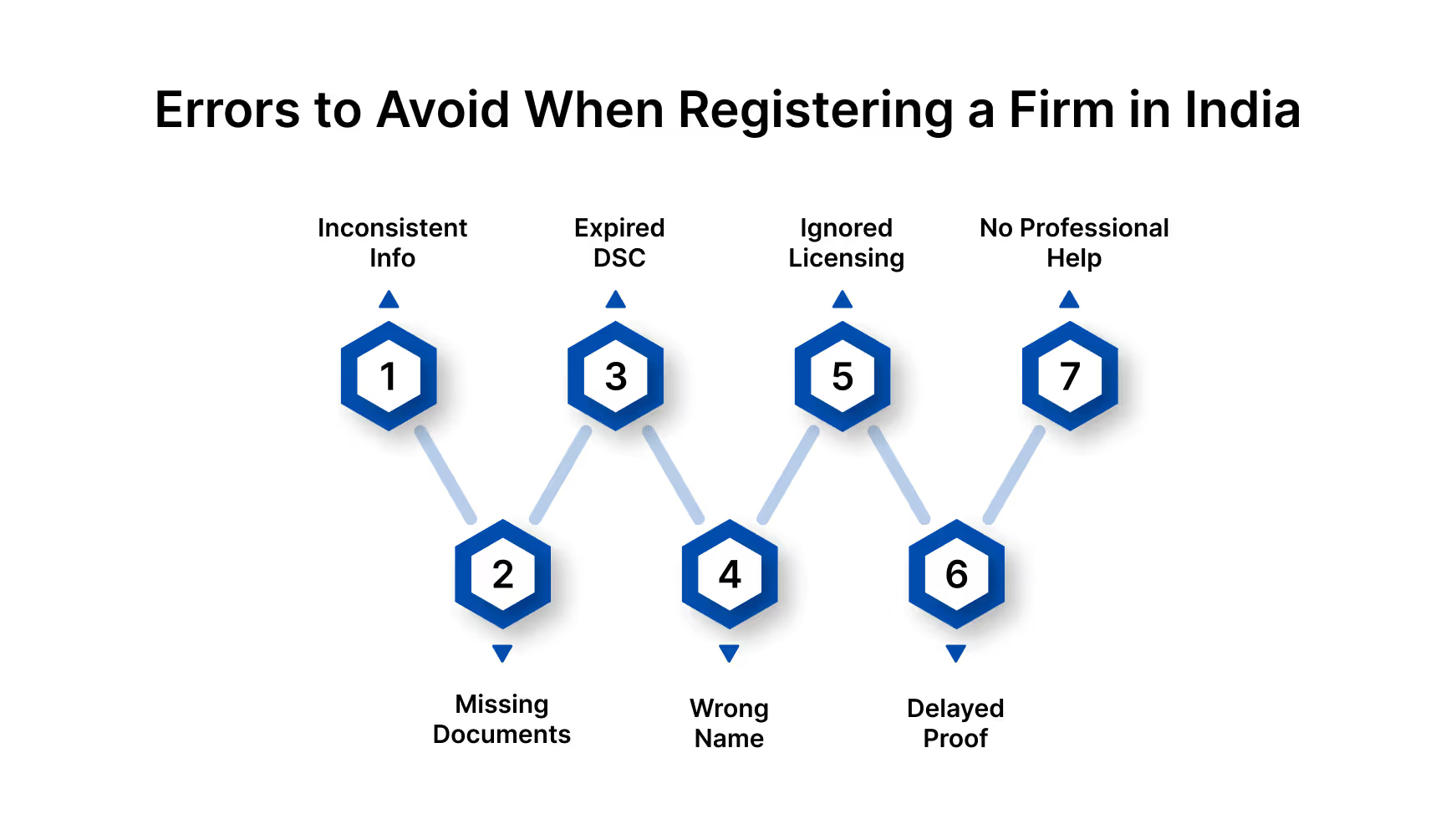
Company registration involves strict compliance, and overlooking important details can lead to delays or even rejection. Many applicants face issues due to minor inconsistencies or procedural oversights. Addressing these areas upfront can prevent unnecessary back-and-forth with authorities and save valuable time and resources.

Common Mistakes and How to Avoid Them:

  • Document Mismatches
    Inconsistent names or addresses across documents delay approvals. Double-check for exact matches.
  • Incomplete Submissions
    Missing key items like PAN, address proof, or MOA/AOA slows the process. Use a checklist to stay on track.
  • Invalid or Unlinked DSC
    Expired or unregistered digital signatures cause form rejections. Confirm DSC is valid and linked to MCA.
  • Improper Company Name
    Similar or restricted names get auto-rejected. Use MCA’s RUN tool and follow naming rules.
  • Ignoring Industry Licenses
    Missing sector-specific permits (e.g., FSSAI, IEC) leads to penalties. Identify and apply early.
  • Missing Office Proof or NOC
    Inadequate address proof or no NOC stalls registration. Verify and prepare ownership documents in advance.
  • Skipping Expert Help
    DIY approaches often miss legal nuances. Consult professionals to confirm compliance and faster approval.

Being mindful of these common challenges builds a reliable foundation for your firm’s successful registration and future growth.

Also Read: How can I register a business in India from the USA? Simplified Process for Foreigners

Avoiding missteps is easier with the right guidance. This is where VJM Global’s expertise confirms a smoother, faster, and fully compliant registration journey.

How VJM Global Helps with Company Registration & Compliance in India?

Expanding into India comes with complex regulatory requirements and documentation challenges. VJM Global specializes in simplifying this journey for U.S. entrepreneurs, startups, and SMEs by offering expert guidance on company registration in India. 

Their deep understanding of both Indian corporate laws and U.S. accounting standards confirms your business stays compliant while minimizing operational burdens.

Here’s how VJM Global Supports Your Registration Process:

  • End-to-End Company Setup
    Manages structure selection, documentation, and filing to confirm a smooth, error-free registration.
  • Regulatory Compliance & Liaison
    Handles MCA filings, GST, FEMA, and RBI compliance to keep your business penalty-free and compliant.
  • Offshore Support for U.S. Firms
    Combines registration with outsourced accounting using tools like QuickBooks/Xero, cutting costs and boosting efficiency.
  • Ongoing Advisory & Documentation
    Maintains compliance, audit readiness, and up-to-date records post-registration.

Choosing VJM Global means partnering with a trusted firm that blends local expertise with international standards, enabling your U.S.-based company to expand confidently and compliantly in the Indian market.

Ready to register your firm in India without the hassle? Connect with VJM Global now and let our expert team handle your documentation, compliance, and setup so you can focus on growing your business with speed and confidence.

FAQs

‍

1. What are the key documents required to register a company in India?

A: You need a Director Identification Number (DIN), Digital Signature Certificate (DSC), name approval, Memorandum of Association (MOA), Articles of Association (AOA), and proof of registered office. These documents must be accurate and consistent to avoid delays. Proper preparation confirms smooth registration.

2. How does the SPICe+ form simplify the company registration process?

A: SPICe+ combines multiple steps like name reservation, DIN allotment, incorporation, PAN, TAN, and GST registration into one digital form. This reduces paperwork and speeds up approvals. It makes the process more efficient and error-free.

3. Why is it important to have a valid Digital Signature Certificate (DSC)?

A: A valid DSC is mandatory for filing forms online with the Ministry of Corporate Affairs. It authenticates the identity of directors and authorized signatories, preventing forgery. Without it, digital submissions can be rejected.

4. What common mistakes should I avoid during company registration in India?

A: Avoid mismatched information across documents, incomplete paperwork, expired DSCs, improper company names, and ignoring industry-specific licenses. Delayed submission of registered office proof can also cause issues. Correct documentation speeds up approval.

5. How can professional services like VJM Global assist in the company registration process?

A: VJM Global offers end-to-end support from business structure selection to compliance management. Their expertise confirms accurate filings and regulatory adherence. This helps U.S. businesses expand into India smoothly and confidently.

‍

VJM Global
VJM Globalの専門的な知見、ヒント、最新情報をご覧ください
著者について

最新のブログ