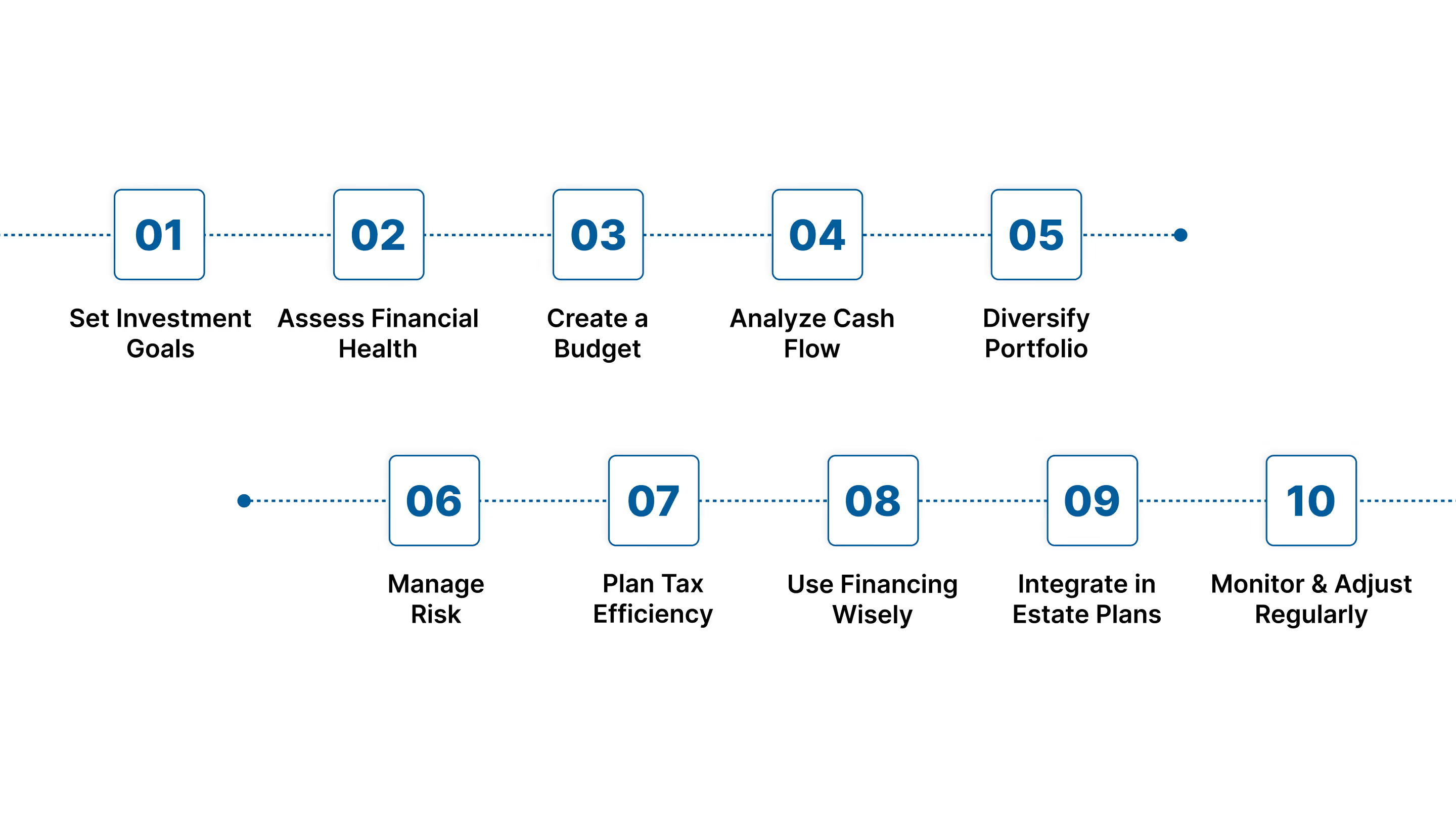
Creating a budget is a fundamental step, as it provides a clear breakdown of expected expenses and income in managing real estate investments. This further helps investors assess whether the property will generate profit or drain resources over time.
Key Components of a Real Estate Investment Budget:
Initial Acquisition Costs: These include the down payment, closing fees, inspection costs, and any necessary repairs or renovations before the property is ready for rental.
Operating Expenses: Regular expenses such as property taxes, insurance premiums, utility costs, and property management fees should be factored in. These are recurring costs that directly affect the property’s profitability.
Maintenance and Repairs: Set aside a portion of your budget for ongoing maintenance, such as landscaping, plumbing, or HVAC repairs.
Vacancy Reserves: Since rental properties don’t always stay occupied, budgeting for vacancies helps you manage periods without rental income. This reserve will help you cover costs during tenant turnover or market downturns.
Capital Expenditures (CapEx): Allocate funds for upgrades or replacements, such as roofing, appliance replacements, or structural improvements..
Contingency Fund: Create a financial cushion for unforeseen expenses or emergencies, such as natural disasters or market shifts, that could affect your property’s cash flow.
4. Analyze Cash Flow and Returns
Assessing cash flow and return metrics is essential for understanding the financial viability of a real estate investment. These analyzes help determine whether the property generates enough income to cover expenses and provide a profit. Analyzing key financial metrics will allow investors to make decisions on property management strategies to maximize returns.
Key Metrics to Evaluate:
Net Operating Income (NOI): Calculated by subtracting operating expenses from gross rental income, NOI provides a clear picture of a property's profitability before financing costs.
Cash-on-Cash Return: This metric measures the annual pre-tax cash flow relative to the total cash invested. It's useful for assessing the immediate return on investment.
Capitalization Rate (Cap Rate): The cap rate is the ratio of NOI to the property's current market value or acquisition cost. It offers a quick estimate of the ROI.
Internal Rate of Return (IRR): IRR represents the annualized rate of return over the investment's holding period, accounting for the time value of money. It helps compare the profitability of different investment opportunities.
Gross Rent Multiplier (GRM): GRM is calculated by dividing the property's price by its gross annual rental income. While not as detailed as other metrics, it provides a quick estimate of value.
5. Diversify Your Portfolio
Diversification in real estate investment involves spreading your investments across various property types, geographic locations, and investment structures to mitigate risk and boost returns. By not concentrating your investments in a single area, you reduce exposure to market fluctuations and unforeseen economic shifts.
Key Strategies for Diversification:
Invest Across Different Property Types: Allocate your investments among residential, commercial, industrial, and retail properties. Each sector responds differently to economic cycles, and diversifying helps balance risks and rewards.
Geographic Diversification: Invest in properties located in various regions or cities. This approach protects your portfolio from localized economic downturns or regulatory changes.
Utilize Real Estate Investment Vehicles: Consider investing through Real Estate Investment Trusts (REITs), Real Estate Mutual Funds, or Crowdfunding platforms.
Incorporate Different Investment Strategies: Combine various investments such as long-term buy-and-hold, short-term flips, or value-added strategies. This will provide a balanced mix of steady income and capital appreciation.
Real estate investments inherently carry risks like market fluctuations, tenant issues, and unforeseen property expenses. Implementing risk management strategies safeguards investments and long-term profitability.
Key Risk Management Techniques:
Risk Avoidance: Steer clear of investments that present excessive risk. For example, avoid properties near lake beds that are prone to natural disasters.
Risk Control: Implementing measures to minimize potential risks. This includes conducting thorough property inspections, maintaining regular maintenance schedules, and screening tenants to reduce the likelihood of legal issues.
Risk Transfer: Shifting the financial burden of certain risks to third parties through insurance policies. Property insurance, liability coverage, and rent loss insurance can protect against unforeseen events.
Diversification: Spreading investments across different property types and geographical locations to mitigate the impact of a downturn in any single market.
Due Diligence: Conducting research before making investment decisions, like analyzing market trends, property histories, and local regulations.
7. Plan for Tax Efficiency
Strategic tax planning is essential for real estate investors aiming to maximize returns and minimize liabilities. India's tax laws offer various provisions that can be used to achieve tax efficiency.
The 7% rule in real estate suggests that the annual return on investment (ROI) for a property should ideally be at least 7% of its purchase price. This helps investors gauge whether a property will generate sufficient income relative to its cost.
2. What is the 4 3 2 1 investment strategy?
The 4-3-2-1 investment strategy is a real estate approach where investors allocate their portfolio as follows: 40% in secure, income-producing properties, 30% in moderate-risk assets, 20% in high-growth investments, and 10% in speculative or high-risk properties.
3. What is the 20% rule in real estate?
The 20% rule in real estate refers to the idea that investors should aim for a 20% down payment on a property. This helps secure better financing terms, minimize monthly payments, and reduce the risk of loan default.
4. What is the 10X rule in real estate?
The 10X rule in real estate focuses on setting goals that are ten times bigger than what you initially think is achievable. This approach encourages aggressive action and larger investments to accelerate growth and maximize returns.
5. What is the most profitable way to invest in real estate?
The most profitable way to invest in real estate depends on the investor’s goals, risk tolerance, and market conditions. Common methods include rental properties for consistent cash flow, flipping for quick profits, and REITs (Real Estate Investment Trusts) for passive investment and diversification.




.avif)


