


India offers fertile ground for innovation and expansion in the software industry. For US entrepreneurs eyeing international growth, registering a software company in India presents a practical and strategic opportunity. With its deep talent pool, cost-effective operations, and strong digital infrastructure, India remains one of the most attractive destinations for global tech businesses.
According to NASSCOM’s 2024 report, India’s technology industry reached $254 billion in revenue, with software exports accounting for over 50 percent of that value. The country is also home to more than 30,000 tech startups, making it the third-largest startup ecosystem globally.
In this article, you’ll learn what defines a software company, why India is a smart choice for starting one, and how to register it legally and efficiently. Whether you’re launching a fresh venture or expanding an existing one, this guide will walk you through the process of registering an IT company in India with clarity and confidence.
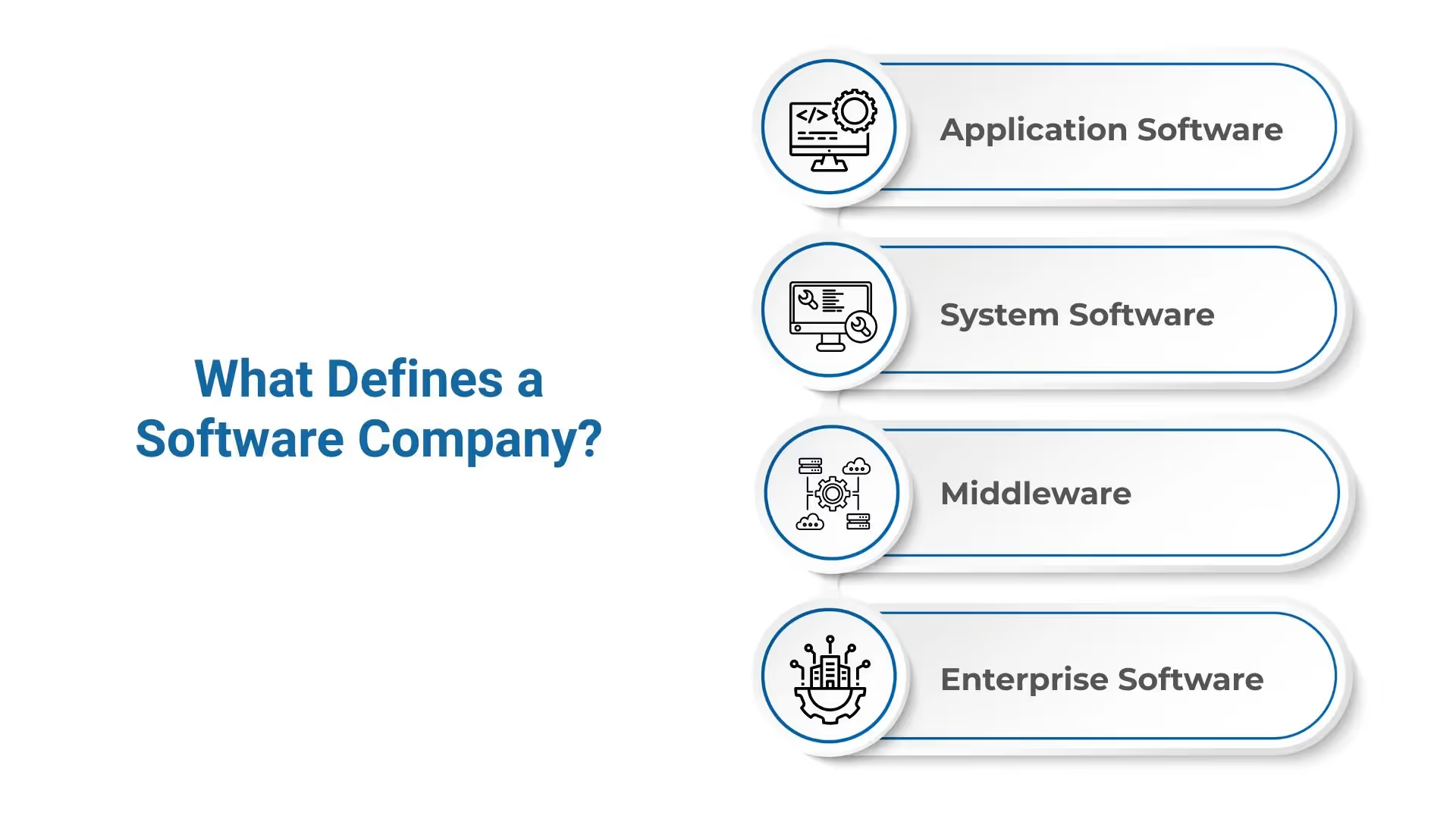
A software company is a business entity primarily focused on designing, developing, distributing, and supporting software products or services. Unlike companies that produce physical goods, software companies create intangible digital solutions that help individuals, businesses, and organizations automate tasks, solve problems, and improve efficiency.
Software companies can specialize in various types of software, including but not limited to:
These companies may operate on different business models, such as selling software licenses, offering subscription-based software-as-a-service (SaaS), providing custom software development, or delivering cloud-based solutions.
In addition to software creation, many software companies also provide ongoing support, updates, and maintenance to ensure their products continue to meet user needs and adapt to evolving technology standards.
Now, let's discuss the various types of software companies that exist.
Also Read: How to Register a Holding Company in India
Software companies fall into several categories, depending on their business model, product type, and service offerings:
Choosing the right type depends on your long-term goals, technical expertise, and market approach.
So, why should you register an IT company in India? Let us look at the advantages that it serves.

India stands out as a strategic location for IT ventures, especially for US businesses and entrepreneurs looking to expand globally. Understanding the importance and potential of this market is key before you register an IT company in India.
Why Register an IT Company in India?
インドでのIT企業登録は、単なる事業体の設立ではありません。それは、グローバルな人材や新たな市場にアクセスできる、活況を呈するテックエコシステムの中心に身を置くことを意味します。開発拠点の構築、ITサービスの提供、革新的な製品の創出など、どのような目標であっても、インドは迅速かつコスト効率よく成長するためのプラットフォームを提供します。
それでは、インドでソフトウェア会社を登録するための詳細なプロセスをご案内します。
おすすめの記事:インドで登録済みの会社を閉鎖する方法:ステップバイステップガイド

インドは、ソフトウェア開発、ITサービス、技術革新の世界的ハブとして急速に台頭しています。米国の起業家にとって、インドでの会社設立は、熟練した人材プール、有利なコスト構造、そして繁栄するビジネスエコシステムへのアクセスを可能にします。ただし、登録プロセスには、さまざまな法的、税務的、規制上のステップをクリアする必要があります。
ここでは、インドでIT企業をスムーズに登録するための、ヒントを交えた詳細なガイドをご紹介します。
会社の法的構造は、税務上の扱い、コンプライアンス要件、および所有権の管理方法を決定します。インドにはいくつかの事業形態があり、それぞれが異なるビジネス目標に適しています。外資系テック企業にとって最も一般的な構造は以下の通りです:
ヒント:米国の起業家の多くは、有限責任による保護、資金調達の容易さ、そして世界的な認知度の高さから、非公開有限責任会社(Private Limited Company)を選択しています。
会社設立のためのすべての申請は、MCA(企業省)のポータルを通じてオンラインで行われるため、すべての取締役候補者には電子署名証明書(DSC)が必須となります。このデジタルキーは、取締役の身元を証明し、オンライン文書への署名を承認するものです。
ヒント:このプロセスは早めに開始してください。多くの外国人申請者が確認作業の問題で遅延に直面するため、eMudhraやSifyなどの認定プロバイダーを通じて、正確なパスポート情報と住所情報で申請することをお勧めします。
A Director Identification Number (DIN) is a unique ID issued to each director of a company in India. It guarantees the government can track a person’s involvement in multiple companies and hold them accountable for compliance.
ヒント:SPICe+フォームを通じて申請する場合、最大3名までの取締役のDINを即座に生成できます。会社を直接設立する場合は、個別のDIN申請は不要です。
会社名は、MCAの命名ガイドラインに準拠し、事業内容を明確に反映している必要があります。設立前に、RUN(Reserve Unique Name)施設を通じて名称承認を申請する必要があります。
ヒント:MCAポータルで、名称の事前確認を行ってください。一般的な名称は避け、「Technologies」、「Software」、「Solutions」といった業界特有の単語を含めると、承認が早まります。
SPICe+は、会社設立プロセスを効率化する統合オンラインフォームです。会社登記、PAN(納税者番号)およびTAN(源泉徴収口座番号)の割り当て、GST(物品サービス税)登録、その他のサービスが含まれています。以下の主要な書類を提出する必要があります。
ヒント:MoAおよびAoAの作成には、現地の会社秘書役や設立専門家を起用しましょう。これらの書類には、貴社の技術的な焦点と将来の目標が正確に反映されている必要があります。
恒久口座番号(PAN)は、インドでの所得税申告に不可欠です。同時に、源泉徴収口座番号(TAN)は、給与やベンダーへの支払いから税金を源泉徴収するために必要となります。
ヒント:SPICe+フォームを使用する場合、これらの番号を個別に申請する必要はありません。会社設立手続きと同時に自動的に処理されます。フォームの詳細に誤りがないか、必ず再確認してください。
貴社のIT企業が課税対象となるサービスを提供している、またはソフトウェアを輸出している場合、物品サービス税(GST)の登録が義務付けられています。GSTはインド全土で適用される連邦税であり、請求書発行およびコンプライアンス遵守のために必要です。
ヒント:収益が海外のクライアントからのものであっても、GSTに登録することで仕入税額控除を申請でき、ゼロ税率の輸出ステータスの対象となることができます。
会社が登記され、PANおよび設立証明書を取得したら、次のステップは、すべての事業取引のために信頼できるインドの銀行で当座預金口座を開設することです。
ヒント:オンラインバンキングや海外送金サポートが充実した銀行を選びましょう。ICICI、HDFC、Axis、SBIなどは外資系企業に人気があります。一部の銀行では、専任のアドバイザーがクライアントをサポートするビジネススタートアップパッケージを提供している場合もあります。
オフィスの所在地やビジネスモデルによっては、以下のようなライセンスが必要になる場合があります。
ヒント:現地の公認会計士やビジネスアドバイザーに相談し、州ごとの要件を確認して、早期にコンプライアンス上の不備を防ぎましょう。
では、インドでソフトウェア会社を設立する際に企業が満たすべき法的要件とは何でしょうか。以下で詳しく見ていきましょう。
会社が登記された後は、罰則を回避し、良好な状態を維持するために、インドの継続的な法的・規制的枠組みを遵守し続ける必要があります。
1. 会社登記官(ROC)への届出:会社法に基づいて登記されたすべての企業は、年次報告書および監査済みの財務諸表を会社登記官(ROC)に提出しなければなりません。これにはAOC-4やMGT-7などのフォームが含まれます。コンプライアンスを遵守しない場合、延滞料の発生や取締役の資格剥奪につながる可能性があります。
2. 法人税のコンプライアンス: 企業は毎年法人税申告書を提出し、該当する場合は予定納税を行う必要があります。米国法人の子会社として運営されるソフトウェア企業には、移転価格税制が適用されます。これには、米国親会社との取引を正当化するための文書の維持や、該当する場合はForm 3CEBの提出が求められます。
3. GST(物品サービス税)の登録と申告: ソフトウェアおよびITサービスには、通常18%のGSTが課されます。企業はGSTへの登録、適切な請求書の発行、および売上高に応じた月次または四半期の申告(GSTR-1およびGSTR-3B)を行う必要があります。ソフトウェアサービスの輸出はゼロ税率となる場合がありますが、それにはLUT(Letter of Undertaking)制度に基づく適切な文書による裏付けが必要です。
4. 雇用および労働法コンプライアンス: インドで従業員を雇用するには、現地の労働法を遵守する必要があります。これには、正式な雇用契約書の締結、該当する場合の従業員積立基金(EPF)および従業員州保険(ESI)への拠出、退職金、休暇制度、解雇手続きに関する規制の遵守が含まれます。また、企業は各州の商店・商業施設法(Shops and Establishments Act)にも従わなければなりません。
5. データ保護およびサイバー法: ユーザーデータを収集、保存、または処理する事業者は、インドの情報技術(IT)法およびその規則を遵守しなければなりません。デジタル個人データ保護法(DPDPA)の施行が間近に迫っているため、企業は、今後の法的枠組みに合わせ、明確な同意メカニズム、ユーザーデータの監査、国境を越えたデータ転送プロトコルといったデータガバナンス対策を先取りして導入しておくべきです。
6. その他のライセンスおよび現地登録: オフィスの所在地によっては、営業許可証、専門職税の登録、または現地の自治体法に基づく登録が必要になる場合があります。これらは通常、州ごとに異なり、海外の起業家が見落としがちな点です。
では、インドでソフトウェア会社を設立する際に伴う課題とは何でしょうか。以下で詳しく解説します。
こちらもおすすめ:インドにおける個人事業主の登録ガイド
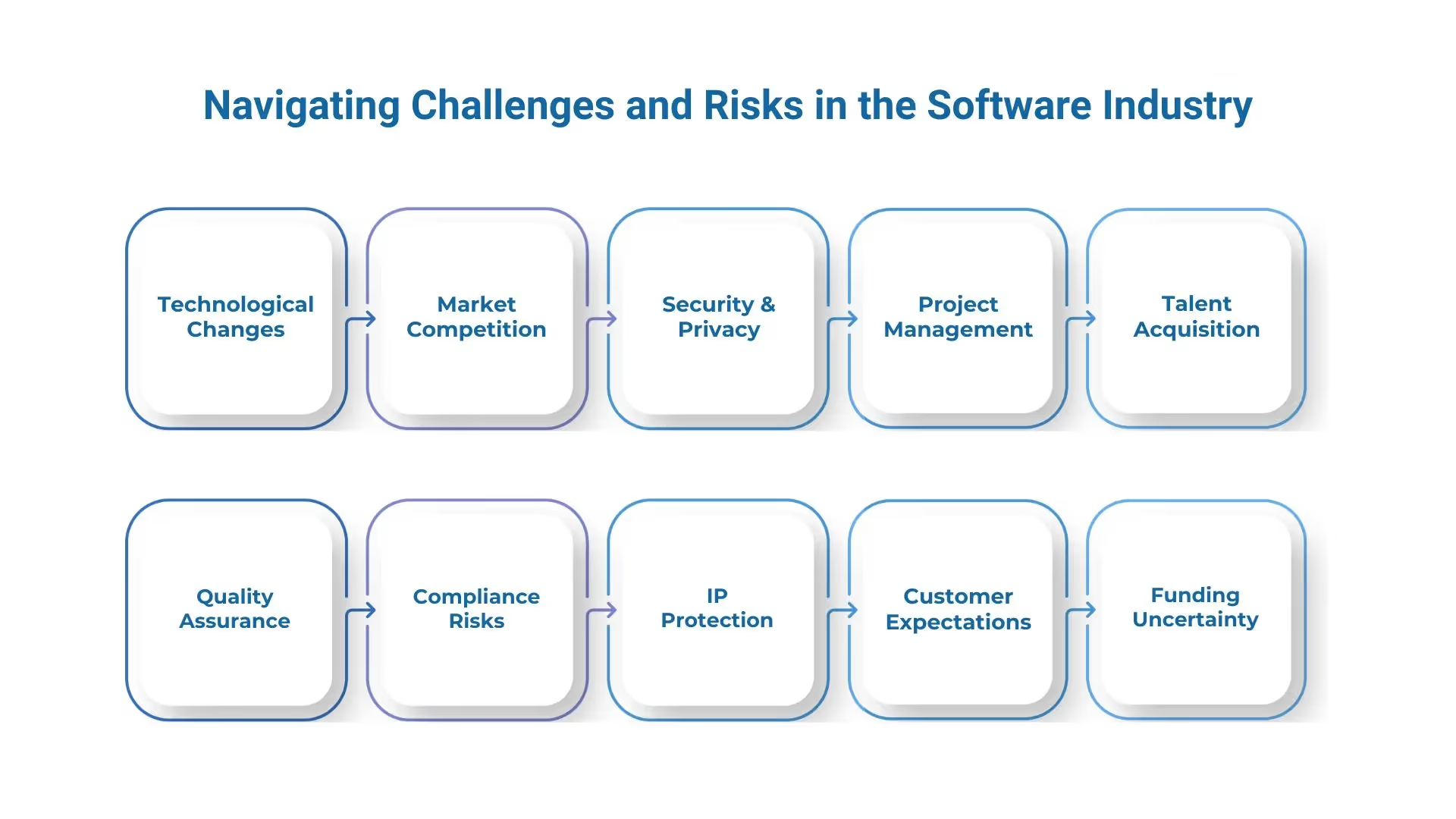
会社設立はあくまで第一歩に過ぎません。インドでソフトウェア企業を運営する米国の起業家にとって、日々の業務は、特に現地のコンプライアンス、税規制、人材管理への対応において複雑なものとなる可能性があります。
ソフトウェア業界の技術は猛烈なスピードで進化しています。新しいプログラミング言語、フレームワーク、ツール、プラットフォームが次々と登場するため、絶え間ない学習と適応が求められます。企業はチームのスキルを最新の状態に保つのに苦労しており、それがスキルの陳腐化、生産性の低下、あるいは市場機会の喪失につながる可能性があります。
ソフトウェア開発への参入障壁は比較的低く、市場は混雑しています。スタートアップ企業も既存企業も激しい競争にさらされており、差別化とイノベーションが不可欠です。独自の価値提案がなければ、製品は数多くの代替品の中に埋もれてしまうリスクがあります。
ソフトウェアシステムは、マルウェア、ランサムウェア、データ侵害などのサイバー攻撃の主要な標的です。ユーザーデータを保護し、安全なアプリケーションを維持するには、セキュリティ対策への継続的な投資と、GDPRやCCPAといった進化する規制への準拠が求められます。これを怠ると、高額な法的罰金や評判の低下を招く恐れがあります。
ソフトウェアプロジェクトでは、スコープの定義、工数の見積もり、リソースの割り当てにおいて課題が生じることがよくあります。計画が不十分だと、遅延、コスト超過、期待外れの成果物につながります。特にリモート環境や分散環境において、部門横断的なチームを管理することは、さらなる複雑さを伴います。
熟練したソフトウェアエンジニア、UXデザイナー、その他の技術専門職への需要は、供給を上回っています。競争の激しい給与水準、企業文化、キャリア開発の機会といった要因により、優秀な人材の採用と定着は依然として大きな課題です。高い離職率は業務の継続性を損ない、採用コストを増大させます。
Delivering high-quality software requires rigorous testing and bug tracking. However, tight deadlines often force teams to cut corners, leading to software defects that affect user experience and increase maintenance costs. Balancing speed and quality remains a persistent challenge.
As software increasingly touches regulated industries such as healthcare, finance, and telecommunications, companies must comply with specific standards and laws. Non-compliance can result in severe financial penalties and operational restrictions.
Protecting proprietary code, algorithms, and software designs from infringement or theft is critical. The global nature of software distribution complicates IP enforcement, exposing companies to risks of piracy and unauthorized use.
End-users expect smooth, intuitive, and constantly improving software products. Keeping pace with these expectations while managing costs and timelines requires agile development and strong customer feedback mechanisms.
Startups and small companies often rely on venture capital and external funding, which can fluctuate with economic cycles. Budget constraints may limit R&D, marketing, and scaling efforts, jeopardizing growth plans.
Now that we know everything about setting up a software company in India, let's explore how VJM Global helps diverse businesses establish their operations here.
Starting a software company in India requires more than just a great idea. It demands legal clarity, regulatory compliance, and precise execution. From choosing the right business structure to navigating tax registrations and foreign investment regulations, every step must be handled with care.
A well-structured incorporation process sets the foundation for long-term success. Entrepreneurs who get this right early on gain operational clarity, compliance confidence, and a faster route to funding and scalability.
Take control of your business setup journey today. VJM Global offers tailored company registration solutions that empower software entrepreneurs, both domestic and foreign, to launch in India with ease and confidence:
With evolving regulations and growing demand for digital services, more tech founders are turning to VJM Global to register their software companies in India quickly, compliantly, and affordably.
インドでのテック系スタートアップ立ち上げの準備はできていますか?VJM Globalと提携し、ビジネスの強固な基盤を築きましょう。今すぐお問い合わせください。
A.事業形態(非公開有限会社、LLP、または個人事業主)を決定し、電子署名証明書(DSC)と取締役識別番号(DIN)を取得した上で、企業省(MCA)に設立申請書類を提出する必要があります。さらに、GST(物品サービス税)やその他の必要なライセンスの登録が必要になる場合もあります。
Ans. Typically, it takes between 7 to 15 working days to complete the registration process, depending on document readiness and government approvals.
Ans. Key documents include identity and address proofs of directors and shareholders (such as Aadhaar or passport), proof of registered office address, NOC from the property owner, and the company’s proposed name and business details.
Ans. Yes, NRIs and foreigners can register a software company in India, subject to compliance with the Foreign Direct Investment (FDI) policy and relevant RBI regulations.

.avif)


