英国の製造企業がサプライチェーン拡大のためにインドの 子会社 を買収したとします。翌日、財務担当役員は「連結グループ決算を作成する必要があるのか?」という重要な問いに直面します。このような状況は、英国企業が買収や子会社構造を通じて拡大する中でますます一般的になっていますが、多くの役員は 2006年会社法 に基づく義務について確信を持てずにいます。
連結(またはグループ)決算とは、親会社とそのすべての子会社を単一の経済的実体として提示するものです。グループ内の内部取引は相殺消去され、グループ全体の財務状況が明確に示されます。
英国の親会社は、2006年会社法第399条に基づき、免除要件を満たさない限り、個別の会社決算に加えて連結決算を作成する法的義務を負っています。
本ガイドでは、連結決算を作成しなければならない企業、作成義務が生じる規模の基準、利用可能な免除規定、決算書に含めるべき内容、および作成のステップバイステップの手順について解説します。
連結決算は、親会社とそのすべての子会社の財務結果を統合し、グループ内取引を相殺消去することで、グループを単一の報告実体として提示します。2006年会社法第399条では、連結決算は以下で構成されると定義されています:
2006年会社法第1162条に基づき、親会社と子会社の関係は、親会社が以下の場合に成立します:
重要: 所有権が100%である必要はありません。51%であっても、支配力があれば連結が必要な親会社と子会社の関係が生じる可能性があります。
英国で登記された企業が海外に設立された子会社を持つ場合、それらの事業体は連結決算に含めなければなりません。2006年会社法第1173条(1)では、「法人」とは、独立した法的人格を持ち、どこで設立されたかを問わない事業体を含むと定義されています。子会社の設立国は、この義務に影響しません。重要なのは、親会社が英国で登記されており、支配力を行使しているという点です。
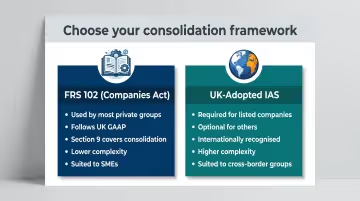
英国の親会社は、規模と市場でのステータスに応じて、以下の2つのフレームワークから選択します:
フレームワーク対象者主な特徴複雑性FRS 102(会社法)ほとんどの非公開グループ英国会計基準(UK GAAP)に準拠。第9章で連結計算書を規定。低 — 中小企業向け英国採用IAS上場企業に必須。その他は任意。国際的に認知されている。一度採用すると、状況の変化がない限り継続が必要。高 — 国際的なグループ向け
どのフレームワークを適用する場合でも、期限内に提出する義務は変わりません。
Consolidated accounts must be filed at Companies House within:
Under CA 2006 s451, failure to file on time is a criminal offence for every director who held office at the deadline. Personal penalties include:
Companies House civil penalties also apply to the company itself, ranging from £150 (up to 1 month late) to £1,500 (over 6 months late).
The obligation to prepare consolidated accounts is tied directly to group size. Under CA 2006 s399, parent companies need not prepare group accounts if the group qualifies as "small."
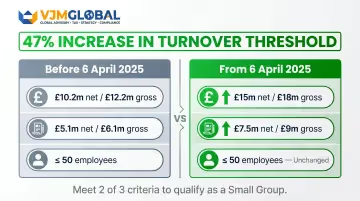
Following SI 2024/1303, groups qualify as small if they meet at least 2 of these 3 criteria:
CriterionNet FigureGross FigureAggregate turnover≤ £15m≤ £18mAggregate balance sheet total≤ £7.5m≤ £9mAverage employees≤ 50≤ 50
Net vs Gross:
The previous limits were:
This represents a 47% increase in the turnover threshold — groups that sat just above the old limits may now qualify for exemption for the first time.
Regulation 3 of SI 2024/1303 provides an important shortcut: groups can treat the new thresholds as having applied in the prior year.
This bypasses the usual two-year qualification rule. Newly eligible groups can claim exemption in their first qualifying year beginning on or after 6 April 2025, without waiting an additional year to establish the two-year track record.
通常、グループが小規模企業とみなされるには、2事業年度連続で規模基準を満たす必要があります。ただし、グループの最初の事業年度については例外で、1年目に基準を満たせば直ちに小規模企業として認められます。
一度小規模企業として認められた場合、1年だけ基準を超えたとしても直ちに免除が取り消されることはありません。2事業年度連続で基準を超えた場合に、連結決算の作成が義務付けられます。
特定の事業体は、規模にかかわらず小規模グループ免除を利用できません。グループ内に以下のいずれかが含まれる場合、必ず連結決算を作成する必要があります。
注:AIM上場企業は「規制市場」にあるとはみなされないため、規模基準を満たせば小規模グループ免除を利用できます。
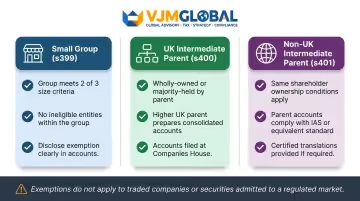
グループが小規模グループの基準を超えていても、法律で定められた3つの免除ルートが適用される場合があります。
最も一般的なルートです。グループが規模基準を満たしており、かつ対象外となる事業体が含まれていない場合、親会社は連結決算を作成する必要はありません。
Conditions:
親会社である英国子会社は、上位の英国親会社がすでに連結決算を行っている場合、自社での連結決算作成を回避できます。
Conditions:
この免除は、上場企業には適用されません。
最終親会社が英国外で設立されている場合も同様の免除が利用可能ですが、外国グループの決算書に関して追加の提出義務が生じます。
Conditions:
この免除は、英国の規制市場で証券を上場している企業には適用されません。
The exemptions above apply at the parent level. Separately, FRS 102 paragraph 9.9 allows individual subsidiaries to be excluded from consolidation on specific grounds — though this does not remove the parent's overall obligation to consolidate:
Excluded subsidiaries must still be accounted for as financial instruments under FRS 102 Sections 11 and 12.
All subsidiary undertakings where the parent has control must be consolidated. Control is determined by:
This applies equally to UK and overseas subsidiaries. A UK parent with an Indian trading subsidiary and a German manufacturing subsidiary must consolidate both.
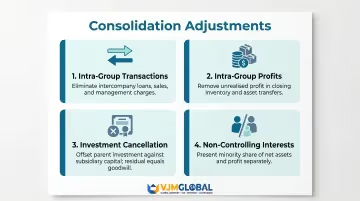
Four categories of adjustments are required to produce a true and fair group picture:
Intra-group transactions — eliminate all loans, intercompany sales and purchases, and management charges between group entities so only external activity is reported.
Intra-group profits — remove unrealised profit sitting in closing inventory from parent-to-subsidiary sales and adjust for unrealised gains on asset transfers.
Investment cancellation — cancel the parent's investment in subsidiary shares against the subsidiary's share capital and reserves, with any remaining difference treated as goodwill.
Non-controlling interests — present minority shareholders' share of net assets and profit or loss separately from the parent shareholders' interests within equity.
Goodwill arises when the purchase price exceeds the fair value of the subsidiary's net assets at acquisition. Under FRS 102:
Where the purchase price falls below fair value of net assets — known as negative goodwill or a bargain purchase — a different treatment applies:
グループ内の全事業体は、連結決算の作成にあたり一貫した会計方針を適用しなければなりません。子会社が異なる方針を採用している場合は、連結時にグループの方針に合わせて調整を行う必要があります。調整が困難な場合は、その不一致について詳細を開示することが求められます。
グループ会社は、同一の決算期末で決算を作成する必要があります。FRS 102第9.16項では、同一の日付での作成が困難な場合、子会社は親会社の決算日から3ヶ月以内の期間で報告することが認められています。決算期末が異なる場合は、子会社の報告日と親会社の報告日の間に発生した重要な取引や事象について調整を行ってください。
複雑な多事業体構造を管理するグループにとって、これらの要件を管轄区域をまたいで一貫して適用することは困難な場合があります。VJM Globalの会計・コンプライアンスチームは、英国のビジネスおよび国際的なグループ企業に対し、英国の会計基準およびCompanies House(英国登記所)への提出要件に準拠した連結決算業務をサポートしています。
30年以上の経験と250社以上の英国企業への支援実績を持つ当事務所は、EAI Internationalのメンバーとしてのグローバルネットワークを活かし、技術的に準拠したグループ決算書を作成します。
まずは、グループ内の全事業体から完全な財務情報を収集することから始めます。
個別の財務諸表および買収に関する詳細情報を収集します:
グループ全体での整合性を確認します:
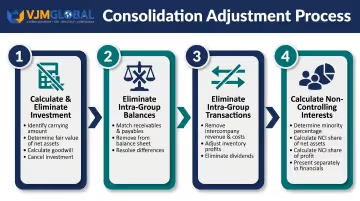
財務情報が整ったら、4つの主要な調整を順を追って進めます。
ステップ1 — 投資の計算と消去:
ステップ2 — グループ内債権債務の消去:
ステップ3 — グループ内取引の消去:
ステップ4 — 非支配持分の計算:
調整が完了したら、連結財務諸表を作成し、提出の準備を行う。
作成すべき連結財務諸表:
必要な開示事項は以下の通り:
承認と提出の手順:
このプロセスには、グループ全社の個別の財務諸表を収集し、連結調整(グループ内取引の消去、のれんの計算、非支配持分の認識など)を行い、グループを単一の事業体として示す連結決算書を作成することが含まれます。これらはその後、法定期限内にCompanies Houseへ提出されます。
英国に登記された親会社で、1社以上の子会社を持つ企業は、2006年会社法(CA 2006)第399条に基づく小規模グループの基準を超える場合、連結決算書を作成しなければなりません。これは子会社の設立場所に関係なく適用され、海外子会社も英国親会社の連結対象に含める必要があります。
2025年4月6日以降に開始する会計期間において、以下の3つの基準のうち少なくとも2つを満たすグループは小規模とみなされます:総売上高が純額1,500万ポンド以下(総額1,800万ポンド以下)、貸借対照表の総資産額が純額750万ポンド以下(総額900万ポンド以下)、平均従業員数が50名以下。
はい。親会社が英国に登記されている場合、設立場所にかかわらずすべての子会社を連結財務諸表に含める必要があります。除外が認められるのは、FRS 102第9.9項に基づく限定的な理由(重要性の欠如、深刻な制限、または売却目的保有)のみです。
Yes. Under CA 2006 s400 (UK parent) or s401 (non-UK parent), an intermediate parent may be exempt if already included in a higher group's consolidated accounts that meet required standards and are filed at Companies House. Specific shareholder approval conditions apply depending on ownership percentage.
Companies claiming the small group exemption must state this in their accounts under s399. Those using the intermediate parent exemption must disclose the parent's name, registered office, country of incorporation (if outside the UK), and where its accounts can be obtained. Copies of the parent's group accounts must also be filed at Companies House.
Need expert support with UK consolidated accounts? VJM Global's accounting team provides comprehensive consolidation services, from technical compliance under FRS 102 to Companies House filing. Get in touch at [email protected] to discuss your group reporting requirements.

.avif)