

.avif)
Cryptocurrency is booming worldwide, and India is no exception. With rising adoption, a growing trading community, and new opportunities for digital finance, launching a crypto exchange in India has never been more appealing.
For U.S.-based entrepreneurs, entering this market offers a chance to combine global expertise with local demand.
This guide walks you through everything you need to know, from understanding the Indian crypto market and planning your exchange to handling regulations, security, and customer support.
Here’s the short version:
Before launching a cryptocurrency exchange in India, it’s essential to grasp how the market operates, the trends driving adoption, and the challenges that shape the industry.
Over the past few years, India has emerged as one of the fastest-growing markets for cryptocurrency trading. Millions of retail investors, tech-savvy millennials, and even institutional players are exploring digital assets as alternative investments. The rise of blockchain technology, expanding internet penetration, and increasing awareness of decentralized finance (DeFi) have fueled this growth.
However, the market is not without its complexities. While cryptocurrencies are not officially recognized as legal tender in India, trading and investing in them is permitted, subject to compliance with existing financial and anti-money laundering (AML) regulations. This means potential exchange operators must stay alert to evolving policy changes from the Reserve Bank of India (RBI) and the Ministry of Finance.
For entrepreneurs, this environment presents both opportunity and responsibility. Demand for secure, user-friendly, and transparent trading platforms is high, but so is the need for robust compliance, cybersecurity, and customer education to build trust.
Even with a solid roadmap, launching a cryptocurrency exchange in India is not without its hurdles. The market’s rapid evolution, India’s fluid regulatory climate, and the technical complexity of running a secure platform can test even the most prepared founders.
Understanding these challenges in advance and knowing how to address them can mean the difference between a successful launch and an expensive learning curve.

While cryptocurrency adoption in India is growing rapidly, the market is competitive and heavily influenced by evolving regulations. If you’re a U.S.-based entrepreneur aiming to launch an exchange in India, you’ll need a clear strategy that blends compliance with a strong market fit.
Below is a step-by-step breakdown to get you started.
Before writing a single line of code or approaching investors, you need a deep understanding of the Indian cryptocurrency market. This isn’t just about knowing Bitcoin’s price trends; it’s about mapping the competitive landscape, identifying gaps, and understanding user behavior.
Look at:
A common mistake is trying to be “everything for everyone” right from launch. Instead, narrow your focus. For example, you might specialize in low-fee micro-trading for beginners, institutional-grade liquidity for pro traders, or regional-language trading platforms for Tier 2/3 cities.
なぜ重要なのか:
明確な市場適合性(マーケットフィット)がなければ、取引所は競合の中に埋もれてしまうリスクがあります。ニッチな戦略をとることで、最初の忠実なユーザー層をより早く獲得し、最初からブランドの権威を築くことができます。
多くの取引所が同じユーザーを奪い合っている中で、あなたのUSPは鋭く、関連性が高く、模倣が困難なものである必要があります。単なる「低手数料」といったありきたりな訴求を超え、米国の運営上の強みを活かしつつ、インドのトレーダーに響くものは何かを考えましょう。
考えられるUSPの例:
USPはブランドアイデンティティを定義するものです。単なるマーケティング上の約束ではなく、具体的な能力に裏打ちされたものであるべきです。
技術スタックは、取引所のスピード、セキュリティ、スケーラビリティを決定づけます。これら3つの要素は、ユーザーの信頼と定着率に直結します。インド市場へ進出する米国の創業者は、重要な選択を迫られます。
多くの米国企業は、品質を落とすことなくコスト効率の高い独自開発を行うために、インドのブロックチェーン開発者と提携しています。どのルートを選ぶにせよ、以下を優先してください:
トレーダーの受け入れを開始する前に、インドでの法的な足場を築く必要があります。海外の創業者は通常、以下のいずれかを選択します:
2013年会社法に基づく要件への準拠、税務目的の納税者番号(PAN)の取得、およびインド準備銀行(RBI)の枠組みの下での適切な外国直接投資(FDI)報告を確実に行う必要があります。非居住者のオーナーは、利益の送金やコンプライアンスに関する特定のプロトコルにも従う必要があります。
インドの暗号資産規制は大きく進化しており、米国を拠点とする創業者は、国内および国際的なルールの両方を先取りしておく必要があります。インドで暗号資産は禁止されていませんが、RBIの指令、税務政策、コンプライアンスの枠組みを組み合わせて規制されています。
プロからのアドバイス:インドに拠点を置くコンプライアンス担当者を置くか、コンプライアンスのアウトソーシング企業と提携し、米国から運営しながら現地の規制当局への届け出を処理してもらいましょう。
Also read: Documents Needed for Private Limited Company Registration
取引所を成功させるには、高速で安全、かつ使いやすい決済手段が不可欠です。インドのトレーダーの多くは、即時送金が可能なUPI、ネットバンキング、IMPSを好みますが、クレジットカードやデビットカード、電子ウォレットを利用する層も一定数存在します。
決済ゲートウェイを選択する際は、以下の点に留意してください。
また、決済ゲートウェイがリアルタイム決済に対応していることも確認してください。遅延が発生すると、ユーザーが利益を得るチャンスを逃してしまう可能性があります。
仮想通貨取引所ビジネスにおいて、セキュリティは市場での差別化要因となります。インドのように発展途上でありながら急速に拡大している市場では、一度のセキュリティ侵害がユーザーの信頼を一夜にして失墜させる恐れがあります。
優先すべき主要なセキュリティ機能:
インドに進出する米国企業は、米国の成熟したサイバーセキュリティフレームワークをブランドの強みとして活用できます。SOC 2準拠、ペネトレーションテストの報告書、あるいは著名なサイバーセキュリティベンダーとの提携を強調することで、インドの投資家やトレーダーからの信頼を高めることができます。
流動性は仮想通貨取引所の心臓部です。流動性が不足すると、トレーダーは高いスプレッド、注文執行の遅延、市場参加者の減少といった問題に直面します。インド市場への新規参入者にとって、迅速な流動性の確保は市場での足場を固める鍵となります。
流動性確保のためのベストプラクティス:
グローバルな流動性へのアクセスと現地の市場の厚みを組み合わせることで、米国を背景に持つインドの取引所は、初日から既存の競合他社に引けを取らない取引環境を提供できます。
プラットフォームの準備が整ったら、次はトレーダーを誘致し、忠実なユーザーベースを構築する段階です。
米国での実績を信頼構築のツールとして活用しましょう。透明性の高いポリシーを備えた、グローバルな後ろ盾を持つ安全なプラットフォームとして自社を位置づけてください。
インドのオーディエンスに響くチャネルに注力しましょう:
重要なのは、価値に基づいた一貫性のあるエンゲージメントです。
顧客からの信頼は、問題解決の迅速さと有効性にかかっています。
英語、ヒンディー語、および主要な地域言語での多言語サポートを提供し、より幅広い層がプラットフォームを利用できるようにしましょう。
米国の拠点でリモート管理を行い、インド現地にサポートチームを配置するハイブリッド型のサポート体制を構築すれば、より迅速な問題解決が可能になります。一般的な問い合わせにはチャットボットを活用しつつ、複雑なケースには必ず人間が対応できる体制を整えてください。
迅速なサポート体制は、ユーザー満足度を向上させるだけでなく、競争の激しい市場においてプラットフォームの評判を高めることにもつながります。
あわせて読みたい:インドでの個人事業主登録ガイド
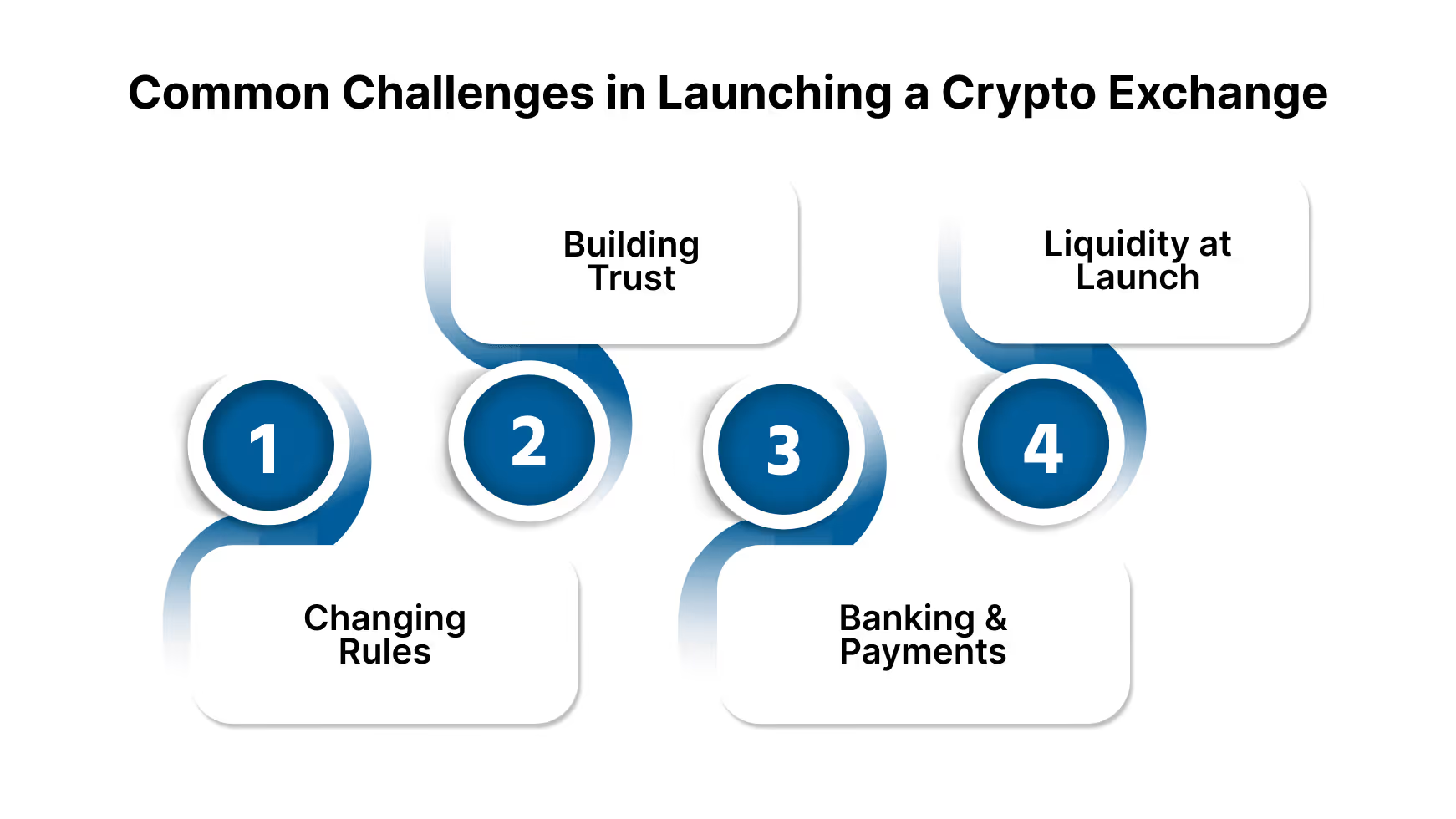
米国からインドで暗号資産取引所を構築することには多くのチャンスがありますが、同時に現実的な課題も伴います。厳しい規制への対応から、競争の激しい市場での信頼獲得まで、準備を怠ればこれらの問題が成長の足かせとなる可能性があります。
ここでは、想定される課題とそれらへの対処法を解説します。
インドの暗号資産規制は急速に変化する可能性があります。政府の方針転換は、事業運営や税制、銀行口座の利用に影響を及ぼすことがあります。多くの取引所が、不明確なガイドライン、法定通貨取引への突然の制限、頻繁に更新されるKYC(本人確認)やAML(マネーロンダリング防止)要件といった課題に直面しています。
How to Overcome It:
過去の詐欺事件や取引所の破綻により、多くのインドのトレーダーや投資家は慎重になっています。安全性と信頼性を明確に証明できなければ、継続的な取引を促すことは困難です。
How to Overcome It:
インドの銀行は、暗号資産関連企業との連携に消極的な場合が多く、入出金の遅延につながることがあります。
How to Overcome It:
If your exchange does not have enough liquidity, traders may see high spreads, poor trade execution, and slow orders. This can stop growth early.
How to Overcome It:
Tackling these challenges takes planning, the right partners, and a deep understanding of both U.S. and Indian rules. With the right strategy, you can turn potential roadblocks into advantages and launch your platform with confidence. This is where expert guidance can make all the difference.
VJM Globalは、法務、規制、運営に関する要件を最初から最後まで一括して引き受けることで、米国を拠点とする起業家がインドで暗号資産取引所を設立・運営しやすくします。
Here’s what we offer:
これらのプロセスを管理することで、VJM Globalは起業家がより迅速に立ち上げを行い、コストのかかるミスを回避し、規制の厳しい環境下でコンプライアンスを維持できるよう支援します。今すぐ折り返し電話をリクエストする。
Yes. U.S. entrepreneurs can set up an exchange in India by registering a local entity and complying with Indian corporate, tax, and crypto regulations. Working with legal and compliance experts is essential.
Most foreign founders choose either a private limited company (Pvt. Ltd.) or a joint venture with an Indian partner. Each has pros and cons around ownership, taxation, and regulatory requirements.
Yes. Exchanges must follow RBI and SEBI guidelines, register with the Ministry of Corporate Affairs, and implement proper KYC/AML procedures. Licenses may vary depending on the trading model.
You need robust KYC verification for all users and ongoing AML monitoring. Using automated systems and local compliance teams can help meet Indian standards efficiently.

.avif)


