Property management firms handle everything for owners, from maintenance and inspections to rent collection and lease renewals, making the process hassle-free. They ensure landlords have a steady income while offering smooth living experiences for tenants.
3. Land Development Companies
These businesses transform raw or underdeveloped land into residential or commercial spaces. Land developers work closely with architects, contractors, and government agencies, requiring long-term planning and regulatory knowledge.
4. Real Estate Agencies
Focused on personalized services, real estate agencies assist clients at every stage, from creating listings to handling negotiations and closing paperwork. Their success is driven by client trust, a broad property portfolio, and effective marketing strategies.
Property management firms handle everything for owners, from maintenance and inspections to rent collection and lease renewals, making the process hassle-free.
Next, let’s understand the licenses you’ll need to operate legally in Dubai.
Types of Licenses Required to Start a Real Estate Business in Dubai
To operate a real estate business in Dubai, you’ll need to obtain various licenses to ensure compliance with local regulations. Here's a breakdown of the key licenses you'll need:
Trade License: Issued by the Department of Economic Development (DED), this license authorizes you to legally run a business in Dubai. It’s the foundational license for any business.
Real Estate Brokerage License: Issued by the Dubai Land Department (DLD), this license is essential for engaging in real estate brokerage activities, including buying, selling, and renting properties.
RERA Certification: Overseen by the Real Estate Regulatory Agency (RERA), this certification is mandatory for brokers and agents. It involves completing a training course and passing the RERA exam.
Ejari Registration: Required for managing rental agreements, Ejari registration ensures that all tenancy contracts are formally registered and governed by the Ejari system.
Property Management License: Issued by DLD, this license is necessary if you plan to offer property management services, such as maintenance and tenant relations for property owners.
Developer’s License: If you’re involved in land development, this license is issued by RERA. It’s needed for businesses that manage or develop land for residential or commercial use.
Real Estate Valuation License: For companies offering property valuation services in Dubai, this license is required and issued by RERA.
Educational License: This license is required if you plan to offer educational services, such as training courses in real estate practices or other related fields.
Healthcare License: If your real estate business provides healthcare services (e.g., clinics or medical centers), you’ll need this license to operate within legal boundaries.
Each of these licenses serves a specific purpose, ensuring that your real estate business complies with Dubai’s regulations and delivers services within the legal structure.
Once you have a clear idea of the licenses, you’ll need to gather some important documents to move forward with your business setup.
Documents Required to Start a Real Estate Business in the UAE
Starting a real estate business in Dubai involves tackling a well-defined process governed by authorities like the Dubai Land Department (DLD) and the Real Estate Regulatory Agency (RERA). Here’s a breakdown of the key documents you'll need:
Passport Copies: A valid copy of your passport for all company owners and partners.
Emirates ID: Required for UAE residents; non-residents must have a local sponsor or partner.
Business Plan: A comprehensive plan outlining your business model, goals, and market strategy.
Trade Name Reservation Certificate: This confirms that your desired business name is available and registered.
Initial Approval Certificate: Issued by the Department of Economic Development (DED), confirming initial approval for your business activities.
Memorandum of Association (MoA): This document outlines the company structure, ownership details, and the rights of the partners.
Tenancy Contract / Ejari: A legally registered contract for your office space, which is mandatory for your trade license application.
Real Estate Activity Approval from DLD & RERA: Approval from these two authorities to ensure your business complies with the specific real estate laws in Dubai.
Trade License (DED or Free Zone): Depending on your business structure, you’ll need a trade license from either DED or a free zone authority.
Company Bank Account Opening Documents: These include proof of business registration and personal identification for opening a corporate account.
Legal Framework & Regulatory Compliance
To operate in the UAE’s real estate sector, you’ll need to comply with the following legal regulations:
Federal Law No. (5) of 1985 (Civil Transactions Law): Governs all civil transactions in the UAE, including real estate.
Dubai Law No. (7) of 2006 (Concerning Real Property Registration in Dubai): This law regulates the registration and transfer of real estate in Dubai.
RERA Regulations: These guidelines cover broker conduct, advertising, and escrow accounts to ensure transparency in the real estate market.
Anti-Money Laundering (AML) Compliance: Real estate businesses must adhere to AML laws to prevent illegal financial activities in transactions.
Pro Tip: It’s highly recommended to work with a business solutions firm, especially if you’re a foreign investor. VJM Global can provide expert guidance on regulatory compliance, accounting outsourcing, and company registration to ensure a smooth market entry. Talk to an expert today.
1. What are the starting costs for setting up a real estate business in Dubai?
Starting costs typically range from AED 21,000 to AED 45,000, covering licenses, office space, employee visas, and administrative fees.
2. What are the key steps to set up a real estate business in Dubai?
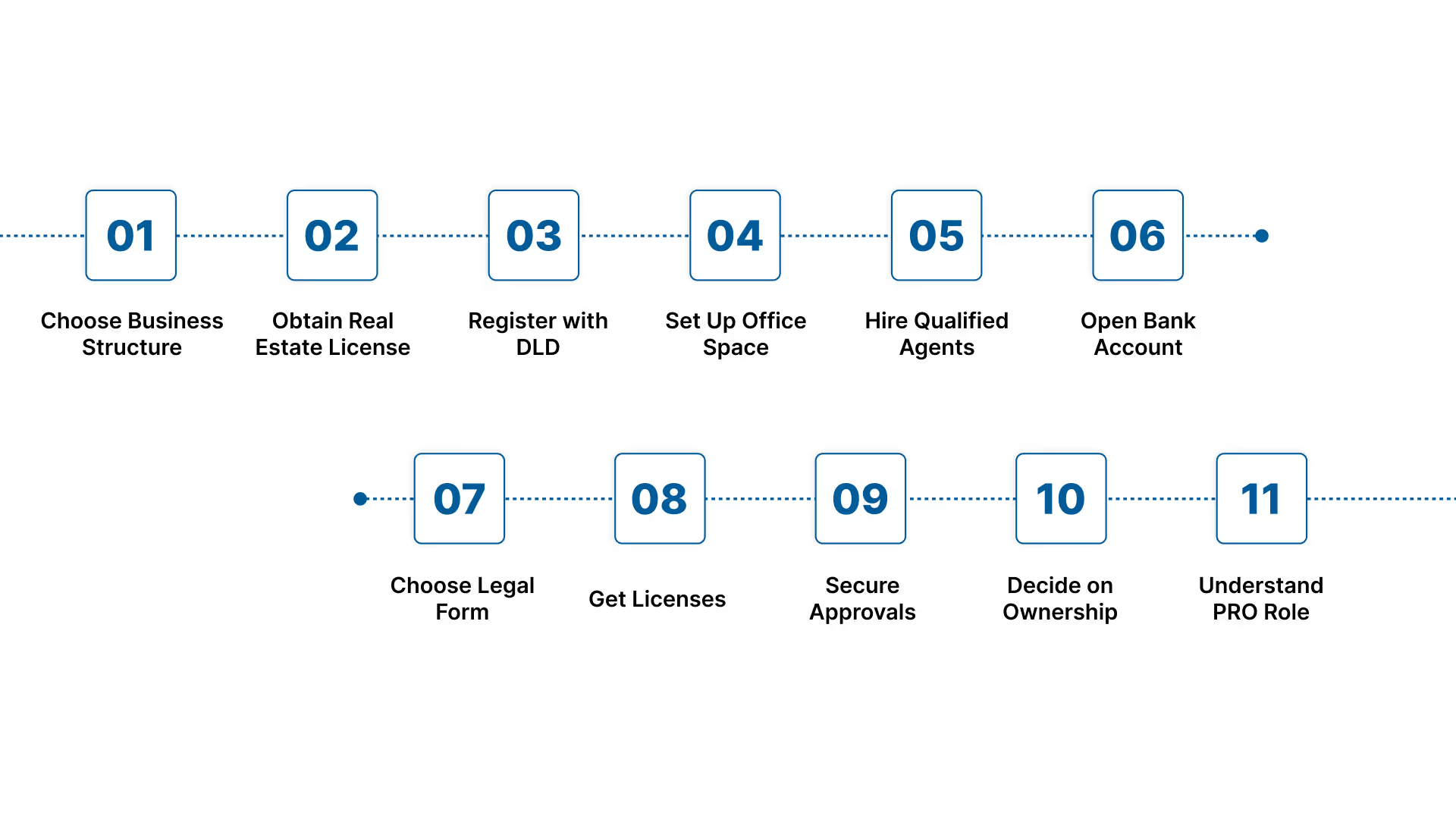
The steps include choosing a business structure, obtaining initial and RERA approvals, completing training, setting up your office, opening a bank account, and hiring staff.
3. What licenses are required to operate a real estate business in Dubai?
You’ll need a Trade License from DED, a Real Estate Brokerage License from DLD, RERA certification, and Ejari registration. Additional licenses may be needed based on your business activities.
4. Is it a good time to invest in Dubai’s real estate market?
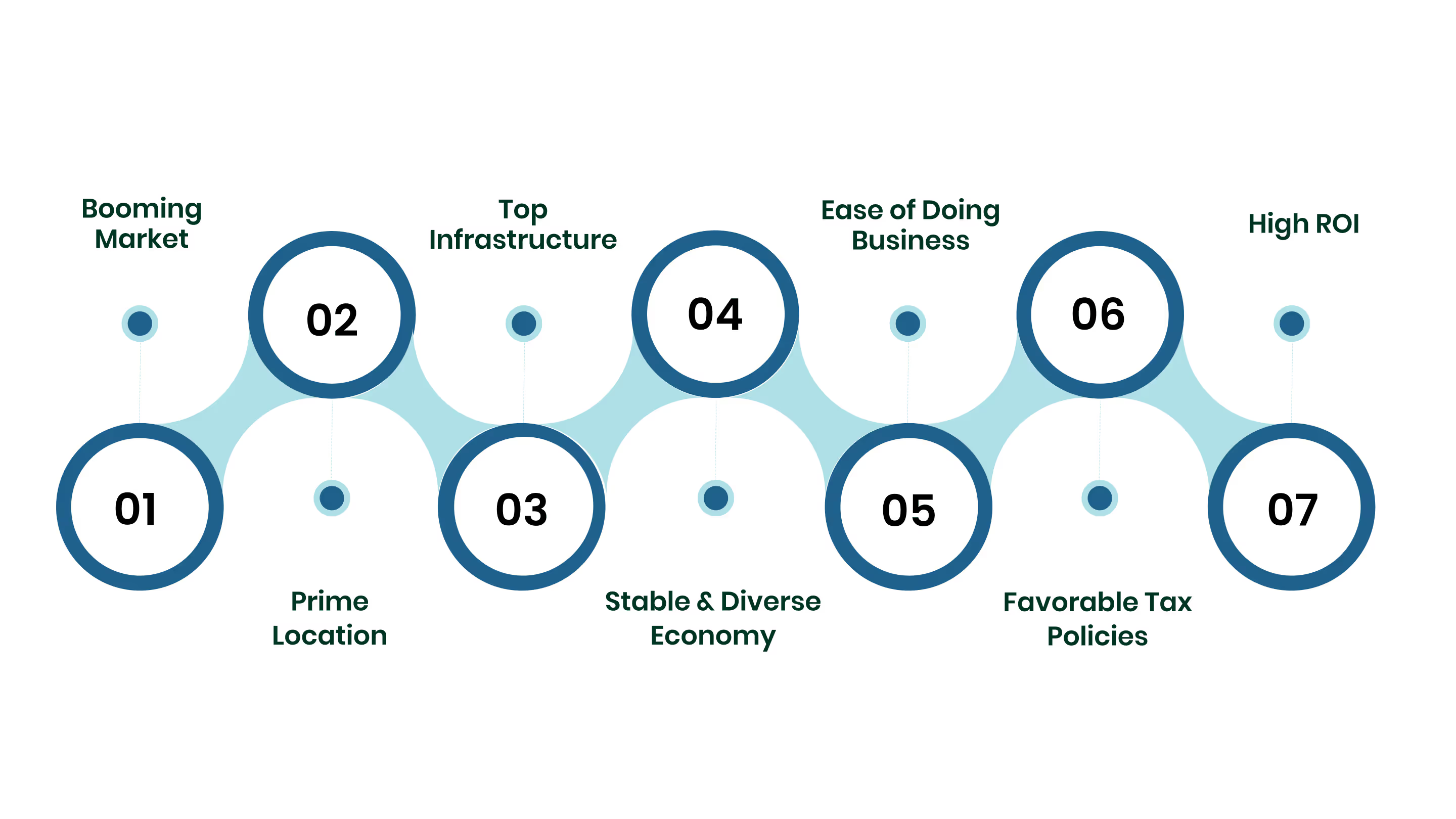
Yes, Dubai offers high rental yields, a strategic location, favorable tax policies, and a growing market, making it an attractive investment destination.
5. What documents are required to set up a real estate business in Dubai?
Required documents include proof of passing the Real Estate Exam, passport, office space proof, RERA-registered accountant, official degree, clean criminal record, and recent bank statements.




.avif)


