

Accurate financial reporting builds trust, drives decisions, and ensures compliance. That’s why accrual accounting plays a central role in how U.S. businesses manage and present their finances. Unlike cash accounting, which records transactions only when money changes hands, accrual accounting aligns income and expenses with the periods they impact, providing a clearer view of performance.
According to a 2024 report, 82% of small businesses now use cloud-based accounting software, reflecting a strong shift toward automation and structured financial practices that support accrual-based accounting. If you operate a growing business or seek funding, you can’t ignore the importance of this approach. In fact, Generally Accepted Accounting Principles require the accrual basis of accounting for most organizations in the U.S. This article explores how accrual accounting works, when to use it, and why it remains the preferred method under GAAP.
Accrual accounting is a method of financial recording that recognizes revenues and expenses when they are earned or incurred, regardless of when the actual cash is received or paid. Unlike cash-basis accounting, which records transactions only when money changes hands, accrual accounting provides a more accurate picture of a company’s financial health by matching income with the expenses incurred to generate that income within the same period.
For US businesses and entrepreneurs, understanding and implementing accrual accounting is crucial, especially as companies grow and seek to maintain compliance with Generally Accepted Accounting Principles (GAAP). The accrual method provides a clearer understanding of long-term profitability, cash flow management, and financial obligations, making it easier to plan, budget, and attract investors or lenders.
Now, let's examine the types of accruals in accounting and their significance to your business in detail below.

Accrual accounting plays a crucial role in providing an accurate financial picture of a business by recognizing revenues and expenses when they are earned or incurred, rather than when cash is actually exchanged. For U.S. businesses and entrepreneurs, understanding the different types of accruals is essential to ensure compliance with Generally Accepted Accounting Principles (GAAP) and to maintain clear, transparent financial records that support informed decision-making and accurate tax reporting.
Here are the main types of accruals that businesses commonly encounter:
These are revenues that a business has earned by delivering goods or services but has not yet received payment for by the end of the accounting period. For example, a software consulting firm in New York may complete a project in June but invoice the client in July. Under accrual accounting, revenue is recognized in June, reflecting the actual timing of work performed rather than the receipt of payment.
Why it matters: Recording accrued revenues guarantees entrepreneurs reflect all earned income in the correct period, which improves financial forecasting and tax planning.
Accrued expenses represent costs a business has incurred but not yet paid. This can include wages owed to employees, utilities used but not yet billed, or interest on loans that have accumulated and remain unpaid by the end of the period.
For example, a small manufacturing business in Ohio might have employees who worked the last week of the month but won’t receive paychecks until the following month. Recording accrued wages in the current month guarantees that expenses align properly with the period during which the labor was provided.
Why it matters: Properly accruing expenses helps maintain an accurate liability picture and prevents underreporting costs, which can distort profitability.
These are taxes that a business owes but has not yet paid. This includes income taxes, payroll taxes, or sales taxes collected but not remitted to the appropriate authorities. For US businesses, accurately accruing taxes at period-end guarantees compliance with IRS regulations and prevents surprises during tax audits or filings.
Why it matters: Failing to accrue taxes can result in underreporting liabilities, which can trigger penalties, interest charges, and increased audit risks. Accurate accruals help businesses stay compliant and prepared for upcoming tax payments.
Accrued interest refers to interest expenses or income that accumulate over time but have not been settled by payment. For example, suppose a business has a loan with monthly interest due on the 15th but its accounting period ends on the 30th. In that case, it needs to record interest expense for the unpaid portion as accrued interest.
Why it matters: This type of accrual ensures that interest costs are matched with the periods to which they relate, providing a more accurate representation of financing costs.
If a business occupies leased premises but the rent payment is due after the accounting period closes, it should recognize the rent expense for the period in which the space was used. For entrepreneurs operating retail stores or offices in the US, this aligns expenses with the benefits received.
Why it matters: Accruing rent ensures that occupancy costs are recorded in the correct accounting period, supporting accurate profit-and-loss reporting. It also prevents overstating cash reserves and underestimating liabilities.
So, how does accrual accounting work in business? Let us understand this in detail below.
Also Read: What Are the Key Considerations in Accounting for Startup Costs in 2025
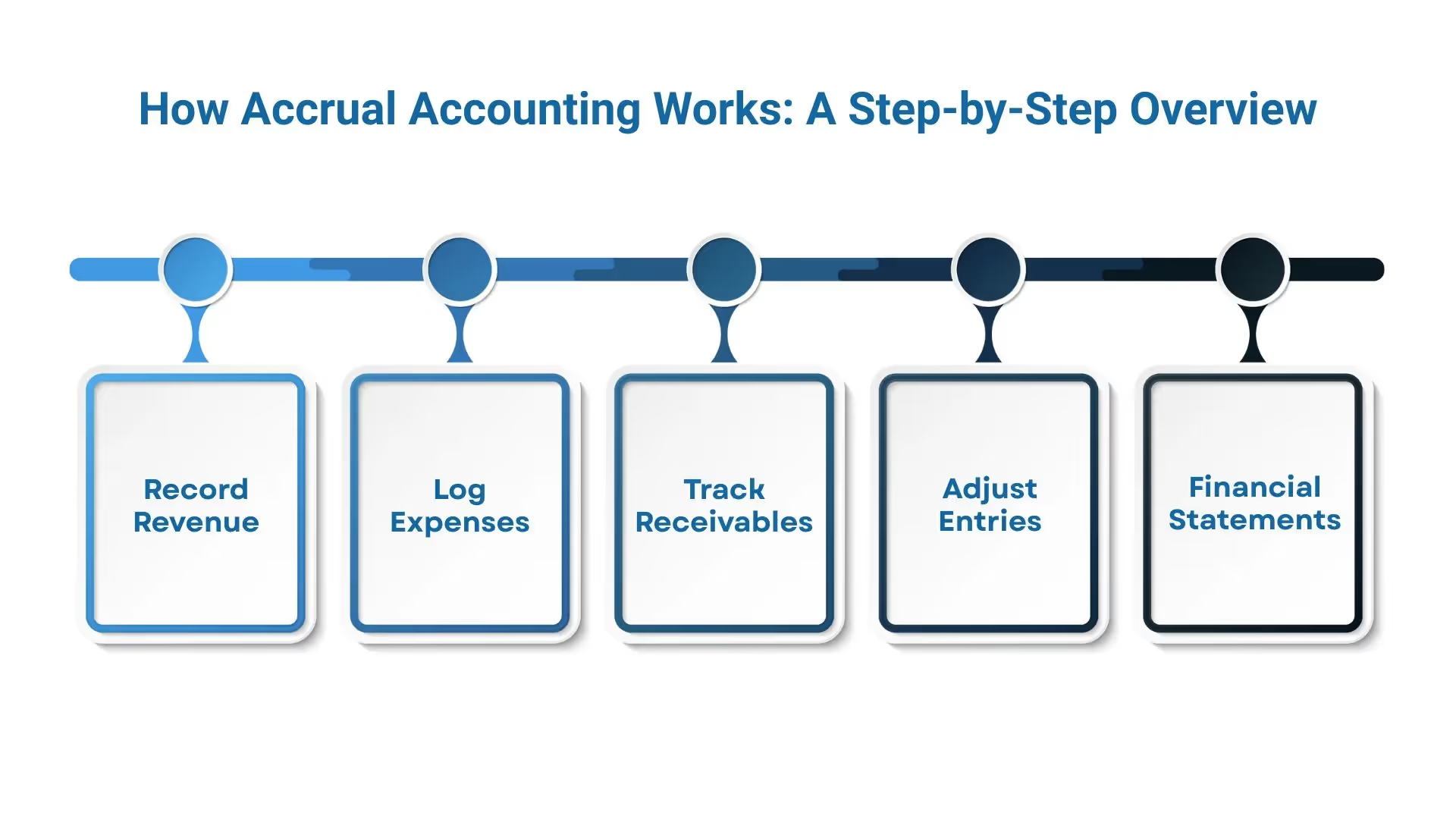
Accrual accounting works by recording financial transactions at the time they happen, not when the cash is actually received or paid. This means you recognize revenues when you deliver goods or services, and you record expenses when you incur them, regardless of whether money has exchanged hands. This system gives you a clear and timely view of your company’s financial position and performance.
Here’s how accrual accounting works step by step for US businesses and entrepreneurs:
Now, let us explore what purpose accruals in accounting serve for the financial stability of your business.
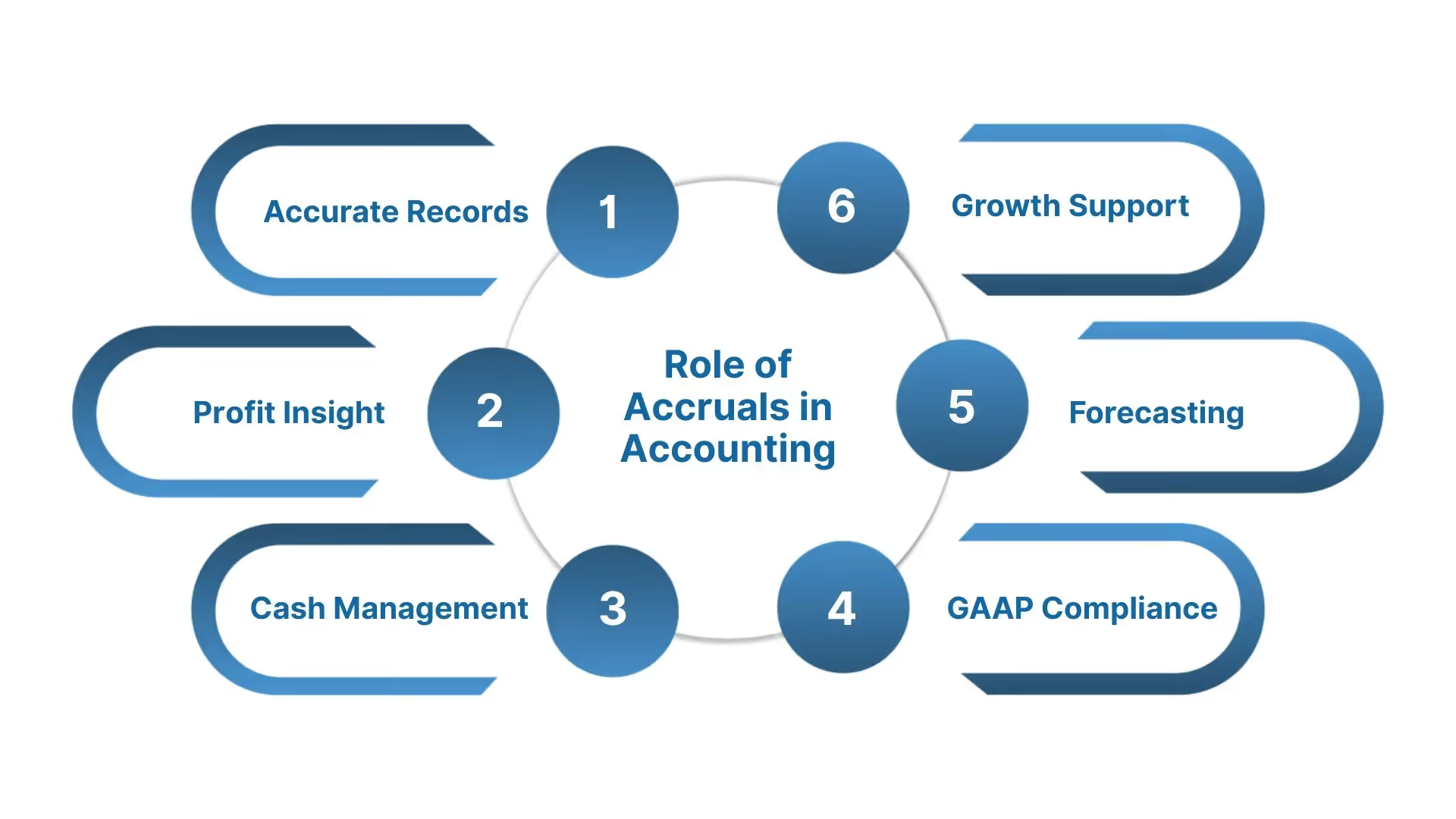
Accrual accounting plays a crucial role in helping U.S. businesses and entrepreneurs gain a clear and accurate picture of their financial health. Here’s why accruals matter:
So, what is the difference between accrual accounting and cash accounting? Let us understand the difference below.
Suggested Read: Benefits of Offshore Accounting for Business Success
Choosing the right accounting method is a foundational decision for any business. In the US, small businesses often start with cash accounting because it’s simple and easy to manage. But as a company grows, accrual accounting becomes critical for accurate financial planning, compliance, and scalability.
Cash accounting may be suitable for small businesses with simple transactions. However, as operations scale, accrual accounting provides the rigor and visibility necessary to manage growth effectively.
So, when should businesses use accrual basis accounting? Let us explore the situations below.
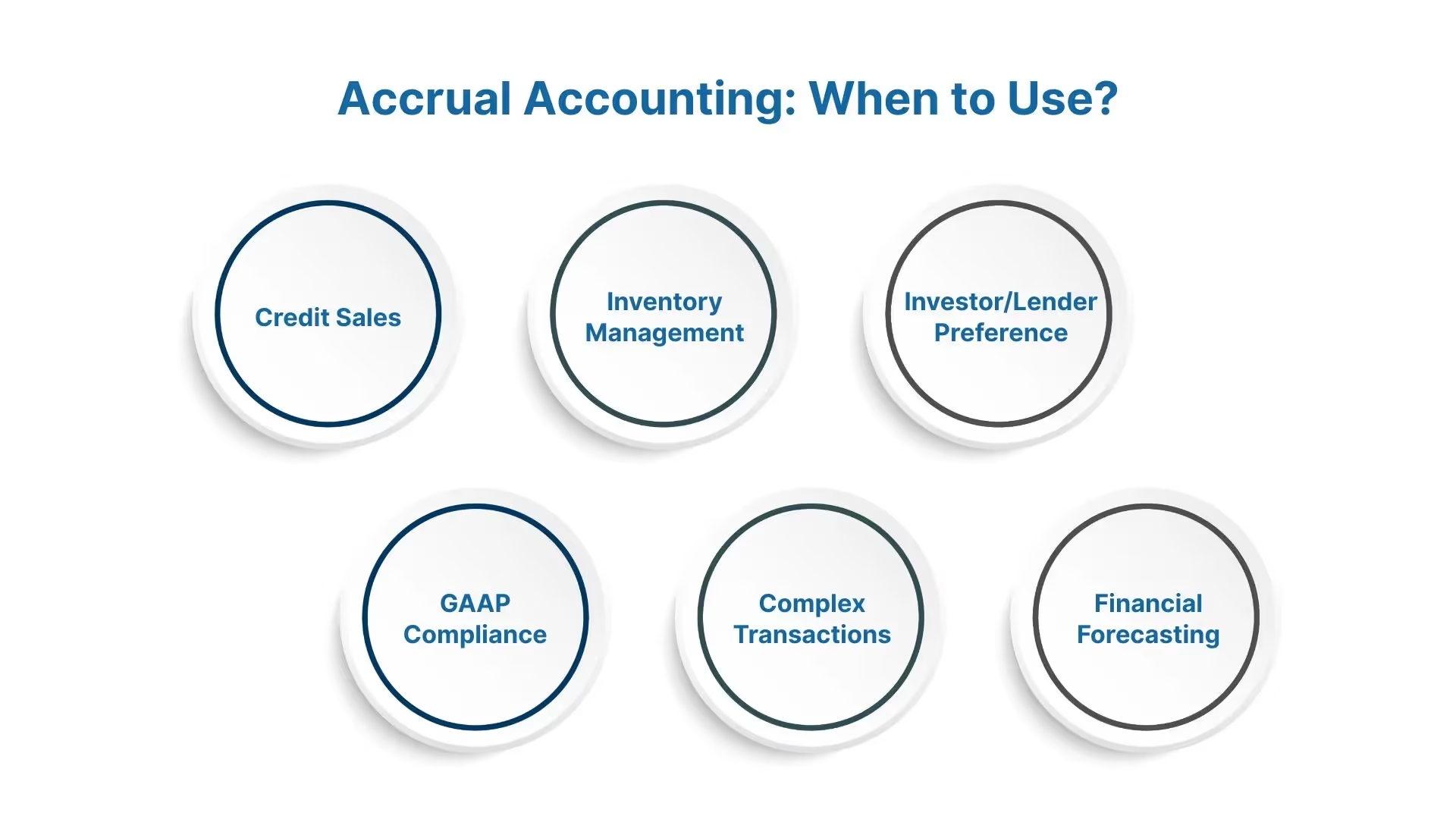
Accrual basis accounting records revenues and expenses when they are earned or incurred, regardless of when the cash actually changes hands. This method provides a more accurate picture of a company’s financial health over time. It is especially valuable for many US businesses and entrepreneurs. Here’s when you should consider using accrual accounting:
If your business offers products or services on credit, meaning you invoice customers and expect payment at a later date, accrual accounting helps you track those sales as soon as the transaction occurs. This prevents revenue from being delayed until cash is received and gives a clearer view of your earnings and outstanding receivables.
Businesses that maintain inventory must account for the cost of goods sold (COGS) in the same period as the related sales. Accrual accounting matches inventory expenses with revenues, reflecting the true profitability of your sales. It also guarantees compliance with IRS regulations, especially if your business's gross receipts exceed $25 million annually.
Investors and lenders typically prefer financial statements prepared under accrual accounting because they offer a comprehensive snapshot of business performance and financial position. This transparency can improve your chances of securing funding, as it highlights not only cash flow but also liabilities and earned revenues.
Most larger businesses in the US and publicly traded companies are required to follow GAAP, which mandates the use of accrual accounting. Adopting this method early can make future transitions easier if your company plans to grow or go public.
Accrual accounting is better suited for businesses with multiple revenue streams, long-term contracts, or deferred expenses, as it provides a more accurate representation of their financial position. It provides a more detailed and precise matching of income and expenses to the appropriate periods. This is essential for accurate financial analysis and decision-making.
Because accrual accounting accounts for earned revenue and incurred expenses regardless of the timing of cash flow, it offers a clearer view of future cash requirements. This insight helps you plan budgets, manage working capital, and make strategic decisions with confidence.
So, why do companies find accrual accounting important for the financial stability of their business? Let us understand below.
You Might Also Like: How to Manage Accounting for Small Businesses
Accrual accounting is the preferred method for many U.S. businesses because it provides a more accurate and comprehensive view of a company’s financial position. Unlike cash basis accounting, which records income and expenses only when money changes hands, accrual accounting tracks transactions when they’re earned or incurred, regardless of when payment happens.
This approach helps businesses stay compliant, manage cash flow more effectively, and plan for long-term growth.
「発生主義会計はGAAPですか?」あるいは「GAAPは発生主義会計を義務付けていますか?」という問いに対する答えは「はい」です。米国の多くの企業において、正確でコンプライアンスに準拠したレポートを作成するために、GAAPは発生主義会計を義務付けています。
それでは、会計ソフトウェアがどのように企業の発生主義会計を支援しているのか、以下で詳しく見ていきましょう。
米国の企業や起業家にとって、正確な財務管理は不可欠です。発生主義会計は、現金のやり取りが発生した時点ではなく、収益や費用が発生した時点で記録します。これにより財務状況をより明確に把握できますが、手作業で行うには複雑です。そこで役立つのが会計ソフトウェアです。
1. 複雑な取引追跡の自動化: 発生主義会計では、売掛金と買掛金を正確に追跡する必要があります。ソフトウェアは、支払いのタイミングに関係なく、請求書の発行時に収益を、請求書の受領時に費用を記録することで、このプロセスを自動化します。これにより手作業が減り、ミスが最小限に抑えられ、財務データの正確性が保たれます。
2. 財務報告の正確性の向上: 米国の多くの企業は、発生主義会計を求めることが多いGAAPに従う必要があります。ソフトウェアは、最新のデータに基づいて損益計算書や貸借対照表などのレポートをリアルタイムで生成します。これは、より賢明な意思決定、より良い税務計画、そして投資家への対応準備に役立ちます。
3. 税務準備とコンプライアンスの簡素化: 発生主義会計は、課税所得の報告に影響を与えます。ソフトウェアは収益と費用が発生するたびに詳細な記録を保持するため、企業はIRS(内国歳入庁)の規則を遵守し、監査リスクを軽減し、州をまたぐ複雑な税務申告を簡素化することができます。
4. キャッシュフロー管理の改善: 発生主義会計は財務の全体像を把握できますが、キャッシュフローの管理を複雑にする可能性があります。エイジングレポート(債権債務年齢調べ)などのソフトウェアツールを活用すれば、未払いの請求書や今後の支払予定を追跡できるため、起業家は計画を立て、資金不足を回避することができます。
5. 成長企業のスケーラビリティをサポート: ビジネスが成長するにつれて、取引量や複雑さも増していきます。会計ソフトウェアは、給与計算、在庫管理、CRMなどのシステムと簡単に統合でき、拡張性に優れています。これにより、事業拡大に伴っても発生主義会計の記録を正確に維持できます。
6. リモートアクセスとコラボレーションの実現: 多くの米国の起業家は、リモートワークや分散したチームで働いています。クラウドベースの会計ツールなら、どこからでもリアルタイムでアクセス可能です。これにより、会計士やアドバイザーと連携し、発生主義会計のデータを常に最新の状態に保つことができます。
適切な会計ソフトウェアを導入すれば、米国の企業は発生主義会計を効率化し、コンプライアンスを強化し、長期的な成長に向けた情報に基づいた財務上の意思決定を行うことができます。そこでVJM Globalの出番です。VJM Globalがどのように企業の財務安定化を支援しているのかを見ていきましょう。
Also Read: Guide to Outsourcing in Finance and Accounting Functions
発生主義会計は、現金のやり取りだけでなく、収益と費用が発生した時点で認識することで、企業の財務健全性を包括的に把握することを可能にします。このアプローチは、ビジネスの業績と財務状況をより正確に反映し、情報に基づいた意思決定に不可欠です。
すべての経済活動をリアルタイムで捉えることで、発生主義会計は収益性の監視、キャッシュフロー予測の管理、規制要件への準拠を可能にします。また、投資家、貸し手、経営陣を含むステークホルダーにとって重要な透明性と説明責任をサポートします。
VJM Globalは、発生主義会計の複雑さを克服し、財務報告の正確性を高めるためにカスタマイズされたオフショア会計ソリューションを提供し、米国のCPA事務所を支援します。
規制要件が高まり、クライアントの期待が進化する中で、VJM Globalと提携することは、貴社のCPA事務所に戦略的な優位性をもたらします。高品質な発生主義会計サポートを提供しながら、コストと業務効率を最適化することが可能です。
貴社の発生主義会計能力を向上させる準備はできていますか? 今すぐVJM Globalにご連絡ください。当社のオフショア会計専門家が、財務の正確性を高め、コストを削減し、優れたクライアントサービスを提供するお手伝いをいたします。
A. 発生主義会計は、現金のやり取りに関係なく、収益や費用が発生した時点で記録します。現金主義会計は、現金を受け取った、または支払った時点で取引を記録します。発生主義会計は、長期的な企業の財務健全性をより正確に把握することができます。
A. 発生主義会計は、収益とそれに対応する費用を同じ期間に計上するため、収益性と財務状況をより正確に把握できるからです。この手法は、信頼性が高くタイムリーな財務情報を必要とする大企業、投資家、金融機関にとって不可欠です。
A. 一般に公正妥当と認められる会計原則(GAAP)や国際財務報告基準(IFRS)では、上場企業や多くの大企業に対して発生主義会計を義務付けています。中小企業の場合、規制や金融機関からの要請がない限り、現金主義会計の使用が認められることもあります。
A. 発生主義会計は、獲得した収益と発生した費用をすべて適切な会計期間に反映させることで、意思決定の質を高めます。この包括的な視点により、経営者は業績を評価し、キャッシュフローの必要性を予測し、より効果的に投資計画を立てることができます。
A. 発生主義会計は、未収収益や未払費用の見積もり、売掛金や買掛金の管理が必要となるため、導入や維持が複雑になる場合があります。また、より強固な会計システムと専門知識が必要となるため、中小企業にとっては運用コストの増加につながる可能性があります。

.avif)


