

For U.S. businesses and investors, foreign asset disclosure is a crucial component of tax compliance, yet it remains one of the most commonly overlooked areas. With the IRS increasingly focusing on FATCA and Form 8938, failing to disclose foreign assets can lead to significant penalties and legal complications.
Understanding these regulations is essential to safeguarding your financial and business interests.
This blog will walk you through everything you need to know about IRS foreign asset disclosure, including the intricacies of FATCA and the specific reporting requirements for assets held. Let’s get started.
A foreign financial asset refers to any financial asset held or maintained outside of the United States. These assets are key for accurate tax reporting and include various forms, such as:
The IRS requires U.S. taxpayers, including citizens, green card holders, residents, and business entities, to disclose foreign financial assets if they exceed the reporting thresholds. Form 8938 (Statement of Specified Foreign Financial Assets) helps track foreign financial assets and ensure compliance with tax obligations.
Also Read: IRS Wage Garnishment: How to Prevent and Fix It
Now that we understand what constitutes a foreign financial asset, let’s look at why reporting these assets is so important.
The IRS has significantly increased its efforts to identify unreported offshore assets due to concerns over tax evasion and money laundering. As part of this, FATCA and global tax treaties now require foreign banks to report U.S. account holders to the IRS.
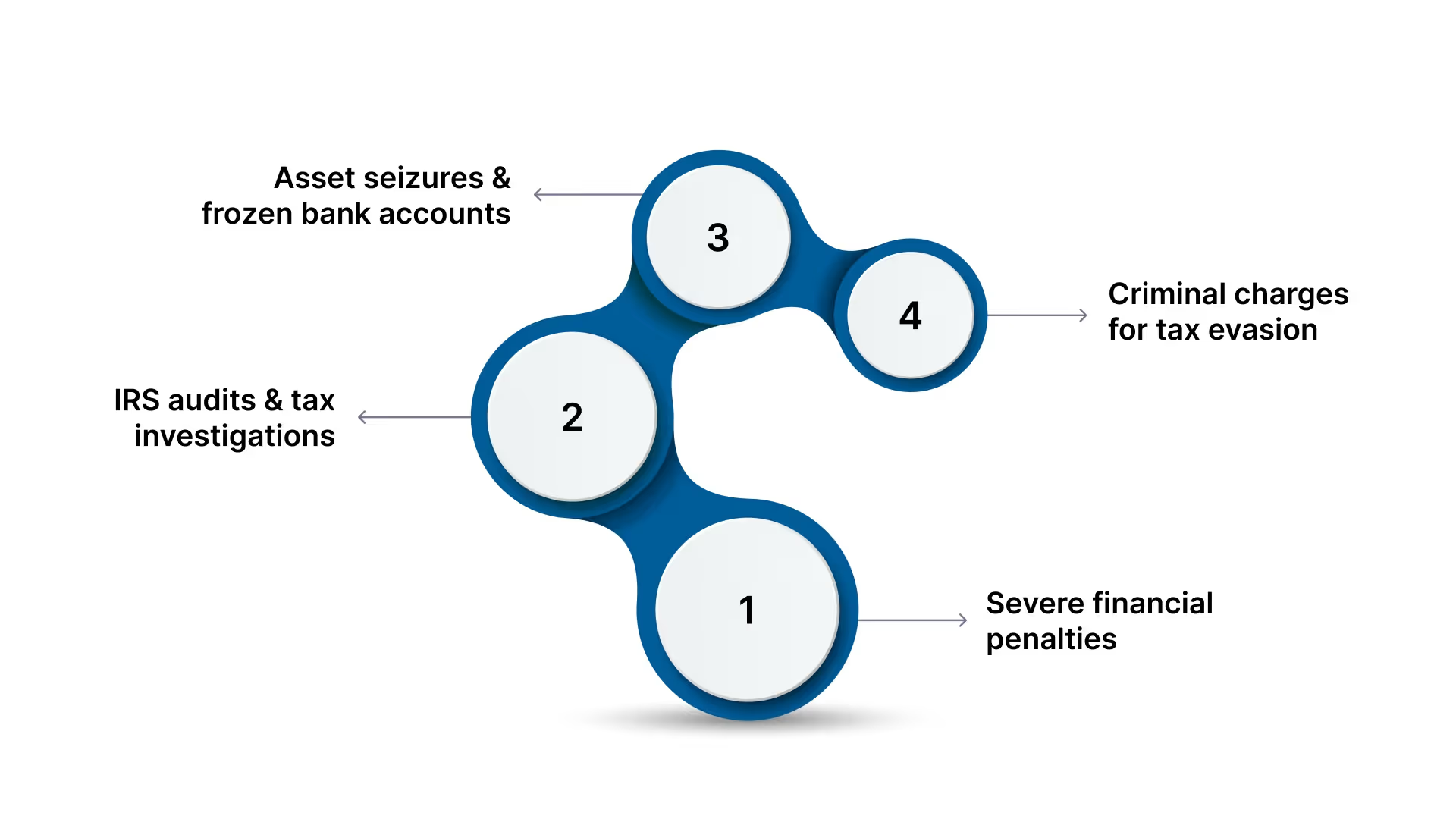
Failing to disclose foreign assets, such as bank accounts, real estate, or investments, can lead to serious consequences:
Staying compliant with foreign asset reporting requirements is essential to avoid these risks and prevent unwanted IRS scrutiny.
With the stakes clear, it’s essential to understand how IRS Form 8938 plays a key role in this process.
IRS Form 8938 is a critical tool in the U.S. government’s effort to curb tax evasion through foreign financial assets. While similar to the FBAR (FinCEN Form 114), Form 8938 has distinct reporting requirements and thresholds.
This form, part of the Foreign Account Tax Compliance Act (FATCA), ensures U.S. taxpayers disclose their foreign financial holdings to the IRS.
Debe presentar el Formulario 8938 si es una persona física o una entidad nacional especificada que posee activos financieros extranjeros que superan los umbrales de declaración del IRS.
El IRS define umbrales de declaración específicos según su estado civil para efectos de la declaración y su residencia. Estos umbrales determinan cuándo es necesario presentar el Formulario 8938.
Una declaración precisa en el Formulario 8938 del IRS garantiza el cumplimiento de las leyes fiscales de EE. UU. y proporciona transparencia con respecto a los activos financieros extranjeros.
Además del Formulario 8938, es posible que los contribuyentes estadounidenses deban presentar formularios adicionales para declarar activos extranjeros, como fideicomisos, intereses comerciales y participaciones en corporaciones extranjeras.
Estar al tanto de estos requisitos de declaración adicionales garantiza el pleno cumplimiento de las leyes fiscales de EE. UU. y ayuda a evitar complicaciones con las tenencias de activos extranjeros.
Lea también: Reducción de multas por primera vez del IRS: ideas y tácticas clave para empresas estadounidenses
A continuación, examinemos algunas situaciones en las que podría estar exento de este requisito.
Aunque muchos contribuyentes estadounidenses con activos financieros extranjeros deben presentar el Formulario 8938, existen algunas excepciones importantes a considerar:
Sin embargo, incluso si está exento de presentar el Formulario 8938, es posible que aún se requieran otros formularios, como el FBAR (Formulario 114 de FinCEN), para declarar activos financieros extranjeros.
Para evitar confusiones, comparemos las diferencias clave entre la presentación del Formulario 8938 y el FBAR.
Muchos contribuyentes confunden el Formulario 8938 con el FBAR. Ambos tratan sobre activos financieros extranjeros, pero las reglas, los umbrales y los procesos de presentación difieren.
El Formulario 8938 abarca un conjunto más amplio de activos extranjeros y requiere una declaración más detallada, ya que forma parte de la declaración de impuestos anual. El FBAR se centra únicamente en las cuentas extranjeras, tiene su propio proceso de presentación y se aplica incluso cuando no se requiere presentar una declaración de impuestos.
Nota: Los contribuyentes que cumplen con ambos umbrales deben presentar ambos formularios y asegurarse de que las mismas cuentas se declaren de manera consistente.
Lea también: Entendiendo el Anexo K-1 del Formulario 1065 de impuestos
Una vez que sepa qué formularios presentar, aquí le explicamos cómo puede proceder para declarar sus activos extranjeros correctamente.
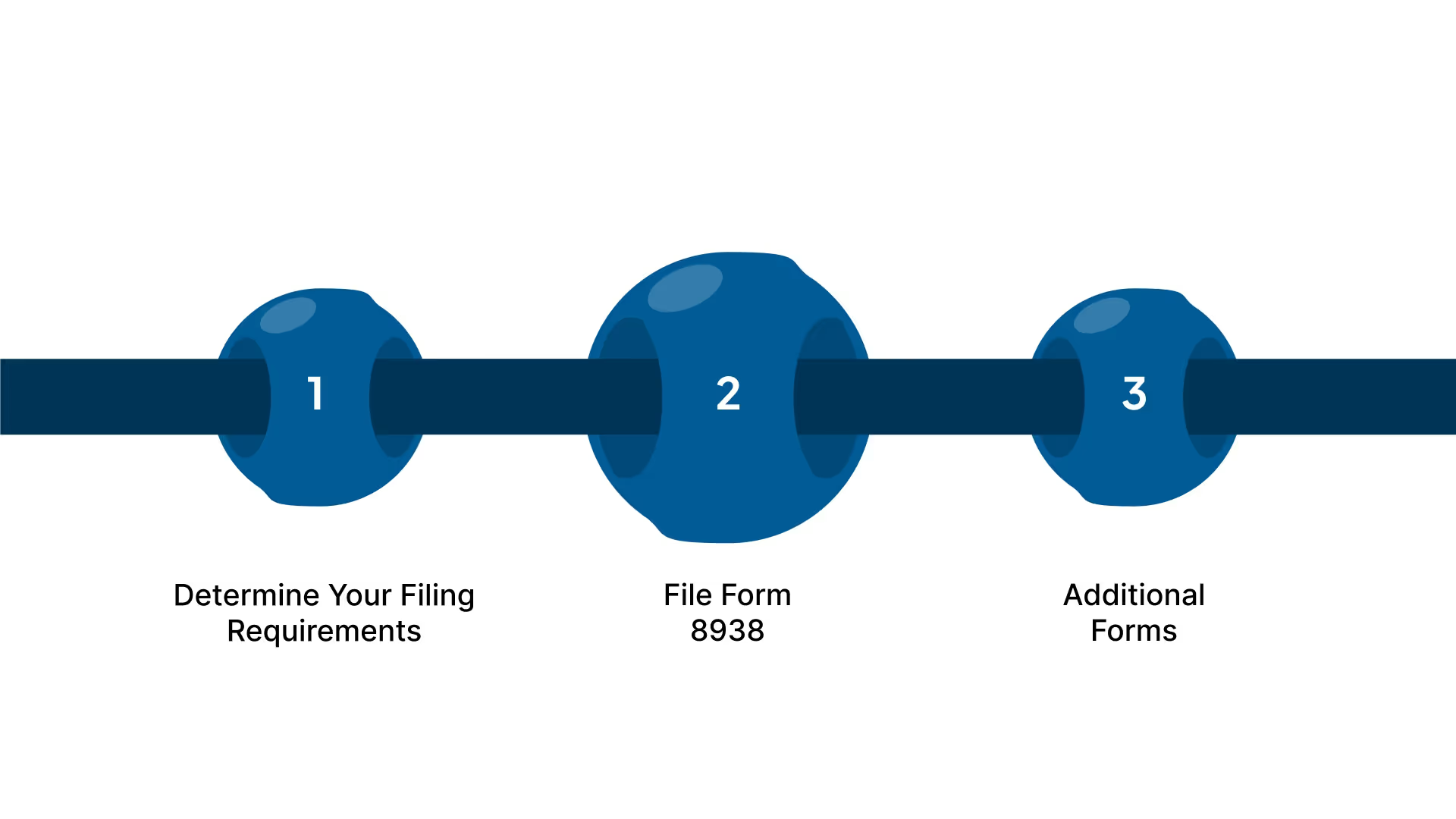
Declarar activos en el extranjero es un paso fundamental para garantizar el cumplimiento de las normativas fiscales y de divulgación financiera de los EE. UU. A continuación, presentamos una guía simplificada para que los contribuyentes estadounidenses sepan cómo declarar sus activos financieros en el extranjero:
No todos los contribuyentes estadounidenses deben declarar sus activos en el extranjero. Si el valor combinado de sus cuentas financieras en el extranjero supera los 10 000 USD en cualquier momento del año, debe presentar el Formulario 114 de FinCEN, conocido como Informe de Cuentas Bancarias y Financieras Extranjeras (FBAR). Este formulario se presenta electrónicamente ante FinCEN, no ante el IRS.
Si sus activos en el extranjero superan ciertos umbrales específicos, debe presentar el Formulario 8938, Declaración de Activos Financieros Extranjeros Especificados, junto con su declaración de impuestos (generalmente el Formulario 1040). Este formulario proporciona detalles adicionales sobre sus activos financieros en el extranjero.
Cualquier ingreso generado por sus activos en el extranjero, como intereses, dividendos o ingresos por alquileres, también debe declararse en su declaración de impuestos de los EE. UU.
Dependiendo de su situación, es posible que se requieran otros formularios. Por ejemplo, el Formulario 5471 es necesario para corporaciones extranjeras, mientras que el Formulario 3520 o 3520-A puede ser necesario para fideicomisos extranjeros. Es esencial mantener registros precisos de todos sus activos y transacciones en el extranjero. Esto respaldará su declaración en caso de una auditoría.
Los contribuyentes que viven en el extranjero suelen utilizar el Formulario 1040, pero pueden necesitar formularios adicionales como el Formulario 2555 (Exclusión de Ingresos Ganados en el Extranjero) o el Formulario 1116 (Crédito Fiscal Extranjero). Consulte siempre las directrices más recientes del IRS para garantizar el cumplimiento.
Lea también: Externalización de servicios fiscales a la India: una guía para empresas estadounidenses
Necesitará registros de sus cuentas, inversiones y otros activos en el extranjero, incluido el valor máximo de cada activo durante el año.
Para las cuentas en el extranjero, utilice el valor más alto alcanzado durante el año. Para otros activos, utilice su valor justo de mercado al cierre del año, convirtiendo los valores a dólares estadounidenses según el tipo de cambio de cierre del año.
Los bienes raíces en el extranjero generalmente no se declaran a menos que se posean a través de una entidad o generen ingresos, como ingresos por alquiler. Revise las directrices del IRS para conocer las normas específicas de declaración de bienes raíces.
La ley FATCA exige que los contribuyentes estadounidenses revelen sus activos en el extranjero y obliga a las instituciones financieras extranjeras a informar al IRS sobre los titulares de cuentas estadounidenses. Esta ley ayuda al IRS a detectar y prevenir la evasión fiscal relacionada con cuentas en el extranjero.
If you hold foreign assets, FATCA may impose additional reporting obligations on both you and the foreign financial institutions holding your assets. Accountants assisting clients with foreign assets should be familiar with FATCA’s implications, ensuring that all assets are properly reported and that clients are aware of their obligations.
Missing a foreign asset disclosure deadline or making errors can lead to costly penalties. VJM Global specializes in helping U.S. businesses and investors manage the complexities of FBAR, Form 8938, and other foreign asset reporting requirements. With expertise in cross-border tax compliance and audit support, we ensure your disclosures are accurate and timely, keeping your operations fully compliant with IRS regulations. Get started today.
But what happens if you fail to report these assets? Let’s take a look at the penalties for non-compliance.
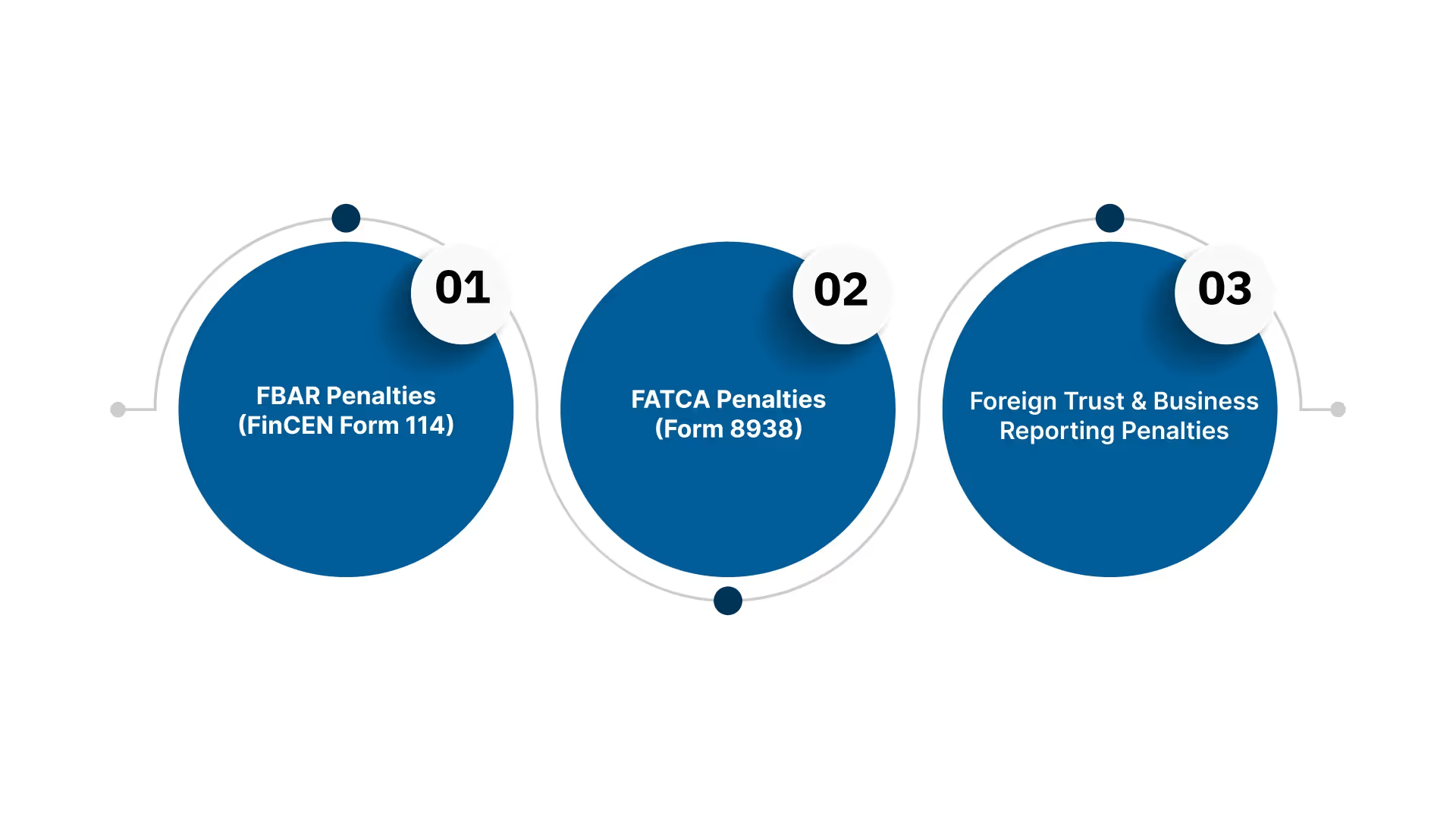
Failure to disclose foreign assets can result in severe financial penalties, civil cases, and criminal charges. Here’s a breakdown of the penalties associated with non-compliance:
Keeping accurate records and filing on time is the best way to ensure compliance and avoid the costly consequences of non-disclosure.
To wrap things up, here are some practical tips to ensure you file IRS Form 8938 correctly and remain compliant.
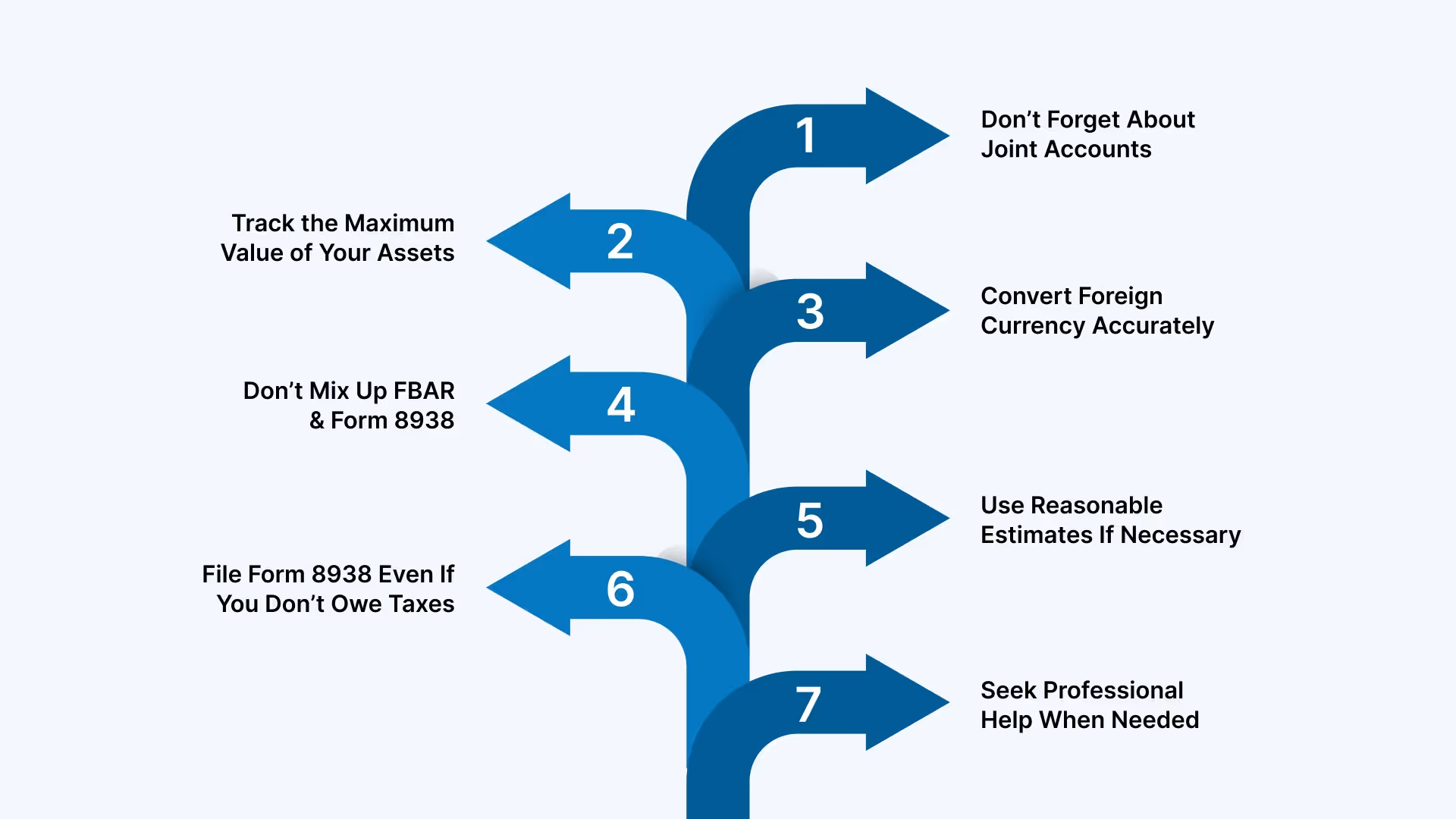
Filing IRS Form 8938 can seem daunting, especially when dealing with foreign financial assets. To help you tackle the process, here are some valuable tips to ensure you stay compliant:
Joint ownership affects how you report assets. If you’re filing jointly with a spouse, report the full value of jointly owned assets once. For joint ownership with individuals who are not your spouse, report the full value of the asset. This rule applies regardless of whether the other joint owner is a business partner, friend, or relative.
You must report the maximum value of your foreign assets during the year, not just their value at year-end. Use account statements to identify the highest value of your foreign assets during the tax year.
When converting foreign assets into U.S. dollars, use the exchange rate on December 31st of the tax year. If you sold or closed an asset before the year-end, still use the exchange rate on December 31st.
Both FBAR (FinCEN Form 114) and Form 8938 require reporting of foreign assets, but their filing requirements differ:
You may need to file both forms, depending on your assets.
If you’re unsure of an asset’s exact value, you can use a reasonable estimate based on available information. For example, use financial statements or publicly available market data to estimate values. Be sure to document how you arrived at your estimate in case the IRS asks for clarification.
You are required to file Form 8938 even if you don’t owe any U.S. taxes. The IRS uses this form to track foreign financial assets, so it must be filed regardless of your tax liability.
Filing Form 8938 can be complicated, especially when dealing with foreign assets. If you’re unsure about any part of the filing process, consult a professional. VJM Global offers U.S.‑trained CPA & CA teams, Form 8938/FBAR cross‑border compliance, and full accounting‑outsourcing support for U.S. companies with Indian operations, so you can stay compliant with ease.
Following these tips simplifies the Form 8938 filing process, ensures you meet IRS requirements, and helps you avoid penalties.
Accurately reporting foreign assets is a regulatory requirement and a crucial step in avoiding significant penalties. The complexity of international tax laws and foreign asset disclosure can be tricky, but ensuring compliance is essential for the long-term financial health of U.S. businesses and investors.
VJM Global’s specialized services ensure your compliance with U.S. tax regulations, including FBAR and Form 8938. Here’s how we can help:
Get in touch with our expert team today to ensure your foreign asset disclosure is handled seamlessly and in full compliance with U.S. tax laws.
FBAR (Foreign Bank and Financial Accounts Report) is required for U.S. taxpayers who have foreign financial accounts exceeding $10,000 in aggregate value at any point during the year. If you meet this threshold, you must file FinCEN Form 114.
Penalties for non-compliance can be severe, including civil fines up to $10,000 per violation for non-willful failures and up to $100,000 or 50% of the account balance for willful violations. Criminal charges may also apply in cases of intentional non-compliance.
Form 8938 is required for U.S. taxpayers with specified foreign assets exceeding certain thresholds. It must be filed with your annual tax return (Form 1040) if your foreign assets meet these thresholds.
VJM Global offers comprehensive support with FBAR, Form 8938, and other foreign asset disclosures. We provide tax preparation, audit support, and international tax advisory services to ensure full compliance with U.S. regulations.




