%20(3).avif)
Los empresarios extranjeros que establecen operaciones en Singapur a menudo asumen que las auditorías legales anuales son obligatorias para todas las entidades constituidas, solo para descubrir durante su primer ejercicio financiero que existen exenciones. El verdadero trabajo consiste en determinar si la estructura, el perfil de ingresos y las afiliaciones de grupo de su empresa cumplen con los criterios definidos con precisión en Singapur.
La Ley de Sociedades de 1967 de Singapur regula todas las obligaciones de auditoría, con la Autoridad Reguladora de Contabilidad y Sociedades (ACRA) como organismo encargado de su cumplimiento. Según los datos del registro de la ACRA, a principios de 2026 había aproximadamente 628.000 entidades comerciales registradas, y una parte sustancial son sociedades privadas de responsabilidad limitada de propiedad extranjera.
Muchas de estas entidades califican para la exención de auditoría bajo el marco de "pequeña empresa" introducido en 2015. Sin embargo, calificar requiere prestar mucha atención a los periodos de rendimiento de dos años, las reglas de consolidación a nivel de grupo y los criterios de inactividad.
Tanto si es una empresa privada recién constituida, parte de una estructura de grupo multinacional o un inversor extranjero con una filial en Singapur, esta guía aclara su situación respecto a la auditoría, la elegibilidad para la exención y las obligaciones de cumplimiento continuo, incluso cuando no se requieren auditorías.
Resumen:
Una auditoría legal según la Ley de Sociedades es un examen anual independiente de los estados financieros de una empresa realizado por un contador público registrado ante ACRA. El mandato del auditor es confirmar que los estados cumplen con las Normas de Información Financiera de Singapur (SFRS) y presentan una "imagen fiel y razonable" de la situación financiera y el rendimiento de la empresa, tal como lo exige la Sección 207.
Todas las sociedades privadas limitadas en Singapur están sujetas a requisitos de auditoría legal por defecto. La Sección 205(1) exige que los directores nombren al menos a un auditor dentro de los 3 meses posteriores a la constitución. El incumplimiento de esta obligación conlleva multas de hasta 5.000 S$.
Las empresas solo pueden evitar el requisito de auditoría si califican bajo una de estas tres categorías específicas:
Para las entidades de propiedad extranjera, una auditoría proporciona una garantía independiente a las partes interesadas —inversores, prestamistas y reguladores—, especialmente cuando la empresa matriz se encuentra en el extranjero y la supervisión directa de las operaciones en Singapur es limitada. Los bancos a menudo requieren estados financieros auditados para otorgar líneas de crédito, y ciertas subvenciones o contratos gubernamentales exigen estados financieros auditados independientemente del estado de exención.
Plazo legal: Los directores deben nombrar al menos a un auditor en un plazo de 3 meses desde la constitución. Solo los contadores públicos o las firmas de contabilidad registradas ante la ACRA bajo la Ley de Contadores pueden ejercer como auditores de la empresa. Los auditores que ejerzan sin estar registrados ante la ACRA se enfrentan a multas de hasta 10.000 S$ y/o penas de prisión.
Estructura del mandato: Los auditores ocupan su cargo desde su nombramiento hasta la conclusión de la siguiente Junta General Anual (AGM) de la empresa, momento en el cual deben ser reelegidos o sustituidos. Si los directores no realizan el nombramiento, cualquier accionista puede solicitar a la ACRA que realice el nombramiento en nombre de la empresa.
Destitución frente a dimisión:
Los auditores evalúan si los estados financieros principales de una empresa cumplen con las SFRS y ofrecen una imagen fiel y razonable. Su alcance y derechos de acceso están definidos por ley:
La legislación de Singapur no establece honorarios de auditoría específicos; estos se negocian entre la empresa y la firma auditora. Sin embargo, los accionistas conservan derechos de divulgación. Según la Sección 206(1), los accionistas pueden exigir la divulgación de los honorarios si cumplen con alguno de los siguientes umbrales:
Esto se aplica tanto a la remuneración del auditor como a cualquier honorario por servicios ajenos a la auditoría pagados a la misma firma.
Singapur aplica un "concepto de empresa pequeña" bajo la Sección 205C, que permite a las empresas privadas que cumplan los requisitos estar totalmente exentas de los requisitos de auditoría legal. Esta exención se aplica a los ejercicios financieros que comiencen a partir del 1 de julio de 2015.
Existen tres vías de exención distintas (empresa pequeña, grupo pequeño y empresa inactiva), cada una con sus propios criterios de calificación. Una empresa puede encuadrarse en una o más de estas categorías según su estructura.
Para calificar, una empresa debe cumplir ambas de las siguientes condiciones:
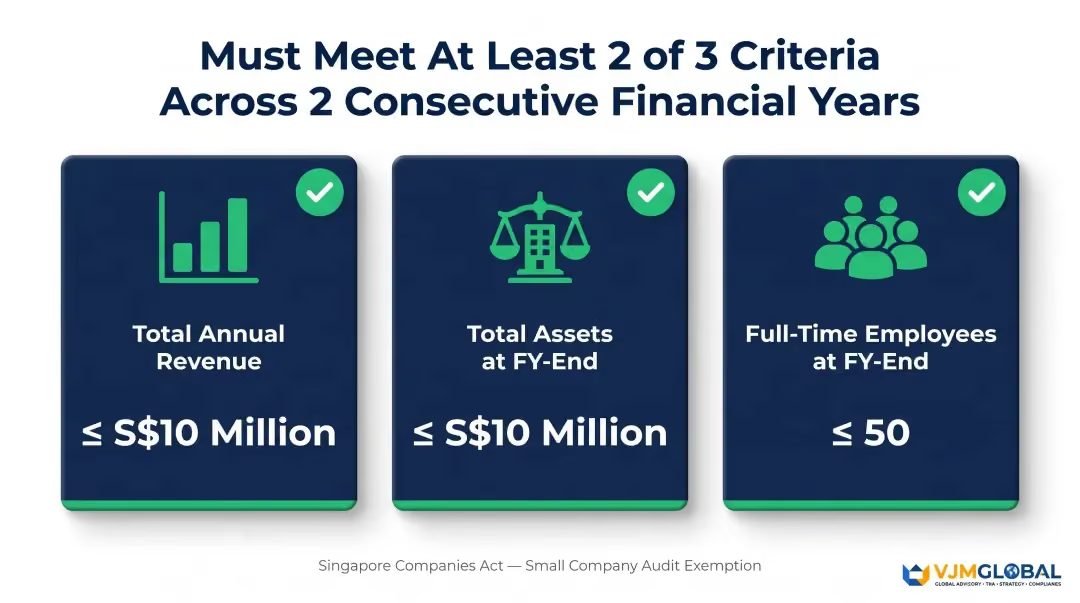
Las empresas constituidas hace menos de dos años califican cumpliendo los criterios únicamente en el año en curso. A partir del segundo año, se evalúan los dos años anteriores.
Fuente: Exenciones de auditoría de ACRA
Las empresas residentes en Singapur que pertenecen a un grupo corporativo se enfrentan a un nivel de evaluación adicional. Se deben cumplir ambas condiciones siguientes:
Algunos detalles que suelen tomar a las empresas por sorpresa:
Error común: Una empresa matriz estadounidense con 50 millones de S$ en ingresos globales no superará la prueba de grupo, lo que obligará a la filial de Singapur a someterse a una auditoría obligatoria, incluso si dicha filial solo tiene 500.000 S$ en ingresos locales.
Una tercera vía se aplica a las empresas que simplemente han dejado de operar. Según la Sección 205B(2), una empresa se considera inactiva durante cualquier período en el que no se produzcan transacciones contables, independientemente de su tamaño o de si pertenece a un grupo.
Las siguientes actividades no interrumpen el estado de inactividad (Sección 205B(3)):
Dos disposiciones de anulación limitan esta exención. En primer lugar, la Sección 205D permite al Registrador exigir estados financieros auditados si la empresa ha incumplido la Sección 199 (registros contables) o la Sección 201 (estados financieros), o si el interés público lo exige. En segundo lugar, los miembros que posean al menos 5% de las acciones emitidas puede solicitar una auditoría para cualquier año determinado mediante notificación por escrito.
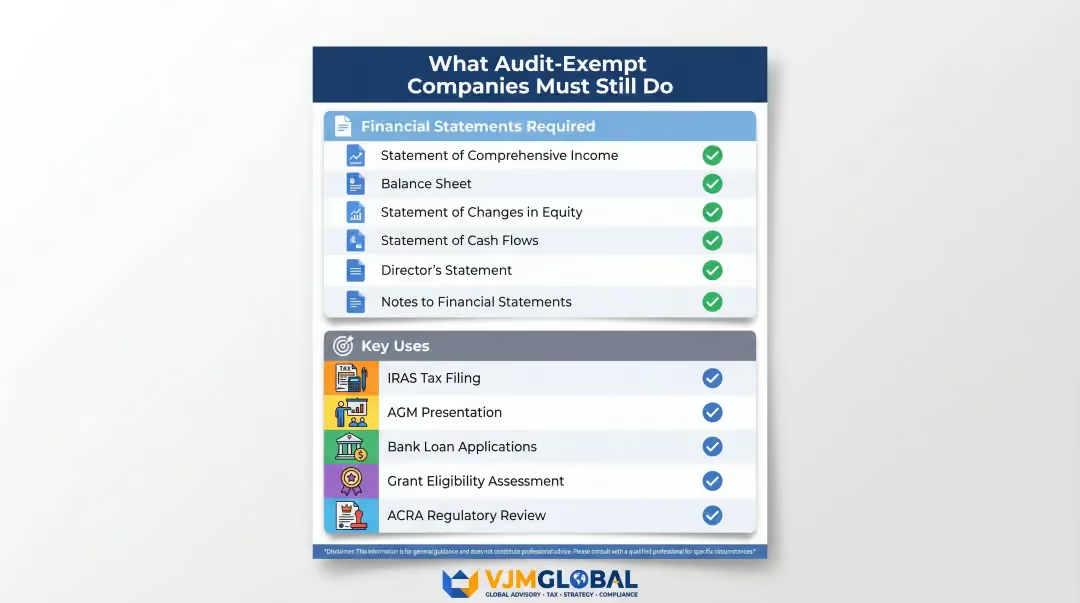
La exención de auditoría elimina el requisito legal de auditoría, pero no elimina las obligaciones de cumplimiento. Las empresas exentas deben preparar estados financieros no auditados (UFS, por sus siglas en inglés) que incluyan:
Los UFS cumplen varios propósitos prácticos y normativos:
En cuanto a la presentación anual:
Existen tres escenarios que pueden privar a una empresa de su exención de auditoría:
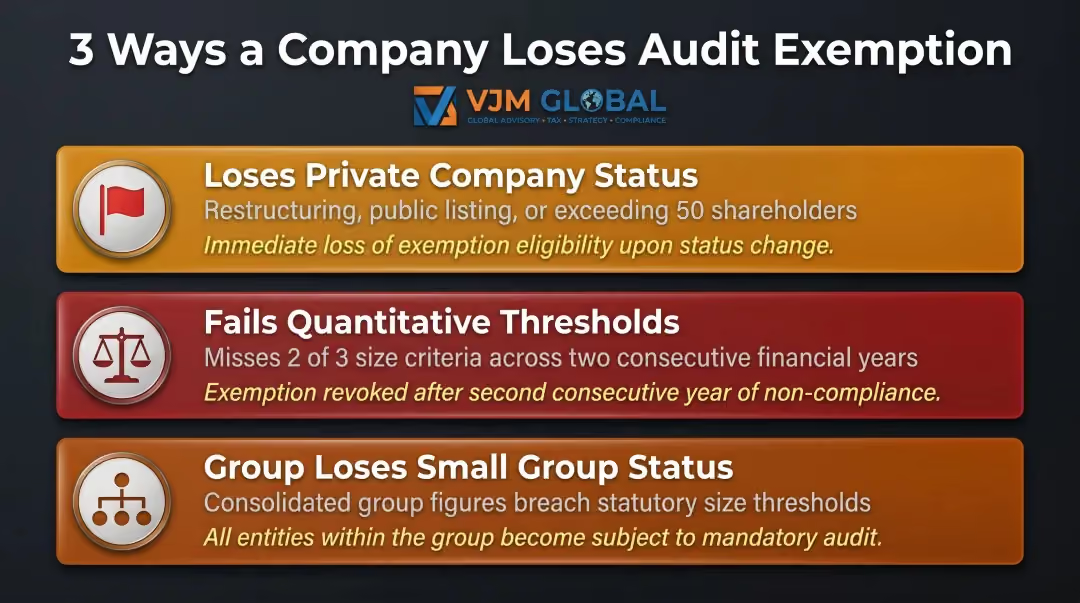
Las empresas que se acerquen a los umbrales de ingresos o activos de 10 millones de S$ deben supervisar ambos indicadores de cerca durante años consecutivos. Dado que la exención se evalúa sobre una base móvil de dos años, un crecimiento sólido en el año 2 puede activar discretamente los requisitos de auditoría obligatoria para el año 3, dejando poco tiempo para designar a un auditor cualificado.
Fuente: Sanciones y cumplimiento de la ACRA
Si no se pagan las sumas de composición o se repiten los incumplimientos, la ACRA puede procesar a la empresa y a sus directores. Las citaciones judiciales se envían por correo certificado; si un director no comparece, se emitirá una orden de arresto en su contra. Los directores condenados por 3 o más delitos de presentación de documentos en un plazo de 5 años quedan inhabilitados para ejercer como directores durante 5 años.
Fuente: Presentación tardía o falta de presentación ante el IRAS
Más allá de las multas a nivel corporativo, los directores se enfrentan a responsabilidades personales. El incumplimiento deliberado o grave puede derivar en multas personales, penas de prisión y la inhabilitación permanente para ocupar cargos directivos.
La "regla de los 2 años" exige que una empresa cumpla al menos 2 de los 3 criterios cuantitativos (ingresos ≤S$10M, activos ≤S$10M, empleados ≤50) durante los dos ejercicios financieros consecutivos inmediatamente anteriores para calificar como pequeña empresa. Las empresas recién constituidas solo necesitan cumplir los criterios durante su primer año.
La Sección 157 abarca los deberes de los directores, específicamente la obligación de actuar con honestidad y ejercer una diligencia razonable. El incumplimiento puede resultar en multas de hasta S$20,000 o 12 meses de prisión, y se aplica independientemente de si la empresa tiene estatus de exención de auditoría.
No. Las empresas privadas que califican como pequeñas empresas, grupos pequeños o empresas inactivas están exentas de auditoría legal. Aun así, deben preparar estados financieros no auditados y presentar declaraciones anuales ante ACRA.
Sí. A diferencia del antiguo marco de Empresa Privada Exenta, la exención actual para pequeñas empresas no requiere que todos los accionistas sean personas físicas. Los accionistas corporativos, incluidas las empresas matrices extranjeras, no descalifican a una empresa para la exención, siempre que se cumplan los criterios cuantitativos.
Una vez que una empresa deja de calificar como pequeña empresa o grupo pequeño, debe cumplir con los requisitos completos de auditoría legal, lo que incluye designar un auditor registrado en ACRA y someter los estados financieros a auditoría, a partir del ejercicio financiero en el que se produzca la descalificación.
Sí. Las empresas exentas de auditoría deben preparar estados financieros no auditados y presentar declaraciones anuales ante ACRA dentro de los 7 meses posteriores al cierre del ejercicio financiero. La mayoría de las empresas también deben enviar sus estados financieros en un formato digital estructurado, a menos que califiquen para la presentación simplificada como pequeña empresa inactiva.