


If you're a manager, you’ve likely faced the frustration of trying to keep track of revenue streams, control expenses, and stay ahead of tax regulations. Running a hospitality business means juggling countless responsibilities, but few are as critical as managing your finances.
From fluctuating room rates to unpredictable food and beverage sales, the financial domain can feel like a constant challenge.
This blog will explore those challenges with practical accounting insights tailored specifically for the hospitality industry. We’ll guide you through key areas, including revenue management, expense control, and tax compliance, as well as how to fine-tune your financial processes for better decision-making.
Hotel accounting is a specialized branch of accounting focused on the unique financial aspects of the hospitality industry. It involves recording and organizing financial transactions to provide insights into a business’s financial health.
Hotel accounting adapts standard accounting principles to account for the distinct needs of hotels, guesthouses, and other accommodation businesses.
Internally, hotel managers use financial reports to monitor performance and make strategic decisions. Externally, investors, lenders, and stakeholders rely on these reports to assess the hotel's profitability and stability.
Now that we understand what hotel accounting is, let’s explore the benefits it brings to the hospitality sector.
Hospitality accounting isn’t like traditional business accounting. It must manage unpredictable demand and high operating costs while focusing on customer satisfaction. Here’s how it stands out:
In the dynamic world of hospitality, effective accounting practices are crucial for maintaining profitability while meeting customer expectations, ensuring long-term success in a competitive market.
With a solid grasp of the benefits, let’s take a closer look at what’s involved in hotel accounting.
.avif)
Hotel accounting is a specialized field that focuses on managing the financials of hotels, resorts, and other lodging businesses. Here are some of the key components:
Hotels generate income from various sources, including room bookings, food sales, and additional services. Effective hotel accounting ensures all these streams are tracked and categorized correctly. On the expense side, tracking labor costs, utilities, and maintenance is equally crucial for maintaining profitability.
Dynamic pricing allows hotels to adjust room rates based on demand, seasonality, or market shifts. Hotel accounting must adapt to these fluctuations, accurately recording the changes to revenue in real time. This requires tailored tools and systems designed for the hospitality industry.
ホテルに休業日はなく、金融取引も同様です。会計システムは、宿泊客の支払いからリアルタイムの請求まで、多岐にわたる取引を効率的に管理しなければなりません。不正を防止し、円滑な財務運営を維持するためには、セキュリティと正確性が不可欠です。
ホテルの給与計算は、会計の重要な要素です。ホテルは労働法を遵守し、賃金、福利厚生、税金を管理するだけでなく、W-2や1099といった給与関連の申告業務も適切に行う必要があります。専門の会計士がプロセスを管理することで、連邦および州の要件を満たし、業務を円滑に進めることができます。
ホテルは、備品やサービスの提供において多くのベンダーに依存しています。会計業務には、ベンダーとの関係構築、買掛金の管理、契約遵守の徹底が含まれます。
ホスピタリティ業界における効果的な財務管理とは、収益のバランスを保ち、コストをコントロールすることです。主な要素として、売上管理、コスト管理、キャッシュフロー分析、収益性評価が挙げられます。これらの領域を管理することで、ホテルはリソースを最適化しながら健全な財務状態を維持できます。
給与、税務、コンプライアンスは、ホスピタリティ会計の核心です。正確な賃金分配、源泉徴収、労働法の遵守は欠かせません。定期的な報告と記録保持を行うことで、コンプライアンスを維持し、ペナルティを回避し、財務面でビジネスを軌道に乗せることができます。
これらの要素を習得することで、ホテルオーナーやマネージャーは財務管理の複雑な課題に対処し、すべての運営において収益性と法的コンプライアンスを確保できるようになります。
あわせて読みたい:米国からインドへの税務申告アウトソーシング:CPAのための2025年ガイド
主要な領域を把握したところで、次はホスピタリティ会計を形作る核心的な概念を理解することが重要です。
ホスピタリティ会計は、標準的な財務構造にホテル特有の要素を加えたものであり、ホテルの財務状況、業績、意思決定に関する重要な洞察を提供します。
これらの概念を理解することで、ホテルオーナーやマネージャーは財務管理の複雑な課題に対処し、意思決定を改善し、競争の激しいホスピタリティ業界において全体的な収益性を高めることができます。
あわせて読みたい:インドでのオフショア会計:米国CPA事務所のための2025年ガイド
次に、財務パフォーマンスを追跡・改善するために役立つ、ホテル会計の重要な指標について見ていきましょう。
ホテルの客室数は限られており、在庫は時間とともに価値を失うため、主要な運営指標を注意深く監視することが不可欠です。財務パフォーマンスを効果的に追跡するために、最も一般的に使用されるホテル指標とその計算式を以下に紹介します。
これらの指標は、ホスピタリティ業界における財務パフォーマンスを監視・改善するために不可欠です。
Also Read: Preparing a GAAP Cash Flow Statement? Outsource from the US to India
主要な指標について理解したところで、次はホテル会計をどのように始め、これらの手法を導入していくかについてお話しします。
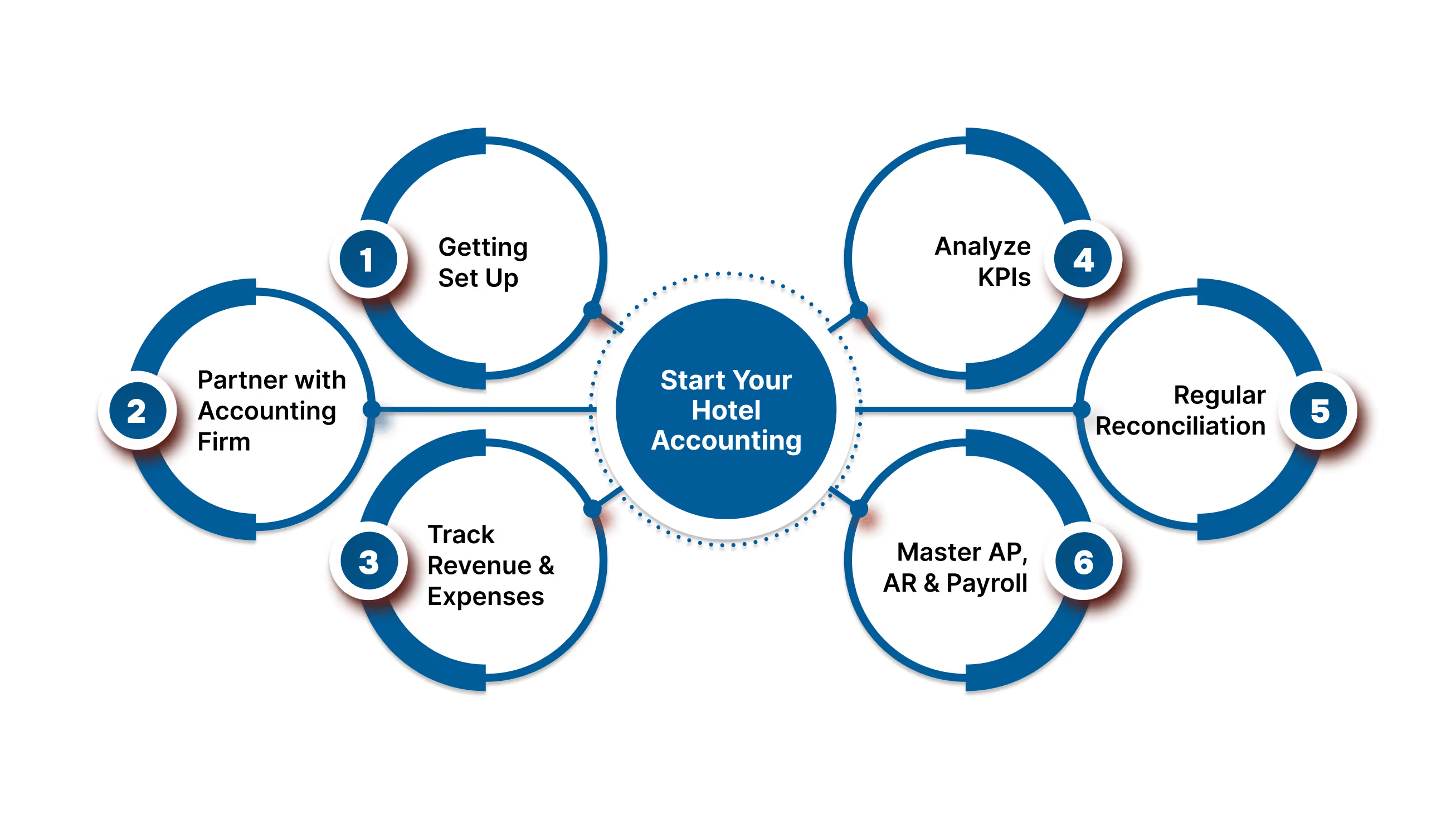
ホテル会計の開始は、決して難しいことではありません。ステップごとに見ていきましょう。
The first step is to choose the right hotel accounting software tailored to your property’s needs. It should be capable of handling the high volume of transactions typical in the hospitality industry. Make sure to integrate it with your Point of Sale (POS) system for seamless data flow and accurate financial reporting.
ホスピタリティ業界に特化した、信頼できる会計・ビジネスソリューションであるVJM Globalとの提携をご検討ください。当社のバーチャル会計士チームが貴社の財務を管理し、オーバーヘッドコストを削減することで、お客様が卓越したゲスト体験を提供できるようサポートいたします。
デモを予約して、財務コンプライアンス、収益管理、戦略的計画に関する専門的なガイダンスをご活用ください。
会計ソフトウェアを使用して、客室予約、飲食、その他のサービスからの収入と、人件費、光熱費、備品費などの支出を追跡します。これらの数値を定期的に見直すことで、傾向を把握し、収益性を高めるための情報に基づいた意思決定が可能になります。
収益と費用の追跡に加え、平均客室単価(ADR)、販売可能客室1室あたりの収益(RevPAR)、販売可能客室1室あたりの売上総営業利益(GOPPAR)などの主要業績評価指標(KPI)を定期的に監視しましょう。
これらの指標は、ホテルのパフォーマンスに関する貴重な洞察を提供し、成長や改善が必要な領域を浮き彫りにします。
すべてが一致していることを確認するために、頻繁に口座の照合を行ってください。これは、銀行明細書、請求書、財務書類を比較して、不一致を修正することを意味します。定期的な照合により、財務記録の正確性が保たれ、コストのかかるミスを防ぐことができます。
買掛金(AP)と売掛金(AR)を管理するための明確な手順を定めてください。ソフトウェアを活用してベンダーへの支払いを追跡し、ゲストからの回収を確実に行いましょう。また、給与計算プロセスを効率化し、従業員への支払いを正確かつタイムリーに行えるようにします。
これらのステップに従うことで、効率的なホテル会計の強固な基盤が築かれ、財務の安定性を確保しながらゲスト体験を向上させることができます。
準備が整いましたら、次は VJM Globalと連携することで、ホテルの経理業務を効率化し、すべてを円滑に進める方法をご紹介します。
ホテルの経理は複雑で困難なものですが、VJM Globalがそのプロセスを簡素化します。当社が貴社のビジネスをどのようにサポートできるかをご覧ください。
複雑な財務業務はVJM Globalにお任せください。貴社は卓越したゲスト体験の提供に専念していただけます。
ホテルの経理システムの構築と管理は難しく思えるかもしれませんが、適切なツール、プロセス、専門知識があれば、ビジネスにとって強力な資産となります。収益追跡、経費管理、コンプライアンスといった主要分野に注力することで、財務状況を常に健全に保つことができます。
専門的なホテル経理ソフトウェアを活用し、VJM Globalのような専門家と提携することで、業務を効率化し、財務効率を向上させることができます。
ホテルの経理業務を効率化する準備はできていますか?
経理業務をVJM Globalにアウトソーシングしてチームの時間を解放し、成長に集中しましょう。今すぐ始めましょう。
信頼できるホテル経理ソフトウェアの選定、ホテル専門の会計士との提携、そして収益・経費の追跡と定期的な照合を行うルーチンの確立から始めてください。
ADR(平均客室単価)、RevPAR(販売可能な客室1室あたりの収益)、GOPPAR(販売可能な客室1室あたりの売上総利益)などのKPIを監視することで、ホテルの財務パフォーマンスを評価し、傾向を把握し、収益性を向上させるためのデータに基づいた意思決定が可能になります。
会計士にアウトソーシングすることで、間接費を削減し、正確な財務管理を確保できます。また、財務管理を損なうことなく、ゲスト体験の向上に集中できるようになります。
主なプロセスには、収益と経費の追跡、買掛金(AP)および売掛金(AR)の管理、給与計算、そして財務記録の定期的な照合が含まれます。
ホスピタリティ関連法に精通した経験豊富な会計士と提携し、業界特有の税務規制を追跡し、財務データを統合するソフトウェアを使用して継続的なコンプライアンスを確保してください。

.avif)


