

.avif)
Expanding your U.S.-based agricultural farm into India is no small feat. While the potential for growth in India’s vast agricultural market is enormous, one of the most important elements you must get right is farm bookkeeping.
As a U.S. entrepreneur managing farm operations in India, you're not just managing seasonal harvests, livestock cycles, and production schedules; you're also dealing with complex financial reporting, tax compliance, and international transactions.
This blog serves as a guide for U.S. agricultural businesses that are expanding to India, providing specific insights into bookkeeping for farmers and addressing the complexities unique to the Indian agricultural market.
Farm bookkeeping involves maintaining accurate financial records for every activity related to farm operations, from crop production to livestock management. In India, agricultural bookkeeping includes managing income and expenses tied to crop yields, livestock sales, equipment investments, and even government subsidies.
For U.S. agricultural businesses entering India, farm bookkeeping must address both U.S. and Indian tax regulations, including GST (Goods and Services Tax), compliance with Indian Financial Reporting Standards (IFRS), local tax filings, and the long-term nature of agricultural investments.
Expanding your U.S. farm to India requires understanding both U.S. GAAP and Indian tax regulations. VJM Global offers comprehensive bookkeeping services such as GST compliance, outsourcing accounting, and financial reporting tailored for agricultural businesses. Our experts ensure your farm’s books are organized and tax-compliant from day one, so you can focus on growth.
IMAGE CTA 1
Now that we've explored farm bookkeeping, let’s look into why farm bookkeeping matters for U.S. entrepreneurs looking to expand to India.
.avif)
For U.S. entrepreneurs expanding to India, effective farm bookkeeping is key to dealing with local regulations and ensuring financial success in the new market.
1. Maintains Financial Transparency and Control
Farm bookkeeping helps U.S. entrepreneurs who are expanding into India’s agricultural market understand their farm’s financial health. Tracking income from crop sales, livestock, and other farm-based services provides clarity on where money is being spent and earned.
2. Helps with Tax Filing and Compliance
For U.S. entrepreneurs unfamiliar with the Indian local regulations, farm bookkeeping helps track GST-paid expenses and GST-collected revenues. This guarantees tax compliance and reduces the risk of penalties from Indian tax authorities like the Income Tax Department and CBIC (Central Board of Indirect Taxes and Customs).
3. Informs Strategic Business Decisions
Accurate financial records help U.S. farm operators in India assess which crops or livestock breeds are the most profitable. Bookkeeping helps identify cost-effective strategies, from optimizing land use to improving crop yield per hectare.
4. Aids in Long-Term Investment Planning
Farm operations in India often require large investments in land, equipment, and infrastructure. Bookkeeping allows U.S. entrepreneurs to track these investments over time for proper depreciation and tax treatment according to Indian tax laws.
5. 監査および財務の透明性への備え
徹底した記帳を行うことで、インドに進出している米国企業は監査に備えることができ、ステークホルダーに対して決算を報告する際の財務の透明性を確保できます。
あわせて読みたい:記帳と会計の主な違いについて解説
その重要性をより深く理解するために、インドで事業を展開する米国農業関連企業における農業簿記の主要な構成要素を詳しく見ていきましょう。
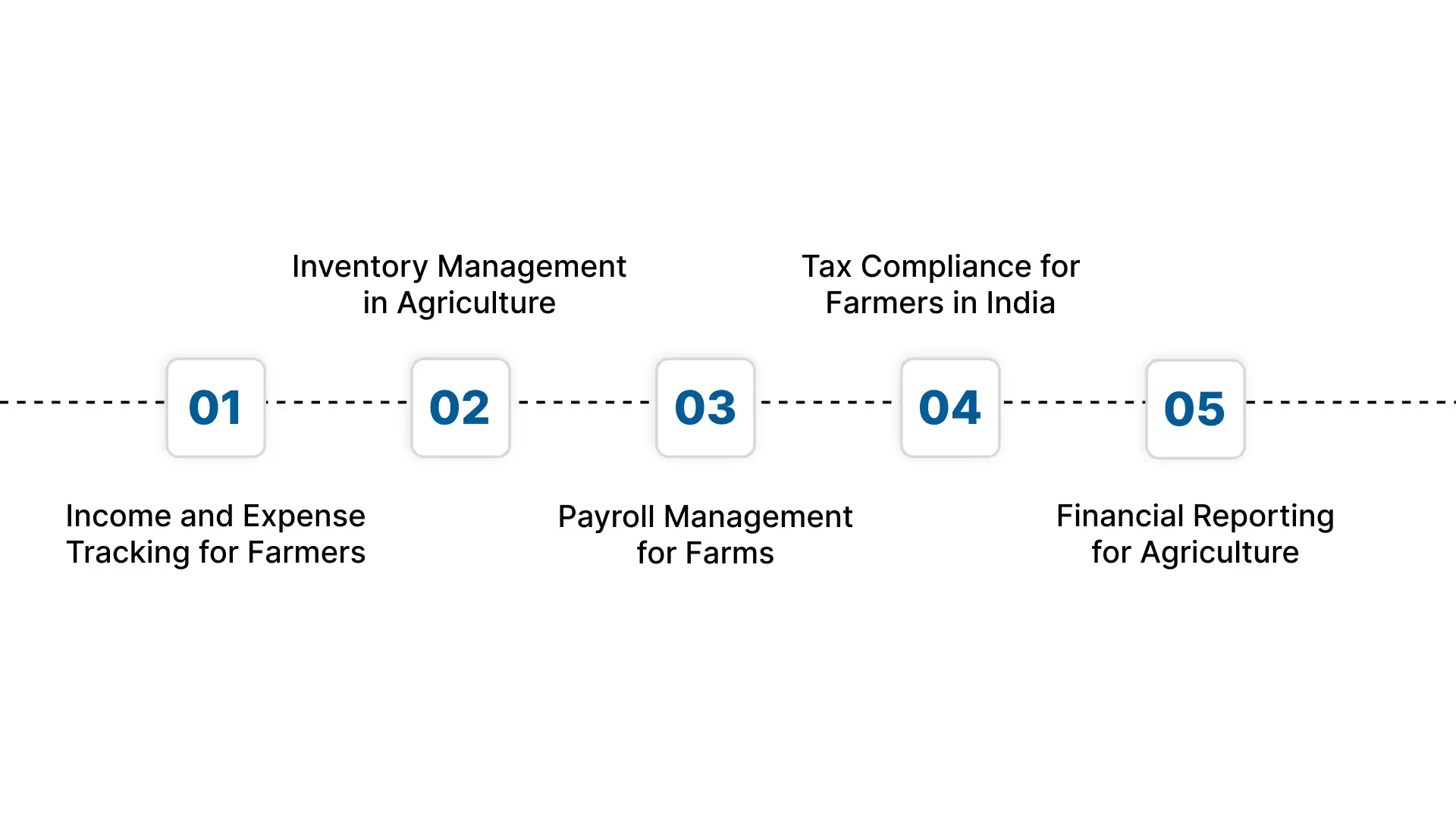
効果的な農業簿記には、財務の正確性とGST(物品サービス税)のコンプライアンスを維持するためのいくつかの要素への注意が必要です。インドに進出する米国農業関連企業にとって、これらの要素は日々の運営に不可欠です。
農作物の販売、家畜、政府補助金による収入や、種子、肥料、燃料、人件費に関連する支出を税務目的で正確に記録する必要があります。この情報を管理することで、インドの米国企業はコンプライアンスを維持し、税金の過払いを防ぐことができます。
インドの農業は季節性が強いため、種子、肥料、農薬、設備などの在庫管理が不可欠です。米国企業の経営者は、会計ソフトウェアを使用して在庫を追跡することで、無駄を防ぎ、インドの税務規則に準拠した在庫評価を確実に行うことができます。
従業員の賃金と福利厚生の管理は、積立基金(PF)や従業員州保険(ESI)といったインドの労働法を遵守する上で重要です。簿記システムは、米国機関がインドにおける正確な源泉徴収と従業員への支払いを検証できるよう、賃金データを記録する必要があります。
インドの米国農業関連企業にとって、GSTの申告は継続的な義務です。購入時に支払ったGST(仕入税額)と販売時に請求したGST(売上税額)を追跡することは、簿記の重要な部分です。適切な税務報告を行うことで、インドの税務当局へのコンプライアンスが維持され、罰則のリスクを軽減できます。
損益計算書や貸借対照表などの財務諸表を作成することは、事業全体のパフォーマンスを追跡するために不可欠です。これらの報告書は、インドの米国企業経営者が収益性を監視し、税金を計算し、将来の拡大に向けた財務ニーズを予測するのに役立ちます。
あわせて読みたい:財務的支払能力の理解:主要な概念と意味
これらの主要な構成要素を踏まえ、米国農業関連企業がインドに進出する際に採用すべき会計手法を探っていきましょう。
インドに進出する際、米国農業関連企業はインドの税務要件に適合した適切な会計手法を選択する必要があります。
Cash basis accounting records transactions when cash is received or paid. This method helps U.S. farm businesses in India track immediate cash flow and manage financial fluctuations typical of agricultural businesses, especially those with seasonal revenue.
Under accrual basis accounting, income and expenses are recorded when they are earned or incurred, regardless of when cash is exchanged. This method provides a clearer picture of a U.S. agricultural business’s financial health, helping owners make informed decisions for growth in India.
GST compliance can be a challenge for U.S. farms in India, but VJM Global makes it easy. We offer GST advisory, GST audits, and GST outsourcing services, helping you deal with India’s complex tax system. Our accounting team assures all records are accurately maintained, ensuring GST filing and tax deductions are handled smoothly, avoiding penalties.
Also Read: Understanding and Avoiding Commingling of Funds
Having learned about accounting methods, let's look at the 7 key steps for agricultural success through effective bookkeeping for U.S. businesses in India.
Managing your finances efficiently is crucial for the growth of U.S. agricultural businesses expanding to India. Here’s how to get it right:
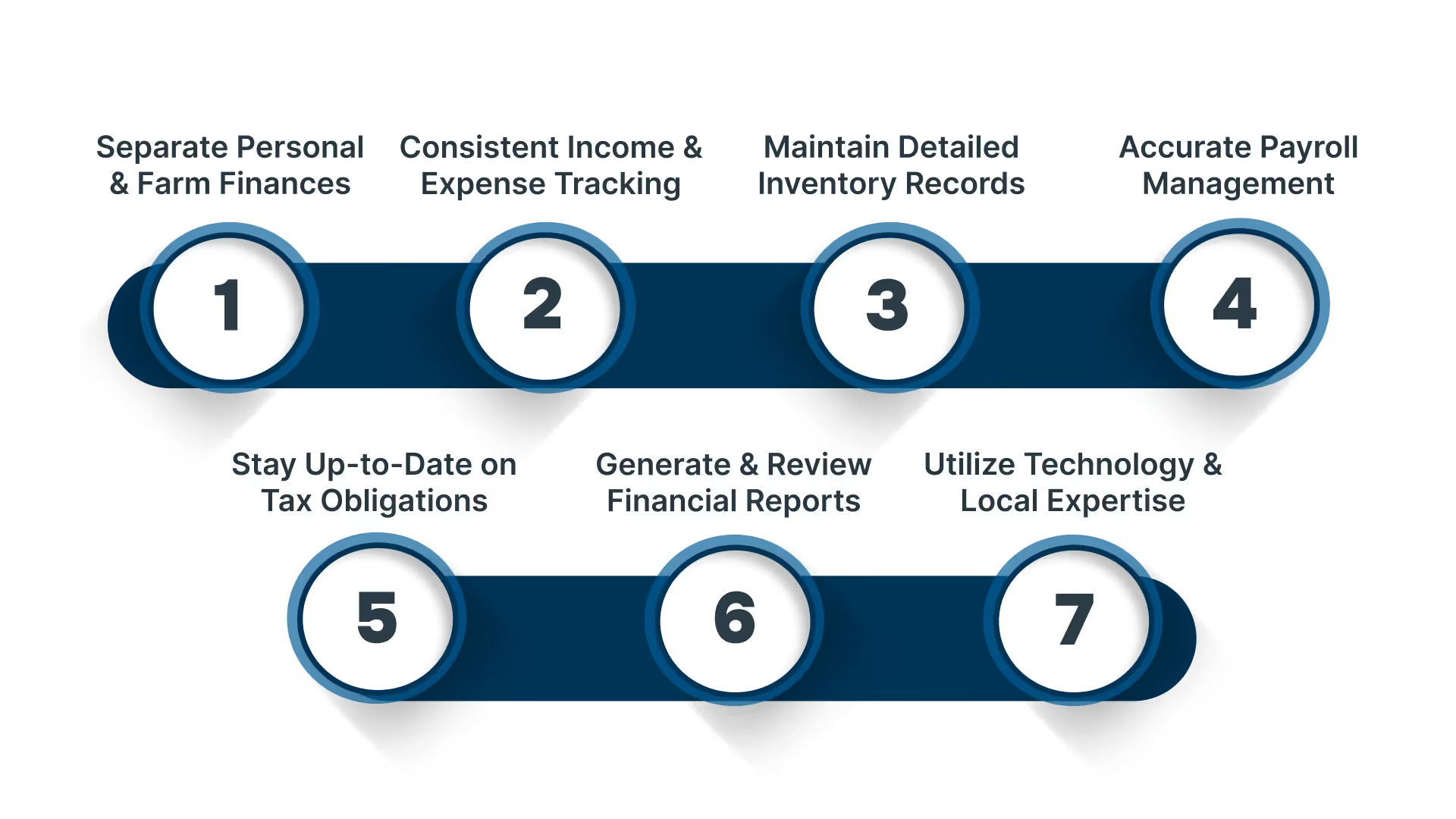
When growing your U.S.-based farm businesses into India, it’s essential to maintain a clear distinction between personal and farm finances. This ensures compliance with Indian tax laws like GST and makes it easier to track profits and losses, and prevents complications when filing taxes.
In India, where agricultural income can fluctuate due to seasonality and commodity price changes, tracking income from crop sales, livestock, and agri-services is essential. It helps U.S. businesses in India align income with the Indian GST system, helping track profits while staying compliant with tax regulations set by the Indian Income Tax Department and GST authorities.
India’s agricultural sector, with its diverse crops and livestock requirements, demands meticulous inventory management. For U.S. farmers entering India, detailed records of seeds, fertilizers, and machinery help manage costs, control waste, and comply with Indian GST filing.
In India, U.S. agricultural businesses need to comply with local labor laws such as the Provident Fund (PF), Employee State Insurance (ESI), and Income Tax (IT) regulations. Managing employee payroll efficiently while adhering to these laws offers timely salary disbursements, tax deductions, and labor compliance, which are essential for U.S. farm businesses seeking smooth operations in India.
For U.S. agricultural entrepreneurs. It’s important to stay updated on GST filings, quarterly returns, and tax deductions available for farm-related expenses. By staying on top of these obligations, U.S. businesses can avoid penalties and maximize tax benefits while aligning their financial operations with Indian tax laws.
Regular financial reports, such as P&L statements and balance sheets, help U.S. agricultural businesses in India monitor their financial health. By reviewing these reports regularly, U.S. farm operators can assess growth opportunities, optimize investments, and adjust their strategy for success in the Indian market.
To simplify bookkeeping for agricultural businesses in India, consider using cloud accounting software that supports multi-currency transactions and GST compliance. Additionally, consulting with local experts ensures you're always on top of India’s changing agricultural regulations while adapting your operations to Indian market demands.
Also Read: Accounts Payable Turnover Ratio: Formula, Calculation, and Meaning
Next, let’s examine the common bookkeeping challenges U.S. agricultural businesses face when entering the Indian market.
Managing the bookkeeping requirements for U.S. agricultural businesses in India can be tricky. These challenges include:
1. Seasonality of Income
Agriculture in India is seasonal, with fluctuating income throughout the year. Proper bookkeeping helps U.S. business owners plan for lean months and maintain liquidity.
2. Depreciation of Assets
India’s regulations on asset depreciation can be complex. Bookkeeping systems need to track the depreciation of farm assets like tractors, machinery, and buildings accurately, ensuring that tax deductions are maximized.
3. Inventory Valuation
Valuing inventory during changing commodity prices can be difficult. Using accurate bookkeeping practices helps U.S. farmers in India avoid overstocking or stockouts and manage GST compliance.
Also Read: Notes Payable vs Accounts Payable: Key Differences Explained
4. Tax Planning and Compliance
India’s GST system and income tax laws can be difficult for U.S. entrepreneurs to handle. Proper bookkeeping ensures compliance with both Indian and U.S. tax systems, helping businesses avoid costly errors.
With multi-currency transactions and varying farm costs, bookkeeping for agricultural businesses can get overwhelming. VJM Global provides accounting outsourcing services, including payroll management, general ledger maintenance, and tax preparation for U.S. agricultural businesses expanding to India. Our cloud-based accounting solutions guarantee that your books are always up-to-date and GST-compliant.
In light of these challenges, we can now review the best practices that can help U.S. agricultural businesses maintain efficient bookkeeping in India.

When expanding your U.S.-based agricultural farm into India, adopting these bookkeeping best practices offers financial transparency, GST compliance, and smoother operations. Here's how you can do it:
米国を拠点とする農業ビジネスにおいて、経費を適切に分類することは、インドのGST(物品サービス税)および所得税規制を遵守するために不可欠です。また、農業関連コストの控除を最大化する上でも役立ちます。
導入方法:
インドで事業を展開する米国農業ビジネスにとって、正確な在庫記録はGSTコンプライアンスを最適化し、監査時の不一致を防ぐために極めて重要です。在庫レベルと売上原価(COGS)を効率的に追跡しましょう。
導入方法:
給与計算の自動化により、積立基金(PF)や従業員州保険(ESI)といったインドの労働法への正確な準拠が可能となり、インドにおける米国農業ビジネスのミスを減らすことができます。
導入方法:
作物や家畜からの収入が大きく変動するインドの農業ビジネスにおいて、季節的な収入の変動を管理することは不可欠です。適切なキャッシュフロー管理が財務の安定につながります。
導入方法:
定期的な財務報告は、インドの農業ビジネスが収益性、GST義務、および運営パフォーマンスを把握するのに役立ちます。損益計算書(P&L)や貸借対照表などのレポートを確認し、財務状況を包括的に把握しましょう。
導入方法:
あわせて読みたい:買掛金アウトソーシングのコストと削減効果
最後に、VJM Globalが米国の農業ビジネスにおいて、インドでのコンプライアンス維持と効果的な記帳業務をどのようにサポートできるかについてまとめます。
米国の農業ビジネスをインドへ拡大することは、法務、税務、会計上のコンプライアンスに細心の注意を払う必要がある大きなプロジェクトです。私たちVJM Globalは、貴社の農業ビジネスがインドの規制基準を遵守しつつ、業務効率を最適化できるよう包括的なサービスを提供しています。当社のサポート内容は以下の通りです。
1. インドでの円滑なビジネス設立と事業拡大
インドに進出する米国の農業ビジネスには、効率的に運営するための適切な組織構造が必要です。VJM Globalは、子会社、支店、連絡事務所の設立を支援し、初日からインドの法律を遵守できるようサポートします。また、成長を続けるインドの農業市場を効果的に捉えるための最適な参入戦略の策定もガイドします。
2. 米国農業企業向けのインドにおけるGSTコンプライアンスとアドバイザリー
インドで事業を行う米国農業企業にとって、インドのGST(物品サービス税)システムへの対応は不可欠です。VJM Globalは、GST監査、コンプライアンスサービス、GST影響分析を提供し、貴社の納税義務が確実に果たされるよう支援します。GSTアドバイザリー、アウトソーシングサービス、およびインド税務当局への代理対応を通じて、コンプライアンスを維持し、ペナルティを回避できるようサポートします。
3. 農業ビジネスのストラクチャリングと税務プランニング
インドの法人税法を理解することは、インドに進出する米国農業企業にとって極めて重要です。VJM Globalは、法人税管理、移転価格アドバイス、駐在員向けの税務サービスを提供しています。当社の直接税サービスにより、貴社はインド所得税法の要件を満たしながら、税務戦略を最適化し、効率を最大化することができます。
4. 円滑な事業運営のためのリスクおよび保証アドバイザリー
新しい市場への拡大にはさまざまなリスクが伴います。VJM Globalは、デューデリジェンス監査や法定監査を含む、リスクおよび保証アドバイザリーサービスを提供しています。当社のチームは、貴社の米国農業ビジネスがインドの規制を遵守していることを確認し、国境を越えた取引に伴うリスクを軽減することで、インドでの事業運営に安全な財務環境を確保します。
5. インドにおける米国農業企業向けの簡素化された会計アウトソーシングサービス
会計業務をアウトソーシングすることで、時間の節約と正確性の向上が図れます。VJM Globalは、インドの米国農業企業に特化した会計アウトソーシングサービスを提供しています。財務記録の管理、多通貨取引の追跡、インドの会計基準およびGST法への準拠をサポートし、貴社が成長に集中できるよう、数字の管理を私たちが代行します。
VJM Globalをパートナーに迎えることで、会計や規制コンプライアンスのあらゆる側面が正確に処理されているという確信を持って、米国農業ビジネスをインドへ拡大することができます。
収入と支出の追跡、在庫管理、税務コンプライアンスを常に把握することで、貴社の米国拠点の農場は財務の安定性を高め、インドの多様で競争の激しい農業市場において長期的な成功を収めるための基盤を築くことができます。
VJM Globalは、米国の農業起業家がインドにおける複雑な農場の記帳、GST規制への準拠、税務監査、財務報告を乗り越えられるよう、専門的なサービスを提供しています。財務記録、税務、事業運営をシームレスに管理するためのカスタマイズされたソリューションを提供します。
インドでの事業拡大を成功させるために、農場の財務管理を最適化したい方は、今すぐVJM Globalまでお問い合わせください。
米国の農場は、仕入税額(購入時に支払った税)と売上税額(顧客に請求した税)の両方を追跡し、会計ソフトウェアを活用してGST申告を効率化することで、コンプライアンスを維持する必要があります。
Seasonal income variations can be managed with forecasting tools that predict cash flow, enabling U.S. farms to adjust their budgets for off-season periods.
Accrual accounting ensures proper revenue recognition and expense matching, while cash basis accounting is simpler but may not fully align with GST requirements in India.
Using cloud-based accounting software like QuickBooks or Xero, U.S. farms can automate multi-currency conversions, ensuring accurate financial records and GST compliance in India.
Implement automated payroll systems that ensure Indian tax compliance, including Provident Fund (PF) and Employee State Insurance (ESI) deductions, while streamlining wage distribution.

.avif)


