


インドの外国投資環境は活況を呈しています。2024-25年度の対内直接投資(FDI)流入額は810億4,000万米ドルに急増し、14%の増加となりました。これは、多くの産業で100%の外国資本所有を認めるセクター改革が後押ししたものです。しかし、この成長市場への参入を目指す米国企業にとって、その道のりは必ずしも平坦ではありません。
外国為替管理法(FEMA)は外国投資を統括しており、特に承認、コンプライアンス、そしてインドの金融規制の細部を理解する上で、その複雑さに対処することは困難を伴う場合があります。
本ガイドでは、FEMAの規制を詳しく解説し、外国投資家に求められる主要な要件を紐解きます。コンプライアンスの確保方法、必要な承認の取得方法、そして投資プロセスの簡素化について学びましょう。それでは始めます。
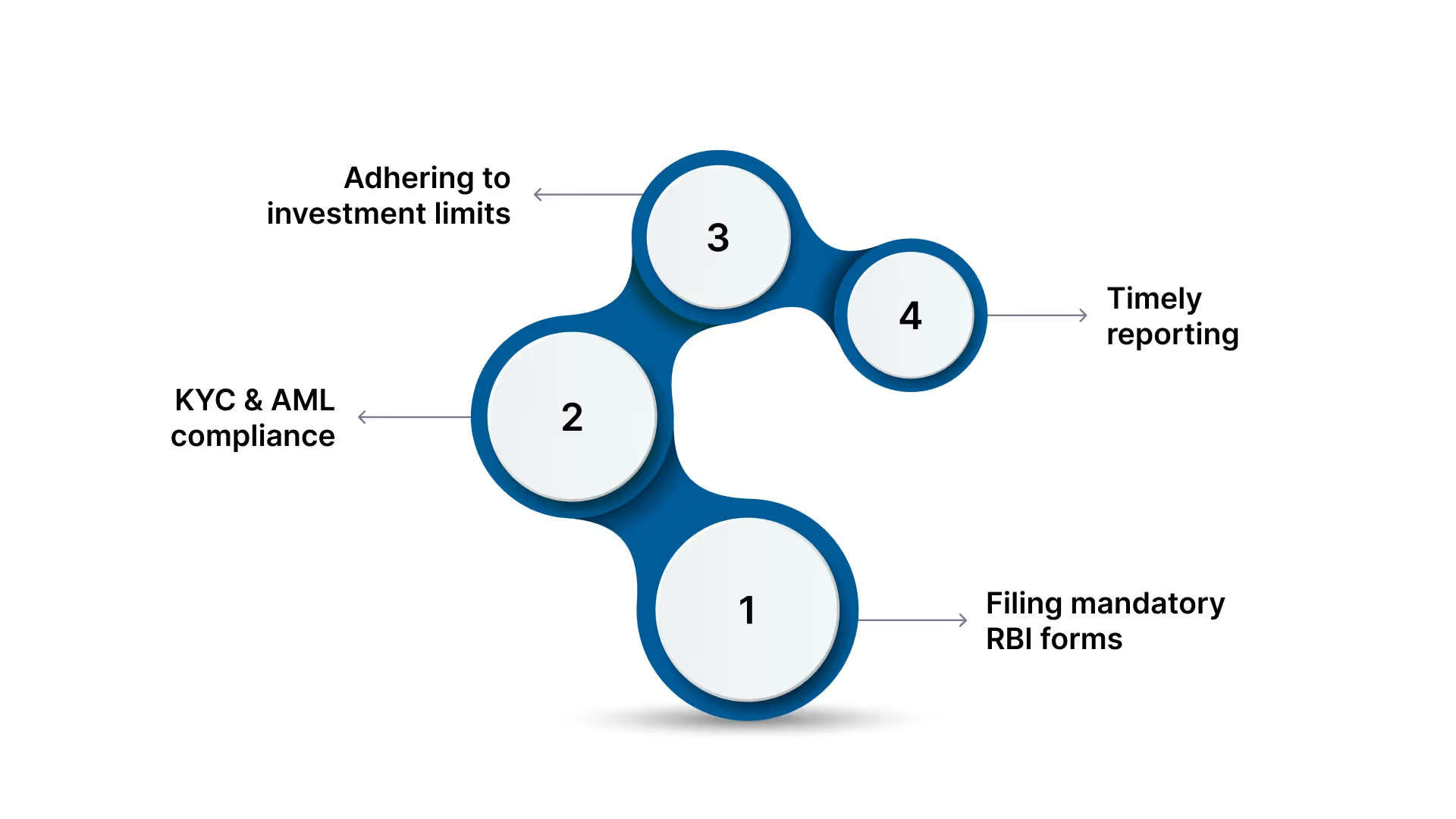
1999年に制定された外国為替管理法(FEMA)は、インドにおける対外貿易、支払い、および外国為替取引を規制するための主要な法律です。
FEMAは、インドのグローバル化推進に合わせて、増加する外国投資と対外貿易の流れを管理するために設計されました。国内外への送金、外国投資、物品・サービスの輸出入を含む、すべての外国為替取引を統括しています。
FEMAコンプライアンスとは、外国為替管理法(FEMA)およびインド準備銀行(RBI)のクロスボーダー取引に関するガイドラインに基づく、すべての法的・規制的要件を満たすことを意味します。これには主に以下の分野が含まれます。
インドに投資する米国企業にとって、外国為替管理法(FEMA)を理解することは、米国企業が外国投資リスク審査近代化法(FIRRMA)に基づき、対米外国投資委員会(CFIUS)の体制に対処しなければならない状況と似ています。
CFIUS/FIRRMAが国家安全保障の観点から米国への対内外国投資を統括するのに対し、FEMAはインドへの外国為替管理と資本フローに焦点を当てています。
あわせて読みたい:インドが国際的な事業拡大に最適な理由
FEMAコンプライアンスの基本を理解したところで、なぜ投資家にとってこれが非常に重要なのかを見ていきましょう。
インド市場への参入を計画する際、外国為替管理法(FEMA)は、多くの外国投資家が見落としがちな最初の法的接点となることがよくあります。FEMAが重要である理由は以下の通りです。
インドのようにダイナミックで競争の激しい市場において、FEMAコンプライアンスを優先しないことは、企業の成長にとって致命的となり得ます。
投資家がなぜFEMAコンプライアンスを優先すべきかを理解したところで、具体的に誰がこれらの規制に従う必要があるのかという疑問に移ります。
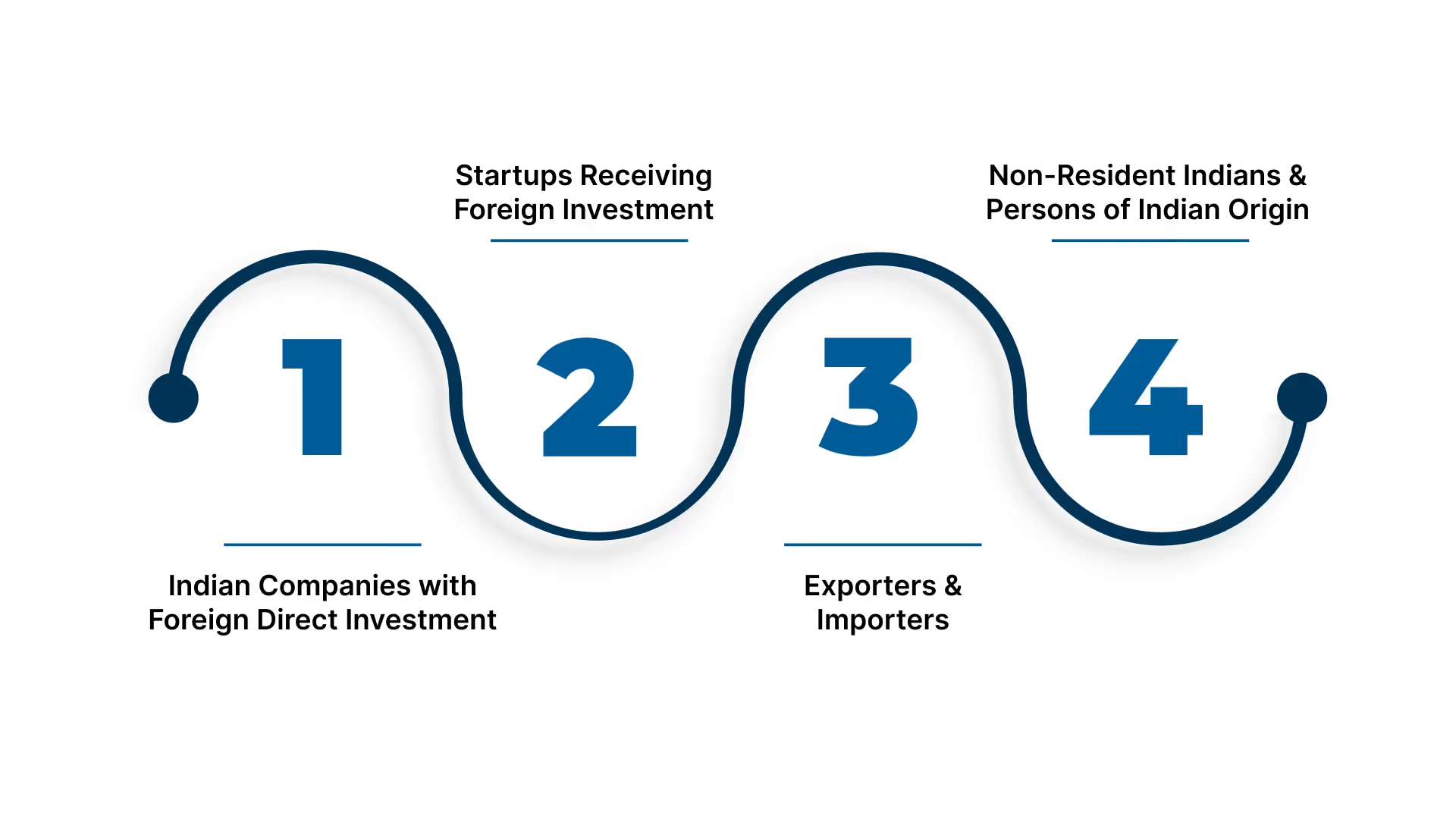
インドで外国為替取引を行うすべての方にとって、FEMA(外国為替管理法)の遵守は不可欠です。
インド国内でFDIを受け入れている、あるいは海外子会社を運営している企業は、FEMAを遵守しなければなりません。主な遵守事項は以下の通りです。
罰金や投資の遅延を避けるため、最新の文書を維持することが極めて重要です。
登記済みかDPIIT(産業・国内取引促進局)認定済みかを問わず、外国からの資金調達を受けるスタートアップ企業は、以下を遵守する必要があります。
エンジェル投資家やベンチャーキャピタルから支援を受けているスタートアップであっても、FEMAの遵守は極めて重要です。
物品やサービスの輸出入を行う企業にとって、FEMAの遵守は円滑な国境を越えた貿易を保証するものです。これらの企業は以下の対応が必要です。
罰金を回避するためには、期限内の提出とRBIガイドラインの遵守が不可欠です。
インドに投資を行う、またはインドへ送金を行うNRIやPIOは、FEMAの規則に従う必要があります。これには以下が含まれます。
FEMAを遵守することで、内国送金が正当かつ追跡可能となり、国境を越えた金融取引における透明性と安全性が確保されます。
当社 VJM Global では、FEMAに関する専門的なアドバイザリーおよびコンプライアンスサービスを提供しており、外国投資計画、法定提出書類の作成、RBI承認の取得支援などを行っています。輸出業者、スタートアップ、NRIのいずれであっても、当社の専門チームがお客様の事業がFEMA規制を遵守できるようサポートし、お客様がインドでのビジネス拡大に専念できるよう支援します。ぜひ今すぐお問い合わせください。
あわせて読みたい:米国からインドで会社を設立するために必要な書類
以上の点を踏まえ、FEMAに基づく外国投資のさまざまなルートを理解しておくことが重要です。それらについて詳しく解説します。
When a foreign investor decides to invest in an Indian company, simply wiring the funds isn’t enough. A key factor here is choosing the correct investment route for the transaction, as every inward remittance of capital needs to follow one of FEMA’s designated routes.
India allows foreign investment in a broad range of sectors without prior government approval, through the automatic route. This route provides a smoother process for investors, but it still requires adherence to sectoral caps, pricing rules, and disclosure requirements for downstream investments.
Common sectors that qualify for the automatic route include:
For some sectors, particularly those with national security concerns or strategic importance, the government route is required. This means the investment must receive approval from the relevant ministry, typically through the Foreign Investment Facilitation Portal (FIFP).
Sectors that often require government approval include:
Understanding the right route for your investment is crucial to ensuring compliance with FEMA regulations and avoiding delays or penalties.
Having covered the investment routes, it’s time to get familiar with the fundamental guidelines under FEMA to ensure you stay on track.
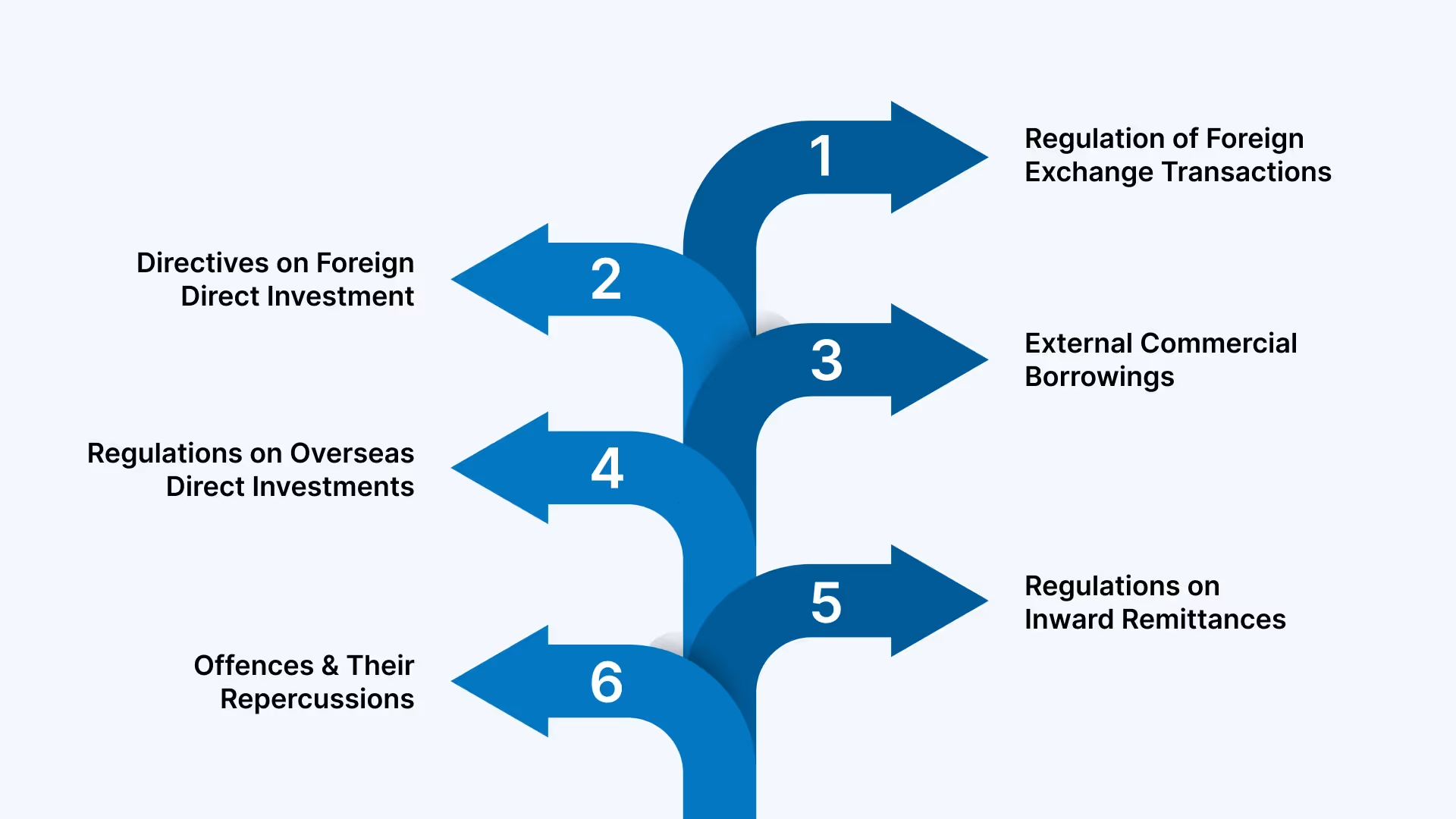
Understanding these basic guidelines is essential for any U.S. business planning to enter or expand within the Indian market.
All foreign exchange transactions in India must be processed through authorized dealers (ADs), licensed by the Reserve Bank of India (RBI). Significant transactions, such as investments or fund transfers, must be reported to the RBI to ensure transparency and compliance.
FEMA sets sector-specific limits on foreign investments. For instance, the aviation sector has a 49% cap on FDI, while telecom allows up to 100%. Repatriation of profits and dividends is allowed, but investors must follow specific procedures to stay compliant with regulations.
External Commercial Borrowings (ECBs) allow Indian companies to raise funds from foreign lenders. These loans come with specific eligibility criteria and reporting requirements. Lenders could be international banks, financial institutions, or foreign equity holders who hold at least a 25% stake in the borrowing company.
The 2022 FEMA amendments govern Overseas Direct Investment (ODI) by Indian companies. Indian entities are permitted to invest in foreign joint ventures (JVs) or wholly owned subsidiaries using equity, debt, or guarantees. However, investments in real estate or banking are not allowed without specific approval.
Inward remittances, such as payments for exports or services, such as consultancy, must be processed through RBI-certified AD banks. The receiving company must declare the source and intended use of the funds, along with supporting documents such as contracts and invoices.
Additionally, the sender’s KYC information must be verified, and all transactions must comply with anti-money laundering (AML) standards. If shares are allotted in exchange for remittances, this must be reported to the RBI within 30 days using Form FC-GPR.
Failure to comply with FEMA regulations can lead to significant fines and penalties. Offenders may face penalties up to three times the transaction amount or INR 200,000, whichever is higher.
For continuing violations, daily fines may be imposed. Severe non-compliance could also result in restrictions on raising foreign capital or reversal of transactions.
Understanding these basic guidelines helps foreign investors safeguard their investments, avoid penalties, and make the most of India’s dynamic market.
Once you’ve grasped the basics, let’s go over a checklist to ensure FEMA compliance for private companies and foreign subsidiaries.
Ensuring FEMA compliance is crucial for any private limited company or foreign subsidiary operating in India. Here’s a detailed breakdown:
By following this checklist, private limited companies and foreign subsidiaries can ensure smooth operations and stay in line with FEMA and RBI regulations.
At VJM Global, we offer expert advisory services to guide you through the complexities of FDI eligibility, shareholding records, annual filings, and more. From submitting your FC-GPR and FLA Return to monitoring foreign fund utilization, our team ensures your company stays compliant with all RBI and FEMA guidelines. Get expert advice today.
Now, let’s shift gears to look at FEMA compliance for businesses involved in international trade, focusing on exports and imports.
Businesses involved in international trade must adhere to FEMA and RBI regulations to ensure their foreign exchange transactions are legal and timely. Below is an overview of the compliance requirements for both exports and imports under FEMA.
Exporters must follow FEMA guidelines to ensure the timely receipt of payments in foreign currency. Key steps include:
For services such as IT, SaaS, consultancy, and remote services, FEMA compliance includes:
For businesses making payments to foreign suppliers, the following steps must be followed:
By following these FEMA guidelines for exports and imports, businesses can mitigate risks, avoid penalties, and maintain smooth cross-border transactions with confidence.
Next, let’s learn how partnering with VJM Global ensures you have expert guidance every step of the way to handle these regulations and stay compliant.
Expanding your business internationally involves managing the complexities of foreign exchange laws. VJM Global specializes in guiding businesses through the nuances of FEMA regulations. Here’s how we can support you:
At VJM Global, we craft strategies that ensure your business operates smoothly across borders, minimizes risks, and stays compliant with all FEMA regulations.
FEMA regulations are often seen as a maze for foreign investors, particularly when it comes to tackling India’s dynamic market. However, these regulations are not obstacles, but rather frameworks that, if understood and applied correctly, can protect your investments and reveal new opportunities.
From sectoral caps to RBI approvals, every step is crucial in ensuring that foreign investments remain smooth, secure, and profitable. For U.S. businesses, the stakes are high, and any misstep could lead to financial penalties or delays, potentially stalling your growth ambitions in India.
That’s where VJM Global comes in. With our in-depth knowledge of both FEMA and international taxation, we simplify these complexities, offering actionable solutions that ensure compliance and help strategically position your business for success in India’s competitive landscape. Contact us today to ensure your business thrives while staying fully compliant.
FEMA compliance in India means adhering to the rules, reporting obligations, and documentation requirements set out by the Foreign Exchange Management Act, 1999. This applies to any transaction involving foreign exchange, including foreign direct investment (FDI), overseas direct investment (ODI), imports/exports, and remittances.
The Reserve Bank of India (RBI) is the primary body responsible for regulating FEMA compliance, with support from the Ministry of Finance. Authorized Dealer (AD) Banks also play a vital role in verifying and processing transactions under FEMA.
No. FEMA compliance is only applicable to businesses or entities involved in foreign exchange transactions, such as receiving foreign investments, making payments for imports, exporting goods/services, or sending/receiving remittances.
Typical documents for FEMA compliance include:
Yes, Non-Resident Indians (NRIs) are permitted to invest in India under FEMA guidelines. They can invest in various forms, including equity, debt, and real estate, subject to specific regulatory requirements and sectoral caps.

.avif)


