


今日、外国通貨を取り扱う米国の企業が増えています。近年、米国の中小輸出企業の約3分の1が輸出活動を報告しており、これはすなわち、それらの企業が為替リスクにさらされていることを意味します。
為替レートが変動すると、その影響は単なる現金の増減にとどまりません。収益、コスト、さらには資産価値までもが数千ドル単位で変動する可能性があります。そのため、外貨会計を正しく行うことが極めて重要になります。
海外の請求書を国内の請求書と同様に処理してしまうと、収益の誤報告、費用の過大計上、さらには税務や監査コンプライアンスの複雑化を招くリスクがあります。適切な外貨会計は単なる付加価値ではなく、国境を越えて売買や事業を行う企業にとって必須の要件です。
本ガイドでは、外貨会計の仕組みと、グローバルな取引を行う米国企業にとってなぜそれが不可欠なのかを解説します。
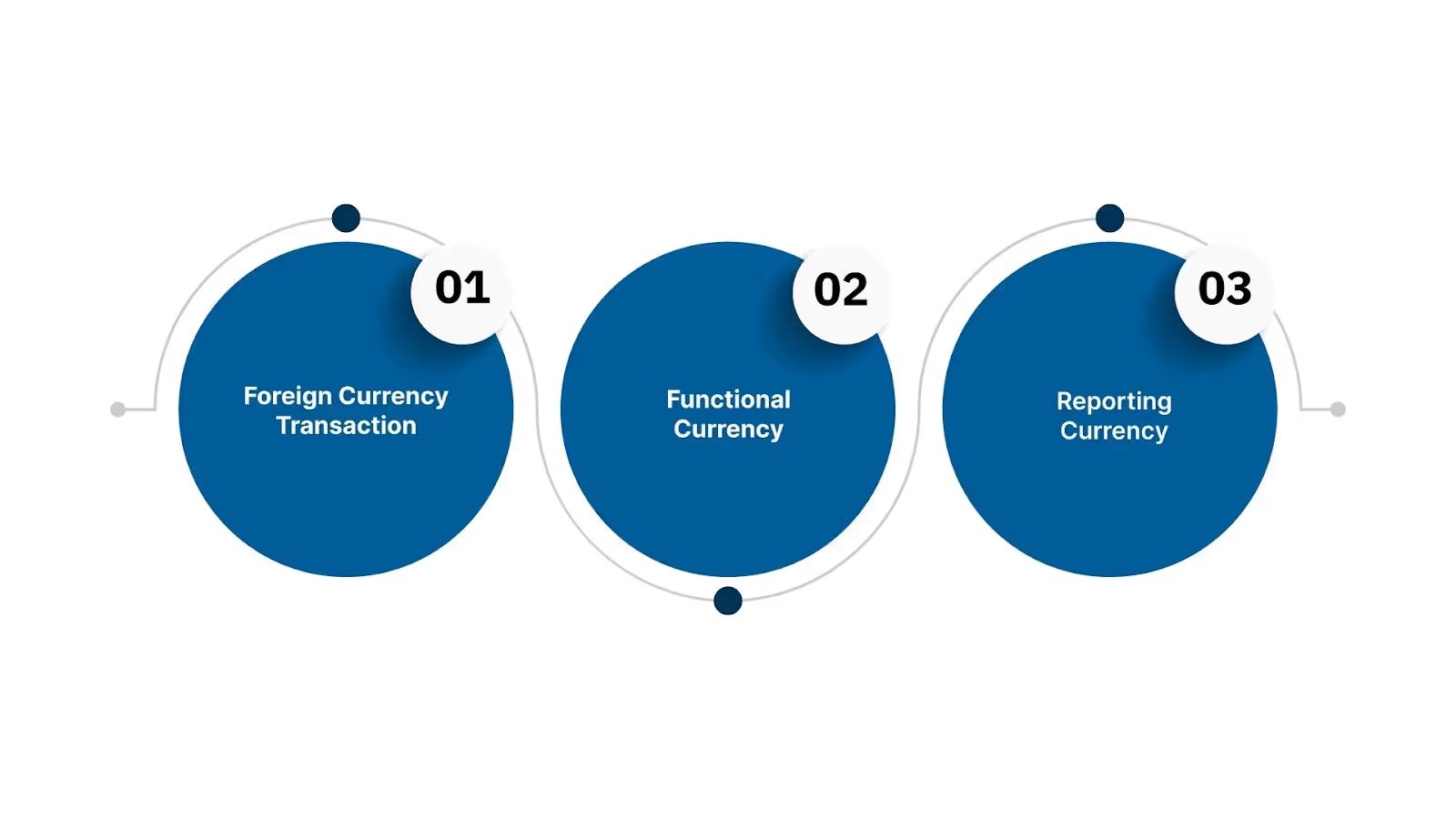
外貨会計が必要なのは、為替レートが常に変動しているからです。外貨で請求、支払い、または報告を行うすべての米国企業は、それらの金額を正確に米ドルに換算する方法を必要としています。
このフレームワークは、どの通貨を使用し、どのレートを適用し、為替差損益を財務諸表のどこに計上すべきかを明確にするためのものです。
より高度なルールに進む前に、企業が理解しておくべき基本概念を以下に示します。
1. 外貨建取引
外貨建取引とは、以下のような状況で発生します。
これらの取引は、特定のレートを使用して米ドルで記録する必要がありますが、ここが最も間違いの多いポイントです。
2. 機能通貨
機能通貨とは、企業が主に事業を行っている通貨のことで、米国企業の場合は通常「米ドル」となります。ASC 830に基づき、すべての事業体は機能通貨を決定しなければなりません。なぜなら、それによって以下が決まるからです。
例えば、米国のソフトウェア企業が欧州に販売を行っているものの、スタッフへの給与や経費の支払いは米ドルで行っている場合、機能通貨は米ドルとなります。
一方、メキシコで製造を行い、給与や仕入先への支払いをメキシコペソ(MXN)で行っている米国子会社の場合、機能通貨は米ドルではなくメキシコペソとなる可能性があります。
機能通貨の選択を誤ると、年間を通じて収益や費用が歪んでしまう恐れがあります。
3. 報告通貨
報告通貨とは、財務諸表を作成する際に使用する通貨のことです。
米国の企業の場合、たとえ海外子会社が異なる機能通貨で事業を行っていたとしても、報告通貨はほぼ例外なく米ドル(USD)となります。
これが「換算調整」が必要となる理由です。換算調整は、機能通貨と報告通貨の間のギャップを埋める役割を果たします。
主要な用語が整理できたところで、次の疑問は「外貨会計は実務上どのように機能するのか?」という点です。
外貨会計は複雑に見えるかもしれませんが、その手順を理解すれば論理は明確です。以下は、米国の企業や会計事務所から最も頻繁に寄せられる質問と、それに対する 米国会計基準(GAAP)の回答フレームワークです。
ASC 830に基づき、機能通貨とは、その事業のキャッシュの生成および使用方法を最も適切に反映する通貨を指します。これは企業の好みではなく、経済的実態に基づいて決定されます。
機能通貨を決定する際は、以下の要素を検討します。
機能通貨の選択を誤ると、収益、費用、売上原価の誤表示につながり、多国籍企業の監査において頻繁に指摘される事項となっています。
では、外貨建て取引は米国会計基準(GAAP)の下でどのように記録されるのでしょうか。
会計事務所が日常的に使用しているルールは以下の通りです。
例:
1.10 USD/EURのレートで10,000ユーロを請求 → 11,000ドルの収益。
レートが1.08の時に顧客から支払い → 10,800ドルを回収。
この200ドルの差額が為替差損となります。
売掛金や買掛金の残高が大きい場合や、支払条件が長期にわたる場合など、多くの企業がここで苦労します。
次に、子会社が異なる通貨で事業を行っている場合の連結会計はどうなるのでしょうか。米国親会社が海外子会社を連結する際、GAAPでは以下が求められます。
多通貨連結は、CFOやコントローラーにとって最も複雑な領域の一つであり、企業がアウトソーシングを選択する最も一般的な理由の一つでもあります。
推奨記事: 米国会計基準(US GAAP)における連結会計ルールの理解
When dealing with foreign currency accounting under ASC 830 (U.S. GAAP), many companies confuse two related but very different processes: remeasurement and translation.
The difference matters because each applies under different conditions, uses different exchange rates, and sends gains or losses to other parts of the financial statements.
Here's a breakdown to get it right:
It's important to understand because a multinational with multiple subsidiaries might remeasure some entities, translate others, depending on their functional currencies. Misapplying the wrong method can distort the consolidated balance sheet or income.
Let's understand this with a quick example:
Suppose a U.S. parent owns a subsidiary in Germany. The German entity keeps its books in euros (its functional currency = EUR). At consolidation, the parent needs to present in USD (reporting currency = USD).
If, instead, the German subsidiary had kept its books in USD (not EUR), then each foreign-currency transaction in euros would be remeasured into USD at the transaction date or period-end rate. This would generate FX gains/losses in the income statement each month.
Once you determine the functional currency correctly, you know whether to apply remeasurement or translation. Getting it wrong can misstate your income, assets, and equity.
Also Read: Preparing a GAAP Cash Flow Statement? Outsource from the US to India
Now that the mechanics are clear, how do you handle foreign currency exposure in day-to-day accounting without errors or a messy month-end close?
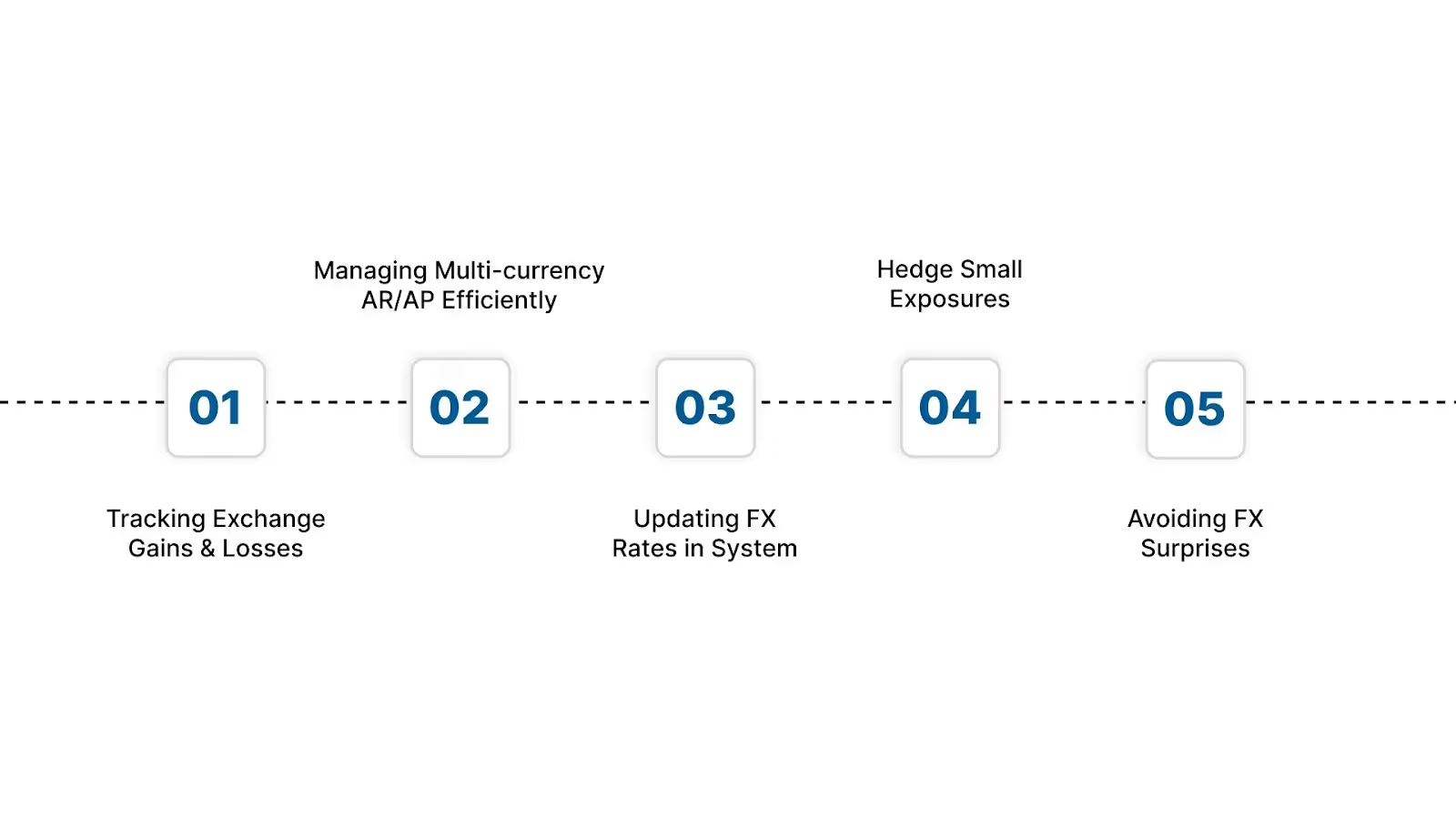
Foreign currency issues rarely show up during big transactions. They show up in the day-to-day close. These kinds of problems can become a headache when trying to keep monthly reporting clean.
Here are some quick strategies for you to handle your foreign currency in a non-chaotic manner:
Exchange gains and losses come from one place: changes in the exchange rate between the invoice date and settlement date.
To manage them cleanly:
Many U.S. controllers only review FX at quarter-end, which leads to messy catch-up entries and unpredictable earnings. Month-end revaluation prevents that.
混乱を招かずに多通貨の売掛金・買掛金(AR/AP)を管理するにはどうすればよいでしょうか?最大のリスクは、通常、未決済の売掛金と買掛金に潜んでいます。状況をコントロールするための2つのルールをご紹介します。
予期せぬ為替差損の多くは、銀行口座ではなく、売掛金・買掛金の管理において発生します。
システムの為替レートはどのくらいの頻度で更新すべきでしょうか?それは取引量によって異なります。
重要なのは一貫性です。ある仕訳には昨日のレートを使い、別の仕訳には今日のレートを使うといったやり方は、監査で修正を指摘される最も一般的な原因の一つです。
多くの中小企業にとってデリバティブは不要ですが、以下のような場合は単純なヘッジを検討すべきです。
ヘッジは投機のためではなく、2%の為替変動によって4%の利益率が吹き飛ぶのを防ぐためのものです。
では、月次決算で為替の「想定外」を避けるにはどうすればよいでしょうか?こうした事態のほとんどは、取引日に誤ったレートが適用されているか、月次で残高の再測定が行われていないかのいずれかが原因です。
シンプルなワークフローを導入することで、月次決算の負担を軽減できます。
外貨調整が原因で月次決算が遅れがちなら、 VJM Globalにお任せください。米国企業がクリーンな再測定ワークフローと自動化された為替処理を構築し、予測可能な決算を実現できるよう支援します。
ベストプラクティスは日々の業務に役立ちますが、それでもミスは起こり得ます。報告やコンプライアンスにおいて最大の問題を引き起こすミスについて見ていきましょう。
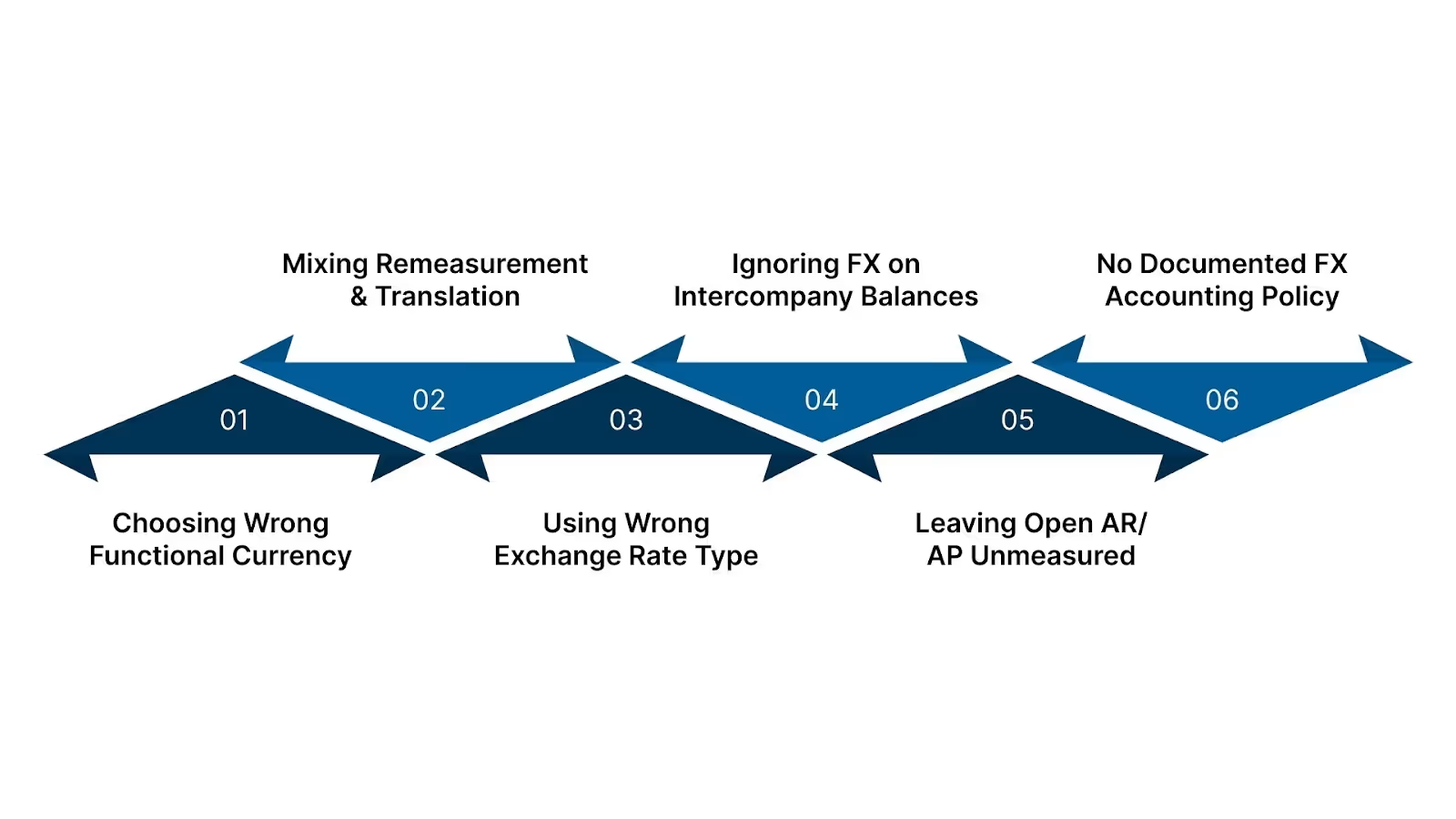
外貨会計でミスが起きるとどうなるでしょうか?こうしたミスは小さなものでは済みません。請求書、子会社、報告サイクルを通じて積み重なり、国際的なビジネスにおいて監査で指摘される最も一般的な問題の一つとなります。
以下に、米国企業が最も犯しやすいミスと、財務諸表の誤りを防ぐための具体的な修正方法をまとめました。
A lot of subsidiaries default to USD when another currency drives their actual cash flows. This single error distorts revenue, expenses, assets, and liabilities for the entire year.
How to avoid it?
Companies often treat remeasurement (functional currency adjustment) and translation (consolidation adjustment) as the same process. They're not. One hits net income; the other hits OCI.
To avoid it, create two separate workflows:
Lock these workflows into your accounting policies so they're never blended.
Teams often apply average rates where GAAP requires spot rates or use outdated rates from prior periods. This is one of the most common causes of FX-related audit adjustments.
To avoid it, use a simple rate map:
Automate rate feeds to eliminate manual errors.
Intercompany loans and payables create quite an FX exposure that explodes at year-end if not remeasured monthly.
How to avoid it?
When receivables and payables sit for weeks without remeasurement, FX gains and losses accumulate without warning. This leads to messy close adjustments.
How to avoid it?
Without a policy, teams apply inconsistent rates, methods, and cutoff practices. This creates audit findings and unpredictable earnings.
To avoid it, write a short, clear ASC 830 policy covering:
Review it annually and train staff on it.
Now that the pitfalls are clear, the next step is choosing systems that prevent these errors automatically.
Foreign currency accounting becomes messy when teams rely on spreadsheets or systems that can't automate rate updates, remeasurement, or multi-currency consolidation. The right tools eliminate most of the errors covered in the previous section.
以下に、米国の企業や会計事務所が実際に使用しているツールと、ASC 830コンプライアンスにおいて重要な機能を紹介します。
適した用途:中程度の外貨取引を行う米国のSMB(中小企業)
Why it works:
ただし、 QuickBooks Onlineには複数事業体の連結機能がないため、海外子会社を持つグループ企業には追加のソリューションが必要です。

適した用途:複数の国で事業を展開する米国企業
Why it works:
Xero's FX automation is one of the most accurate and consistent features on the market for small to mid-sized firms.
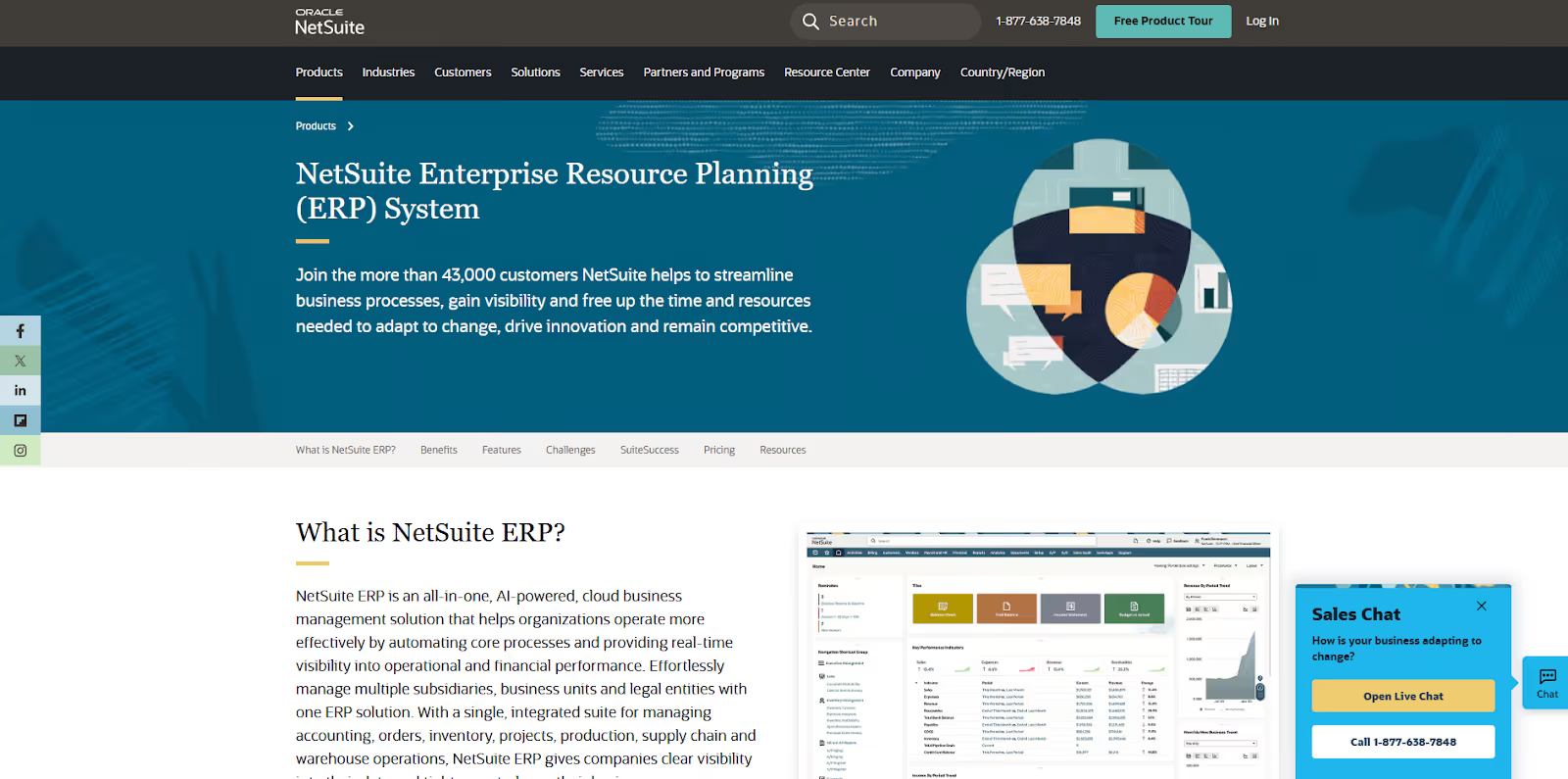
Best for: companies with foreign subsidiaries or multi-entity structures
Why it works:
This is the platform most U.S. mid-market CFOs choose once FX complexity grows.
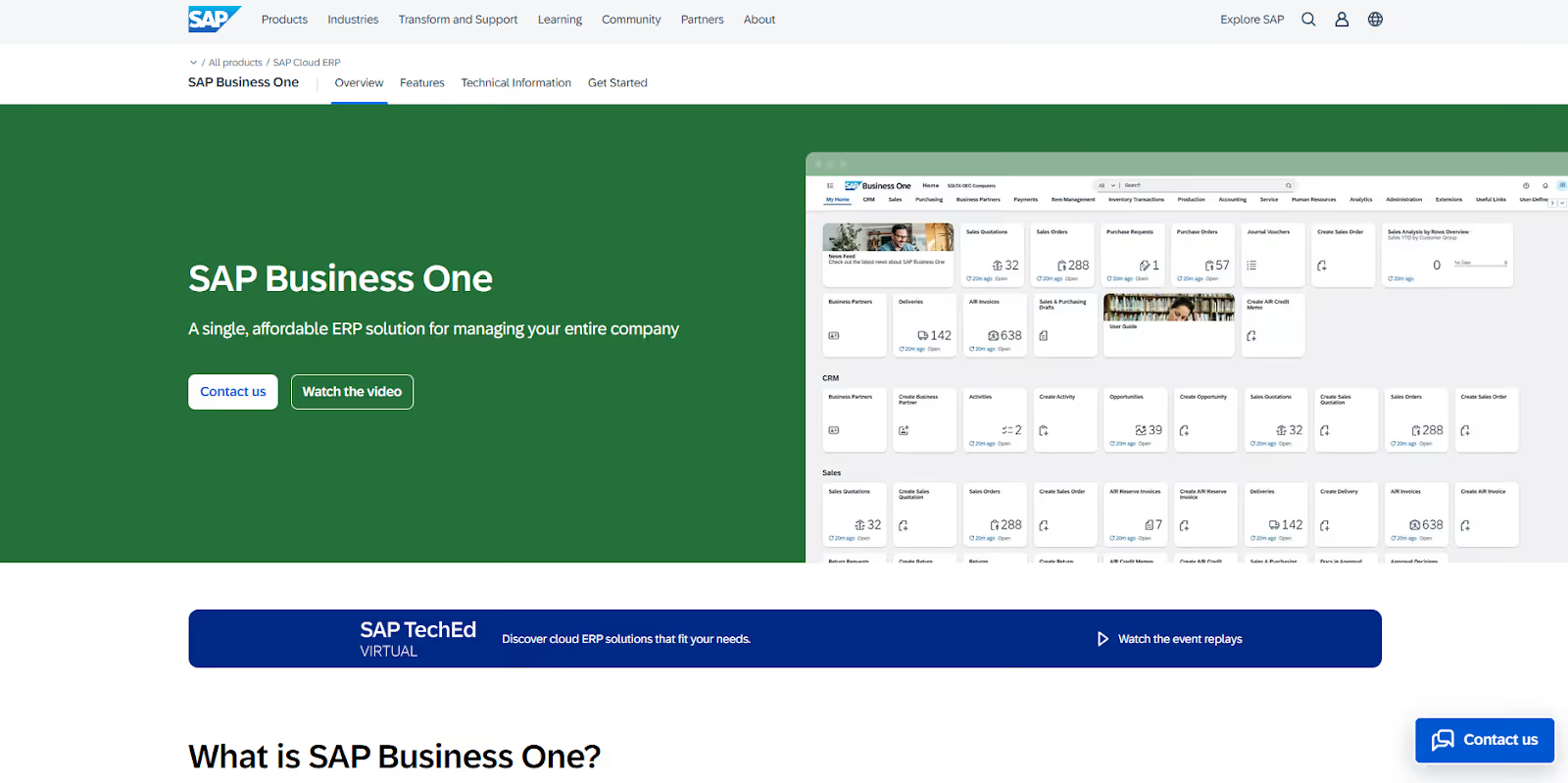
Best for: manufacturing or distribution businesses with global supply chains
Why it works:
Ideal for companies dealing with foreign suppliers, freight, customs, or multi-country warehouses.
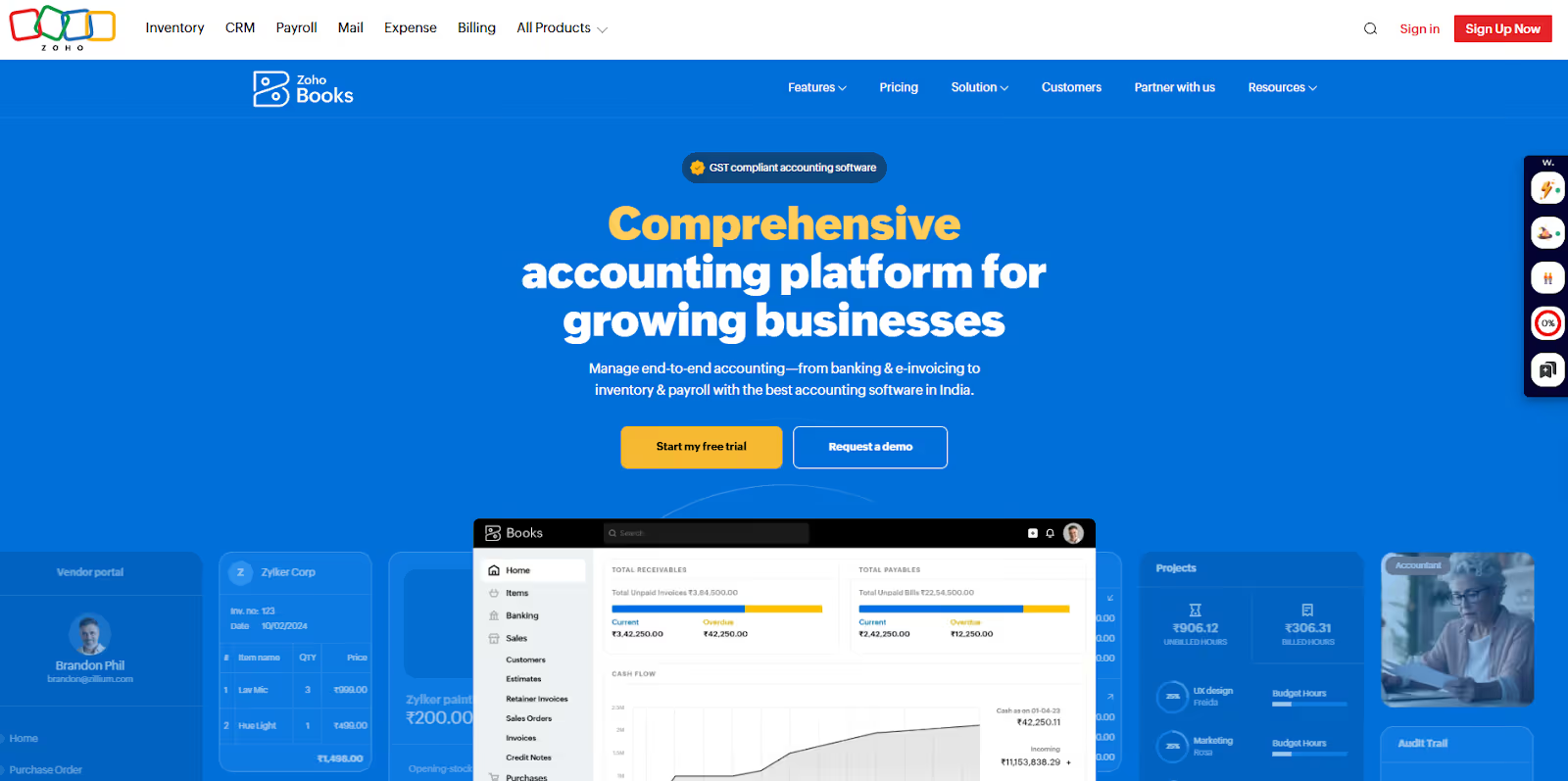
Best for: early-stage U.S. startups expanding internationally
Why it works:
Simple but effective for lighter transaction volumes.
Now, these options are fine, but what features matter most when choosing FX-capable accounting software?
Regardless of the platform, here are the key features that determine whether the system will actually reduce FX errors:
These features prevent the exact functional currency, rate-type, and remeasurement mistakes covered earlier.
ツールについて理解したところで、次は自社に適した外貨会計のアプローチを選択する方法を見ていきましょう。
最適なアプローチは、取引量、為替リスク、子会社の有無、報告要件によって異なります。このフレームワークは、米国の企業が自社の実情に合った手法を判断し、いつ専門家のサポートを導入すべきかを決定するのに役立ちます。
企業が検討すべき為替レート戦略には3つの種類があります。それぞれの活用シーンは以下の通りです。
スポットレート(取引日レート)
以下のような場合に適しています:
スポットレートは、ASC 830(外貨換算会計)において最も安全なアプローチであり、ほとんどの資産および負債に対して唯一の準拠可能な選択肢です。
月次平均レート
以下のような場合に適しています:
平均レートは、資産、負債、売掛金・買掛金、またはグループ間取引残高には使用できません。多くの企業が気づかないうちにGAAPに違反してしまうのは、この点です。
先物契約またはヘッジレート
以下のような場合に適しています:
ヘッジを行う場合は、文書化が必須です。これがないと、会計処理はすぐに複雑化してしまいます。
判断を下すために、簡単なセルフチェックを行ってみましょう。以下の項目のうち2つ以上に「はい」と答えた場合は、アウトソーシングを推奨します。
多通貨会計は、米国のCPA事務所や中堅企業において最もアウトソーシングされる業務の一つです。社内チームが最も時間を浪費しやすい領域だからです。
If you're unsure which FX method fits your transaction volume, subsidiaries, and GAAP requirements, VJM Global is here to help you figure it out. We help U.S. companies assess risk, build the proper FX accounting framework, and execute it cleanly without slowing down your close.
Foreign currency accounting affects everything from revenue accuracy to cash-flow predictability. With more U.S. businesses buying, selling, and operating across borders, getting ASC 830 right is no longer optional. Clean remeasurement, correct translation, and consistent exchange-rate policies are what keep financial statements reliable and audit-ready.
At VJM Global, we help U.S. companies remove the complexity from multi-currency operations. Here's how we support your cross-border financial workflows:
Partner with VJM Global to build a foreign currency accounting framework that's accurate, compliant, and built to scale with your global operations. Contact us today to simplify how your business handles international financials.
You assess the currency that drives the subsidiary's cash flows - sales, labor, materials, financing, and pricing decisions. Under ASC 830, the currency with the most substantial economic influence becomes the functional currency, not the parent company's preferred currency.
Use the spot rate on the transaction date. For recurring revenue or expenses, an average rate may be acceptable if it reasonably approximates daily rates. Monetary items like AR/AP must be revalued at the period-end rate.
Unrealized gains/losses arise when AR, AP, loans, or foreign bank balances are remeasured at month-end using the updated exchange rate. ASC 830 requires this revaluation even before payment occurs.
Translation converts a foreign entity's functional-currency financials into the parent's reporting currency. Rate changes create a translation adjustment, which appears in Other Comprehensive Income (OCI), not in net income, until the foreign entity is sold or liquidated.
Use a system with automated exchange-rate feeds, apply consistent rate rules, remeasure monetary items monthly, and document your ASC 830 policy. Most small-business FX errors come from manual entries or inconsistent rate usage.

.avif)


