

.avif)
Starting a business in India offers compelling opportunities for U.S. investors, but the path to success can seem complex without clear direction. It takes 12-18 days to register a business, but the process involves multiple steps. From selecting the right structure to meeting legal and compliance requirements, each stage requires careful attention.
Fortunately, many sectors allow up to 100% Foreign Direct Investment (FDI) through an automatic route, eliminating the need for prior government approval. While the regulations are welcoming, the complexity of local laws, taxes, and compliance requirements can make the process tricky.
This blog will guide you through the essential steps to set up a business in India. We’ll provide actionable insights to simplify the process, covering the legal framework and cost considerations, and setting up a one-person company. Let’s get started.
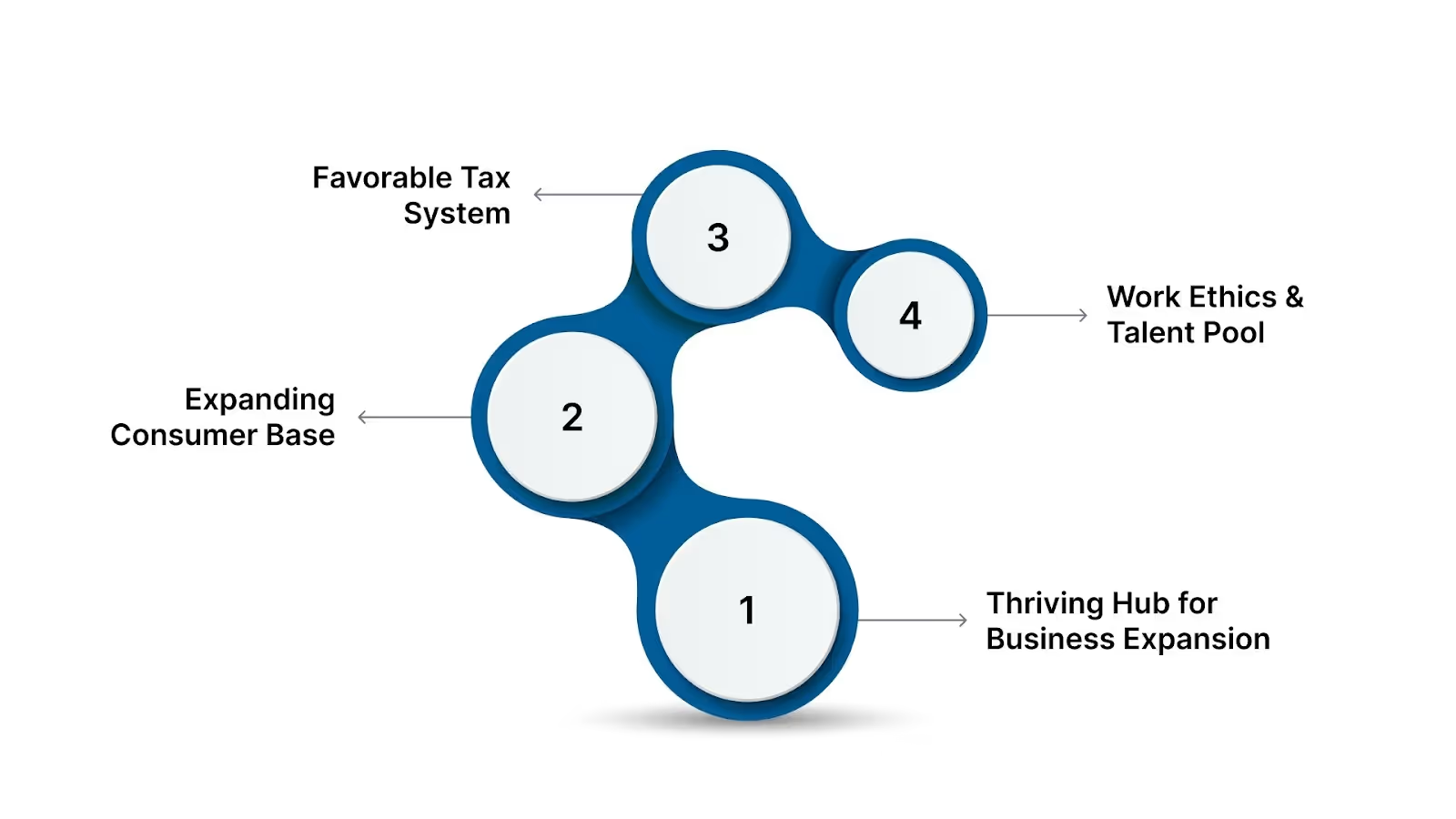
Alt text: Advantages for Foreign Companies to Set Up in India
India offers an array of compelling advantages for foreign companies looking to establish themselves in one of the world’s most dynamic and rapidly growing markets.
India offers immense opportunities for global companies, driven by its steady economic growth and growing consumer market. With a forecasted 6.8% GDP growth in 2025, India remains one of the fastest-growing major economies globally, offering a favorable environment for business expansion.
FDI inflows exceeded $50 billion in FY 2024-25, a 13% increase from the previous year. In Q1 FY 2025-26, FDI rose 15%, signaling investor confidence, especially in the tech sector. With strong GDP growth and rising FDI, India is a dynamic and promising market for global business expansion and investment opportunities.
India, with a population exceeding 1.4 billion, is the fourth-largest economy in Asia and presents vast opportunities for foreign companies. Its large and youthful population, with a median age of just 28, ensures an energetic workforce and growing consumer base.
For U.S. manufacturers, this demographic advantage translates into a ready labor pool and a growing market for products. In addition, India’s expanding education and skill development programs ensure a steady supply of specialized talent for manufacturing needs.
India boasts a network of tax treaties designed to support international business. Recent updates to tax codes and the introduction of GST have simplified operations for foreign investors. This reform makes tax compliance smoother and more predictable, encouraging further investment in the country.
This change is similar to the U.S. Tax Reform Act of 1986, which streamlined the tax system by reducing brackets and eliminating certain deductions. Just as the reform aimed to simplify tax compliance, India’s GST creates a more business-friendly environment by reducing administrative burdens for foreign investors.
The Indian workforce is known for its hardworking, innovative spirit, with a large proportion of the population in the working-age group (15-64 years). This factor, combined with a pool of talent in fields such as IT, engineering, and pharmaceuticals, gives foreign businesses a competitive edge in scaling operations efficiently.
By taking advantage of these key benefits, U.S. companies can position themselves for success in one of the world’s most promising markets. VJM Global’s comprehensive business setup, tax planning, and compliance services ensure an efficient entry into the Indian market, tailored to your specific needs.
Now, let’s explore the key government policies that support the setup of international businesses.
インド政府は、外国企業、特に米国を拠点とする投資家がインド国内で事業を開始しやすくするための取り組みを数多く導入しています。主要な政策について詳しく見ていきましょう。
これらの政策は、米国企業がインドで事業を立ち上げる際の負担を大幅に軽減し、長期的な成功を確実にする助けとなります。
あわせて読みたい:非公開有限会社設立に必要な書類
円滑な登録手続きを行うためには、適切な書類を揃えておくことが不可欠です。準備すべき書類について解説します。
外国企業がインドで事業を開始する際には、現地の規制を遵守するために提出すべき重要な書類がいくつかあります。主な必要書類は以下の通りです。
一人会社(OPC)を設立する際に必要となる書類は、この事業形態特有のものです。
例えば、米国人投資家がインドでOPCを開設する場合、パスポート、住所証明書、およびインド国内のオフィススペースの賃貸契約書を提出する必要があります。
以上が、インドで事業を確立するために必要な主要書類とステップです。
あわせて読みたい:米国からインドで会社を設立するために必要な書類
書類が整ったら、次は登録手続きです。インドでの会社登録方法をステップごとに解説します。
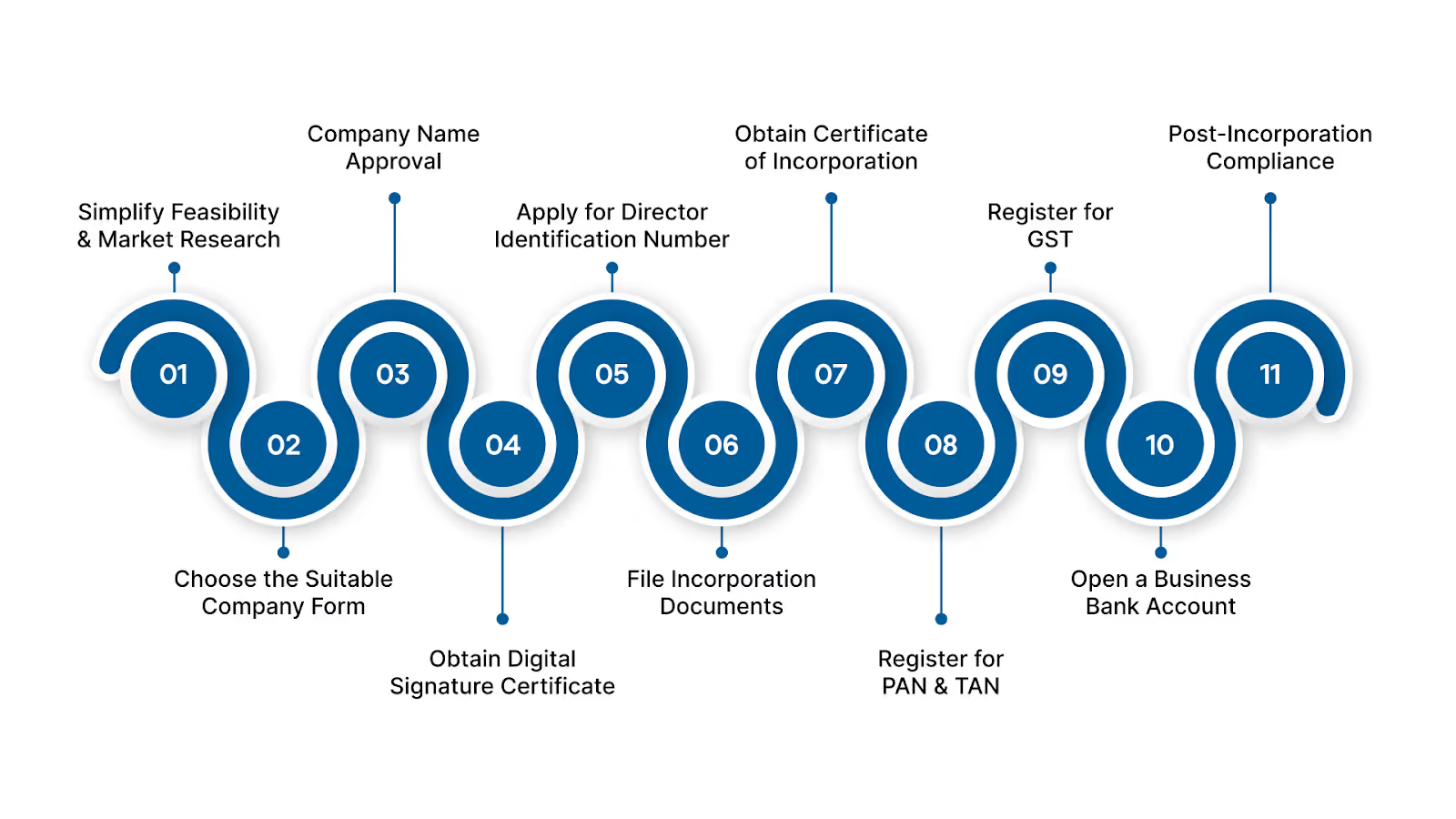
インドでの事業設立には、現地の法律を遵守するために慎重に進めるべきいくつかのステップがあります。インドで会社を登録するためのステップバイステップガイドは以下の通りです。
登録プロセスを開始する前に、インド市場を理解することが極めて重要です。徹底した市場調査と実現可能性調査を行うことで、インドでの成功の可能性を評価できます。これには以下が含まれます。
インドで事業形態を選択する際、米国人投資家は、各選択肢が自身の成長計画、リスク許容度、事業規模とどのように合致するかを検討する必要があります。
例えば、個人事業主は最もシンプルな選択肢ですが、事業主が全責任を負うことになるため、大規模な事業には適していません。一方で、パートナーシップ(組合)は責任を分担できますが、連帯責任のリスクが生じ、紛争が発生した際に意思決定が複雑になる可能性があります。
Next, select a unique name for your company. Ensure it aligns with the Ministry of Corporate Affairs (MCA) guidelines. To reserve the name:
A Digital Signature Certificate (DSC) is required for signing documents electronically. It is mandatory for all company directors and authorized signatories. Here’s how to obtain it:
Each company director needs a unique Director Identification Number (DIN). To apply:
Once the company name is approved, it’s time to file the incorporation documents. These documents are submitted via SPICe+ Part B, the company registration form.
After the registration process, the Registrar of Companies (ROC) will review your documents. Upon approval, you will receive the Certificate of Incorporation, confirming your company’s legal existence. This document includes your Corporate Identity Number (CIN).
After incorporation, you need to apply for the Permanent Account Number (PAN) and Tax Deduction and Collection Account Number (TAN), which are essential for tax-related purposes. These are often generated automatically when your company is incorporated.
If your company’s turnover exceeds the prescribed threshold or if you’re engaged in interstate trade, you need to register for Goods and Services Tax (GST). This allows you to claim input tax credits and ensures tax compliance.
To manage your finances, you will need to open a business bank account. For this, you’ll need:
設立後は、以下のコンプライアンス規制を遵守する必要があります。
OPCは、個人の責任を最小限に抑えつつ、事業の完全な支配権を維持したいと考える米国投資家にとって理想的な選択肢です。インドでOPCを登録するには、以下の基準を満たす必要があります。
OPC登録プロセス:
ここに記載された手順に従うことで、登録プロセスを円滑に進め、インドで法的に健全かつ適正に事業を運営する準備を整えることができます。
インドでの会社設立に関する専門的なサポートが必要な場合は、VJM Globalが登録から税務計画、コンプライアンスまで一貫したサポートを提供します。デモを予約して、インドでのビジネス立ち上げを簡素化しましょう。
会社が登録されたら、法的要件を理解することが不可欠です。インドで事業を運営するための主要な法的義務について確認しましょう。
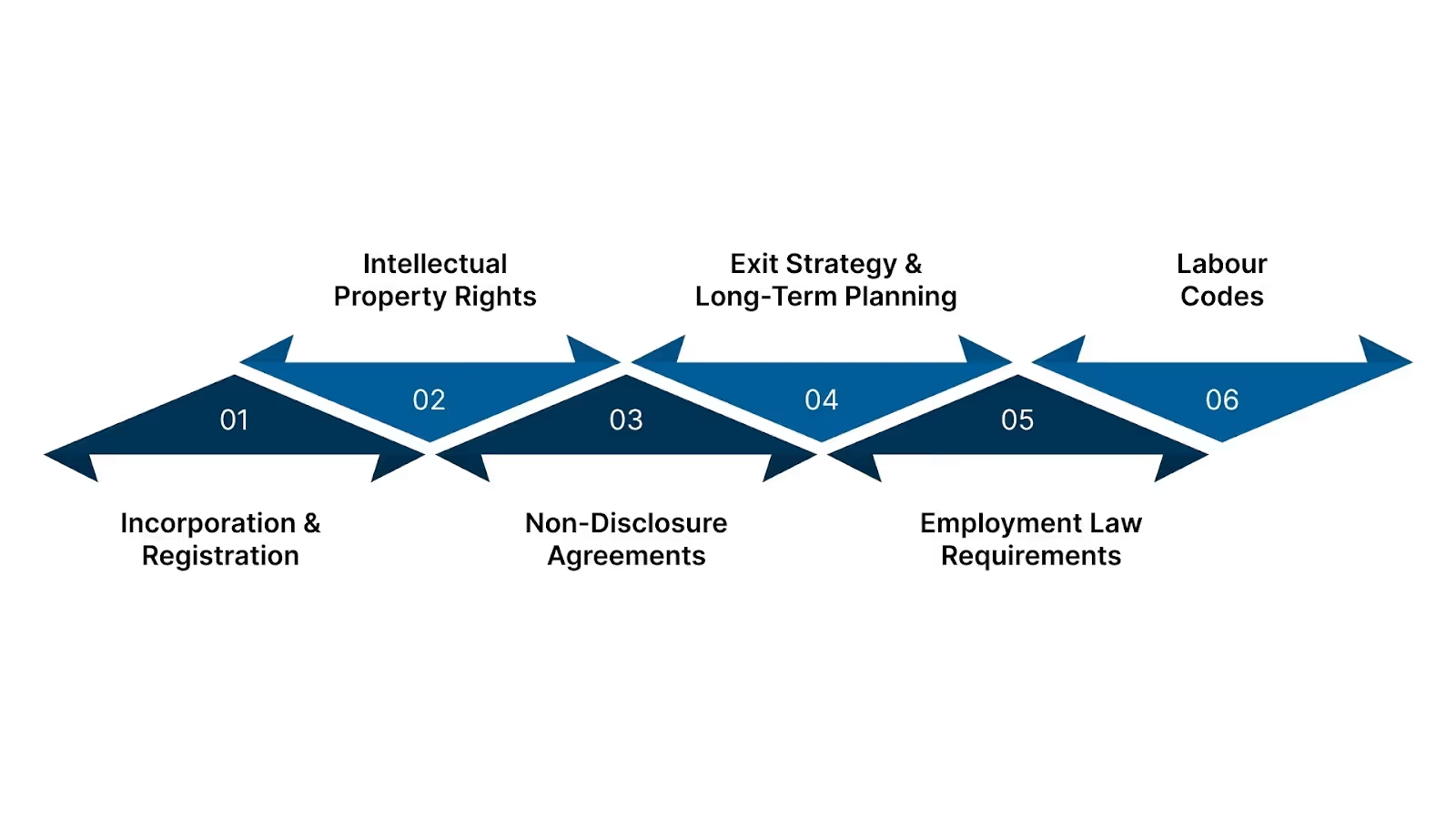
インドで事業を立ち上げる際、法的要件を理解することは非常に重要です。米国投資家が押さえておくべき主な法的要件は以下の通りです。
企業省(MCA)に事業を登録し、公式な連絡先となるインド国内の登録事務所を確保してください。これは法的な認知と継続的な事業運営のために不可欠です。
特許、商標、著作権を登録して、ビジネスの革新を保護しましょう。これにより、独自の製品やサービスが侵害から守られ、競争優位性を維持することができます。
NDAは、パートナー、従業員、投資家と共有する機密情報を保護するために不可欠です。これらの契約により、機密性が確保され、ビジネス上の重要なデータの不正使用や漏洩を防ぐことができます。
成長は不可欠ですが、明確な出口戦略(エグジット戦略)を持つことも同様に重要です。合併、買収、IPOのいずれであっても、将来を見据えた計画を立てることで、円滑な移行が可能となり、必要な時に投資家が利益を回収できるようになります。
従業員積立基金法(Employees' Provident Funds Act)、最低賃金法(Minimum Wages Act)、出産手当法(Maternity Benefits Act)など、インドの労働法を遵守してください。また、すべての従業員に対して、役割、報酬、権利を明記した明確な雇用契約書を提供する必要があります。
インドでは、従来の40の労働法が4つの新しい労働法典に統合されました。これらの法典により、賃金関連の規制、職場環境の安全、紛争解決、社会保障給付が簡素化され、州をまたいだコンプライアンス対応が容易になりました。
これらの法的要件を理解し遵守することは、ビジネスを円滑に進め、インドの規制に準拠するために不可欠です。
次に、インドでビジネスを立ち上げる際に発生する一般的な費用について解説します。
インドでの起業には、会社形態に応じて、政府への手数料から専門サービスの利用料まで、さまざまな費用が発生します。
インドでのビジネス立ち上げにかかる正確な費用は、会社の形態、所在地、専門家のサポートを利用するかどうかによって異なります。
これらの費用を事前に把握しておくことで、より的確な意思決定が可能となり、登録やコンプライアンスの手続きを円滑に進めることができます。
インドでのビジネス立ち上げは、決して難しいことではありません。あらゆるステップでVJM Globalがどのようにサポートできるかをご紹介します。
インドでの起業は複雑に思えるかもしれませんが、VJM Globalがサポートすることで、プロセスは明確かつ管理しやすくなります。当社のサポート内容は以下の通りです。
インド国内の複数の都市に拠点を置くVJM Globalは、インドでの成功を目指す企業にとって信頼できるパートナーとしての評価を確立しています。
インドでのビジネス立ち上げには大きな可能性がありますが、法務、財務、運営の各分野における慎重な計画と理解が必要です。会社の登録から関連費用の把握、税務規制の遵守に至るまで、すべてのステップが円滑な市場参入のために極めて重要です。
適切なガイダンスがあれば、一般的な落とし穴を回避し、インドの成長経済において長期的な成功を収めるための的確な意思決定が可能になります。
会社設立、税務、コンプライアンスに精通したVJM Global
次のステップへ進む準備はできましたか?今すぐVJM Globalにご連絡ください。インド市場で待ち受けるチャンスを一緒に探りましょう。
はい、米国市民はインドで事業を開始できます。ほとんどのセクターで100%の外国直接投資(FDI)が認められており、米国投資家は完全子会社や支店などの形態で事業を設立することが可能です。
必須ではありませんが、公認会計士(CA)の雇用を強く推奨します。CAは書類の提出やコンプライアンスの確保をサポートし、事業構造に関するアドバイスを提供できます。VJM Globalの専門チームは、会社登記、税務計画、コンプライアンスを含む包括的なサポートを提供し、円滑な立ち上げを実現します。
インドでビジネスを始めるには、明確な目標を設定し、法令に準拠した社名を選び、会社を登記します。その後、オフィスを構え、スタッフを雇用し、マーケティングを行います。将来的なトラブルを避けるため、法規制の遵守は不可欠です。
はい、一人会社(OPC)制度を利用すれば、個人で会社を所有・運営できます。有限責任かつ簡素なコンプライアンス手続きが特徴で、複雑な手続きを避けつつ法人格のメリットを享受したい個人起業家にとって最適な選択肢です。
米国市民は、非公開有限会社(Private Limited Company)、一人会社(OPC)、有限責任事業組合(LLP)、または支店・プロジェクトオフィスから選択できます。最適な形態は、所有権の希望、責任範囲、事業目標によって異なります。各形態には独自の法的要件とコンプライアンス義務があります。

.avif)


