

%20(1).avif)
新たな国際市場への事業拡大は、成長を促進するための戦略的な手段であり、インドは米国企業にとって非常に魅力的な機会を提供しています。世界で最も急速に成長している経済圏の一つであるインドは、若い労働力、都市化の進展、そして急速に拡大する中間層を擁するダイナミックな市場です。
米国企業がインド市場に参入する最も効果的な方法の一つは、ジョイントベンチャー(合弁事業)です。このビジネス形態では、現地の企業とパートナーシップを組むことで、相手の市場知識、リソース、ネットワークを活用しながら、リスクと利益を共有することができます。
本ガイドでは、インドでジョイントベンチャーを設立するための重要なステップと検討事項を解説し、円滑かつ成功につながる拡大戦略の実現をサポートします。
ジョイントベンチャーとは、2つ以上の当事者が特定のプロジェクトで協力したり、新しい市場に参入したりするために提携し、リスクと利益を共有するビジネス形態です。インドにおいてジョイントベンチャー(JV)は、外国企業が現地での足掛かりを築くための一般的な手法です。これにより、市場や規制、消費者の嗜好を熟知した現地企業とパートナーシップを組むことが可能になります。
このインドにおけるビジネス形態により、外国企業はインドの広大な市場にアクセスし、現地の複雑な商習慣に対応しながら、投資や運営の負担を分担することができます。
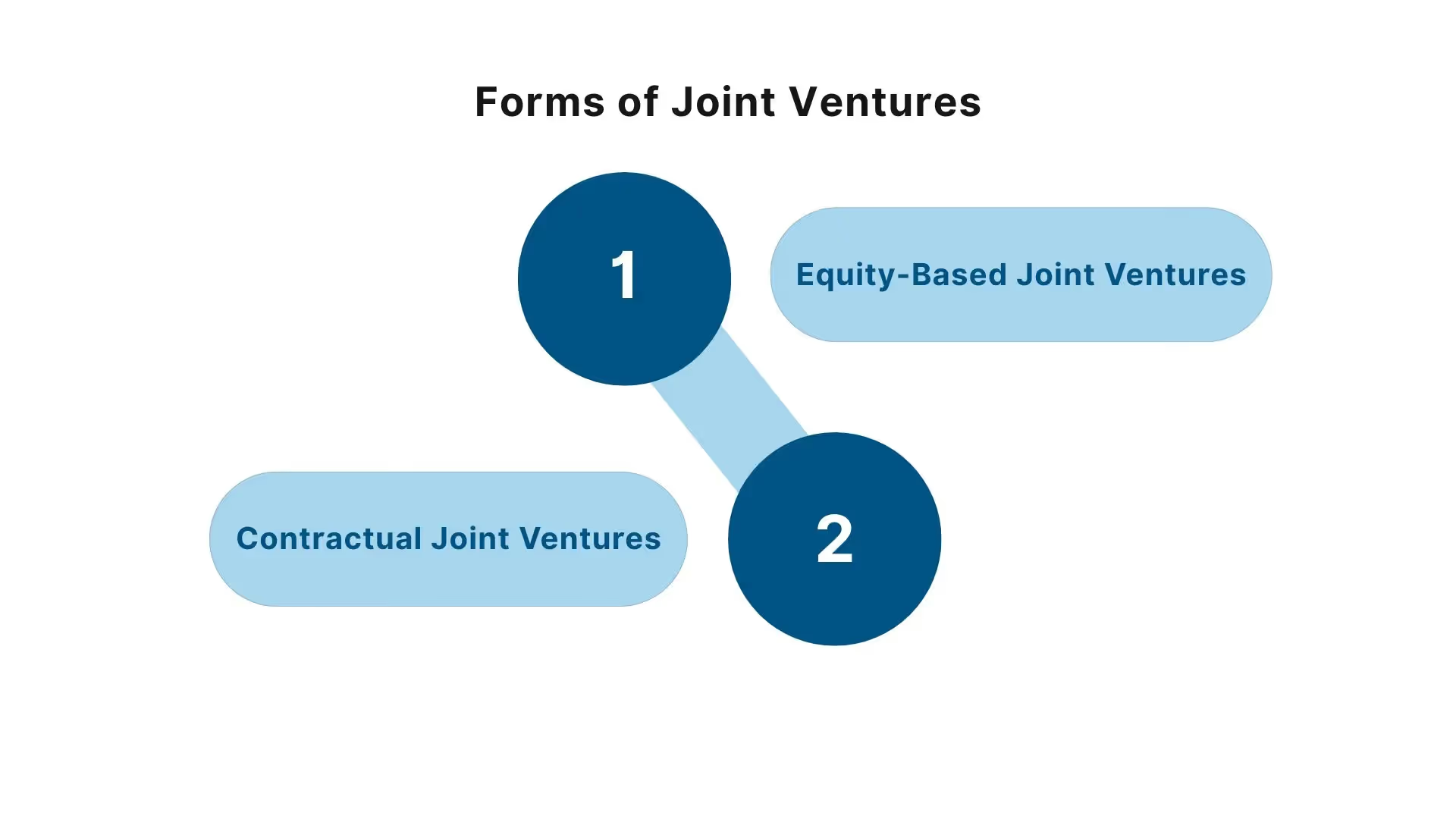
インドにおけるジョイントベンチャーには、主に「株式ベース」と「契約ベース」の2つの形態があります。それぞれ詳しく見ていきましょう。
この形態では、双方(外国企業とインドのパートナー)が資本を投じ、会社の所有権を共有します。株式ベースのジョイントベンチャーでは、多くの場合、新しい事業体が設立され、両パートナーが投資比率に応じて株式を保有します。
この形態を選ぶ理由:双方が会社の意思決定に関与し、利益と負債の両方を共有したい場合に適した構造です。
これは株式の保有ではなく、契約上の合意に基づいて形成されるベンチャーです。パートナー同士が、必ずしも同じ会社の株式を保有することなく、利益、リソース、リスクを共有することに合意します。
この形態を選ぶ理由:特定のプロジェクトや一時的な協力関係においてよく利用されます。契約書には通常、資金提供、利益配分、知的財産権など、各当事者の責任範囲が明記されます。
ジョイントベンチャーはインドのさまざまな分野で広く活用されています。特に一般的な業界は以下の通りです。
多くの外国企業がインド企業と協力し、現地のコスト優位性を活かしつつ、現地の需要に応えるために製品を現地生産しています。
小売セクターでは、特に消費財や高級ブランドにおいて、外国企業がインドの拡大する中間層や小売スペースを活用するために、数多くのジョイントベンチャー(合弁事業)が展開されています。
テクノロジー業界では、ジョイントベンチャーを通じて外国企業が現地企業と協力し、特にソフトウェア開発、通信、ITサービスといった分野で製品やサービスの開発を行っています。
銀行、保険、資産運用を含む金融サービスも、ジョイントベンチャーにとって重要なセクターです。外国企業はインド企業と提携することで、インド金融市場の力強い成長の恩恵を受けています。
インドでのビジネス目標にどのようなジョイントベンチャーが適しているかお知りになりたいですか? VJM Globalのウェブサイトでは、米国企業向けにカスタマイズされた詳細なガイドや専門家の知見を提供しています。
インドにおけるジョイントベンチャーの種類とセクターについて解説しましたので、次はインドで合弁事業を設立する主なメリットについて見ていきましょう。
Also Read: Company Registration Cost in India Explained
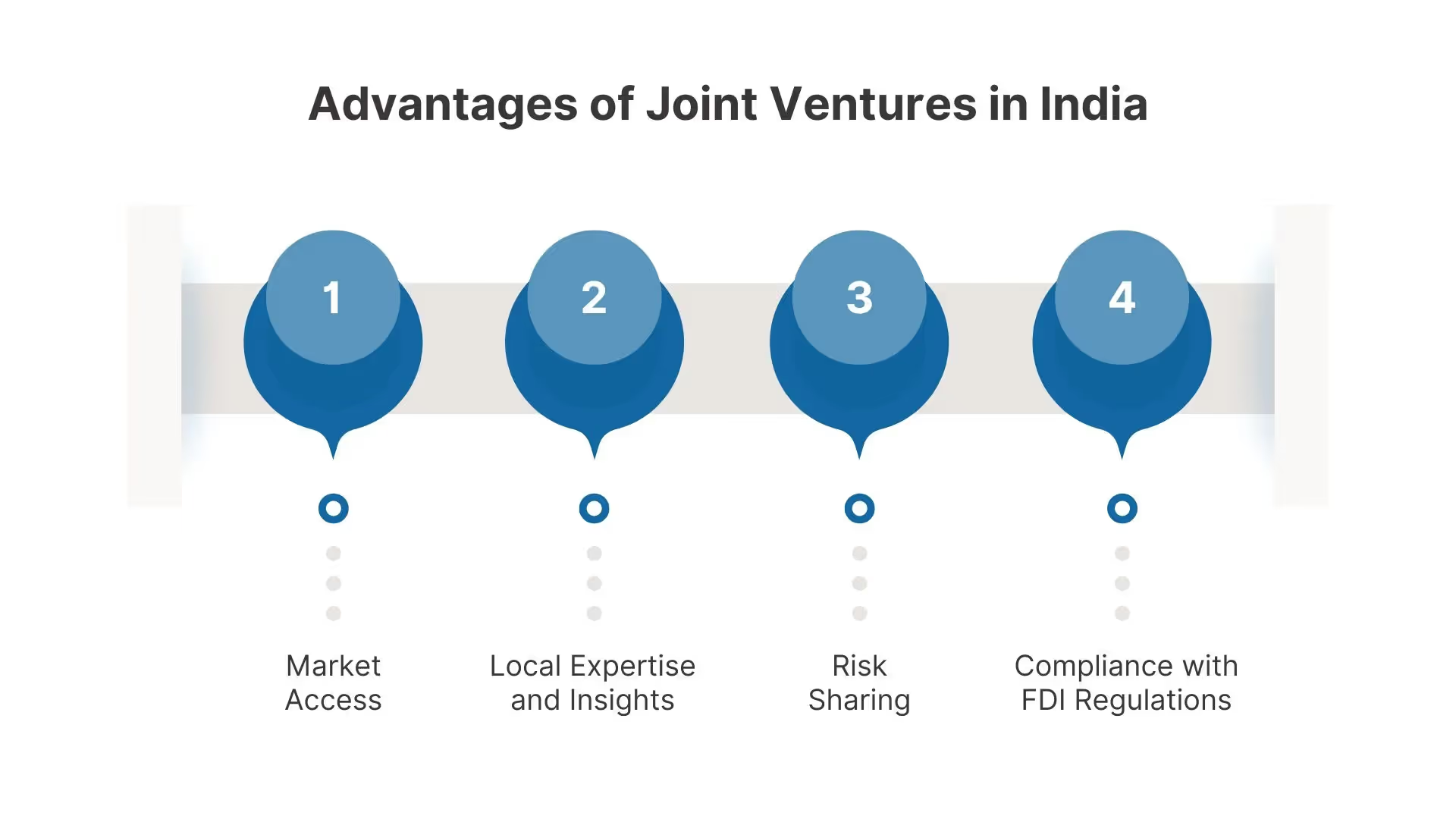
インドでのジョイントベンチャー設立は、インド市場への参入、新規プロジェクトでの協力、あるいは事業拡大を目指す外国企業にとって多くの利点をもたらします。主なメリットを詳しく見ていきましょう。
インドの事業体と提携することで、米国企業はインドの巨大かつ成長著しい消費者市場へ直接アクセスできるようになります。この協力関係により、確立された流通ネットワークや現地の知見を活用できるため、市場への浸透が容易になり、より広範な顧客層へのリーチが可能となります。
ジョイントベンチャーにより、米国企業は現地パートナーが持つ深い知識と経験を活用できます。インドのビジネス環境は、独自の文化的・規制的要因によって形成されています。現地パートナーは、外国企業に対し、政府の方針への対応、消費者の嗜好の理解、地域ごとの違いへの対処など、複雑な側面を乗り越えるためのガイダンスを提供できます。
ジョイントベンチャーは、インドのパートナーとリスクを分担することで、ビジネス上のリスクを軽減するのに役立ちます。これは、インドのような不慣れな市場に参入する際に特に重要です。双方が財務、運営、市場に関連するリスクを共有することで、新しい地域での事業開始や拡大に伴う課題を管理しやすくなります。
インドの外国直接投資(FDI)規制では、特定のセクターで事業を立ち上げる際、外国企業に現地企業との提携を義務付けている場合があります。ジョイントベンチャーを設立することで、米国企業はこれらの規制を遵守し、インドで合法的に事業を行うことが可能になります。外国企業は、FDIガイドラインを遵守しながらインドの成長市場に投資することができ、このガイドラインは外国投資に対する重要な保護を提供しています。
インドでジョイントベンチャーを設立する主なメリットについて解説しましたので、次は実際に設立を進めるための具体的なステップについて説明します。
インドでのジョイントベンチャー設立は、慎重な計画と法的・規制上の要件の遵守を必要とする戦略的なプロセスです。以下に、ジョイントベンチャーを成功させ、コンプライアンスを確保し、強固な事業基盤を構築するための重要なステップをまとめました。
The first and most crucial step is choosing the right Indian partner. The success of your joint venture depends heavily on the local partner’s industry expertise, market knowledge, and operational capacity. Here are some factors to consider when selecting a partner:
Once you’ve identified the right local partner, the next step is to draft a comprehensive and legally binding joint venture agreement. This agreement should outline the roles, responsibilities, and contributions of each party and the framework for profit-sharing. Key aspects of the agreement include:
The next step is to register and incorporate the joint venture company with the relevant authorities in India. This process involves several legal procedures:
Certain sectors in India may have restrictions on Foreign Direct Investment (FDI), and foreign investors may need to seek approval from the RBI or other relevant authorities. Here’s what you need to do:
Once you have completed the key steps to set up a joint venture in India, the next crucial phase is gathering and submitting the necessary documentation to ensure a smooth registration process.
Further Read: Guide to Registering a Sole Proprietorship in India
Setting up a joint venture in India can be a highly beneficial move for US businesses looking to expand into the Indian market. However, registering a joint venture involves specific documentation to ensure compliance with Indian laws. Here’s a clear list of the documents required to register a joint venture in India for US-based companies:
次に、米国企業のオーナーがインドで合弁事業を設立する際の課題について見ていきましょう。
Starting a joint venture in India presents an exciting opportunity, but businesses must be mindful of several challenges that may arise. These include cultural differences, regulatory complexities, and potential conflicts over profit-sharing and dispute resolution. Understanding these challenges can help businesses prepare effectively and set the stage for a successful partnership.
One of the first hurdles in establishing a joint venture in India is managing cultural and communication differences. Indian business practices can differ significantly from those in the U.S.
For instance, decision-making in Indian companies may be more hierarchical, with key decisions often made by senior management. Communication styles may also differ, with some partners preferring indirect communication or being more formal.
Solution: Conduct cross-cultural training for both teams to foster mutual understanding and respect for differing business norms and communication styles.
India’s regulatory environment can be challenging, especially for foreign businesses unfamiliar with the country’s legal framework. Obtaining the necessary approvals and complying with regulations set by authorities such as the Ministry of Corporate Affairs (MCA), the Reserve Bank of India (RBI), and other government bodies can take time.
Delays in regulatory approvals are common, and businesses need to be prepared for long wait times. Ensuring that your venture adheres to Foreign Direct Investment (FDI) rules and other compliance requirements is essential to avoid legal complications.
Solution: Engage experienced legal and compliance professionals familiar with Indian regulations to guide the joint venture through the approval and registration processes.
Disagreements over profit-sharing, management responsibilities, and performance expectations are common in joint ventures.
It’s important to define clear terms upfront in the joint venture agreement to prevent conflicts down the line. For instance, the profit-sharing model should be transparent and based on each partner’s contributions, whether financial or operational.
Solution: Clearly define profit-sharing arrangements in the joint venture agreement, specifying each partner’s contributions and entitlements.
A clear dispute resolution mechanism, such as mediation or arbitration, should be established to address any issues that may arise. By doing so, businesses can ensure that they handle disputes fairly and keep the partnership on track.
Solution: Include a detailed dispute resolution clause in the joint venture agreement, specifying preferred methods such as mediation or arbitration, and the applicable jurisdiction.
These challenges are common but not insurmountable. By being prepared and understanding the potential obstacles, businesses can take proactive steps to overcome them and establish a successful joint venture in India.
Setting up a joint venture in India is an excellent way for U.S. businesses to expand into one of the world's fastest-growing economies. By carefully selecting the right local partner, understanding the regulatory framework, and ensuring clear agreements, companies can unlock the potential of the Indian market. The success of a joint venture in India relies on the collaboration and mutual benefits between both parties, ensuring shared goals and seamless operations.
At VJM Global, we specialize in helping U.S. businesses with their joint venture setup in India. Our expertise in legal, compliance, and market entry strategies ensures your joint venture is structured for success from day one.
インドでの合弁事業設立をご検討中ですか? VJM Globalまで今すぐお問い合わせください。貴社のビジネス拡大が円滑かつ収益性の高いものとなるよう、私たちがサポートいたします。

.avif)


