
米国からインドへ進出する中小企業オーナーのための給与管理ステップバイステップガイド・トップ10

カテゴリー:
会計・記帳業務
公開日:
December 6, 2025

目次

お問い合わせ
ありがとうございます。送信が完了しました。
送信中にエラーが発生しました。

ワンストップで、
グローバルな解決策を

確かな自信と明瞭な視点で、クロスボーダービジネスを支援します。
相談を予約する

Payroll is a critical task for any small business, yet it can quickly become a burden if not handled accurately. With fluctuating employee wages, ever-changing tax laws, and complex reporting requirements, staying on top of payroll demands precision and timely execution. Mistakes can lead to fines, strained relationships with employees, and regulatory issues. 

In 2025, businesses need an organized approach to payroll that minimizes errors and keeps operations running smoothly. This guide breaks down the 10 steps to conduct payroll services from the US to India, so you can focus on what matters most: growing your business.
Key Takeaways

  • 適切な分類の重要性:労働者を従業員または独立契約者のいずれかに適切に分類し、税務上の責任、罰則、法的リスクを回避しましょう。
  • 給与税のコンプライアンス:給与税の納付期限を守らないと、罰金や法的問題、企業の評判低下を招く恐れがあります。自動化ツールを活用し、源泉徴収と納税を確実に管理しましょう。
  • 一貫した給与支払スケジュールの策定:キャッシュフローに適し、かつ地域や州の規制に準拠した明確な給与支払スケジュール(隔週、月2回など)を確立し、支払遅延を防ぎましょう。
  • 給与記録の保持:コンプライアンスの維持と監査への対応のため、賃金、控除、税務申告を含む詳細かつ整理された給与記録を少なくとも3年間保管してください。
  • 効率化のためのアウトソーシング:経理・給与計算のアウトソーシングを VJM Global のような専門家に依頼することで、複雑な税制や法定申告への対応が容易になり、米国企業がインドへ進出する際の業務がより円滑になります。

What Is Payroll and the Key Components of a Payroll

What Is Payroll and the Key Components of a Payroll

Payroll is the process by which businesses compensate their employees for services rendered. It involves calculating wages, withholding taxes, and compliance with federal, state, and local regulations.

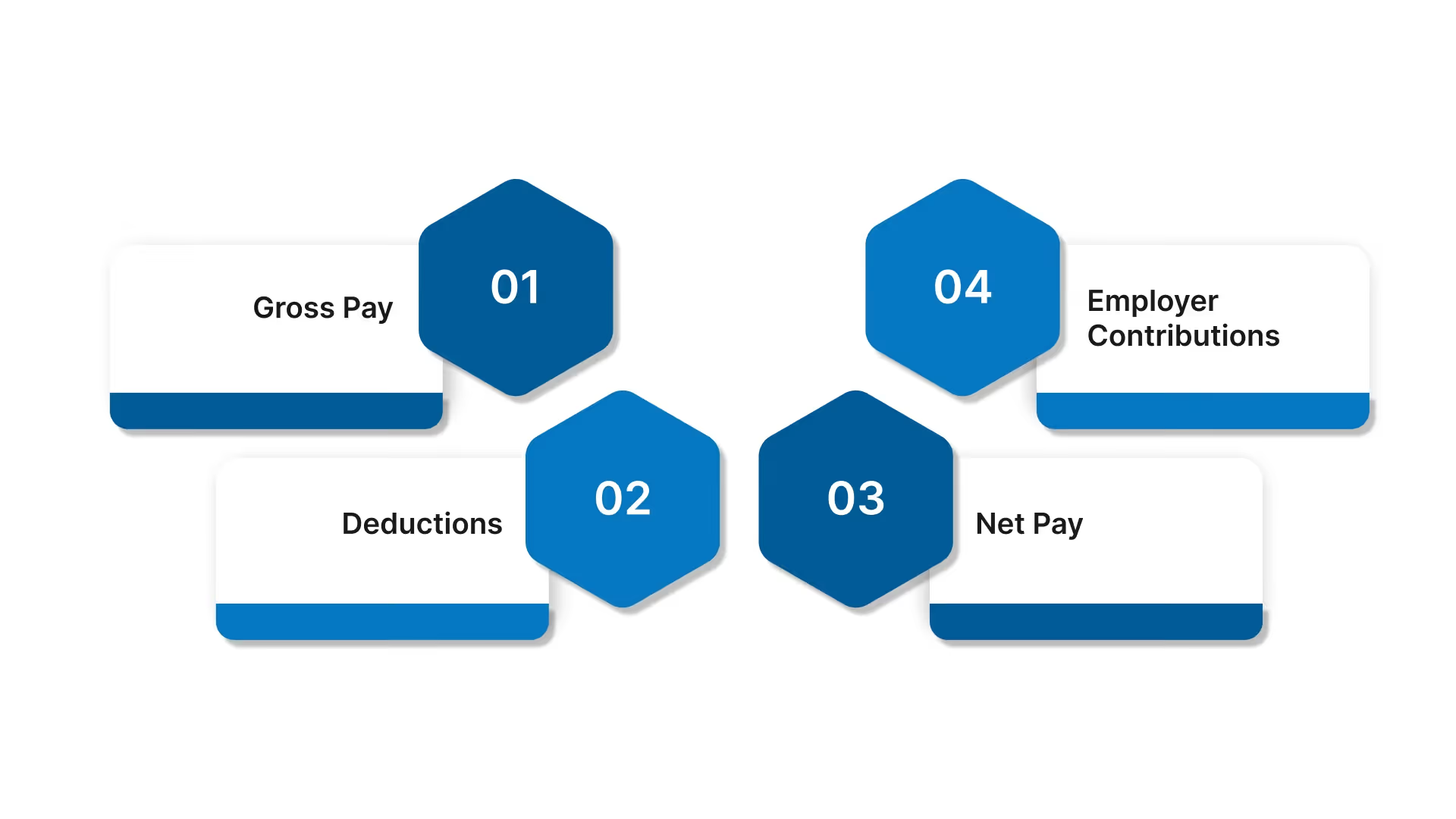
Key Components of Payroll:
  • 総支給額: 基本給、残業代、ボーナス、歩合給など、控除前の総収入。
  • 控除額: 連邦・州所得税、社会保障税、メディケア税、退職金積立、その他の福利厚生など、総支給額から差し引かれる金額。
  • 手取り額: すべての控除が行われた後に従業員が受け取る最終的な金額。
  • 雇用主負担分: 社会保障税やメディケア税の折半負担分、失業保険など、雇用主が負担する給与税。

Top 10 Steps on Payroll Management for Small Business Owners

Top 10 Steps on Payroll Management for Small Business Owners

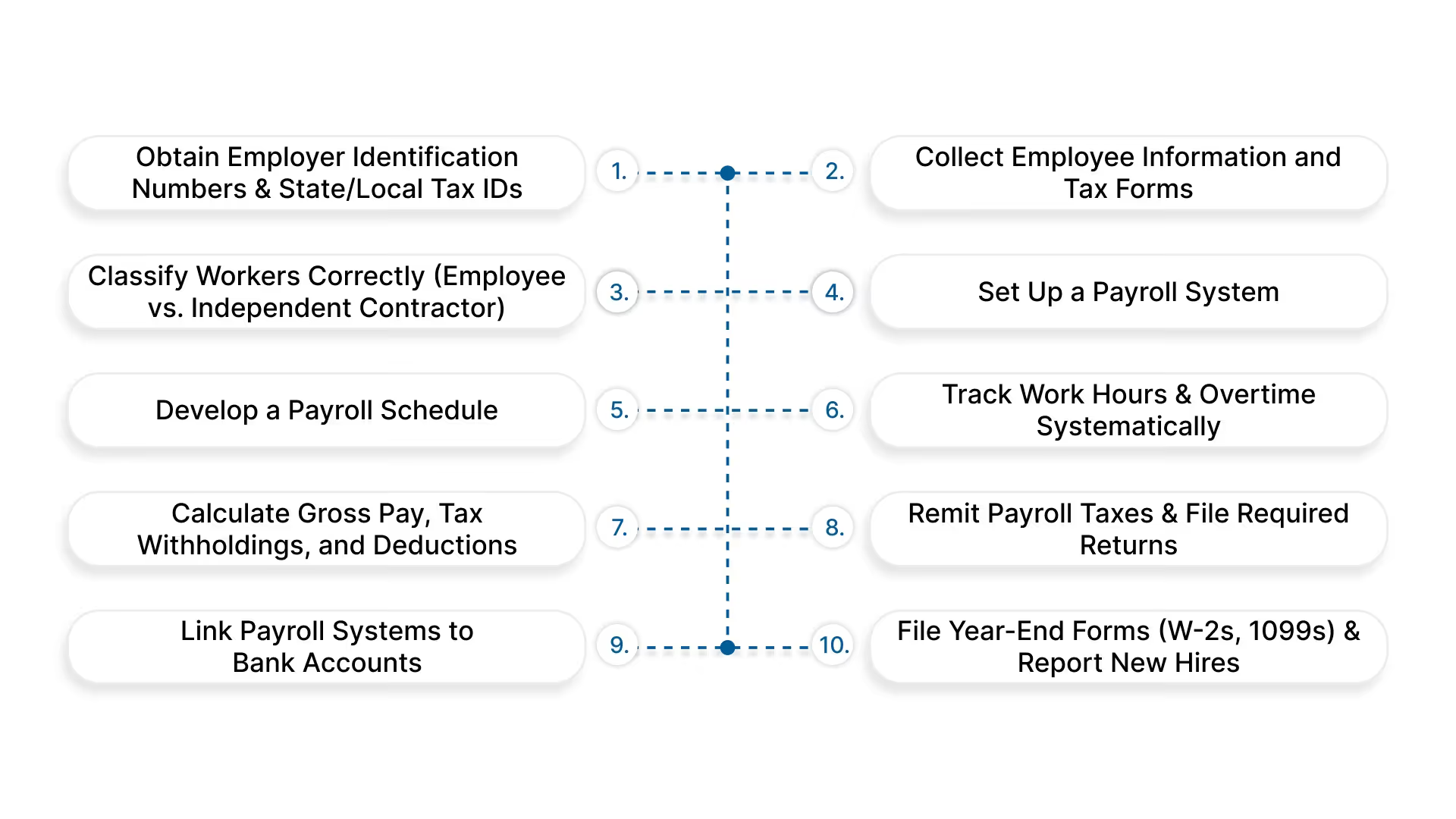
Managing payroll for a small business involves a series of steps, which include obtaining the necessary tax identification numbers, collecting employee information, classifying workers correctly, setting up a payroll system, and developing a consistent payroll schedule.

Step 1: Obtain Employer Identification Numbers (EINs) and State/Local Tax IDs

Before you can begin processing payroll, you need the right tax identification numbers. These numbers are essential for meeting tax obligations and for complying with federal, state, and local regulations. Here's what you need to do:

  1. Employer Identification Number (EIN) – Federal Level

雇用主識別番号(EIN)は、ビジネスにおける社会保障番号のようなものです。従業員への給与支払い、法人税の申告、さらにはビジネス用銀行口座の開設にもEINが必要です。IRS(内国歳入庁)は、この番号を使用して企業の税務申告を追跡します。

  • 取得方法: IRSのウェブサイトからオンラインで直接EINを申請してください。この手続きは無料かつ迅速で、申請から数分以内にEINが発行されることもあります。
  1. State and Local Tax Identification Numbers

連邦のEINに加え、ほとんどの州では、給与計算、保険、物品やサービスの販売を行う企業、および売上税や失業税などのその他の税務義務のために、独自の州税IDが必要となります。

  • 取得方法: お住まいの州の歳入局のウェブサイトにアクセスし、州税IDを登録してください。この手続きもオンラインで行うことができます。

Step 2: Collect Employee Information and Tax Forms

Once your Employer Identification Number (EIN) and state/local tax IDs are secured, the next step in setting up payroll is gathering employee information and tax forms. This results in accurate tax withholding, compliance with federal and state regulations, and smooth payroll processing.

For each employee, collect the following details:

  • 氏名および住所: 従業員の特定および郵送用。
  • 社会保障番号(SSN): 税務申告および米国での就労資格確認に必要。
  • 生年月日: 本人確認および資格確認に役立ちます。
  • 雇用開始日: 税務申告および福利厚生の受給資格確認に必要。
  • 報酬の詳細: 時給または月給、残業代の対象か否か、ボーナスや歩合給など。
  • 職種および部署: 社内記録および報告用。
  • 緊急連絡先: 職場での安全管理および緊急時用。
  • 銀行口座情報: 給与の直接振込を行う場合。
  1. 必要な税務フォーム

新規雇用者は全員、以下のフォームに記入する必要があります:

  • フォームW-4(従業員の源泉徴収証明書): 従業員が連邦所得税の源泉徴収に関する希望を申告するためのフォームです。個人情報、申告ステータス、調整額や追加の源泉徴収額などが含まれます。
  • フォームI-9(雇用資格確認書): 従業員の本人確認および米国での就労資格を確認するために使用します。雇用主は本フォームを一定期間保管し、政府当局による査察があった際に提示できるようにしておく必要があります。
  • 州ごとの源泉徴収フォーム: 州によっては、州所得税の源泉徴収のために追加のフォームが必要です。例えば、カリフォルニア州ではDE 4、ニューヨーク州ではフォームIT-2104が求められます。

ステップ3:労働者の適切な分類(従業員か独立請負業者か)

労働者を正確に分類することは、連邦および州の税法を遵守する上で極めて重要です。内国歳入庁(IRS)は、労働関係における管理の度合いと独立性に基づいて、従業員と独立請負業者を区別しています。

この分類は、納税義務、福利厚生の受給資格、および法的責任に影響を及ぼします。

  • 従業員:雇用主の管理・指揮下で働きます。雇用主は、所得税、社会保障税、メディケア税の源泉徴収を行い、従業員に支払う賃金に対して失業税を納付する義務があります。
  • 独立請負業者:独立して業務を行い、一般向けにサービスを提供します。自身の納税義務は自身で負い、従業員としての福利厚生を受ける権利はありません。

分類の主要な判断基準

IRSは、労働者のステータスを判断するために主に3つのカテゴリーを用いています:

  1. 行動的コントロール:業務の遂行方法に対して企業がどの程度コントロールしているかを指します。企業が指示やトレーニングを提供したり、作業方法を規定したりする場合、その労働者は従業員である可能性が高いと言えます。
  2. 経済的コントロール:労働者による道具への投資、経費の自己負担、利益や損失の機会といった側面が関わります。独立請負業者は、自身の業務に対してより大きな経済的コントロール権を持っています。
  3. 当事者間の関係:書面による契約、福利厚生の有無、関係の継続性など、関係の性質を考慮します。福利厚生があり、長期的かつ継続的な関係である場合は、雇用主と従業員の関係であることを示唆しています。

労働者の分類を誤っていた場合:

  • 申請:フォームSS-8をIRSに提出し、労働者のステータスの判定を依頼します。
  • 対象となる企業は、自主的分類是正プログラム(VCSP)に申請することで、連邦雇用税の一部免除を受けつつ、将来の課税期間に向けて労働者を従業員として再分類することができます。
  • 法的助言を求める:是正プロセスや潜在的な負債について、専門家に相談してください。

VJM Globalは、インドに進出する米国企業向けに、カスタマイズされた給与計算、会計、コンプライアンスソリューションを提供しています。二重課税制度の管理やタイムリーな給与処理から、法人登記、現地の労働法遵守、法定監査および申告(PF、ESI、PTなど)の対応まで、国境を越えた複雑な業務を簡素化します。今すぐ始めましょう。

ステップ4:給与計算システムの構築

給与計算システムの構築は、中小企業が従業員への報酬を正確に支払い、税規制を遵守し、事務処理を効率化するために不可欠です。中小企業が適切な給与計算システムを選択する際には、いくつかの選択肢があります:

  • 手動による給与計算:従業員数が少ない企業に適しています。賃金、控除、税金をすべて手作業で計算します。コストは抑えられますが、時間がかかり、ミスが発生しやすくなります。
  • 給与計算ソフトウェア:計算、税務申告、報告の自動化が可能です。QuickBooks PayrollやGustoなどがその例です。これらのプラットフォームを利用することで、時間を節約し、ミスを減らすことができます。
  • 給与計算のアウトソーシング:給与計算業務のすべてを外部の専門業者に委託します。事務作業やコンプライアンス対応の負担を軽減したい企業に最適です。

経理業務をアウトソーシングして、正確性を保ちながら時間を節約しましょう。経理は私たちにお任せください。専門家に相談する。

ステップ5:給与支払スケジュールの策定

一貫した給与支払スケジュールを確立することは、従業員へのタイムリーな報酬支払いを実現し、労働法を遵守し、円滑なキャッシュフローを維持するために、中小企業にとって極めて重要です。

Choosing the right payroll schedule requires balancing administrative capacity, employee preferences, and local regulations, while considering the business's cash flow cycle.

The payroll schedule defines the frequency of payments (such as weekly, biweekly, or monthly) and the specific date employees are paid.

  • Weekly: 52 pay periods per year, often used for hourly employees.
  • Biweekly: 26 pay periods per year, popular for its balance between administrative efficiency and employee satisfaction.
  • Semi-Monthly: 24 pay periods per year, typically used for salaried employees.
  • Monthly: 12 pay periods per year, less common due to potential cash flow challenges for employees.

Key Factors to Consider

  • State and Local Regulations: Some states mandate specific pay frequencies, such as California, which requires most employees to be paid at least twice per month.
  • Cash Flow Management: Aligning your payroll schedule with your revenue cycle can help manage business liquidity and reduce cash flow issues.
  • Employee Preferences: Frequent pay cycles can increase employee satisfaction, especially for hourly or lower-wage workers.
  • Administrative Capacity: Make sure that your payroll system can handle the chosen schedule to avoid errors and delays.

Step 6: Track Work Hours and Overtime Systematically

Accurate tracking of employee work hours and overtime is essential for small business owners to maintain payroll accuracy and manage labor costs. Implementing a systematic approach to time tracking helps prevent errors, reduce administrative burdens, and instill trust with employees.

Best Practices for Tracking Work Hours

  • Utilize Automated Time Tracking Systems: Implementing digital time tracking solutions can reduce errors and administrative workload. Tools like QuickBooks Time and Clockify offer features such as real-time tracking, mobile access, and integration with payroll systems.
  • Standardize Timekeeping Methods: Establish clear policies regarding clock-in and clock-out procedures. All employees should be trained on how to use the time tracking system and understand the importance of accurate time reporting. 
  • Monitor and Audit Time Records Regularly: Conduct periodic reviews of time logs to identify discrepancies or patterns that may indicate issues such as time theft or misreporting.

Free up your team's time, outsource accounting to VJM Global and focus on growth

Step 7: Calculate Gross Pay, Tax Withholdings, and Deductions

Accurate calculation of gross pay (total earnings an employee receives before any deductions) and tax withholdings (mandatory deductions required by federal, state, and local governments) is essential for small business owners to maintain employee trust and manage financial operations. 

Key Components of Compensation and Benefits Data

  • Base Salary and Hourly Rates: Accurate recording of employees' agreed-upon wages is essential.
  • Overtime Pay: Correct application of overtime rates as per the Fair Labor Standards Act (FLSA), typically over 40 40-hour work week.
  • Bonuses and Commissions: Properly document performance-based incentives.
  • Benefits Deductions: Track employee contributions to health insurance, retirement plans, and other benefits.
  • Tax Withholdings: Accurate calculation of federal, state, and local taxes is crucial.

Conduct periodic reviews and regular audits of compensation and benefits records to identify and rectify discrepancies. Provide ongoing training for HR and payroll staff on the importance of accurate data and the tools available to maintain it.

Step 8: Remit Payroll Taxes and File Required Returns

Accurate and timely remittance of payroll taxes is another aspect of payroll management for small business owners. Alongside compliance with federal, state, and local tax obligations also helps businesses avoid hefty penalties, fines, and legal issues. This step involves not only calculating and withholding the right amount of taxes but also submitting the appropriate forms to various authorities.

Use EFTPS (Electronic Federal Tax Payment System), as this secure online system allows businesses to schedule and track federal tax payments, making the process transparent.

  1. Federal Payroll Tax Remittance

Employers must withhold several taxes at the federal level, including income tax, Social Security, Medicare, and Federal Unemployment Tax (FUTA). The schedule for remitting these taxes depends on the business's tax liability:

  • Federal Income Tax: Withheld based on employees’ Form W-4 and remitted to the IRS.
  • FICA Taxes: Both employer and employee contribute to Social Security and Medicare taxes.
  • FUTA: Paid solely by the employer to fund unemployment benefits.
  1. State and Local Payroll Tax Remittance

In addition to federal taxes, businesses must comply with state and local tax obligations. This includes:

  • 州所得税:州ごとの規制に従って源泉徴収および納付されます。
  • 州失業保険(SUI):雇用主は、州ごとに異なる料率で失業保険税を納付する必要があります。
  • 地方税:一部の地方自治体では、市や郡の給与税など、追加の税金が課される場合があります。

Step 9: Link Payroll Systems to Bank Accounts

Integrating your payroll system with your business bank account is a pivotal step in modernizing payroll operations. This integration facilitates seamless, timely, and secure employee payments, aligning with the growing preference for electronic transactions over traditional paper checks.

Connecting your payroll system to your bank account involves establishing a secure link that allows for the electronic transfer of funds. Here's how to approach this integration:

  1. QuickBooks Payrollのように、銀行と直接統合できる給与計算サービスを選択します。
  2. ルーティング番号や口座番号など、ビジネス用銀行口座の詳細を準備します。
  3. 給与計算プロバイダーの指示に従い、銀行口座情報を給与システムに入力し、テスト入金を通じて確認を行うなどして、銀行口座を連携させます。
  4. 直接振込を設定するために、従業員の口座番号やルーティング番号などの銀行口座情報を収集します。
  5. 統合が完了したら、給与システムを通じて給与のスケジュール設定と処理を行うことができます。システムが自動的にACH送金を開始します。

Step 10: File Year-End Forms (W-2s, 1099s) and Report New Hires

At the close of each fiscal year, small business owners must fulfill compliance obligations by filing year-end forms and reporting new hires. These steps also mean that you have to adhere to federal and state regulations and maintain accurate records for tax and employment purposes.

Employers must report newly hired employees to the designated state new hire registry within 20 days of their start date. Many states also accept a copy of the employee’s Form W-4 with employer information added.

  1. Filing Year-End Forms: W-2s and 1099s
  • フォームW-2 – 賃金および税金明細書:雇用主は、その年に賃金、チップ、またはその他の報酬を受け取ったすべての従業員に対して、フォームW-2を発行する義務があります。このフォームには、課税対象所得の合計と源泉徴収された税額が記載されます。
  • フォーム1099 – 雑所得:年間600ドル以上の報酬を受け取った独立請負業者やフリーランサーに対して、雇用主はフォーム1099-NEC(非従業員報酬)を発行する必要があります。このフォームには、請負業者に支払われた合計額が記載されます。
  • フォームW-3 – 賃金および税金明細書の送付状:フォームW-3は、W-2フォームを社会保障局(SSA)に提出する際に添付するものです。これには、全従業員の総所得、社会保障賃金、メディケア賃金、および源泉徴収額の合計がまとめられています。提出期限はフォームW-2と同じです。

VJM Global: Your Trusted Partner for Payroll and Accounting Solutions as You Expand from the U.S. to India

VJM Global: Your Trusted Partner for Payroll and Accounting Solutions as You Expand from the U.S. to India

VJM Globalは、インドに進出または事業拡大を図る米国企業向けに、包括的な給与計算、会計アウトソーシング、およびコンプライアンスサービスを提供しています。米国のGAAP(一般に公正妥当と認められた会計原則)とインドの規制に関する専門知識を活かし、法人設立、税務コンプライアンス、人事ソリューションを含むエンドツーエンドのサポートを提供します。

  • 給与計算およびコンプライアンス:正確かつタイムリーな従業員報酬の支払いを含む、エンドツーエンドの給与計算サービスを管理します。
  • 会計アウトソーシング:記帳から財務報告まで、費用対効果の高い会計サービスを提供します。
  • 税務サービス:米国の税法およびインドの税務コンプライアンスに関する専門知識により、企業がすべての法的要件を満たせるよう支援します。
  • 法定申告:インド当局への必要なすべての申告を代行し、企業が現地規制を遵守し続けられるようサポートします。
  • インドでのビジネス設立:会社登記、FEMA(外国為替管理法)規制の理解、インド市場での拠点設立を支援します。
  • 駐在員税務:インドで働く米国人駐在員の税務上の影響を管理するための専門サービスを提供します。
  • 監査および保証:財務の透明性とコンプライアンスを確保するための内部監査および法定監査サービスを提供します。
  • トランザクションアドバイザリー:合併、買収、その他の金融取引に関するガイダンスを提供し、戦略的な意思決定をサポートします。

Conclusion

Managing payroll is a crucial task for small business owners. From obtaining the necessary tax IDs to accurate compensation, calculating gross pay, and filing year-end forms, each step requires careful attention to detail. Implementing a structured payroll system, tracking work hours, classifying workers correctly, and remitting payroll taxes on time are best practices that keep your business compliant, minimize errors, and maintain smooth business operations. 

By following these steps, small business owners can manage their payroll system, meet regulatory requirements, and focus on growing their business.

VJM Globalは、インドへ進出する米国企業向けに、包括的な給与計算、税務コンプライアンス、およびビジネスアドバイザリーサービスを提供しています。今すぐアドバイザーにご相談ください!

FAQs

1. What is the best way to pay employees in a small business?

The best way to pay employees in a small business is through direct deposit, as it’s fast and secure. It eliminates the risk of lost or delayed checks and allows for seamless payment tracking.

2. Can I do payroll myself if I am setting up my operation from the US to India?

While it’s possible to manage payroll yourself when setting up operations from the U.S. to India, it can be complex due to differing tax systems, labor laws, and compliance requirements. Outsourcing payroll to experts can help avoid costly mistakes.

3. How to calculate payroll?

To calculate payroll, start by determining each employee’s gross pay based on their hourly rate or salary. Then, subtract federal, state, and local taxes, as well as other deductions like insurance, retirement contributions, and garnishments. The result is the net pay, which is the amount the employee will take home.

4. How do I automate my payroll processes?

Automating payroll processes can be done through payroll software like QuickBooks, Gusto, or ADP. These tools calculate wages, tax withholdings, and deductions, and generate necessary filings, reducing manual effort and minimizing errors.

5. What Excel skills are needed for payroll?

For payroll, essential Excel skills include creating formulas for tax calculations, using pivot tables to analyze data, and managing employee databases with functions like VLOOKUP and SUMIF.

‍

VJM Global
VJM Globalの専門的な知見、ヒント、最新情報をご覧ください
著者について

最新のブログ

