

With over 310,000 property management companies across the U.S., the demand for streamlined, reliable accounting systems is more critical than ever. But here’s the catch: as portfolios grow, so does the complexity of managing everything from rent rolls to maintenance costs.
計算ミスや、絶えず変化する税法への対応といった煩雑な業務など、些細な不一致が雪だるま式に大きな財務上の問題へと発展してしまうことは珍しくありません。
本ブログでは、複雑な会計課題に正面から取り組むための、明確で実践的なベストプラクティスをご紹介します。会計ワークフローを自動化し、財務状況を常に健全に保つ方法を探っていきましょう。それでは、本題に入ります。
不動産管理会計とは、不動産に関連する財務活動を追跡・管理することを指します。これには、住宅用集合住宅から商業用不動産まで、あらゆる物件が含まれます。
正確な不動産管理会計は、物件オーナーや関係者がキャッシュフロー、収益性、そして全体的な財務健全性を把握するのに役立ちます。
キャッシュフロー、収益性、主要な経費を追跡することで、米国の不動産管理者は連邦、州、地方の税法を遵守し、SALT(州・地方税)控除上限などの税務上の影響についてオーナーをサポートする体制を整えることができます。
これらを踏まえ、不動産管理会計をより効果的に管理するために役立つ主要な概念と用語を探っていきましょう。
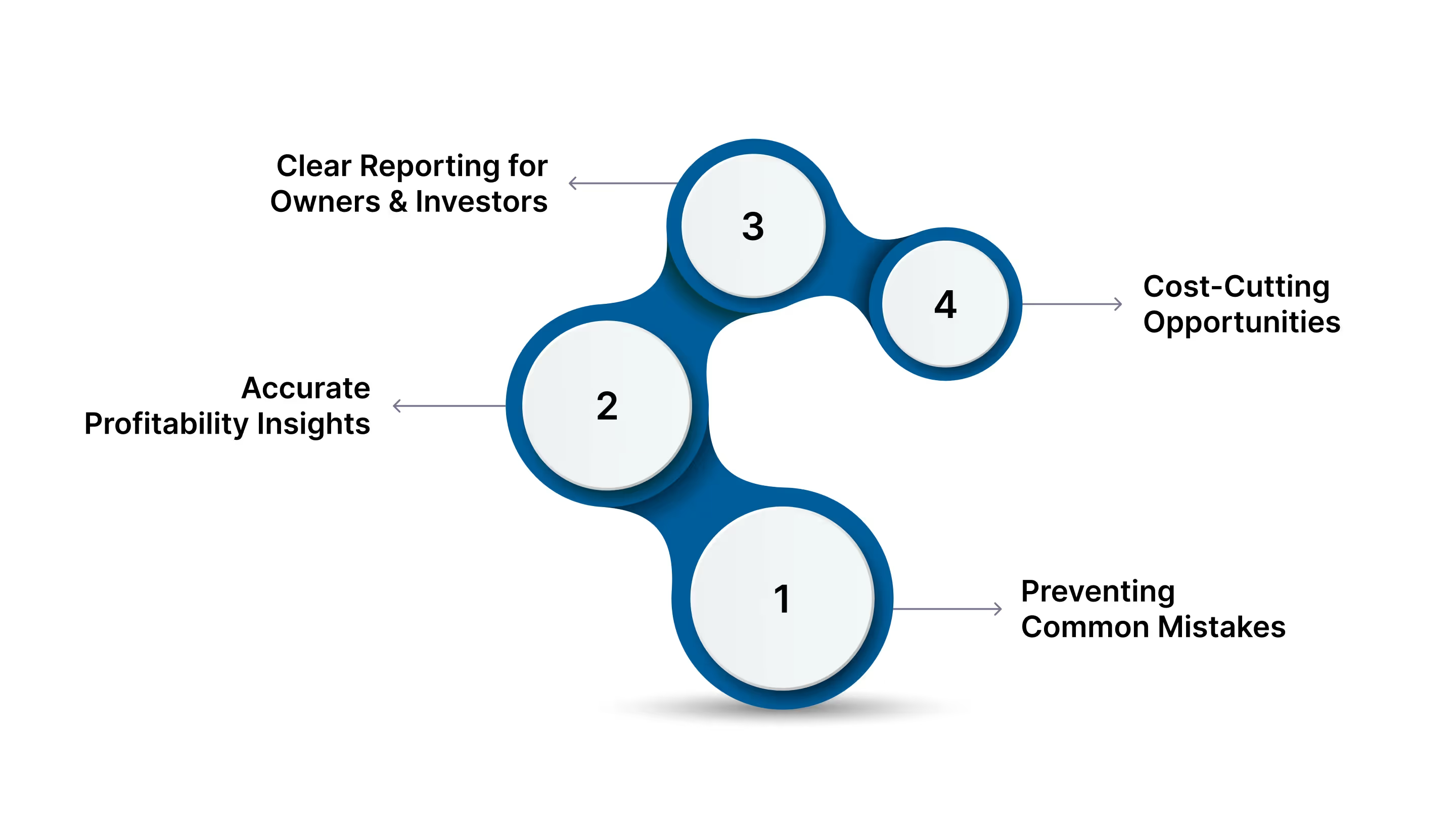
不動産管理者であれば誰しも、月末のレポートを確認しているときに、時間が経つにつれて膨れ上がっていたミスを見つけ、目の前が真っ暗になるような経験をしたことがあるはずです。こうしたミスがもたらす財務的影響は甚大です。強力な財務管理が不可欠な理由は以下の通りです。
あわせて読みたい:月次の記帳コストとサービス内容を理解する
強固な財務管理体制を整えることで、評判を守り、競争の激しい業界において持続可能な成長と長期的な成功に向けたビジネスの基盤を築くことができます。
これらを踏まえ、不動産管理会計をより効果的に扱うために役立つ主要な概念と用語を探っていきましょう。
不動産管理会計の主要な用語を理解することは、正確な財務追跡と報告に不可欠です。最も重要な概念を以下にまとめました。
これらの概念を習得することで、不動産管理者は財務を追跡し、コンプライアンスを維持し、情報に基づいた意思決定を行うことができます。
次は、現金主義会計と発生主義会計を比較し、どちらの手法があなたのビジネスに最適かを確認します。
One of the first and most crucial decisions you'll make as a property manager in the U.S. is choosing your accounting method. Whether you go with cash or accrual accounting depends on your business's complexity and growth stage.
Cash basis accounting is straightforward. You only record income when cash is actually received, and expenses when they’re paid. This method gives you a real-time view of your cash flow, but it doesn’t paint the full picture of your property’s profitability, especially if you have unpaid rent or deferred maintenance costs. This is ideal for small businesses, simple portfolios
On the other hand, accrual basis accounting is more detailed. Income is recorded when earned, and expenses when incurred, no matter when the cash changes hands. This method gives you a clearer view of your long-term financial health, making it ideal for larger portfolios or growing businesses looking to plan for the future.
In the U.S., most small property managers with fewer properties can get by with cash accounting, which is easier to manage and aligns with IRS guidelines for businesses earning under $31 million in gross receipts.
Now that you understand which method suits your needs, let’s move on to practical tips every property manager should follow.
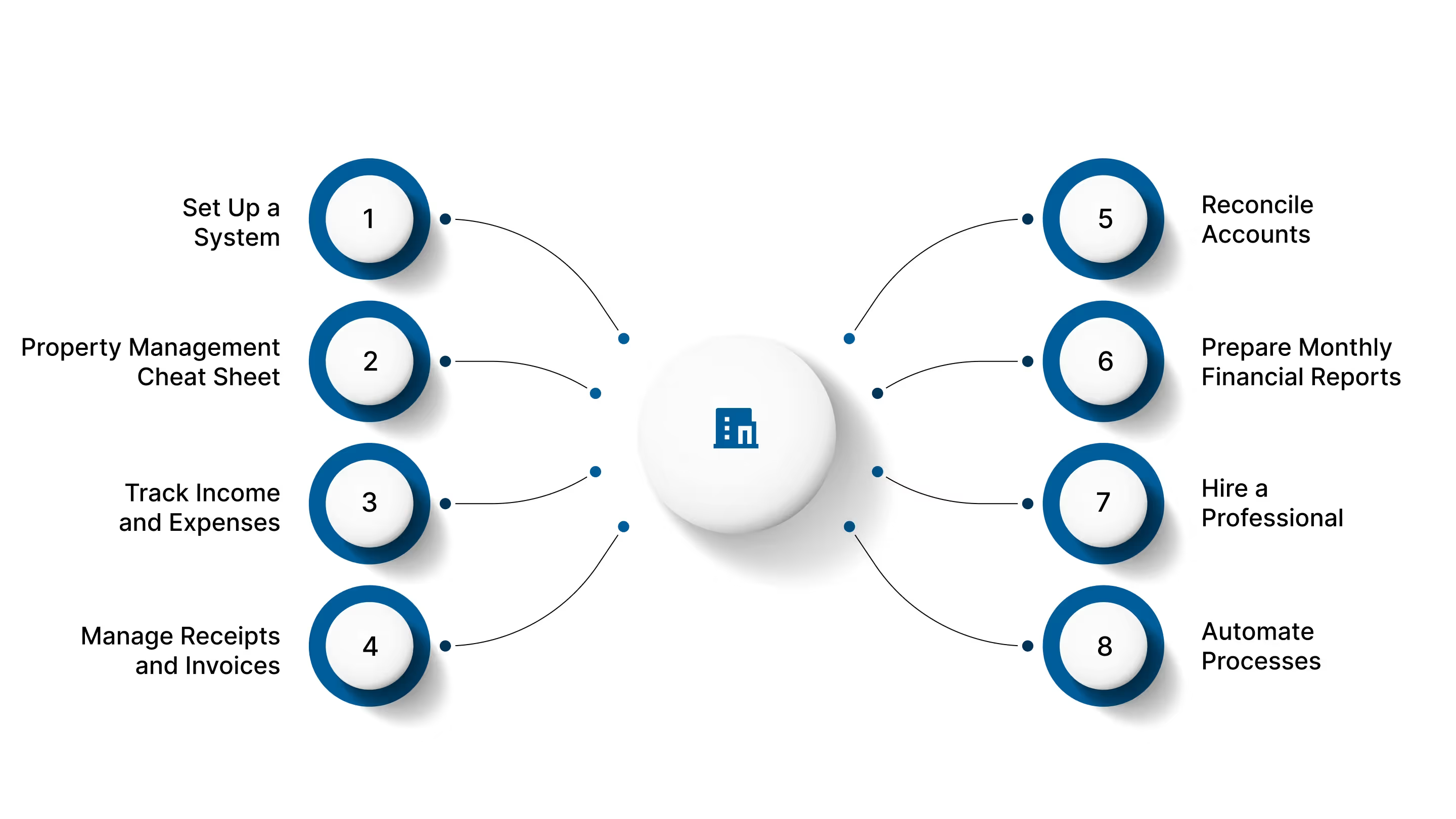
Managing property finances is a complex task, especially when you're overseeing a growing portfolio. Let’s break down the essential steps for setting up a reliable accounting system that keeps everything organized and compliant, from software selection to tracking income and automating tasks.
Select accounting software designed for property management. Depending on your business’s complexity, use software that handles everything from tracking income to reporting expenses. Platforms like QuickBooks and Xero can be great tools for handling your day-to-day accounting needs.
The Chart of Accounts is your financial cheat sheet, organizing all accounts into one place. It includes Balance Sheet Accounts, offering a snapshot of assets, liabilities, and equity, and Income Statement Accounts, which track revenue and expenses. This creates transparency and helps protect your personal assets from business liabilities.
Log all rental income promptly to stay on top of cash flow. Don’t forget to track additional revenue sources like late fees, parking fees, and laundry services. Additionally, record operating expenses such as maintenance, repairs, and utilities, while tracking major future improvements separately.
These major expenses should be tracked separately, as they may be capitalized for depreciation over time, a key factor in U.S. tax filings under the IRS guidelines for real property depreciation.
Keep digital or physical receipts for all expenses. In most U.S. property management operations, adopting a double‑entry bookkeeping system is recommended because it records each transaction twice, debits and credits. This helps you spot discrepancies and produce both profit‑loss and balance‑sheet reports.
Regularly reconcile your bank statements with accounting records to identify discrepancies and ensure your financials are accurate. Reconcile credit card transactions used for property expenses to maintain accurate financial records.
This is particularly important if you’re managing multiple properties and have numerous transactions happening throughout the month.
Key monthly reports should include the balance sheet, income statement, cash flow statement, and rent roll. These reports provide vital insights into the business, helping you assess financial health and report to property owners. They also assist in planning for the future and making informed decisions based on the business's financial standing.
A professional can help ensure your books are accurate, taxes are filed correctly, and financial strategies are optimized. VJM Global offers offshore accounting solutions tailored to property managers, including comprehensive bookkeeping services, payroll and tax compliance support, and assistance with U.S. tax filings and cross-border regulations.
We also provide scalable back-office services, such as software migrations (QuickBooks, Xero), virtual CFO reporting, and the infrastructure needed for growing portfolios. Talk to an expert today.
Use automation tools to streamline processes like rent collection, invoice processing, and financial reporting. Automation reduces the risk of human error and ensures timely, efficient operations.
By following these accounting practices, you’ll streamline your property management finances, ensuring accuracy, reducing errors, and staying compliant.
Also Read: Top 10 Proven Real Estate Financial Planning Tips to Maximize Investment Returns
With these practices in mind, it’s important to avoid common mistakes. Let’s take a look at what to watch out for and how to fix them.
Accounting for property management can be complex, and even minor missteps can lead to significant financial and legal challenges. Avoiding these common mistakes is crucial for maintaining smooth operations and ensuring long-term success.
Recognizing and addressing these mistakes helps property managers safeguard their financial health and grow their portfolios with confidence.
Property management accounting doesn’t have to be a hassle. Implementing a centralized system eliminates the chaos of juggling multiple property finances. Tracking expenses, automating invoicing, and ensuring tax compliance saves you time and prevents costly mistakes that could impact your bottom line.
Regular financial reviews, along with accurate and timely reporting, are essential for staying ahead, whether it's identifying new opportunities or addressing issues before they escalate.
VJM Global offers specialized accounting outsourcing services that cater to the unique needs of property management companies. Here’s how partnering with us can simplify your accounting processes:
By choosing VJM Global, you gain a trusted partner who understands the intricacies of property management accounting. Get started today.
A centralized system ensures all financial data for each property is stored in one place, making it easier to track income, expenses, and reconcile accounts. It helps improve accuracy and efficiency, reducing the risk of errors.
Regular reporting is essential for staying on top of your financial health. It’s recommended to generate reports weekly or bi-weekly, depending on the size of your portfolio, to make informed decisions and identify issues early.
Common mistakes include misreporting rental income, failing to track deductible expenses, and failing to follow local tax regulations. It’s important to stay updated on tax laws and consult professionals to avoid costly penalties.
Outsourcing your accounting allows you to reduce operational costs, save time, and ensure your financials are always accurate. Experts can handle tasks like bookkeeping, tax filings, and financial reporting so that you can focus on property management.
Automation streamlines repetitive tasks such as invoicing, payment reminders, and financial reporting. By automating these processes, you can reduce errors, save time, and keep your accounting system more organized and efficient.

.avif)


