

%20(23).avif)
In recent years, the Indian market has seen substantial foreign investment across various sectors, including technology, manufacturing, e-commerce, and healthcare. As of May 2025, the total number of registered companies in the country reached nearly 2.9 million, with 65% classified as active, setting a new record.
With its strategic location and economic growth, India is positioning itself as a critical player on the global business map.
However, like any new market, entering India comes with its own set of challenges. Understanding the regulatory environment, navigating cultural nuances, and ensuring compliance with local laws are essential to establishing a successful business presence. This makes the process of company registration in India crucial, as it serves as the foundation for your operations.
In this blog, we will highlight common pitfalls U.S. entrepreneurs face when registering a business in India, and provide expert guidance on how to avoid these challenges to ensure a smooth and successful market entry.
Key Takeaways
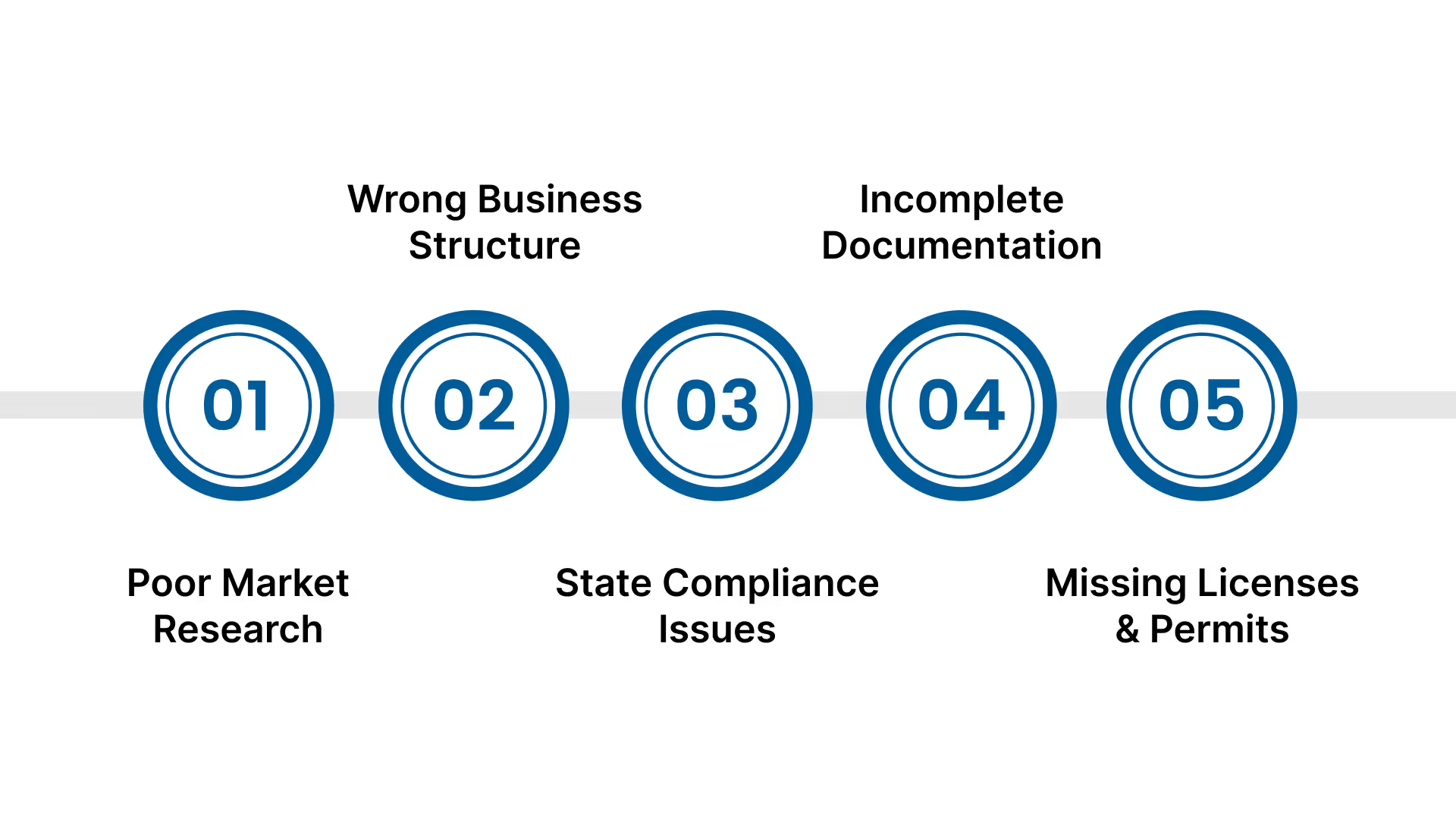
The company registration process is about laying the groundwork for your business’s success in India. Failing to properly register your company, or missing key compliance steps, can lead to unnecessary delays, legal complications, or even a failure to operate in India altogether.
As a U.S. entrepreneur, understanding the common pitfalls in registering a business in India is vital to avoid costly mistakes that could hinder your business growth. By having a clear and accurate understanding of the registration process, you can set yourself up for a smooth and successful expansion into one of the world’s most dynamic economies.
Here are the common pitfalls to avoid when registering a business in India:
Entering a new market requires more than just a general understanding of the local economy; it demands a detailed and accurate assessment of market conditions, competition, customer behavior, and regulatory requirements. Without thorough market research and business planning, you risk making uninformed decisions that could lead to wasted time and resources.
For example, India’s market conditions can vary drastically from one region to another. What works in one state or city might not necessarily work in another. The cost of operations, consumer preferences, and regional regulations can differ based on geographical locations. By conducting thorough research, you can identify which regions align best with your business and tailor your strategy accordingly.
Entrepreneurs who fail to properly assess the market often make decisions based on outdated or incomplete information. For instance, a U.S. business might mistakenly assume that Indian consumers have the same preferences as their American counterparts, leading to poor product-market fit. Similarly, failing to consider the regulatory environment can result in compliance violations, costly legal battles, or delays in getting products to market.
When registering a business in India, selecting the right business structure is one of the most critical decisions you will make. Some common business structures include:
事業形態の選択を誤ると、深刻な法的・財務的リスクを招く恐れがあります。不適切な決定は、事業の効率的な運営を妨げ、余計なコストを発生させる原因となります。
インドは広大で多様性に富んだ国であり、ビジネス規制は州によって大きく異なります。各州には独自のルール、ライセンス要件、コンプライアンス基準があり、これらを遵守しなければなりません。州ごとのコンプライアンスが特に重要となる主な分野は以下の通りです。
州によってGSTの登録や申告に関する基準や要件が異なる場合があります。また、地域によっては現地の法律に基づき、追加の税金や還付制度が設けられていることもあります。
従業員の賃金、労働時間、福利厚生に関する規制は州ごとに異なる場合があります。米国企業は、中央政府と州政府の両方の労働法を遵守する必要があります。
各州には印紙税や固定資産税など、独自の地方税ルールがあり、これらが全体の税負担に影響を与える可能性があります。
州ごとの規制を遵守しない場合、罰金や法的措置、さらには事業停止処分を受ける可能性があります。現地のコンプライアンス基準を満たせないと、製品の発売、建設許可、スタッフの採用などが遅れ、市場参入が滞る原因にもなりかねません。
インドで法人を設立するには、中央政府および州政府の法律を遵守するための正確な書類が必要です。書類の不足や不備があると、登録プロセスが大幅に遅延し、インドでの事業開始が不可能になる恐れがあります。会社設立に通常必要となる主な書類は以下の通りです。
必要書類に誤りや漏れがあると、会社設立申請の大幅な遅延や、最悪の場合は却下につながる可能性があります。想定される問題としては、申請の却下、処理の遅延、法的・財務的影響、事業の中断などが挙げられます。
Operating a business in India as a foreign entity requires compliance with various licensing and regulatory requirements. Foreign businesses must ensure they obtain all necessary licenses and permits to avoid legal troubles. Some mandatory licenses and permits include:
あわせて読みたい:インドで持株会社を設立する方法
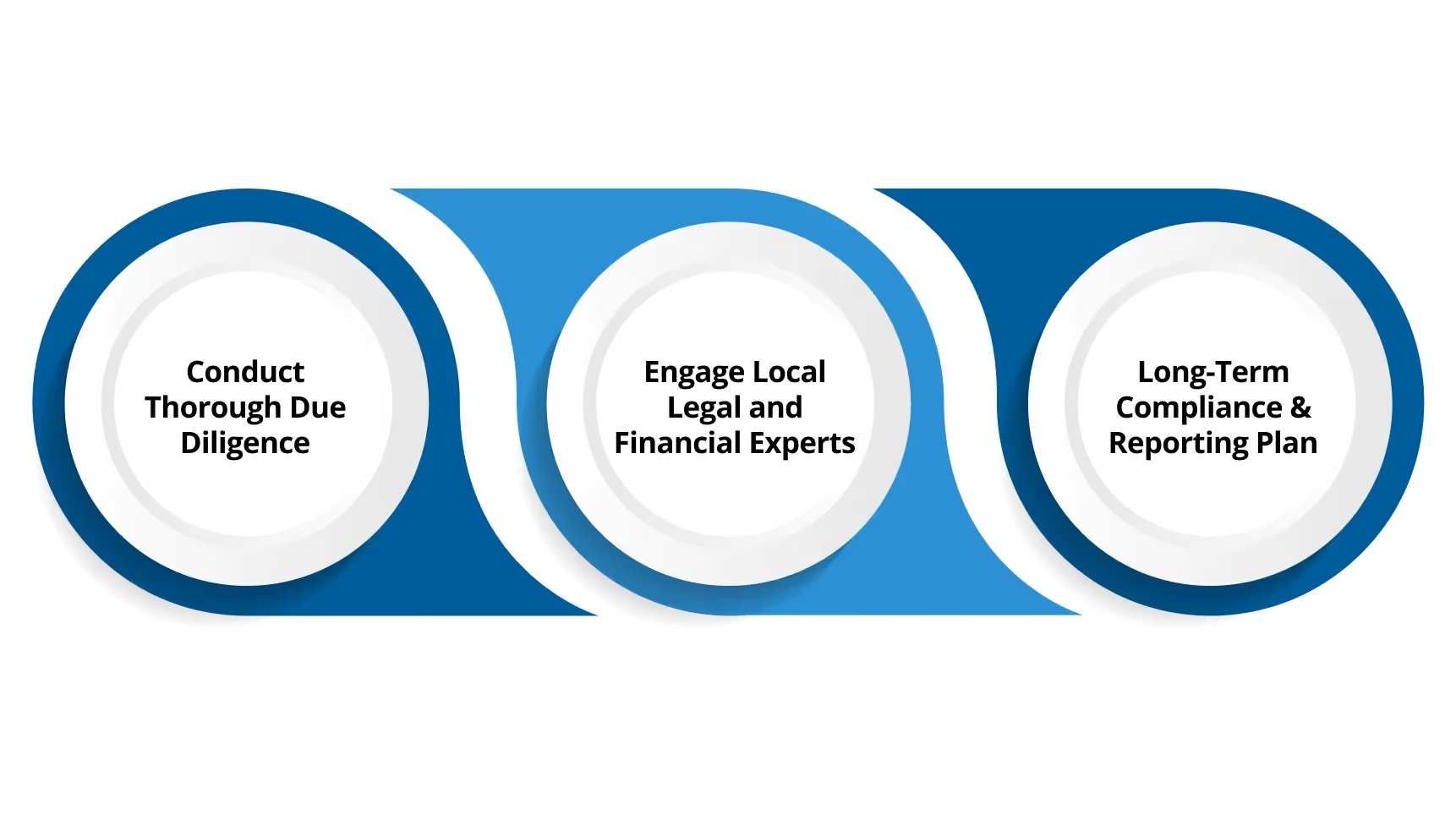
Establishing your business in India requires strategic planning to ensure long-term success and compliance. By following best practices, you can avoid common pitfalls, streamline the process, and set a solid foundation for your business. Here are the key practices every U.S. entrepreneur should consider.
Before you even begin the company registration process, it's essential to conduct thorough due diligence on all aspects of your business operations in India. This means not only understanding the market but also evaluating competitors, identifying potential partners, and ensuring regulatory compliance.
Conduct detailed research into the Indian market, including consumer behavior, industry trends, and growth projections. Understanding the demand for your product or service in various regions will help you tailor your strategy and avoid costly mistakes.
Identify local competitors and their strengths and weaknesses. This will allow you to position your offering more effectively and differentiate your business in the market.
Evaluate potential local partners who can help you navigate the Indian market, such as distributors, suppliers, and agents. Building strong partnerships with reliable local businesses can give you a competitive edge.
Understand the various legal requirements and potential challenges specific to your industry in India. For instance, certain sectors might require specialized licenses, and some regions may have local compliance laws.
India’s legal and financial landscape is different from that of the U.S., and having local experts on your team is vital to ensure compliance and avoid legal pitfalls.
Work with local legal experts who are well-versed in Indian laws, including corporate law, tax law, labor law, and industry-specific regulations. They will ensure that your business is structured correctly, contracts are legally binding, and intellectual property is protected.
Collaborate with financial professionals who understand the Indian taxation system, currency regulations, and cross-border transactions. This ensures that your business remains tax-compliant and that you're taking advantage of available tax incentives or exemptions for foreign businesses.
Legal and financial experts can help you navigate government procedures such as obtaining licenses, permits, and registrations. They will also help with liaising with regulatory bodies like the Ministry of Corporate Affairs (MCA) and the Reserve Bank of India (RBI).
Business registration is just the beginning. Ensuring ongoing compliance and effective reporting systems are crucial for long-term success. India has strict regulations related to tax filing, employee benefits, and environmental standards. Planning for compliance will help you avoid penalties and keep your business operations running smoothly.
India’s Goods and Services Tax (GST) system requires businesses to file regular returns. Additionally, businesses need to comply with other taxes, such as corporate tax, payroll taxes, and VAT, depending on the business type and size. Failure to comply with these regulations can result in fines or forced closures.
Ensure that your business complies with India’s labor laws, including wages, provident fund contributions, and employee insurance. These regulations are subject to change, and not adhering to them can lead to legal consequences.
For businesses involved in manufacturing, energy, or other resource-intensive industries, adhering to environmental laws and regulations is essential. Non-compliance can result in heavy fines or even the suspension of operations.
Indian companies must file annual reports and undergo audits, depending on their size and structure. Staying on top of these reporting requirements is essential to avoid penalties or loss of operating licenses
Also read: How to Register a Trademark in India: Step-By-Step Guide
Expanding into a new market like India requires more than just registering a company. It demands a strategic approach that considers local regulations, market dynamics, and long-term compliance.
At VJM Global, we specialize in providing U.S. businesses with comprehensive support throughout the entire registration and operational setup process in India. Here’s how we help:
Choosing the right business structure is essential for successful market entry. We help U.S. entrepreneurs assess their goals and recommend the most suitable structure, whether it is a Private Limited Company, Branch Office, or Liaison Office. Our team ensures that the registration process complies with Indian legal requirements, facilitating a smooth and swift approval.
We help businesses conduct in-depth research to understand local competition, consumer behavior, and industry-specific trends before entering into the Indian market. Our insights ensure that your entry strategy is informed, helping you avoid the pitfalls of inaccurate market assumptions and positioning your business for success.
With extensive experience in handling company registrations, VJM Global ensures that all documentation is completed accurately and submitted on time. From obtaining the necessary director identification numbers (DIN) to ensuring your proof of address is in order, we handle all aspects of the paperwork to minimize delays and prevent rejections.
インドでは州レベルのコンプライアンス要件が大きく異なる場合があり、その微妙な違いを理解することが成功の鍵となります。当社は、GST登録、労働法、業界固有の許認可など、貴社のビジネスが地域および国レベルの規制を確実に遵守できるよう、州ごとの要件の把握と対応をサポートします。
インドで事業を開始するには、複数のライセンスや承認が必要です。当社は、外国直接投資(FDI)の承認、GST登録、業界固有の許認可など、不可欠なライセンスの取得をガイドし、最初からすべての必要な規制を遵守できるよう支援します。
ビジネスの登録は始まりに過ぎません。VJM Globalは、貴社がインドの規制を継続的に遵守できるようサポートを提供します。税務申告、監査、労働法遵守のための効率的なシステム構築を支援するため、法規制上の複雑な問題に煩わされることなく、ビジネスの成長に専念していただけます。
あわせて読みたい:インドでのソフトウェア会社設立
インドでのビジネス登録を成功させることは、世界最大級かつ最もダイナミックな市場への進出を目指す米国の起業家にとって重要なステップです。しかし、そのプロセスには課題も伴います。不十分な市場調査、誤った事業形態の選択、州ごとのコンプライアンス要件の見落としといった一般的な落とし穴を理解し回避することで、事業の強固な基盤を築くことができます。
円滑な登録と長期的な成功を確実にするためには、徹底したデューデリジェンスを行い、現地の法律・財務専門家を起用し、継続的なコンプライアンスと報告体制を計画することが不可欠です。これらのベストプラクティスを実践することは、潜在的なトラブルからビジネスを守るだけでなく、インドでの持続可能な成長に向けた足がかりとなります。
VJM Globalでは、米国企業がインドで事業を立ち上げる際の複雑なプロセスをナビゲートすることに特化しており、市場調査から継続的なコンプライアンスまで、専門的なアドバイスと包括的なサポートを提供しています。
インドへの事業拡大を検討されており、会社設立やコンプライアンスに関する専門的なガイダンスが必要な場合は、今すぐVJM Globalにご連絡ください。当社のチームが手続きを簡素化し、インド市場での成功に向けた基盤作りをサポートします。
米国企業は、外国直接投資(FDI)の承認、GST登録、および場合によっては店舗・事業所法に基づくライセンス(Shops and Establishment License)や輸出入コード(IEC)など、業界固有の許認可を取得する必要があります。これらのライセンスは、インドの法律を遵守し、円滑な事業運営を行うために不可欠です。
インドでビジネスを登録することで、多様な消費者層を抱える急成長市場へのアクセスが可能になり、欧米市場と比較して低い運営コストで事業を展開できるほか、長期的な成長機会が得られます。また、インドの進化する規制環境は、外国投資家に対してさまざまなビジネス上のインセンティブを提供しています。
インドの規制枠組みは州によって異なります。現地の法律を無視すると、罰金、許認可取得の遅延、さらには事業活動の停止につながる可能性があります。各州には独自の税制、労働法、環境規制があり、事業を成功させるためにはこれらを遵守しなければなりません。
インドでのビジネス登録にかかる期間は、事業形態や書類の不備の有無によって異なります。非公開有限責任会社(Private Limited Company)の場合、平均して15日から30日程度かかります。ただし、書類に不備がある場合や追加の承認が必要な場合は、遅延が発生する可能性があります。現地の専門家を起用することで、手続きを迅速化できる場合があります。

.avif)


