Starting a clothing brand today is no longer limited by borders. With India’s booming fashion market, rising middle-class consumers, and growing demand for global styles, entrepreneurs in the U.S. are increasingly eyeing India as the next big destination to launch their brands.
But success in this space requires smart planning, a clear understanding of the Indian fashion industry, and the right execution strategy.
In this step-by-step guide, we’ll break down everything you need to know about how to start a clothing brand in India from the U.S.
At a glance:
Starting a clothing brand in India from the U.S. requires thorough market research, as fashion preferences vary widely across regions and demographics.
Strong design skills and an authentic brand identity are essential to stand out in a crowded and competitive market.
Defining your niche and target audience makes marketing more effective and builds stronger customer connections.
A detailed business plan, reliable supply chain, and clear legal compliance are the backbone of sustainable growth.
Success depends on balancing global appeal with local adaptation, ensuring your brand resonates with Indian consumers while staying true to its core identity.
Step-by-Step Process to Start a Clothing Brand in India from the US
Launching a clothing brand in India from the US may sound overwhelming, but breaking it down into clear steps makes the process manageable. Here’s a quick guide to help you move from idea to execution with confidence.
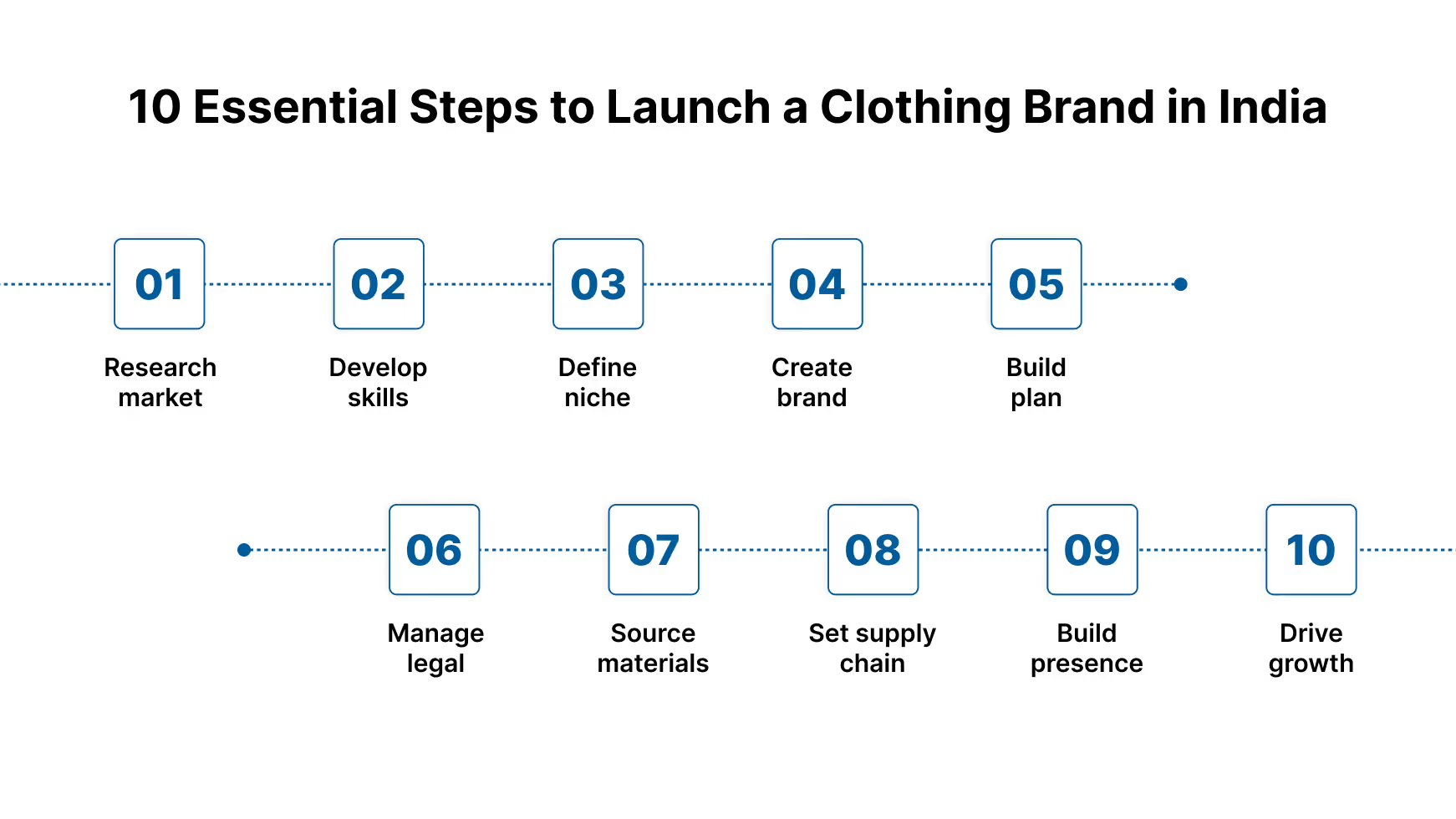
Step 1: Research the Indian Fashion Market
Launching a clothing brand in India starts with a deep understanding of the market. Consumer tastes differ widely across regions, and buying behavior is shaped by lifestyle, culture, and spending power. Market research helps you identify where your brand fits and how to stand out.
Here’s what to focus on:
Track fashion trends: Study how urban and rural audiences spend on clothing, and note shifts toward fast fashion, premium wear, or sustainable options.
Study competitors: Review both local and global players to see what’s working, what’s missing, and how they position themselves.
Identify entry points: Decide if your brand will enter through luxury fashion, affordable everyday wear, eco-conscious collections, or niche categories like streetwear.
Solid market research not only shows you the gaps but also helps you build a clear entry strategy, so your brand resonates with the right audience from the very beginning.
Step 2: Develop Your Fashion Design Skills
Strong design skills are at the heart of a successful clothing brand. Your ability to create original, market-ready designs is what sets you apart from competitors and builds lasting recognition. Design is all about merging creativity with what customers actually want.
Focus on these areas:
Master design fundamentals: Proficiency in design tools and techniques ensures your brand maintains a professional edge.
Stay updated with trends: Track emerging styles in both the U.S. and Indian markets to stay relevant.
Build networks: Connect with designers, stylists, and suppliers who can provide insights and collaborations.
Understand consumer demands: Adapt your designs to reflect Indian buyers’ cultural and lifestyle preferences.
Establish credibility: Showcase your work at global and local platforms to strengthen your brand’s reputation.
When your designs align with both creativity and customer expectations, you create a foundation for brand loyalty and market differentiation.
Step 3: Identify Your Target Audience and Niche
No clothing brand succeeds by trying to serve everyone. To make an impact, you need to define exactly who your customers are and tailor your offerings to their lifestyle and preferences. A clear niche not only improves brand recall but also makes marketing more effective.
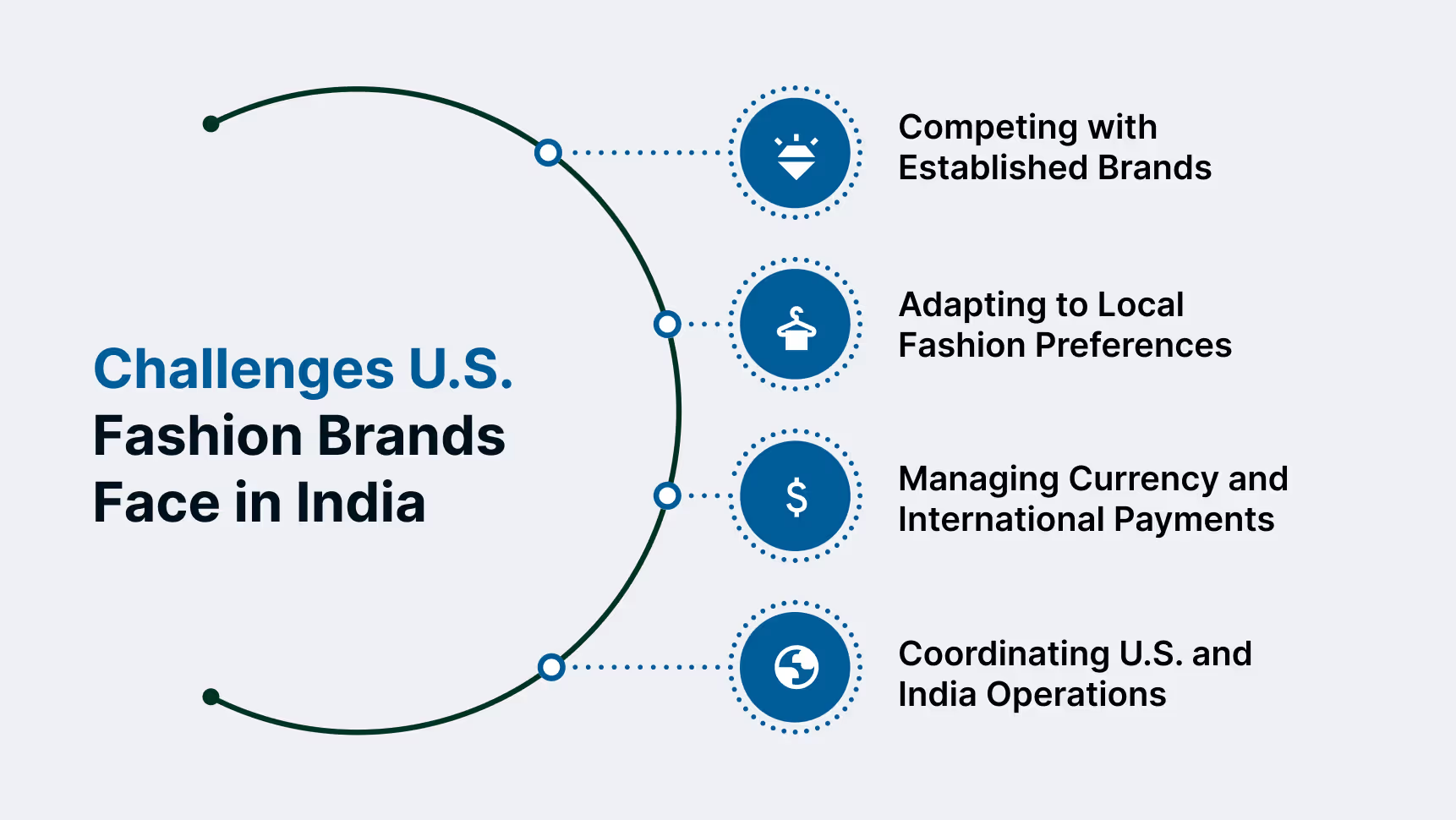
1. Competing with Established Indian and Global Brands
The Indian fashion landscape is already crowded with legacy players like FabIndia and fast-fashion giants like Zara and H&M. Standing out requires more than just launching another collection.
How to overcome it:
Instead of trying to beat incumbents on price, double down on brand differentiation.
Highlight your U.S. design edge, ethical sourcing, or niche focus, such as premium streetwear or eco-conscious apparel.
Launch with capsule collections to test traction and build exclusivity rather than going broad immediately.
2. Adapting to Cultural Differences in Fashion Choices
What sells in New York may not resonate in Mumbai or Delhi. Bold Western cuts may find buyers in metro cities, but may flop in Tier-2 markets where modest or fusion wear performs better.
How to overcome it:
Invest in hyper-local research. Use Instagram listening, Myntra trend reports, or small pop-up launches to test what works regionally.
Consider hybrid lines such as Indo-Western fusion pieces to bridge global appeal with Indian taste.
Collaborating with local designers can also bring authenticity to your collections.
Cut costs and streamline operations with trusted offshore expertise.
3. Managing Currency Exchange and International Payments
Import costs, exchange fluctuations, and payment delays can erode profitability quickly. Even a 2–3% swing in USD to INR rates can make or break margins in a price-sensitive market like India.
How to overcome it:
Use multi-currency accounts like Wise or Payoneer to reduce conversion fees.
Hedge major transactions when rates are favorable.
Consider billing Indian partners in INR through local entities to simplify compliance and protect against unexpected losses.
Scaling in two different geographies means twice the complexity in supply chains, time zones, and team management. Many U.S. founders struggle to stay hands-on in India while running their home market.
How to overcome it:
Build strong local leadership early on. Appoint an India-based GM or operations head who understands the cultural and regulatory landscape.
Standardize processes using cloud-based systems such as ERP, inventory, and project management tools to ensure visibility across borders.
Keep HQ focused on brand building while delegating execution to India teams.
By anticipating these challenges upfront, you avoid common pitfalls that derail foreign entrants. The key is to adapt without losing your core identity: localize where it matters, but stay consistent with your brand promise.
How VJM Global Can Help You Launch Your Clothing Brand in India
Breaking into the Indian fashion market from the U.S. means setting up your business on the right legal and financial footing. This is where VJM Global becomes an essential partner. With offices across India and New York, we specialize in helping international entrepreneurs establish and grow businesses in India.
Our services go beyond basic registration, covering the full spectrum of what a clothing brand founder needs:


%20(3).avif)

.avif)


