%20(3).avif)
Las empresas extranjeras que entran en Singapur a menudo descubren dos regímenes de auditoría distintos que operan en paralelo: uno que regula la rendición de cuentas del sector público y otro que rige a las empresas privadas. Obtener claridad sobre qué marco se aplica a su entidad es una de las primeras cuestiones de cumplimiento que debe resolver.
La Ley de Auditoría de 1966 regula la rendición de cuentas del sector público a través de la Oficina del Auditor General (AGO), cubriendo a las agencias gubernamentales y entidades que administran fondos públicos. La Ley de Sociedades, Capítulo 50 gestiona los requisitos de auditoría legal para las empresas privadas, regulados por la Autoridad Reguladora de Contabilidad y Sociedades (ACRA).
Ambos marcos conforman el entorno de cumplimiento de Singapur. Las empresas extranjeras que entran en el mercado pueden interactuar con cualquiera de los dos sistemas dependiendo de su estructura y fuentes de financiación.
Singapur mantiene pilares legales separados para la regulación de auditorías. La Ley de Auditoría de 1966 (Edición revisada de 2020, en vigor desde el 31 de diciembre de 2021) establece la base legal para las auditorías del sector público. La Ley de Sociedades de 1967 (Capítulo 50) regula las auditorías legales para sociedades privadas.
Las empresas extranjeras que establecen entidades en Singapur interactúan principalmente con los requisitos de la Ley de Sociedades. Sin embargo, la Ley de Auditoría se aplica directamente a las organizaciones que:
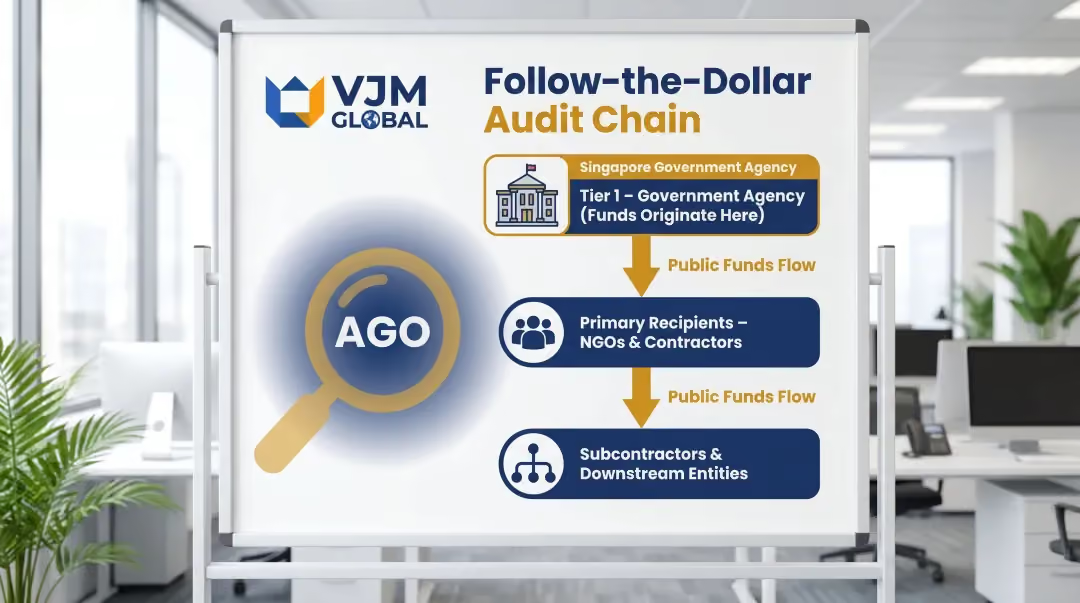
Aquí es donde el mecanismo de auditoría "follow-the-dollar" cobra importancia. Introducido mediante una enmienda de 2017, permite al Auditor General rastrear los fondos públicos desde las agencias gubernamentales hasta los contratistas privados y las ONG.
Como respaldo a este marco, la Ley del Sector Público (Gobernanza) de 2018 extiende las obligaciones de auditoría a las juntas estatutarias mediante las disposiciones de la Parte 5, que abarcan la administración financiera, el nombramiento de auditores y los requisitos de presentación de informes para los organismos públicos de los Grupos 1, 2 y 3.
La Ley de Auditoría de 1966 consolida la rendición de cuentas del sector público ante el Parlamento y el Presidente. Faculta al Auditor General para auditar las cuentas gubernamentales, las autoridades públicas y cualquier entidad que administre fondos públicos, garantizando así una gestión adecuada del dinero de los contribuyentes.
La sección 2(1) define los dos términos que determinan el alcance de la auditoría:
Esta amplia definición incluye a entidades privadas. Una empresa privada que gestione un programa de subvenciones gubernamentales, o una ONG que reciba subsidios públicos, puede entrar dentro del perímetro de auditoría de la AGO.
Sección 3 define los deberes fundamentales del AG:
Sección 6 otorga al AG amplias facultades de investigación:
El incumplimiento o la obstrucción conlleva sanciones de hasta una multa de 5.000 S$ o 12 meses de prisión, o ambas.
Sección 6A (introducida en 2017) ofrece protección procesal: las personas no pueden negarse a proporcionar información alegando autoincriminación. Sin embargo, la Ley otorga "inmunidad de uso", lo que significa que la información proporcionada generalmente no es admisible contra dicha persona en procedimientos posteriores. La excepción se aplica a los delitos de información falsa.
La enmienda de 2017 introdujo la Sección 4A, que permite a la AGO rastrear los fondos públicos más allá de los receptores gubernamentales inmediatos hasta llegar a terceros.
Características principales:
Implicaciones de cumplimiento para proveedores y beneficiarios de subvenciones:
Las organizaciones que reciben financiación pública deben mantener controles financieros sólidos y una documentación exhaustiva. El Auditor General puede solicitar registros que demuestren que los fondos se utilizaron de acuerdo con las condiciones de la subvención o los términos del contrato.
Las empresas extranjeras nuevas en los acuerdos público-privados de Singapur deben prestar especial atención a estos requisitos, ya que las lagunas en la documentación son un motivo común de auditoría para las entidades que no están familiarizadas con el marco normativo.

Las principales obligaciones de información en virtud de la Ley incluyen:
Estos informes conllevan consecuencias reales: las conclusiones pueden desencadenar medidas correctivas, investigaciones internas y un daño reputacional significativo para las entidades afectadas.
El informe de la AGO para el ejercicio 2023/24 identificó 25 fallos importantes en entidades del sector público, incluidos problemas de contratación y gestión de contratos en la Junta de Parques Nacionales (NParks) y el Consejo Deportivo de Singapur (SportSG), además de deficiencias en la gestión de ingresos y controles informáticos.
Según la sección 205 de la Ley de Sociedades, todas las empresas privadas constituidas en Singapur deben nombrar al menos un auditor (ya sea un contador público o una firma contable registrada en ACRA)dentro de los tres meses siguientes a su constitución. El auditor permanece en el cargo hasta la primera Junta General Anual (AGM), tras lo cual la empresa puede volver a nombrarlo o cambiar de auditor.
La sección 207 define el papel del auditor:
Sección 205(16) establece los procedimientos para fijar honorarios:
Las empresas deben seguir procedimientos específicos dependiendo de si un auditor renuncia o es destituido:
El incumplimiento conlleva sanciones económicas:
Las entidades de propiedad extranjera están sujetas al mismo plazo de tres meses para el nombramiento de un auditor que las empresas constituidas localmente, independientemente de dónde tenga su sede la empresa matriz. Este plazo suele entrar en conflicto con los calendarios fiscales de la matriz o con los retrasos en los plazos de registro ante la ACRA, lo que genera brechas de cumplimiento incluso antes de que hayan comenzado las operaciones.
Para las multinacionales que gestionan entidades en distintas jurisdicciones, las consideraciones prácticas clave incluyen:
La sección 205C define los criterios de calificación:
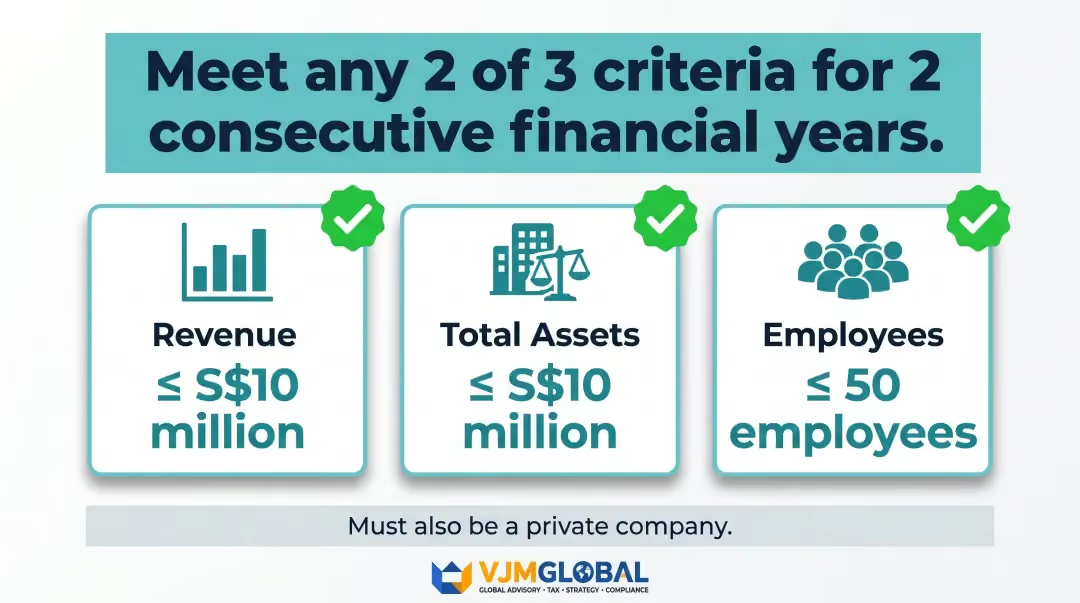
Una empresa privada califica como "pequeña" si cumple al menos dos de los tres criterios durante los dos últimos ejercicios financieros consecutivos:
La entidad debe ser una empresa privada Y cumplir con dos de los tres umbrales financieros durante dos años consecutivos. Ambas condiciones deben cumplirse simultáneamente.
Para las empresas que forman parte de un grupo corporativo, la calificación requiere cumplir dos pruebas:
Cumplir únicamente con el umbral de pequeña empresa no es suficiente si el grupo en su conjunto supera los límites. La prueba de grupo consolidado se dirige específicamente a las filiales extranjeras de grupos multinacionales más grandes que, de otro modo, podrían parecer cumplir los requisitos basándose únicamente en sus operaciones en Singapur.
La sección 205B exime a las empresas inactivas (aquellas sin transacciones contables desde su constitución o desde el cierre del ejercicio financiero anterior).
Transacciones que no se consideran para determinar la inactividad:
Cualquier transacción financiera activa fuera de estas excepciones revoca el estado de inactividad de inmediato, aunque la exención continúa durante el ejercicio financiero en el que la empresa se mantuvo inactiva en su totalidad.
Estas normas se aplican a los tres tipos de exención: pequeña empresa, grupo pequeño e inactiva. Las empresas pierden su estatus de exención cuando:
Perder el estatus de exención no elimina todas las obligaciones de cumplimiento. Incluso las empresas exentas deben:
Los estados financieros no auditados siguen siendo esenciales para las declaraciones de impuestos, las solicitudes de cuentas bancarias y la elegibilidad para subvenciones gubernamentales. Las instituciones financieras y las agencias gubernamentales requieren estados financieros recientes independientemente del estatus de exención de auditoría .
La Autoridad Reguladora de Contabilidad y Empresas actúa como el principal regulador de auditorías de empresas privadas. Sus funciones clave incluyen:
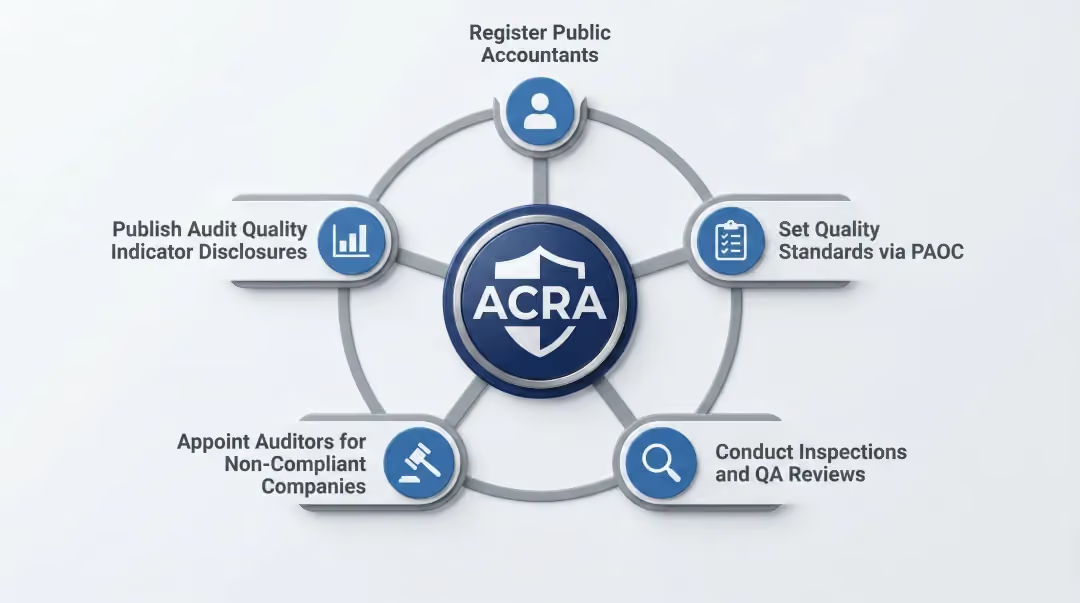
ACRA colabora con el Instituto de Contadores Públicos de Singapur (ISCA) y la Comisión de Contabilidad de Singapur (SAC) para hacer cumplir las normas profesionales.
El Comité de Normas de Auditoría y Aseguramiento del ISCA desarrolla las SSA siguiendo un proceso formal. Las normas requieren la aprobación del Consejo del ISCA antes de ser enviadas al PAOC para su conformidad.
Alineación de las SSA con las ISA: Las Normas de Auditoría de Singapur están "basadas en" las Normas Internacionales de Auditoría (ISA) y se mantienen en consonancia con las ISA vigentes, con solo modificaciones limitadas por requisitos legales locales. Esta alineación garantiza que las auditorías en Singapur cumplan con los estándares de credibilidad globales, lo cual es especialmente importante para las empresas multinacionales que comparan el entorno de auditoría de Singapur con las normas de sus países de origen.
Las SSA cubren:
En cuanto a las normas contables, el Comité de Normas Contables bajo la ACRA gestiona las Normas de Información Financiera de Singapur (SFRS) desde el 1 de abril de 2023, tras tomar el relevo del disuelto Consejo de Normas Contables.
El Auditor General goza de una independencia estructural que protege la integridad de la auditoría:
Auditor General actual: El Sr. Ng Wai Choong, nombrado el 8 de febrero de 2025, aporta 35 años de experiencia en el sector público, incluyendo cargos anteriores como Comisionado de Ingresos Internos y Director Ejecutivo de IRAS. Sustituyó a la Sra. Goh Soon Poh, quien completó aproximadamente 6 años de servicio.
No existe una "Ley de Auditoría de 2019" en Singapur. La legislación correcta es la Ley de Auditoría de 1966, cuya versión operativa actual es la Edición Revisada de 2020 (en vigor desde el 31 de diciembre de 2021). Esta edición incorpora todas las enmiendas hasta el 1 de diciembre de 2021, incluida la importante enmienda de 2017 que introdujo las disposiciones de auditoría de seguimiento de fondos.
El actual Auditor General es el Sr. Ng Wai Choong, nombrado por el Presidente el 8 de febrero de 2025. Según la Ley de Auditoría de 1966, el Auditor General audita las cuentas gubernamentales, las autoridades públicas y las entidades que administran fondos públicos. El Auditor General rinde cuentas directamente al Presidente y al Parlamento para garantizar la rendición de cuentas pública.
Tres categorías califican para la exención de auditoría:
Todas las empresas exentas deben seguir preparando estados financieros no auditados y cumplir con otras obligaciones de cumplimiento.
Introducida bajo la Sección 4A de la Ley de Auditoría de 1966 (enmienda de 2017), una auditoría de seguimiento del dinero permite al Auditor General rastrear los fondos públicos desde las agencias gubernamentales hasta los receptores finales, incluyendo ONG, contratistas y subcontratistas. Solo puede iniciarse cuando el Ministro de Finanzas determina que es de interés público y ordena formalmente al Auditor General que proceda.
ACRA puede nombrar un auditor en nombre de la empresa. El incumplimiento de la Sección 205 conlleva una multa que no excederá los 5.000 S$ para la empresa y cada director responsable. Las empresas también deben notificar al Registrador dentro de los 14 días siguientes a cualquier nombramiento o cambio de auditor según la Sección 173A.
Las SSA son directrices profesionales emitidas por el Comité de Normas de Auditoría y Aseguramiento del ISCA (con la conformidad del PAOC) que regulan cómo deben realizarse las auditorías en Singapur. Se alinean estrechamente con las Normas Internacionales de Auditoría (ISA), con modificaciones locales limitadas, para que las auditorías en Singapur cumplan con los estándares de credibilidad globales y sigan siendo comparables a nivel internacional.