

For U.S. businesses and investors, foreign asset disclosure is a crucial component of tax compliance, yet it remains one of the most commonly overlooked areas. With the IRS increasingly focusing on FATCA and Form 8938, failing to disclose foreign assets can lead to significant penalties and legal complications.
Understanding these regulations is essential to safeguarding your financial and business interests.
This blog will walk you through everything you need to know about IRS foreign asset disclosure, including the intricacies of FATCA and the specific reporting requirements for assets held. Let’s get started.
A foreign financial asset refers to any financial asset held or maintained outside of the United States. These assets are key for accurate tax reporting and include various forms, such as:
The IRS requires U.S. taxpayers, including citizens, green card holders, residents, and business entities, to disclose foreign financial assets if they exceed the reporting thresholds. Form 8938 (Statement of Specified Foreign Financial Assets) helps track foreign financial assets and ensure compliance with tax obligations.
Also Read: IRS Wage Garnishment: How to Prevent and Fix It
Now that we understand what constitutes a foreign financial asset, let’s look at why reporting these assets is so important.
The IRS has significantly increased its efforts to identify unreported offshore assets due to concerns over tax evasion and money laundering. As part of this, FATCA and global tax treaties now require foreign banks to report U.S. account holders to the IRS.
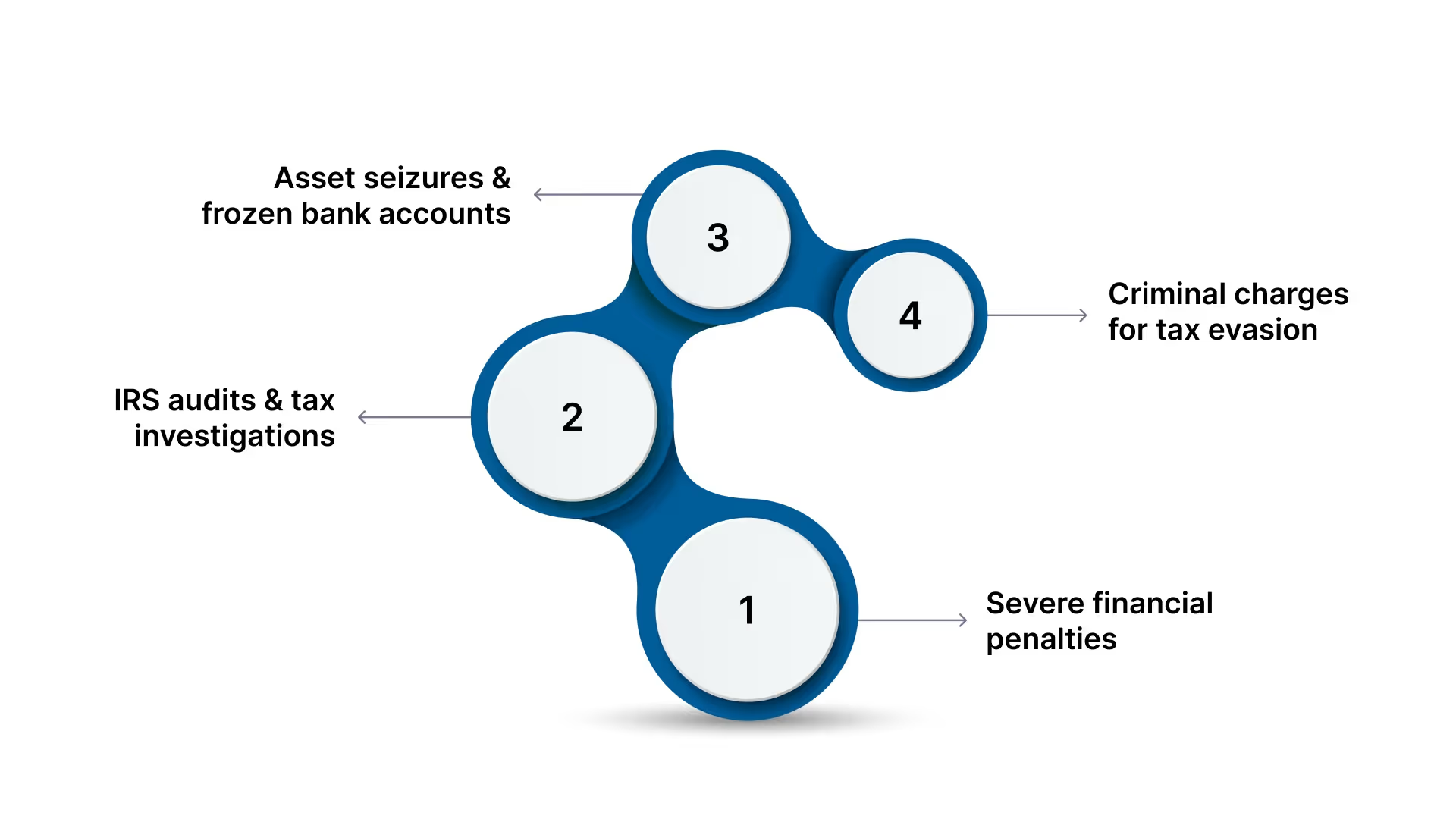
Failing to disclose foreign assets, such as bank accounts, real estate, or investments, can lead to serious consequences:
Staying compliant with foreign asset reporting requirements is essential to avoid these risks and prevent unwanted IRS scrutiny.
With the stakes clear, it’s essential to understand how IRS Form 8938 plays a key role in this process.
IRS Form 8938 is a critical tool in the U.S. government’s effort to curb tax evasion through foreign financial assets. While similar to the FBAR (FinCEN Form 114), Form 8938 has distinct reporting requirements and thresholds.
This form, part of the Foreign Account Tax Compliance Act (FATCA), ensures U.S. taxpayers disclose their foreign financial holdings to the IRS.
IRSが定める報告基準額を超える外国金融資産を保有する特定の個人または特定の国内事業体は、フォーム8938(Form 8938)を提出しなければなりません。
IRSは、申告ステータスと居住地に基づき、具体的な報告基準額を定めています。これらの基準額は、フォーム8938の提出が必要となる条件を決定するものです。
IRSフォーム8938を正確に報告することは、米国の税法を遵守し、外国金融資産に関する透明性を確保するために不可欠です。
米国納税者はフォーム8938に加え、信託、事業持分、外国法人の所有権といった外国資産を報告するために、追加のフォーム提出を求められる場合があります。
こうした追加の報告要件を常に把握しておくことは、米国の税法を完全に遵守し、外国資産の保有に関連する問題を回避する助けとなります。
関連記事:IRSの初回ペナルティ免除:米国企業のための重要な洞察と戦略
次に、この要件が免除される可能性がある状況について見ていきましょう。
外国金融資産を持つ多くの米国納税者にはフォーム8938の提出義務がありますが、考慮すべき重要な免除規定がいくつか存在します。
ただし、フォーム8938の提出が免除される場合でも、FBAR(FinCENフォーム114)など、外国金融資産を報告するための他のフォームが必要となる可能性があります。
混乱を避けるため、フォーム8938とFBARの提出における主な違いを比較してみましょう。
多くの納税者がフォーム8938とFBARを混同しています。どちらも外国金融資産に関するものですが、ルール、基準額、提出プロセスは異なります。
フォーム8938は、より広範な外国資産を対象とし、年次確定申告の一部としてより詳細な報告が求められます。一方、FBARは外国口座のみを対象としており、独自の提出プロセスがあり、確定申告が不要な場合でも適用されます。
注意:両方の基準を満たす納税者は、両方のフォームを提出し、同じ口座が一貫して報告されていることを確認する必要があります。
提出すべきフォームを把握したところで、外国資産を正しく報告するための手順を解説します。
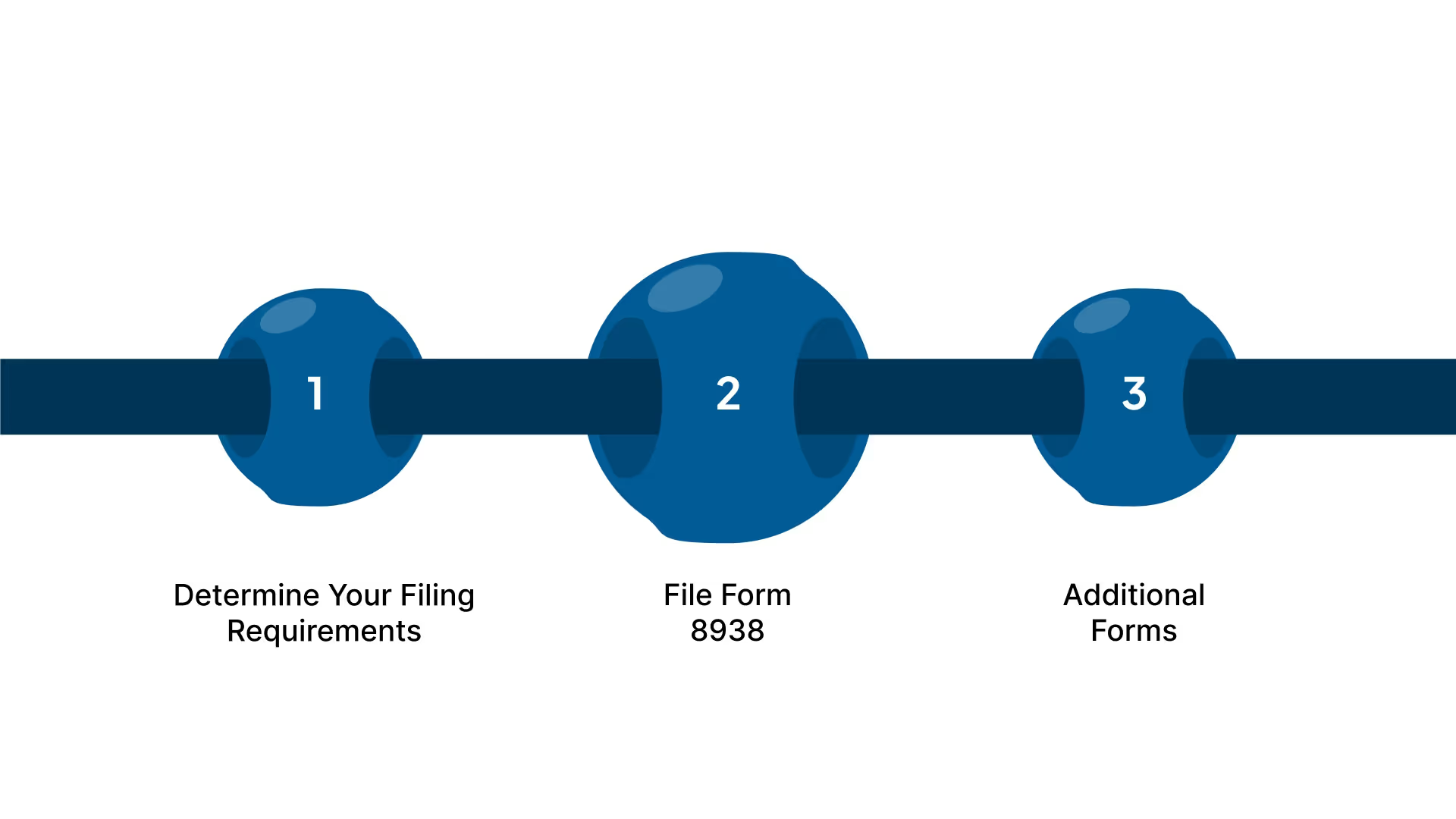
Reporting foreign assets is a critical step in ensuring compliance with U.S. tax and financial disclosure regulations. Here’s a streamlined guide for U.S. taxpayers on how to report foreign financial assets:
Not all U.S. taxpayers must report foreign assets. If the combined value of your foreign financial accounts exceeds $10,000 at any point during the year, you must file FinCEN Form 114, the Report of Foreign Bank and Financial Accounts (FBAR). This is filed electronically with FinCEN, not the IRS.
If your foreign assets meet specific thresholds, you must file Form 8938, the Statement of Specified Foreign Financial Assets, with your tax return (usually Form 1040). This provides more details on your foreign financial assets.
Any income earned from your foreign assets, such as interest, dividends, or rental income, must also be reported on your U.S. tax return.
Depending on your situation, other forms may be required. For instance, Form 5471 is needed for foreign corporations, while Form 3520 or 3520-A may be required for foreign trusts. It's essential to keep accurate records of all your foreign assets and transactions. This will support your filing in case of an audit.
Taxpayers living abroad typically use Form 1040, but may need additional forms such as Form 2555 (Foreign Earned Income Exclusion) or Form 1116 (Foreign Tax Credit). Always refer to the latest IRS guidelines to ensure compliance.
Also Read: Outsourced Tax Services to India: A Guide for US Companies
You’ll need records of your foreign accounts, investments, and other assets, including the maximum value of each asset during the year.
For foreign accounts, use the highest value during the year. For other assets, use their fair market value at year-end, converting values to U.S. dollars at the year’s closing exchange rate.
Foreign real estate is not typically reported unless it's held through an entity or generates income, such as rental income. Review IRS guidelines for specific real estate reporting rules.
FATCA requires U.S. taxpayers to disclose their foreign assets and mandates that foreign financial institutions report U.S. account holders to the IRS. This law helps the IRS detect and prevent tax evasion related to foreign accounts.
If you hold foreign assets, FATCA may impose additional reporting obligations on both you and the foreign financial institutions holding your assets. Accountants assisting clients with foreign assets should be familiar with FATCA’s implications, ensuring that all assets are properly reported and that clients are aware of their obligations.
Missing a foreign asset disclosure deadline or making errors can lead to costly penalties. VJM Global specializes in helping U.S. businesses and investors manage the complexities of FBAR, Form 8938, and other foreign asset reporting requirements. With expertise in cross-border tax compliance and audit support, we ensure your disclosures are accurate and timely, keeping your operations fully compliant with IRS regulations. Get started today.
But what happens if you fail to report these assets? Let’s take a look at the penalties for non-compliance.
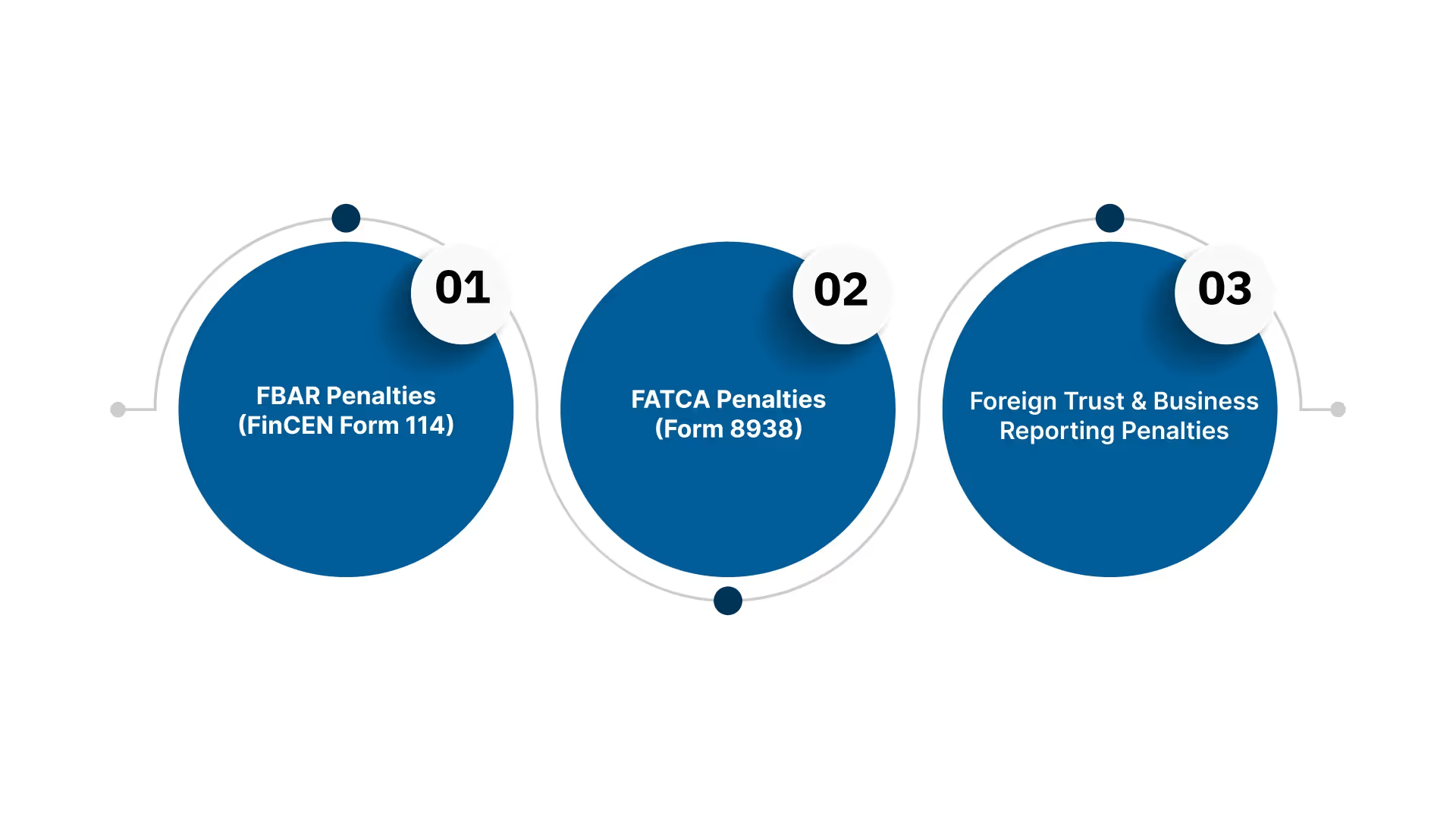
Failure to disclose foreign assets can result in severe financial penalties, civil cases, and criminal charges. Here’s a breakdown of the penalties associated with non-compliance:
Keeping accurate records and filing on time is the best way to ensure compliance and avoid the costly consequences of non-disclosure.
To wrap things up, here are some practical tips to ensure you file IRS Form 8938 correctly and remain compliant.
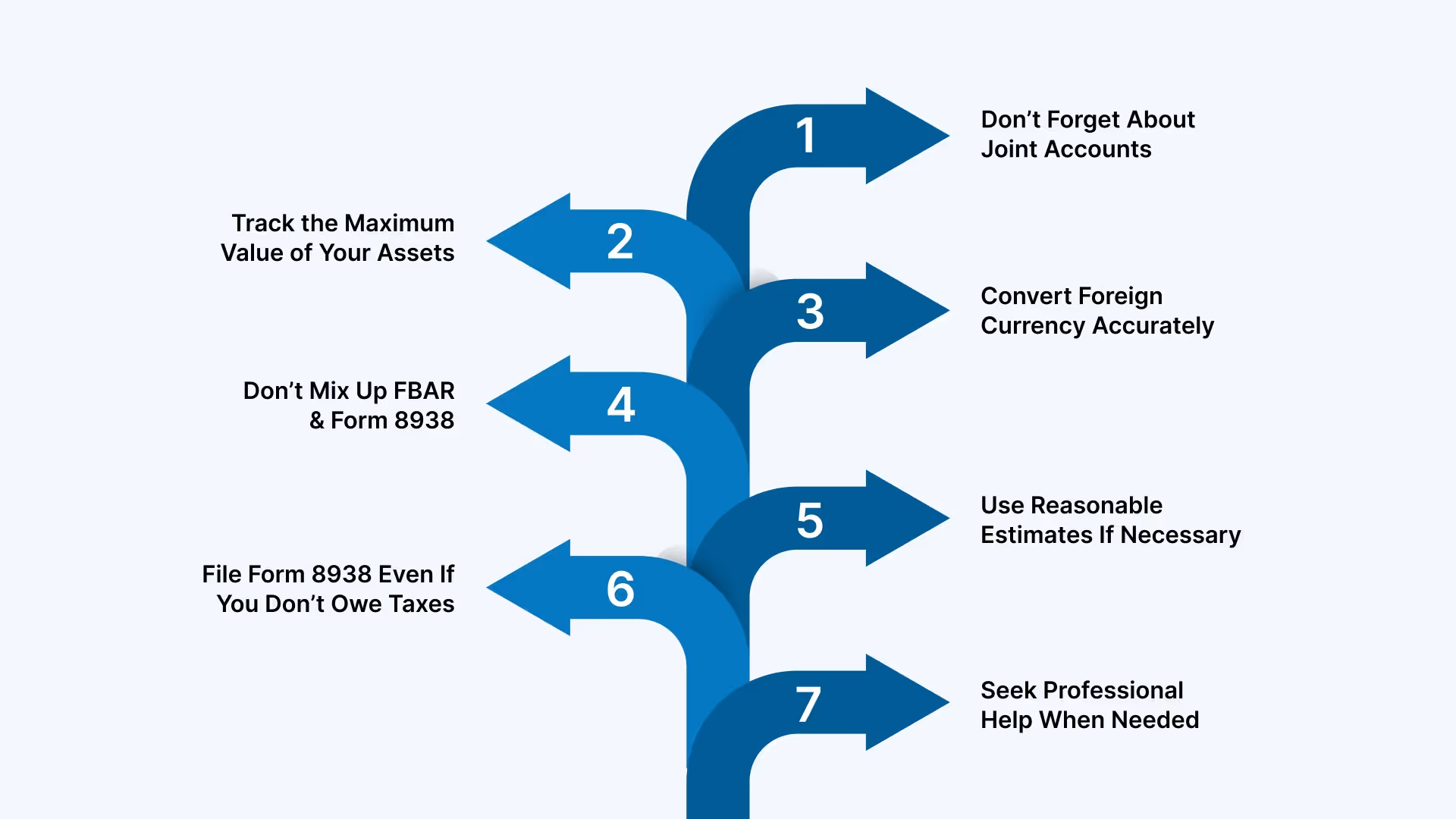
Filing IRS Form 8938 can seem daunting, especially when dealing with foreign financial assets. To help you tackle the process, here are some valuable tips to ensure you stay compliant:
Joint ownership affects how you report assets. If you’re filing jointly with a spouse, report the full value of jointly owned assets once. For joint ownership with individuals who are not your spouse, report the full value of the asset. This rule applies regardless of whether the other joint owner is a business partner, friend, or relative.
You must report the maximum value of your foreign assets during the year, not just their value at year-end. Use account statements to identify the highest value of your foreign assets during the tax year.
When converting foreign assets into U.S. dollars, use the exchange rate on December 31st of the tax year. If you sold or closed an asset before the year-end, still use the exchange rate on December 31st.
Both FBAR (FinCEN Form 114) and Form 8938 require reporting of foreign assets, but their filing requirements differ:
You may need to file both forms, depending on your assets.
If you’re unsure of an asset’s exact value, you can use a reasonable estimate based on available information. For example, use financial statements or publicly available market data to estimate values. Be sure to document how you arrived at your estimate in case the IRS asks for clarification.
You are required to file Form 8938 even if you don’t owe any U.S. taxes. The IRS uses this form to track foreign financial assets, so it must be filed regardless of your tax liability.
Filing Form 8938 can be complicated, especially when dealing with foreign assets. If you’re unsure about any part of the filing process, consult a professional. VJM Global offers U.S.‑trained CPA & CA teams, Form 8938/FBAR cross‑border compliance, and full accounting‑outsourcing support for U.S. companies with Indian operations, so you can stay compliant with ease.
Following these tips simplifies the Form 8938 filing process, ensures you meet IRS requirements, and helps you avoid penalties.
Accurately reporting foreign assets is a regulatory requirement and a crucial step in avoiding significant penalties. The complexity of international tax laws and foreign asset disclosure can be tricky, but ensuring compliance is essential for the long-term financial health of U.S. businesses and investors.
VJM Global’s specialized services ensure your compliance with U.S. tax regulations, including FBAR and Form 8938. Here’s how we can help:
Get in touch with our expert team today to ensure your foreign asset disclosure is handled seamlessly and in full compliance with U.S. tax laws.
FBAR (Foreign Bank and Financial Accounts Report) is required for U.S. taxpayers who have foreign financial accounts exceeding $10,000 in aggregate value at any point during the year. If you meet this threshold, you must file FinCEN Form 114.
Penalties for non-compliance can be severe, including civil fines up to $10,000 per violation for non-willful failures and up to $100,000 or 50% of the account balance for willful violations. Criminal charges may also apply in cases of intentional non-compliance.
Form 8938 is required for U.S. taxpayers with specified foreign assets exceeding certain thresholds. It must be filed with your annual tax return (Form 1040) if your foreign assets meet these thresholds.
VJM Global offers comprehensive support with FBAR, Form 8938, and other foreign asset disclosures. We provide tax preparation, audit support, and international tax advisory services to ensure full compliance with U.S. regulations.

.avif)


