


ホテルの財務管理は、単に帳簿の収支を合わせるだけではありません。日々の複雑な運営業務に伴うあらゆる取引を、適切に処理することが求められます。米国のホテル業界では、2025年までに217万人以上が雇用される見込みです。給与総額が1,284億7,000万ドルを超える中、ホスピタリティ業界における給与計算と財務管理の規模は膨大です。ホテルオーナーやマネージャーにとって、正確でコンプライアンスを遵守した効率的な記帳を行い、円滑な運営を維持することは大きな課題となっています。
本ガイドでは、収益や経費の管理から、税務コンプライアンスの確保、在庫管理の最適化まで、ホテル経理の重要な側面を解説します。それでは、ホテル経理の複雑な業務をシンプルにしていきましょう。
ホテル経理とは、ホテルの財務記録を管理する業務です。客室予約、飲食、その他のサービスから得られるすべての収入を追跡します。また、スタッフの給与、備品、メンテナンス費用などのすべての支出も記録します。
ホテルの成功には、正確な記録の維持、十分なキャッシュフローの確保、そして仕入先への期日通りの支払いが不可欠です。
ホテル経理は、ホテルの複雑な財務運営を管理するために不可欠です。日々の取引から給与計算、コンプライアンスまで、ホテル経理担当者が担う主な業務は以下の通りです。
Also Read: In-House vs Outsourced Accounting: Pros and Cons Analysis
ホテル経理は、ホテルの全体的な効率性と収益性に貢献する幅広い業務をカバーしています。
日々の業務管理も重要ですが、ホテルには財務運営を複雑にする特有の課題も存在します。
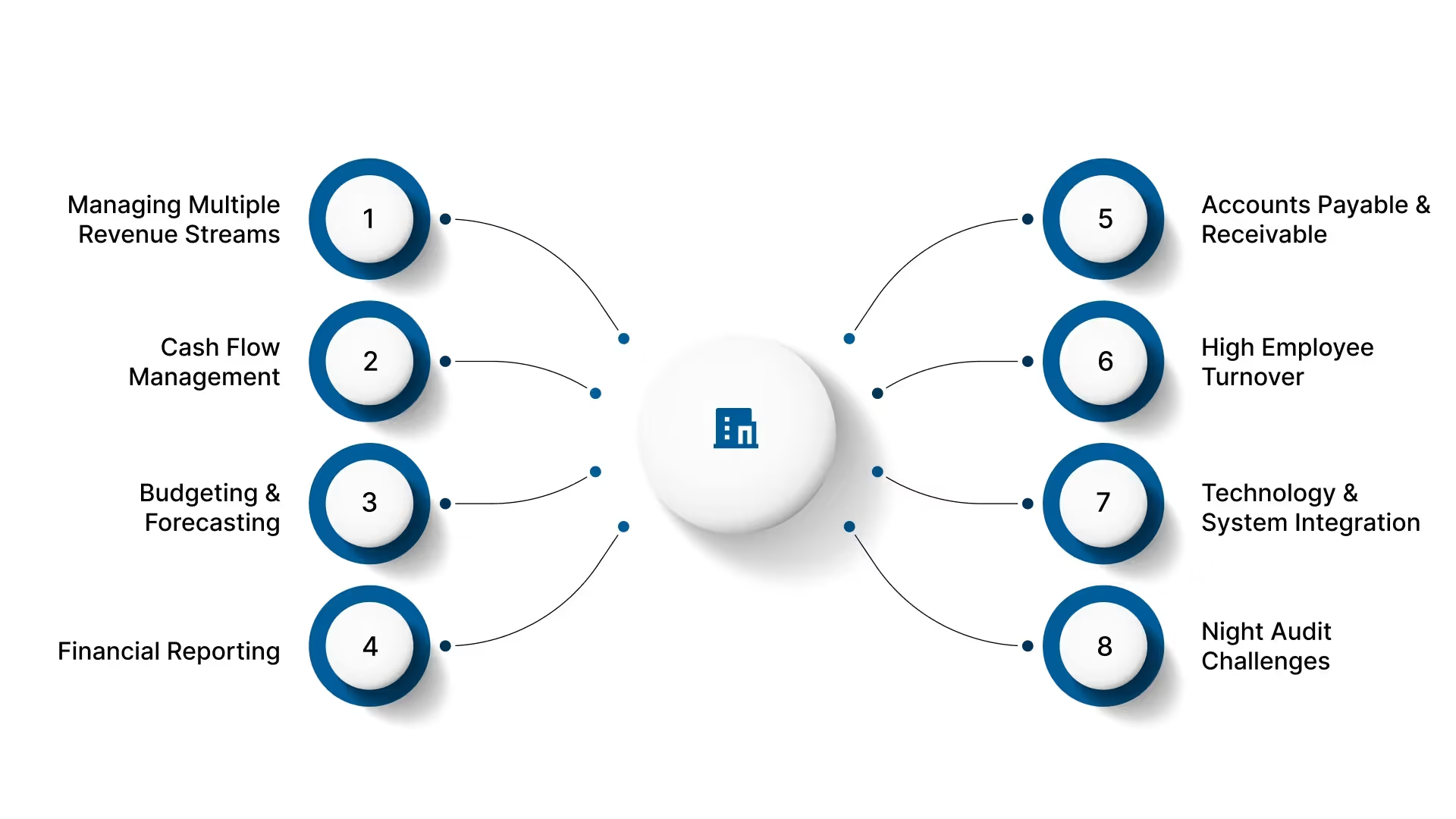
ホテルの財務管理には、標準的な経理業務を超えた特有の課題が伴います。ホテルが直面する主な課題は以下の通りです。
ホテルは、客室料金、レストラン、イベント、クレジットカード決済など、さまざまなソースから収益を得ています。米国のホテルでは、これらの収益源を正確に追跡することが、州や地域の税法の違いや、クレジットカード決済手数料の複雑さによって困難になっています。
複数の収益源と、給与、光熱費、在庫などの継続的な支出があるため、キャッシュフローの管理は極めて重要です。ホテルは、収益性を維持しながらコストをカバーできるよう、収入と支出を慎重に追跡しなければなりません。
ハウスキーピング、飲食、フロント業務など、各部門の正確な予算を作成・管理するには、収益と支出の精密な追跡が必要です。
稼働率の変動、季節的な需要の変化、運営コストの変動により、正確かつ最新の予測を維持することは困難ですが、予算内に収め、収益性を確保するためには不可欠です。
Hotels need accurate, timely financial statements for investors, lenders, and regulators. In the US, this includes complying with IRS regulations (e.g., Form 941, Form 940) and state-specific reporting requirements that vary across jurisdictions. These reports must meet GAAP standards and be delivered on time to avoid IRS penalties.
With numerous vendor invoices, guest payments, and credit card transactions, managing accounts payable and receivable is time-consuming. Errors can cause delays, and reconciling discrepancies can be a complex process.
The hospitality industry experiences significantly higher employee turnover rates compared to most other sectors. This constant influx of new employees results in frequent retraining, which slows down workflow and increases the risk of errors or fraud in financial records.
Hotels often rely on multiple systems for POS, reservations, payroll, and inventory management. The lack of system integration can create inefficiencies, as bookkeepers must manually enter and cross-check data, leading to errors and wasted time.
Night auditors play a critical role in reconciling daily transactions and flipping the date. However, finding qualified candidates willing to work overnight shifts can be tough. Without a reliable night auditor, it’s difficult to maintain accurate financial records.
Each of these challenges highlights the need for a tailored, efficient approach to hotel bookkeeping. With the right expertise, hotels can streamline their financial processes, reduce errors, and ensure financial stability.
At VJM Global, we deliver comprehensive solutions that integrate every aspect of your hotel’s financial operations. From optimizing cash flow management to providing custom financial reporting, we help you manage finances with precision and ease. Get started today.
Understanding these challenges is the first step. Now, let’s explore the best practices that can help simplify and streamline your hotel’s bookkeeping.
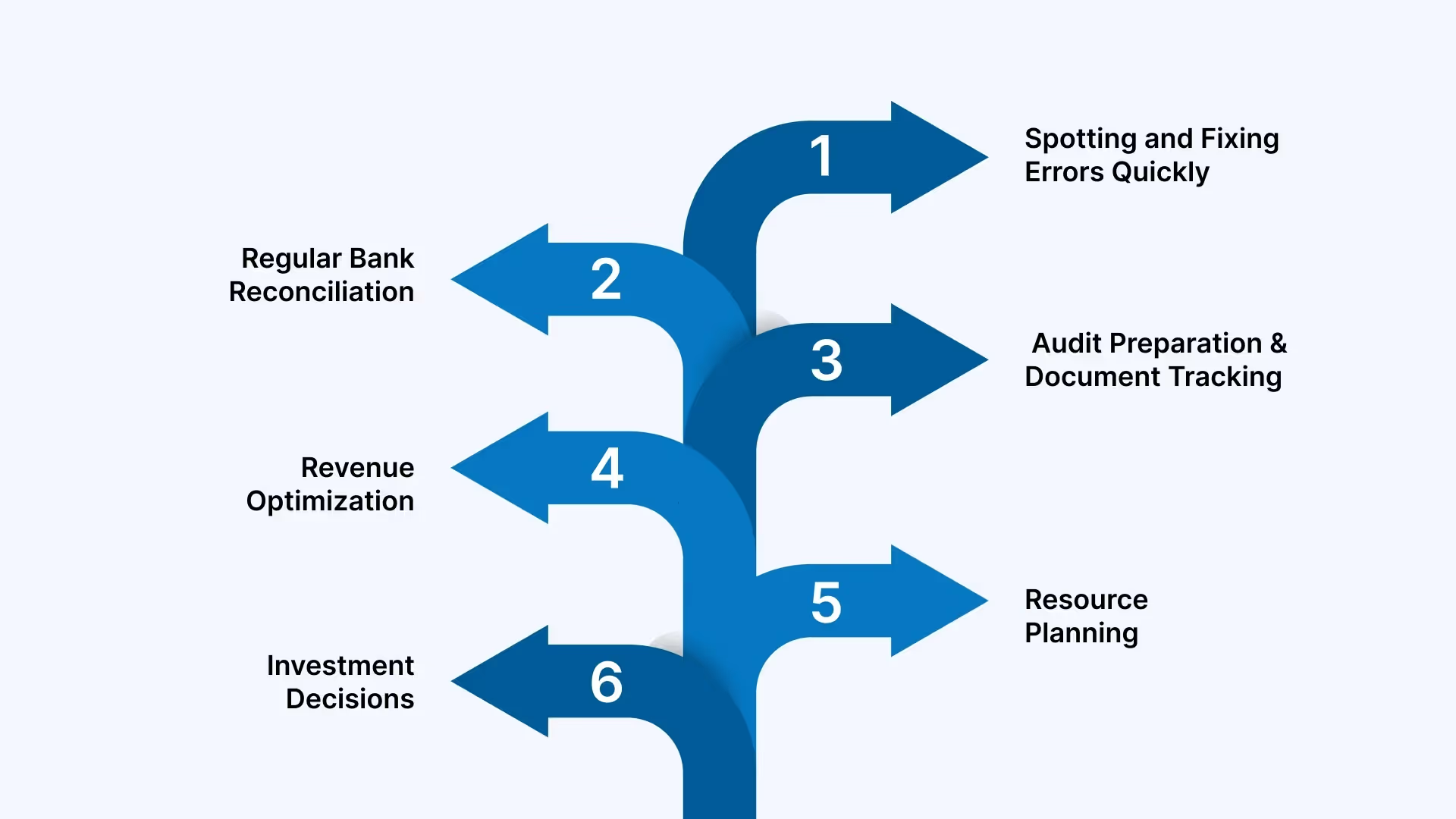
Effective hotel bookkeeping is crucial for accurately managing your finances. Here are the best practices for keeping your hotel’s finances running smoothly:
Even the smallest mistake in hotel bookkeeping can spiral into major problems. A dedicated bookkeeper helps identify these errors early and correct them before they turn into costly mistakes. An experienced bookkeeper can spot discrepancies between what’s recorded and what’s actually reflected in the hotel’s bank statements or invoices.
Bank reconciliation is the process of comparing the hotel’s internal financial records with the actual bank statements. This ensures that every entry in the hotel’s accounting system is reflected in the bank and that no transactions are missed.
Regular reconciliation prevents discrepancies that could affect cash flow, especially with multiple revenue streams such as room bookings, F&B, and event management.
Good bookkeepers are proactive in keeping all essential documents organized and accessible. This includes tax records, invoices, payment receipts, and other key documents needed for potential audits. Maintaining a well-organized archive of financial records makes audits easier and protects your hotel from fines and legal trouble.
By analyzing financial data, bookkeepers can help identify the most profitable services or areas of the hotel. For instance, offering package deals for F&B services or focusing on high-demand seasons for room bookings could help raise revenue.
Regularly reviewing financial performance allows hotel managers to fine-tune pricing strategies and promotional campaigns. This is essential for maximizing Revenue per Available Room (RevPAR) or Average Daily Rate (ADR). These are critical metrics for US-based hotels, where regional competition and local tax regulations can significantly impact pricing and occupancy strategies.
In the US, where labor laws and tax structures vary by state, a detailed budget helps prevent overspending and ensures that financial resources are allocated efficiently.
A proactive approach to budgeting can also help prepare for unexpected expenses, such as maintenance costs or emergency repairs, which are common in the hospitality industry.
In the US, where tax incentives and local grants may be available, knowing where to invest can lead to long-term growth and improved hotel services. Sound financial advice ensures that you make wise investments in areas that will drive business expansion.
あわせて読みたい:記帳と会計の主な違いについて解説
Following these best practices helps hotel managers and owners enhance profitability, streamline operations, and make more informed decisions.
At VJM Global, we specialize in providing cross-border payroll and bookkeeping solutions that help US-based hotels streamline their financial processes.
Our expert team ensures your hotel remains compliant with US federal and state tax laws as well as Indian tax regulations for international operations. Talk to an expert today.
Next, let's learn why many hotels are turning to outsourced bookkeeping services to handle the complexities more efficiently.
More and more hotels are turning to outsourced bookkeeping services, and for good reason. Here’s why this shift makes sense for many hotel owners:
Outsourcing bookkeeping ensures that your finances are in the hands of experts, giving you peace of mind and more time to focus on enhancing the guest experience.
Now, let’s see how VJM Global can make this process even easier for your hotel.
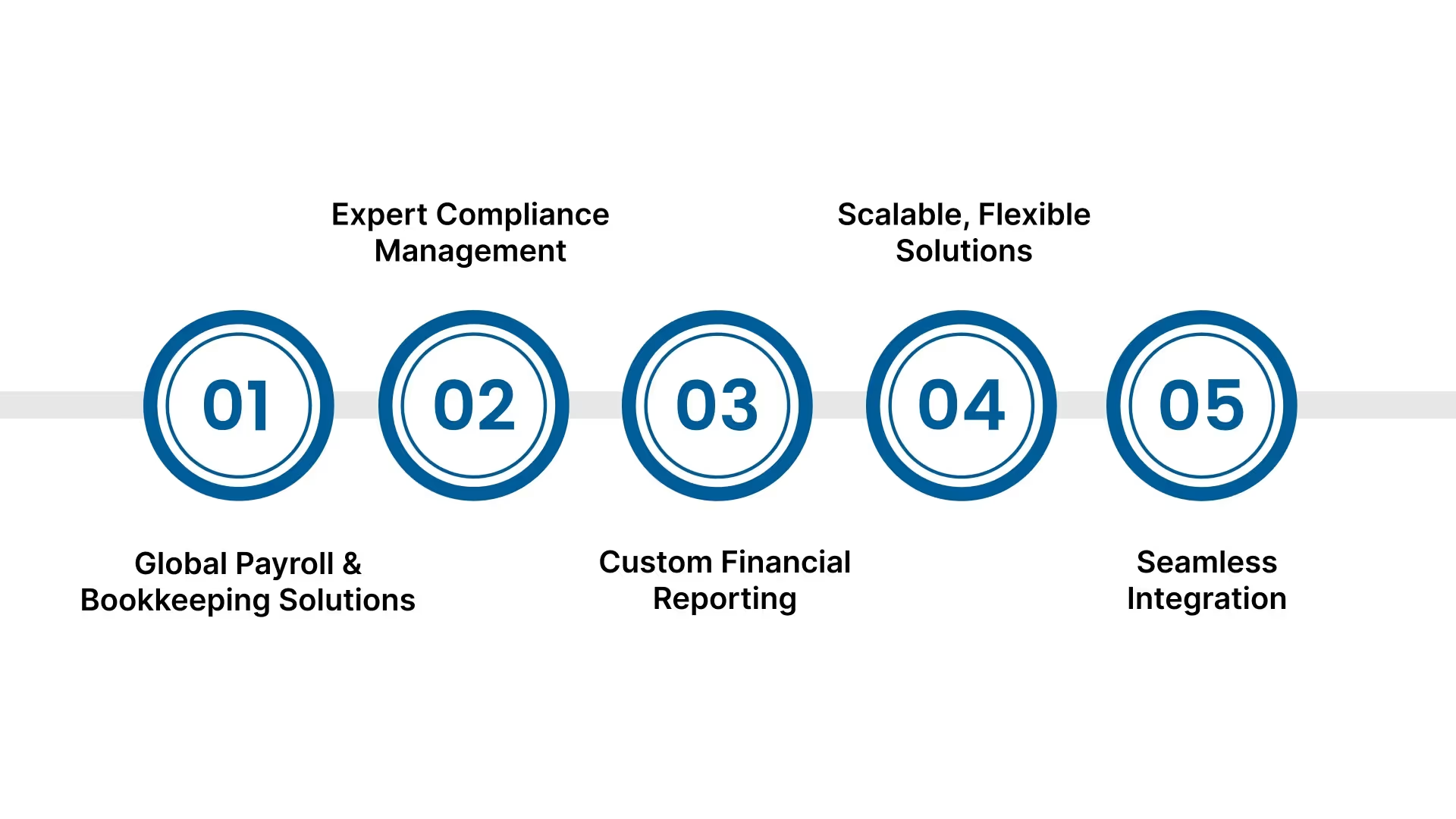
At VJM Global, we specialize in providing comprehensive bookkeeping solutions that help US-based hotels stay on top of their finances while ensuring full compliance with both US and Indian regulations.
Our services include:
Outsourcing your hotel bookkeeping and payroll to VJM Global allows you to focus on the most important aspects of your business, guest experience, revenue growth, and expanding your hotel brand.
Hotel bookkeeping helps create a clear, accurate financial picture that supports decision-making and drives business growth. Whether you're managing room revenue, payroll, or tax filings, following best practices in bookkeeping ensures your hotel runs smoothly, remains compliant, and maximizes profitability.
With VJM Global, you can simplify complex financial tasks, stay compliant, and focus on growing your business. Contact VJM Global today to learn how our customized bookkeeping services can simplify your operations.
Hotel bookkeeping is essential for tracking daily transactions, ensuring compliance with tax laws, managing payroll, and making informed financial decisions. It helps hotel owners stay on top of their finances, prevent errors, and avoid penalties.
Outsourcing hotel bookkeeping helps streamline financial processes, reduces the risk of errors, ensures compliance with US and local tax laws, and allows you to focus on core operations like guest services and business growth.
Key metrics include Revenue per Available Room (RevPAR), Average Daily Rate (ADR), and Occupancy Rate. These metrics provide insight into a hotel’s performance, profitability, and pricing strategies.
By staying organized, regularly reconciling accounts, and working with an experienced bookkeeper, hotels can ensure compliance with IRS requirements, state and local tax laws, and labor regulations. Using automated systems can help reduce errors and simplify tax filings.

.avif)


