


When the IRS garnishes wages, it takes a share of an employee’s paycheck to recover unpaid taxes, without needing a court order.
This swift action can strain personal finances and add compliance pressure on employers, making it one of the most serious tools in the IRS’s collection arsenal.
As of 2019, more than one in every 100 U.S. workers faced wage garnishment for delinquent debt, with the average garnishment lasting five months and consuming approximately 11% of their gross earnings during that time. This highlights the disruptive impact of garnishment on both employees and employers.
For U.S. businesses and employees alike, understanding how wage garnishment works is critical. Companies must know their responsibilities when receiving a garnishment notice, while individuals need to recognize their rights and the options available to stop or prevent it.
In the following sections, we will explore how IRS wage garnishment works, identify the early warning signs, and provide practical strategies to prevent or resolve the issue.
IRSによる給与差し押さえとは、内国歳入庁(IRS)が雇用主に対し、従業員の給与の一部を天引きし、未納の連邦税を清算するために直接政府へ送金するよう命じる徴収措置です。他の債権者とは異なり、IRSは給与差し押さえを開始するために裁判所の手続きを経る必要はありません。
納税者が「差し押さえの意図に関する最終通知」を受け取り、30日以内に対処しなかった場合、IRSはフォーム668-Wを雇用主に発行します。雇用主は、債務が解決されるまで給与を差し引く義務を負います。
天引きされる金額は恣意的なものではありません。これはIRS発行の出版物1494(IRS Publication 1494)に基づいて計算され、申告ステータス、控除、扶養家族に応じて、個人が手元に残せる金額が決定されます。残額は、未納の税債務が完済されるまでIRSに送金されます。
従業員にとって、給与差し押さえは手取り額を減らし、日々の支出を賄う柔軟性を制限するため、直接的な経済的圧迫となります。米国の企業にとっては、差し押さえ命令を正確かつタイムリーに処理する法的義務が生じるため、事務的な負担が増大します。
Failure to comply can make the employer directly liable for the amounts not withheld.
For businesses and professionals expanding into or operating across U.S.-India boundaries, understanding IRS wage garnishment becomes even more important.
Cross-border entrepreneurs, particularly those with staff in the U.S., must ensure that their payroll and compliance processes are managed accurately to avoid disruptions. Mismanagement could not only damage employee trust but also expose the business to penalties and reputational risks.
私たちVJM Globalは、米国の企業、CPA事務所、起業家が、オフショアサポートを通じてコストを抑えながらIRSの規則を遵守できるよう支援しています。差し押さえを防ぐための税務記録の管理から、給与計算や監査のサポートまで、私たちのチームはあらゆる段階でコンプライアンスと信頼性を確保します。
.avif)
Understanding the mechanics of IRS wage garnishment is critical for both employees and businesses. Below are the key stages and legal considerations that determine when and how the IRS can initiate wage garnishment.
IRSは他の債権者と比較して独自の権限を持っています。通常、債権者が給与を差し押さえるには裁判所の命令が必要ですが、IRSは内国歳入法(IRC)第6331条に基づき、司法の承認なしに税務徴収(Levy)を行うことができます。この徴収により、IRSは未納の税債務を回収するために、給与、銀行口座、資産などを差し押さえることが可能です。
給与差し押さえの場合、IRS(内国歳入庁)は雇用主に対し、従業員の給与の一部を天引きし、直接政府へ納付するよう指示します。この権限により、IRSによる差し押さえは、最も即効性が高く、かつ影響の大きい税金徴収手段の一つとなっています。
差し押さえが開始される前に、IRSは法律に基づき、納税者に対して通知を行う義務があります。
通常、IRSは以下の通知を発行します。
最終通知が発行されると、納税者は30日以内に徴収適正手続き(CDP)聴聞を請求できます。指定された期間内に回答がない場合、IRSは給与差し押さえの手続きを進める権限を得ます。
このプロセスは、IRSからの通知が届いた際に迅速に対応することの重要性を強調しています。IRSからの書簡を無視すると、ほぼ例外なく、より厳しい強制措置が取られることになります。
通知期間終了後も納税者が債務を解決できない場合、IRSは「給与、報酬、その他の所得に対する差し押さえ通知(Form 668-W)」を雇用主に直接送付します。これを受領した雇用主は、IRSの指示に従って給与の天引きを開始する法的義務を負います。
雇用主は指定された期限内に対応しなければなりません。これに従わない場合、雇用主は納付されなかった金額に対して個人的な責任を問われる可能性があります。これは差し押さえに直面している従業員だけでなく、給与計算を担当する企業にとっても大きなプレッシャーとなります。
米国とインドで事業を展開する企業にとって、ミスを回避するためには正確な給与計算アウトソーシングが不可欠です。
IRSは納税者の給与をすべて差し押さえるわけではなく、最低限の生活費は残すようになっています。
この免除額は以下によって決定されます。
IRSは「Publication 1494」を使用して、差し押さえの対象外となる所得額を算出します。
その金額を超える分は、債務が完済されるか、別の支払い方法が合意されるまで差し押さえの対象となります。例えば、扶養家族のいない独身の納税者の場合、手元に残る給与は個人的な支出を賄うにはわずかな金額になる可能性があります。
この計算により、手取り額が大幅に減額されることが多く、何の対策も講じなければ、従業員は日々の支払いに窮する恐れがあります。
おすすめ記事:米国からインドへの税務申告アウトソーシング:CPAによる2025年版ガイド
IRS wage garnishment is rarely a complete surprise.
The IRS follows a structured process, and there are clear red flags that signal when garnishment may be imminent. Recognizing these early indicators can give individuals and businesses the time they need to act before the IRS begins deducting wages.
The IRS typically sends a series of notices before initiating wage garnishment. These include:
At this stage, the taxpayer has 30 days to request a Collection Due Process (CDP) hearing or to arrange payment. Failing to address these notices directly leads to wage garnishment.
Another warning sign is the filing of a Notice of Federal Tax Lien (NFTL), which the IRS records to secure its claim against a taxpayer’s property. While a lien is not the same as a levy, it signals that the IRS is preparing to enforce collection if the debt remains unpaid.
Additionally, failing to respond to IRS correspondence or missing deadlines for appeals, hearings, or installment agreements often accelerates the path toward garnishment.
If the situation escalates, the IRS will contact the taxpayer’s employer directly with Form 668-W, Notice of Levy on Wages, Salary, and Other Income. This is one of the final warning signs; by this point, garnishment is imminent.
Employers must begin withholding wages according to the IRS instructions as soon as they receive the levy form. Failure to comply can make the employer personally responsible for the amounts that should have been garnished.
For employees, learning that their employer has been contacted can feel sudden, but it typically follows months of prior communication with the IRS. Staying alert to earlier notices is critical to avoid reaching this stage.
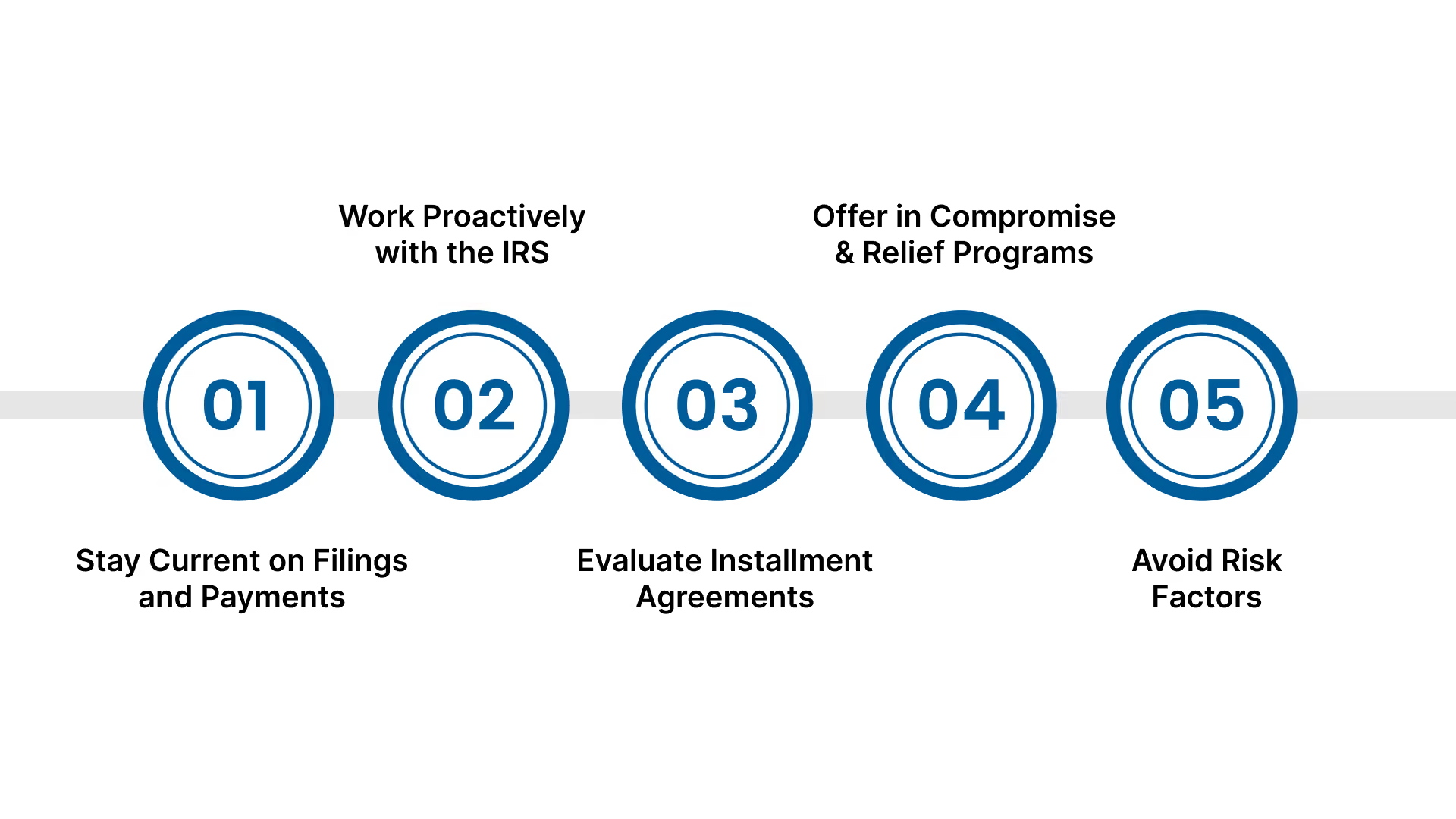
The best way to address IRS wage garnishment is to prevent it from happening in the first place.
Once the IRS begins withholding wages, options become more limited, and financial strain increases. Fortunately, there are several proactive steps individuals and businesses can take to stay ahead of the IRS and avoid garnishment altogether.
One of the most common triggers for IRS action is failing to file tax returns or pay outstanding balances on time.
Even if you cannot afford to pay the full amount owed, it is essential to file your return or request an extension of time to file. Filing on time reduces penalties and demonstrates good faith to the IRS.
The IRS specifically advises that staying compliant with all current and past-due filings is the first step toward avoiding garnishment or levy action.
Open communication with the IRS is critical. If you receive a notice about unpaid taxes, contact the IRS quickly to discuss your situation.
In many cases, the IRS is willing to accept partial payments or temporarily delay collection if taxpayers can show financial hardship.
Addressing the issue early can prevent the process from escalating to garnishment. Legal experts also emphasize that showing effort and responsiveness can make it easier to negotiate favorable terms.
If paying the full balance is not possible, taxpayers can request an Installment Agreement, which allows debt to be paid in manageable monthly installments.
It is crucial to avoid defaulting on these agreements. Defaulting gives the IRS immediate authority to resume collection actions, including wage garnishment. Setting realistic payment terms ensures compliance and keeps the IRS from taking more aggressive steps.
In cases where paying the full tax debt would create severe financial hardship, taxpayers may qualify for an Offer in Compromise (OIC). This program allows eligible taxpayers to settle their debt for less than the full amount owed, provided they meet strict IRS criteria.
Other relief options include requesting Currently Not Collectible (CNC) status, which temporarily suspends IRS collection efforts for taxpayers who are unable to pay due to financial hardship.
The fastest way to face wage garnishment is by ignoring IRS letters, missing deadlines, or avoiding communication. Delaying action signals to the IRS that stronger enforcement is necessary.
Responding promptly, seeking professional support, and taking steps, no matter how small, can make a significant difference in resolving the issue or preventing a substantial portion of your paycheck from being garnished.
With experienced teams familiar with IRS processes, VJM Global helps U.S. taxpayers and businesses manage filings, negotiate with the IRS, and avoid wage garnishment.
If the IRS has already begun garnishing wages, it does not mean the situation is permanent.
There are several legal and administrative options available to reduce, stop, or restructure the garnishment. Taking prompt action is critical, as ignoring the issue will only prolong financial strain.
The first step is to confirm that the IRS garnishment is legitimate. Review the notice received from the IRS (commonly Form 668-W) to ensure that:
誤りが見つかった場合は、直ちにIRSへ報告する必要があります。
IRSは、給与の差押が過度な経済的困窮をもたらす場合、または差押が誤って発行された場合に、差押を解除することがあります。納税者は、差押によって必要な生活費を賄えなくなることを証明することで、解除を申請できます。
IRSによると、差押解除の正当な理由は以下の通りです。
差押予告の最終通知の発行後に給与差押が行われた場合、納税者は30日以内に徴収適正手続き(CDP)聴聞会を申請できます。この期間内に申請を行うと、不服申し立てが解決されるまで差押は一時停止されます。
CDP聴聞会では、納税者が債務に異議を唱えたり、代替案を提案したり、差押の妥当性を争ったりする機会が与えられます。
多くの場合、IRSと新たな支払い条件を交渉することが最も現実的な解決策です。経済状況に応じて、いくつかの選択肢があります。
納税者が月々の支払いで時間をかけて債務を完済できるようにする制度です。承認されれば、支払いが予定通り行われている限り、差押が解除される可能性があります。
全額の支払いが経済的困窮を招くと証明できる場合に、納税者が債務総額よりも少ない金額で和解できるプログラムです。承認にはIRSによる厳格な審査が必要です。
納税者が基本的な生活費を支払う能力がないことを証明した場合、IRSはアカウントを「徴収不能」とみなすことがあります。これは債務を帳消しにするものではありませんが、差押や徴収活動を一時的に停止させます。
破産を申請することで、特定の条件下ではIRSによる給与差押を停止できますが、これは万能な解決策ではありません。
一部の税務債務 は免責される可能性がありますが、破産後も徴収が継続される債務もあります。さらに、破産は信用情報や将来の経済的な選択肢に重大な影響を及ぼします。
It should only be considered after all other options have been explored with professional guidance.
Once the IRS confirms a levy release, employers must stop withholding wages. However, delays can occur if communication between the IRS and the employer is not immediate.
Taxpayers should proactively confirm with their payroll department that garnishment has ended to avoid unnecessary deductions.
VJM GlobalVJM Globalでは、米国税務専門のサポートチームが、IRSとの交渉、不服申し立て、債務再編を支援し、差し押さえの迅速な解決をサポートします。
While the IRS wage garnishment process is generally clear, there are unique situations where the rules may be applied differently. Understanding these edge cases helps taxpayers and businesses avoid unexpected complications.
Sometimes, wage garnishment is triggered by an error or by a tax debt that does not fully belong to the individual. If you believe you do not owe the tax, you can dispute the liability through an appeal or by filing for reconsideration.
夫婦合算申告の場合、納税者は配偶者免責(Innocent Spouse Relief)を申請することも可能です。これが認められれば、パートナーの申告ミスや記載漏れによって生じた税金に対する責任が免除されます。
Legal practitioners emphasize that disputing liability must be done promptly, ideally within the appeal windows provided.
If a taxpayer works more than one job, the IRS can send levy notices to each of their employers. This can result in multiple garnishments, significantly reducing take-home pay. Unlike state garnishment limits, IRS rules apply separately to each income stream.
Employers receiving a levy must comply independently, meaning garnishment will continue from each job until the debt is resolved.
The IRS does not limit garnishment to base wages alone. Bonuses, commissions, and incentive pay are also subject to levy. Employers are required to apply the garnishment rules to all forms of compensation, including wages, salaries, and other forms of compensation.
This means even irregular income, such as quarterly bonuses or one-time commission payments, will be withheld and applied toward tax debt.
Wage garnishment is only one collection method. The IRS may also levy bank accounts, rental income, or physical property. In some cases, these actions can occur alongside wage garnishment, increasing financial pressure.
IRSによる差し押さえは、政府に納税者の資産を没収する法的権限を与えるものです。これには、給与の差し押さえ、銀行口座からの直接的な資金引き出し、未納の税務債務を回収するための車両、不動産、その他の個人資産の所有権の移転などが含まれます。
The IRS can also apply tax debts against federal payments through the Federal Payment Levy Program (FPLP). This includes Social Security benefits, certain government salaries, and federal retirement income. Refunds from tax returns may also be applied to offset outstanding liabilities.
This means even if wage garnishment is not in effect, federal tax debt can still be collected through other government programs.
Suggested Read: Settle Tax Debt with Confidence: Relief Options For US Businesses
When dealing with the IRS, professional support can make the difference between ongoing financial hardship and achieving a workable resolution.
VJM Globalは、米国の企業、会計事務所、起業家向けに、標準的な会計業務の枠を超えたカスタマイズされたソリューションを提供し、給与差し押さえを含むIRS関連のリスク管理を支援します。
VJM Global is uniquely positioned to support U.S. companies and CPA firms with outsourcing needs in India. From ensuring IRS compliance to assisting CPA practices during peak tax seasons, we bridge the gap by pairing U.S. accounting expertise with cost-effective offshore solutions.
VJM Global’s teams assist clients in preparing appeals, responding to IRS notices, and developing compliance strategies that prevent enforcement actions such as garnishment. We help with:
This ensures our clients have a clear path forward while reducing the stress of direct IRS negotiations.
Beyond federal tax support, we handle state filings, payroll, and reconciliations to keep businesses compliant. Our remediation services address past issues, while ongoing support helps prevent future IRS actions, such as garnishment.
Choosing VJM Global means partnering with experts in both U.S. tax law and Indian regulations. Our dual expertise provides cost-effective support that reduces overhead while keeping U.S. businesses and CPA firms compliant and protected against IRS risks, such as wage garnishment.
Choose VJM Global for tailored IRS and compliance support!
IRS wage garnishment is one of the toughest collection measures, but it can be avoided. Staying current on filings, responding to notices quickly, and arranging payment plans are the best ways to protect income and reduce financial strain. Acting early is key, as options shrink once garnishment begins.
Even then, solutions like installment agreements, Offers in Compromise, or hardship relief can help restore stability. The right path depends on each case, whether negotiating directly with the IRS or seeking professional support to manage appeals and compliance.
VJM Globalでは、米国の企業、会計事務所、起業家の皆様に対し、事前のコンプライアンス対策から差し押さえ後の解決策まで幅広くサポートしています。複雑な税務問題において、リスクを最小限に抑え、問題を効率的に解決し、お客様に安心をお届けすることを目標としています。
IRS(米国内国歳入庁)から通知を受け取った場合や、給与差し押さえについて不安がある場合は、専門家のアドバイスを求めることが次のステップとなります。VJM Globalにご連絡いただければ、状況を精査し、お客様のニーズに最適な解決策をご提案いたします。
手続きはIRSからの複数回の通知によって開始され、債務の完済、支払い計画の策定、または納税者による経済的困窮の証明がなされた時点で終了します。また、正当な理由に基づきIRSが差し押さえを解除した場合も、差し押さえは停止されます。
IRSは通常の給与だけでなく、ボーナス、コミッション、インセンティブ報酬など、雇用に基づくほとんどの報酬を差し押さえることができます。
はい。IRSはそれぞれの雇用主に対して差し押さえ通知を発行できるため、複数の収入源に対して同時に差し押さえが行われる可能性があります。
納税者は速やかにIRSに連絡し、差し押さえに対して異議を申し立てるか、徴収適正手続き(CDP)の聴聞会を求めるか、あるいは経済的困窮による解除を申請する必要があります。正当な理由が認められれば、差し押さえの停止や減額が可能です。
はい。雇用主はIRSからの差し押さえ通知の写しを該当する従業員に提供する義務があり、従業員はそれを確認し、適切に対応することができます。

.avif)


