インドにおけるGCC設立コスト:完全ガイド

公開日:
November 10, 2025

目次

お問い合わせ
ありがとうございます。送信が完了しました。
送信中にエラーが発生しました。

ワンストップで、
グローバルな解決策を

確かな自信と明瞭な視点で、クロスボーダービジネスを支援します。
相談を予約する

India has emerged as one of the top destinations for Global Capability Centers (GCCs). The sector has gone through significant growth, with a 14% increase in revenue in fiscal year 2025, contributing to 4.5% of India's GDP.

This expansion is driven by factors such as access to a skilled workforce, cost efficiencies, and supportive government policies. However, establishing a GCC in India involves various costs that need careful consideration.

In this blog, we will take you through a detailed breakdown of the costs associated with setting up a GCC in India and share insights on how to plan effectively for long-term success.

Key Takeaways

  • Setting up a Global Capability Center (GCC) in India offers businesses access to a skilled workforce, cost efficiencies, and a growing business ecosystem.
  • The cost of setting up a GCC is influenced by various factors such as the choice of legal structure, location, infrastructure, labor costs, and regulatory compliance.
  • Proper legal structure selection and compliance with India’s complex regulations are essential to avoid hidden costs and ensure smooth operations.
  • With the right strategies in place, businesses can set up a successful and cost-effective GCC in India that supports global operations while driving long-term growth.

What Is a GCC?

A Global Capability Center (GCC) is an operational facility set up by multinational companies to centralize and manage critical business functions such as technology development, finance, HR, customer service, and supply chain management in a foreign country.

These centers act as hubs for innovation, cost optimization, and efficiency, handling functions that support the company’s global operations while reducing costs and improving business processes.

GCCs are increasingly playing a strategic role in driving growth, supporting global expansion, and enabling companies to apply global talent pools for core functions.

While many countries offer outsourcing opportunities, India has become the top destination for setting up GCCs due to its numerous advantages. Let's explore them in detail.
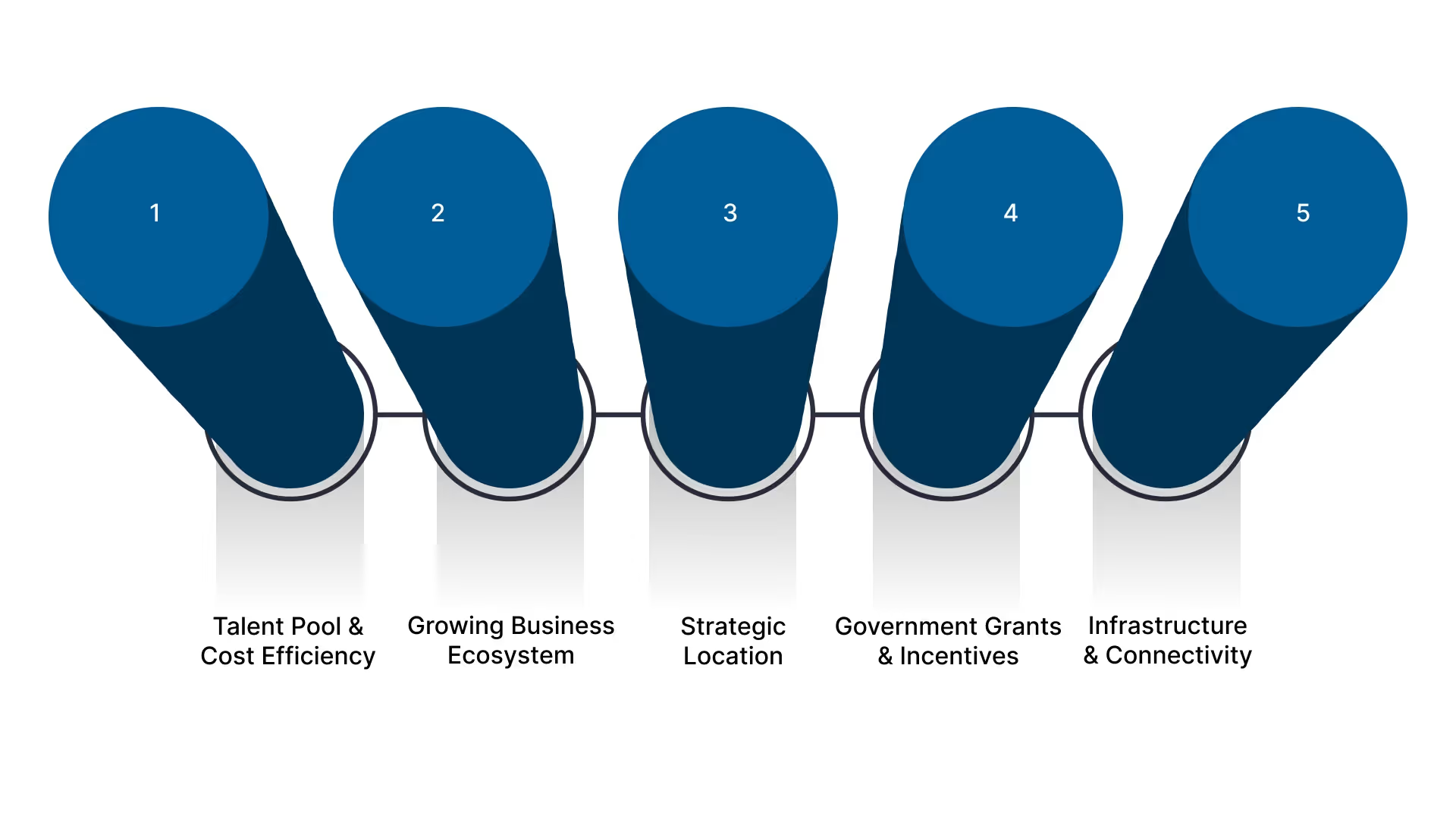
Top 5 Reasons to Set Up a GCC in India

Top 5 Reasons to Set Up a GCC in India

India has become a preferred location for GCC setups due to several compelling reasons, especially for businesses expanding from the U.S. to India:

1. Talent Pool and Cost Efficiency

India showcases one of the largest and most diverse talent hubs in the world. With a highly skilled workforce in fields such as IT, finance, customer support, and engineering, India offers significant advantages in talent acquisition.

2. Growing Business Ecosystem

India has seen a boom in tech infrastructure, R&D initiatives, and business support services, allowing global organizations to run sophisticated operations with efficiency. India’s push towards becoming a hub for digital innovation and technologies, such as AI, machine learning, and cloud computing, has further strengthened its appeal as a GCC destination.

3. Strategic Location

India’s strategic location in South Asia allows businesses to extend their footprint across key markets in Asia and the Middle East. It is an ideal gateway for companies aiming to tap into emerging markets or set up cross-border operations. 

India’s time zone advantage (GMT +5:30) also offers smooth 24/7 operations, ensuring continuous business cycles across regions.

4. Government Support and Incentives

India’s government provides attractive incentives to encourage foreign direct investment (FDI), positioning the country as a leading destination for Global Capability Centers (GCCs). These incentives include:

  • 税制優遇:米国において経済的に困窮した地域で事業を行う企業に税制上のインセンティブを提供する「オポチュニティ・ゾーン」と同様に、インドでは経済特区(SEZ)内で事業を行う企業に対して「タックス・ホリデー(税免除期間)」を設けています。これにより、企業は一定期間、大幅な減税措置を受けることができ、GCC設立時の初期財務負担を軽減できます。
  • 財政支援:米国の経済開発庁(EDA)による助成金や州レベルの税制優遇措置と同様に、インド政府はインフラ開発や設備投資に対する補助金を提供しています。これらの経済的インセンティブは、事業の構築や拡大に必要な初期投資を抑える助けとなります。
  • 政策支援:国際貿易に関わる企業に規制緩和を提供する米国の外国貿易ゾーン(FTZ)と同様に、インド政府も「ビジネスのしやすさ(Ease of Doing Business)」を向上させるための改革を複数実施しています。
  • これには、会社設立プロセスの簡素化や税関規制の簡略化が含まれており、官僚的な手続きによる遅延を減らし、インドでの事業立ち上げを円滑にすることを目的としています。

こうしたインセンティブとインドのビジネスフレンドリーな政策は、GCCの設立や拡大を検討している企業にとって、インドを魅力的な選択肢にしています。

5. インフラと接続性

インドには、GCCの円滑な運営を支える世界クラスのインフラが整っています。ベンガルール、ハイデラバード、プネといった主要都市には、最新の設備を備えたオフィススペースがあり、仕事に適した環境が確保されています。

さらに、国際空港や効率的な地域交通システムを含むインドの充実した交通網により、現地チームとグローバルチームの双方が容易にアクセスできるようになっています。

豊富でコスト効率の高い人材プール、強力な技術インフラ、有利な政府政策、そして戦略的な立地というインドの強みは、GCC設立の地として選ばれる理由となっています。

インドでのGCC設立の主な利点について解説しましたので、次は設立プロセスにおいて考慮すべき主要なコスト要因に目を向けましょう。
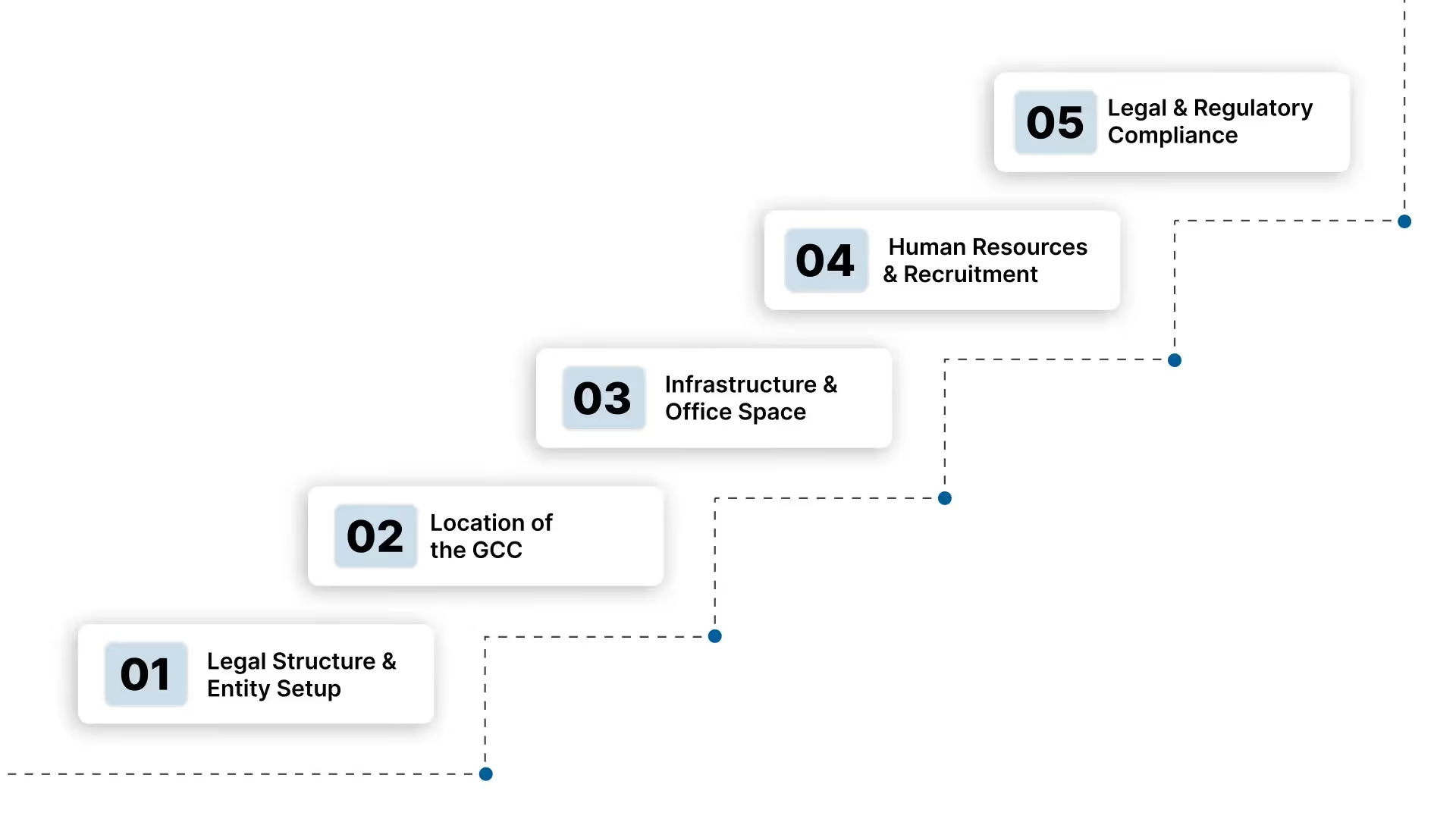
インドでのGCC設立コストに影響を与える要因

Factors Influencing the Cost of Setting Up a GCC in India

インドでのGCC設立コストに影響を与える要因を理解することは、効果的な予算編成と計画立案に不可欠です。これらの要因は、GCCの種類、立地、規模、および企業の具体的なビジネスニーズによって異なります。

インドでのGCC設立の総コストに影響を与える主な要素は以下の通りです。

1. 法的構造と事業体設立

GCCに最適な法的構造を選択することは、最初にして最も重要な決定事項の一つです。法的事業体の形態によって、運営の枠組みと関連コストが決まります。インドにおけるGCCの一般的な構造は以下の通りです。

  • 非公開有限会社(PLC):有限責任という柔軟性を持ち、長期的な事業展開を計画している企業に適しています。米国における株式会社(Inc.)に相当し、株主は有限責任を負います。PLCの設立には、企業省(MCA)への登録と現地法への準拠が必要です。
  • 有限責任事業組合(LLP):米国の有限責任会社(LLC)と同様に、インドのLLPは規制要件が少なく柔軟な構造を提供しており、小規模な事業や合弁事業に適しています。
  • 支店(Branch Office):外国企業がマーケティングや調査などの限定的な機能のためにインドに拠点を置くことを許可するもので、コンプライアンス義務が軽減されます。
  • 連絡事務所(Liaison Office):これは米国の駐在員事務所に相当し、外国企業が市場調査などの活動を行うために限定的な拠点を置くものです。ただし、直接的な収益を生む活動はできません。インドにおける連絡事務所は、本格的な事業展開の前に市場をテストしたり、ブランドの認知度を高めたりしたい企業にとって、コスト効率の良い選択肢です。

各法的構造には異なる登録料、納税義務、コンプライアンス要件があり、これらが設立コストに直接影響します。

GCCに最適な法的構造を選択することは、インドでの長期的な成功に不可欠です。VJM Globalは、多国籍企業が複雑な事業体設立やコンプライアンスを乗り越えるための豊富な経験を有しています。PLC、LLP、支店、連絡事務所のいずれであっても、お客様のニーズに合わせて最も効率的で税務上のメリットがある選択肢をご提案します。今すぐお問い合わせください。

2. GCCの立地

インドには、ティア1都市からティア2都市まで、GCCを設立するための多様な選択肢があります。どこに拠点を置くかによって、運営コストは異なります。

  • ティア1都市(例:ムンバイ、バンガロール、デリー):これらの都市はビジネスの中心地であり、熟練した労働力と優れたインフラへのアクセスが可能です。しかし、不動産コスト、給与、運営費が高くなる傾向があります。例えば、これらの都市のオフィス賃料は、ティア2都市と比較して30〜40%高くなる可能性があります。
  • ティア2都市(例:プネ、チェンナイ、ハイデラバード):これらの都市は、より安価なオフィススペース、低い給与水準、手頃なインフラなど、運営コストを抑えることができます。多くの企業が、コストと人材確保のバランスの良さからこれらの都市を選んでいます。

適切な都市を選ぶには、運営上のニーズとコストのバランスを考慮する必要があります。ティア1都市は高い運営効率をもたらす可能性がありますが、ティア2都市はよりコスト効率に優れています。

3. インフラとオフィススペース

The office space rental costs can vary significantly based on the city and the location within that city. In major metropolitan areas, office rents tend to be higher, whereas costs in smaller towns are generally more affordable. 

The setup also includes expenses for IT infrastructure, such as purchasing hardware, establishing secure network systems, and implementing technology solutions. These costs are influenced by the specific requirements of the business, such as the level of customization needed for office design, technology, and security systems. 

4. Human Resources and Recruitment

One of the most significant costs for any GCC is recruitment, employee compensation, and benefits. However, the costs associated with hiring and retaining skilled talent depend on several factors:

  • Salaries: Employee salaries vary depending on the role, experience, and location, with higher compensation typically seen in senior or specialized positions and in major cities.
  • Recruitment Costs: Recruiting talent can be a costly affair, especially for niche roles. The cost of hiring through recruitment firms, advertising job openings, and conducting interviews can be significant.
  • Employee Benefits: Indian labor laws require companies to provide benefits such as Provident Fund (PF), Employees’ State Insurance (ESI), and Gratuity, which contribute to the employee's cost. 

Human resources costs are an ongoing expense that should be factored into the overall GCC budget.

5. Legal and Regulatory Compliance

Complying with India’s legal and regulatory requirements adds to the cost of setting up a GCC. Businesses must register with multiple government agencies, including:

  • Ministry of Corporate Affairs (MCA): In India, businesses must register with the MCA to establish a Private Limited Company or Limited Liability Partnership (LLP). This is similar to the U.S. Secretary of State filings required to incorporate a company at the state level, where businesses must meet local governance and compliance standards. 
  • Reserve Bank of India (RBI): For foreign investment approvals (if applicable) and repatriation of profits. This is much like the U.S. Department of the Treasury regulations governing cross-border investments. In India, foreign investments in specific sectors are subject to approval under Foreign Direct Investment (FDI) norms.
  • Tax Registration: Similar to obtaining an EIN in the U.S., Indian entities must apply for a Permanent Account Number (PAN), register for Goods and Services Tax (GST), and comply with Tax Deducted at Source (TDS) obligations if applicable.

Legal and regulatory hurdles can slow down your GCC setup, but with VJM Global’s deep expertise in Indian corporate laws and tax regulations, you can rest assured your GCC will be compliant from day one. 

We specialize in handling the intricate details of entity registration with MCA, RBI approvals for foreign investment, tax registrations, and RoC filings to ensure your business operates smoothly. Talk to our experts.

Suggested read: Offshoring Audit Work from the US to India: Key Challenges and Fixes

Having explored the factors that influence the cost of setting up a GCC, it’s now time to break down these costs in detail. Let’s take a closer look at the financial implications of the entire setup.
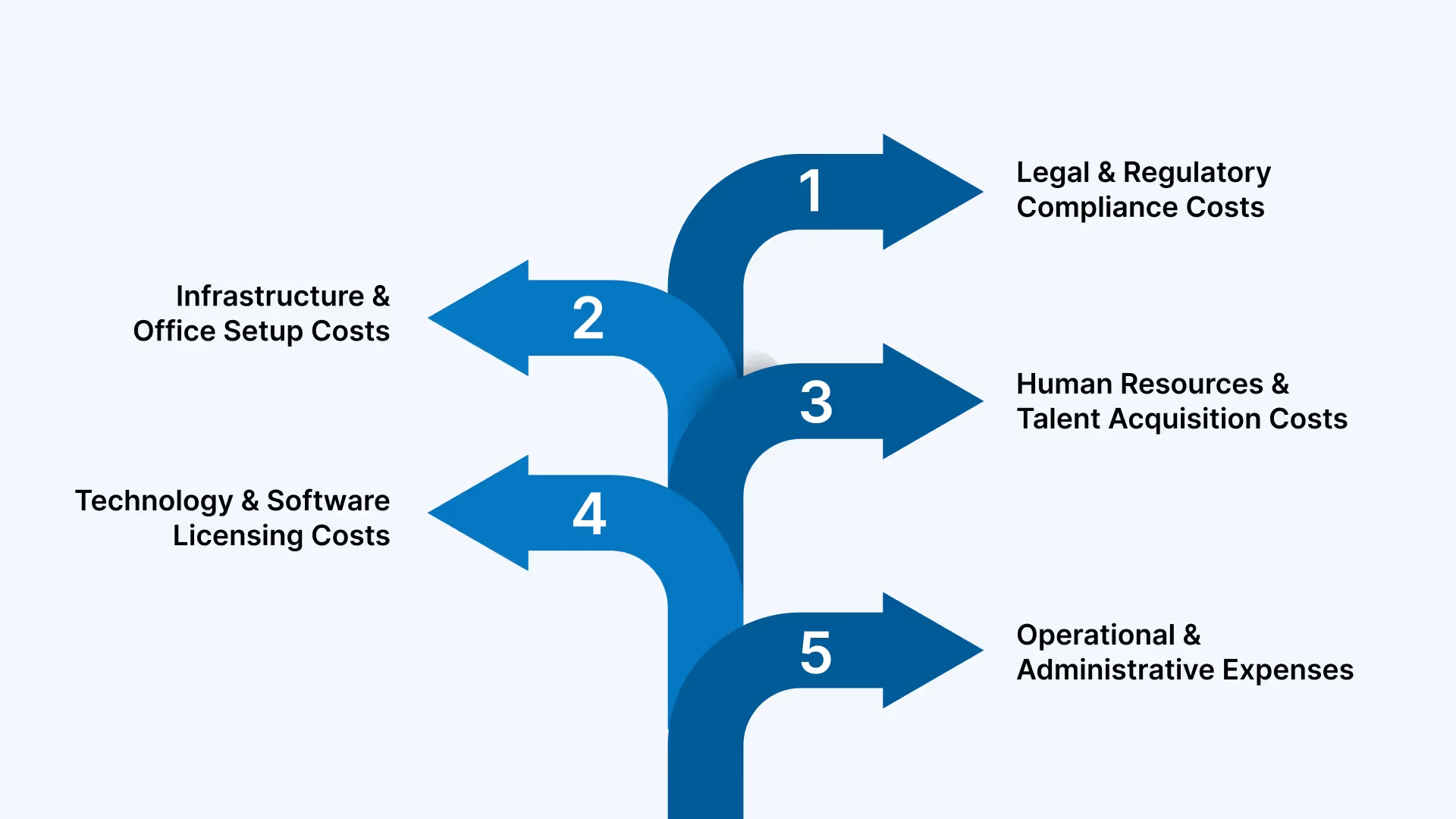
Detailed Breakdown of GCC Setup Costs in India

Detailed Breakdown of GCC Setup Costs in India

Establishing a Global Capability Center (GCC) in India involves a multifaceted investment strategy, containing legal, infrastructural, human resource, and operational expenditures. Below is a comprehensive breakdown of the key cost components associated with setting up a GCC in India:

1. Legal and Regulatory Compliance Costs

Establishing a legal entity in India is the foundational step. Costs include:

  • Incorporation Fees: Registering a Private Limited Company or Limited Liability Partnership (LLP) in India typically incurs costs ranging from ₹1 lakh to ₹5 lakh. This includes expenses for obtaining Digital Signature Certificates (DSC), Director Identification Numbers (DIN), and filing with the Ministry of Corporate Affairs (MCA).
  • Regulatory Approvals: If the GCC operates in a Special Economic Zone (SEZ), additional approvals from the Reserve Bank of India (RBI) and the Directorate General of Foreign Trade (DGFT) may be required, adding to the setup costs.

2. Infrastructure and Office Setup Costs

Infrastructure costs are significant and vary based on location and scale:

  • オフィススペースの賃貸:ベンガルール、ハイデラバード、プネなどの主要都市におけるグレードAのオフィススペースは、月額1平方フィートあたり50〜100ルピーが目安です。例えば、50,000平方フィートのオフィスの場合、賃料は月額約250万〜500万ルピーとなります。
  • 内装および設備:家具、照明、空調システムを含むオフィス内装の初期セットアップ費用は、規模やカスタマイズの程度により500万〜2,000万ルピーの範囲となります。
  • ITインフラ:サーバー、ネットワーク機器、ソフトウェアライセンスを含むITシステムの構築には、技術要件に応じて1,000万〜5,000万ルピーの投資が必要となる場合があります。

3. 人事および人材獲得コスト

インドの人件費は競争力が高く、欧米諸国と比較して大幅なコスト削減が可能です。

  • 給与:インドのソフトウェアエンジニアの年収は約15,000ドルであり、米国の100,000ドルと比較して大幅に低く抑えられています。
  • 採用コスト:専門人材の採用、オンボーディング、トレーニングにかかる費用は、GCCの規模や役割の複雑さに応じて20,000ドルから100,000ドルの範囲となります。
  • 福利厚生:雇用主は、積立基金(PF)、従業員州保険(ESI)、退職金(Gratuity)などの福利厚生への拠出が法律で義務付けられており、これらは従業員の年間給与の10〜15%に相当します。

4. テクノロジーおよびソフトウェアライセンス費用

GCCの効率的な運営には、テクノロジーへの投資が不可欠です。

  • ソフトウェアライセンス:エンタープライズソフトウェア、クラウドサービス、ERPシステムには、初期費用として100万〜300万ルピー(約12,000〜36,000米ドル)がかかる場合があります。
  • 継続的なITメンテナンス:年間の保守およびサポートサービス費用は、50万〜150万ルピー(約6,000〜18,000米ドル)が目安です。

5. 運営および管理費

日々の運営コストには以下が含まれます。

  • 光熱費・通信費:電気、水道、インターネットサービスには、年間50万〜100万ルピー(約6,000〜12,000米ドル)がかかります。
  • 事務用品費:消耗品や管理費は、年間20万〜50万ルピー(約2,400〜6,000米ドル)の範囲です。
  • 出張および通信費:出張や通信に関連する費用は、事業規模に応じて変動します。

セットアップ費用は高額になる可能性がありますが、長期的なメリットを考慮すると、インドはグローバル・ケイパビリティ・センター(GCC)を設立する上で非常に魅力的な拠点です。

当社 VJM Global のフルサービスコンサルティングでは、移転価格戦略からFEMA(外国為替管理法)およびRBI(インド準備銀行)のコンプライアンス対応まで、GCC設立のあらゆる側面をサポートします。

DIY、BOT、ハイブリッドBOTなど、お客様の特定のニーズに合わせて柔軟なGCCエンゲージメントモデルを提供しています。専門家のガイダンスを受けながら社内でセットアップを管理する場合でも、スピードと規模を重視して当社にすべてを委託する場合でも、万全の体制でサポートいたします。今すぐ当社のチームにご相談ください。

あわせて読みたい: 組織評価を実施するための重要なステップ:なぜ米国企業はインドにアウトソーシングするのか

次に、インドでのグローバル・ケイパビリティ・センター設立に伴う課題と隠れたコストについて解説します。
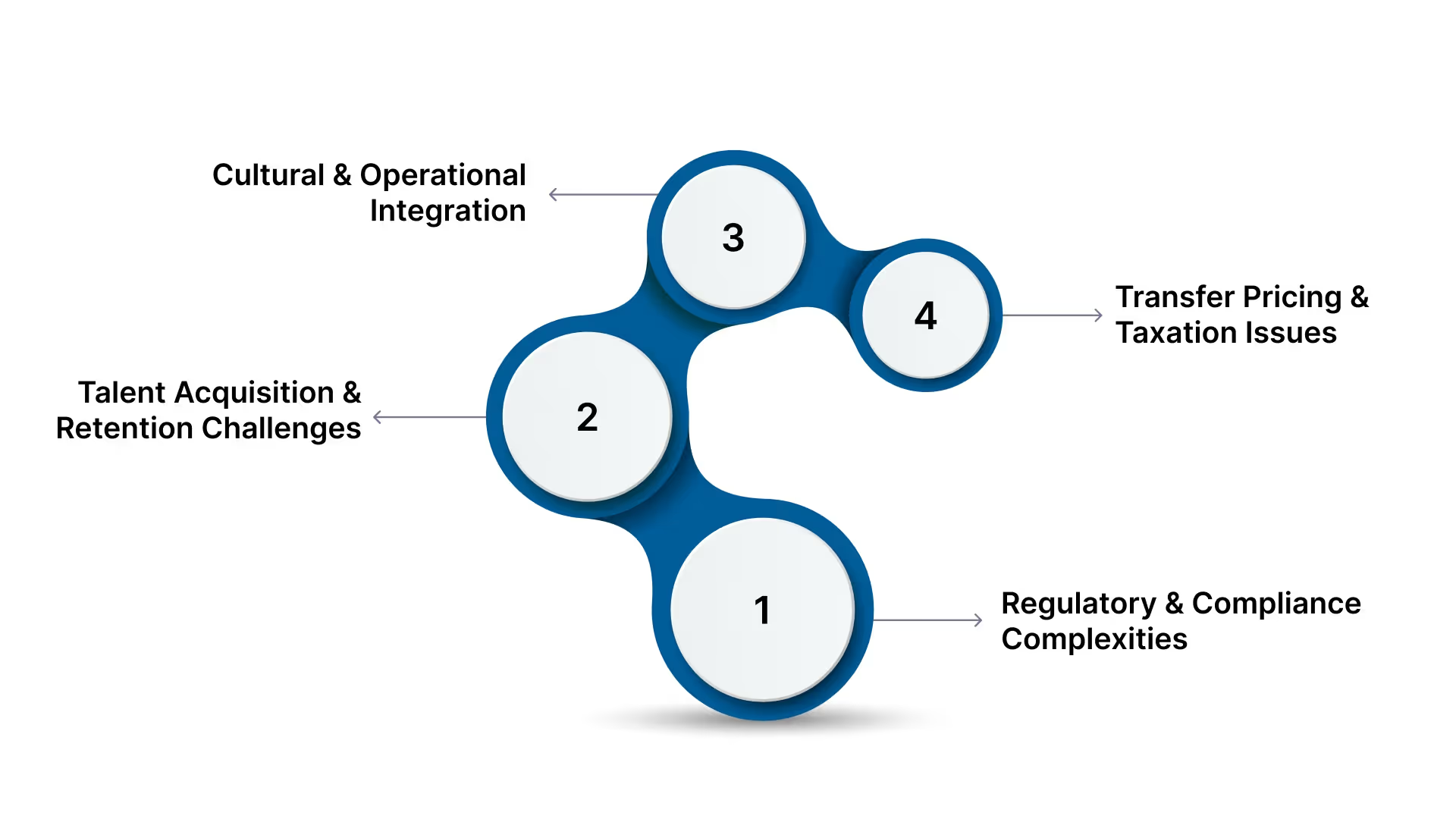
インドにおけるGCC設立の課題と隠れたコスト

Challenges and Hidden Costs in Setting Up a GCC in India

インドでのグローバル・ケイパビリティ・センター(GCC)設立には多くの利点がありますが、GCC運営の成功に影響を及ぼし得るいくつかの課題や隠れたコストについて、企業は認識しておく必要があります。

1. 規制およびコンプライアンスの複雑さ

インドの規制環境は、外国企業にとって複雑な場合があります。主な課題は以下の通りです。

  • 複数の登録と承認:GCCの設立には、企業省(MCA)、インド準備銀行(RBI)、物品サービス税(GST)当局など、さまざまな機関への登録が必要です。これらの登録にはそれぞれ、特定の書類作成とコンプライアンス要件が伴います。
  • 労働法の変更:インドの労働法は頻繁に変更されます。例えば、労働法規の最近の改正により、従業員の福利厚生、労働時間、解雇手続きに関する新たなコンプライアンス要件が導入されました。
  • データ保護規制:2023年デジタル個人データ保護法の制定に伴い、GCCはデータ取り扱いルールが厳格なデータ保護基準に準拠していることを確認する必要があります。

2. 人材の獲得と定着における課題

インドで優秀な人材を獲得し、定着させるにはいくつかの課題があります。

  • 高い離職率:インドのテクノロジーセクターでは、年間20%から30%の離職率が見られます。離職率が高いと、採用や研修のコストが増大するだけでなく、プロジェクトの継続性に支障をきたす可能性があります。
  • ニッチ分野におけるスキル不足:一般的なITやエンジニアリング分野の人材は豊富ですが、半導体設計や高度な分析といった専門スキルを持つ人材は不足しています。この不足により、採用コストの上昇や採用期間の長期化を招くことがあります。

3. 文化および運用の統合

GCCをグローバル組織に統合するには、文化や運用の違いを乗り越える必要があります。

  • コミュニケーションの障壁:コミュニケーションスタイルの違いや時差の問題は、誤解や遅延の原因となります。明確なコミュニケーションプロトコルを確立し、勤務時間を重ねることで、これらの問題を軽減できます。
  • ビジネス目標の整合性:GCCの目標が親会社の戦略的目標と一致していることを確認することが不可欠です。整合性が取れていないと、非効率が生じ、機会損失につながる恐れがあります。
  • 変化への抵抗:GCCの従業員は、親会社が導入する新しいプロセスや技術の採用に抵抗を示す場合があります。円滑な移行を実現するには、チェンジマネジメント戦略と継続的な研修プログラムが重要です。

4. 移転価格および税務上の課題

親会社とGCC間のグループ内取引を管理するには、慎重な計画が必要です。

  • 移転価格コンプライアンス:インドの税務当局は、グループ内取引が独立企業間価格で行われているかを確認するため、移転価格の取り決めを厳しく監視しています。企業は詳細な文書を保持する必要があり、監査や修正のリスクを軽減するために事前確認制度(APA)の取得が必要となる場合があります。
  • 間接税の影響:国境を越えた取引を行う場合、物品サービス税(GST)やその他の間接税が課される可能性があります。予期せぬ納税義務を避けるためには、これらの取引に伴う税務上の影響を理解することが不可欠です。
  • 利益の送金:GCCから親会社へ利益を送金する際には、源泉徴収税や外国為替規制への対応が必要となる場合があります。これらの側面を計画しておくことで、円滑な財務運営が可能になります。

親会社とGCC間の移転価格や税務上の課題を管理するには、専門知識と慎重な計画が求められます。税務業務を簡素化し、コンプライアンスを確保するために、貴社のビジネスニーズに合わせた専門的なガイダンスをご活用ください。 当社の移転価格サービスについて詳しくはこちらをご覧ください。

Final Thoughts

インドにグローバル・ケイパビリティ・センター(GCC)を設立することには、コスト削減、熟練した労働力の確保、政府の優遇措置、グローバル展開のための戦略的拠点など、多くの利点があります。

しかし、関連する包括的なコストを理解しておくことが不可欠です。適切な戦略を採用し、インドの資金調達オプションを活用することで、企業は設立および運営コストを最適化し、円滑かつ効率的なGCCの立ち上げを実現できます。

VJM Globalと提携し、 VJM Globalの法務、税務、運営面での全面的なサポートを受けて、インドでのグローバル・ケイパビリティ・センター(GCC)の設立と運営を行いましょう。

当社が提供するサポートは以下の通りです。

  • 事業体の構築と法人設立:インドの法律に基づき、完全子会社、LLP(有限責任事業組合)、またはその他のコンプライアンスに準拠した組織の設立を支援します。
  • 知的財産(IP)アドバイザリー:IPの所有権、国境を越えたIP移転、ロイヤリティ支払いに関する戦略的なガイダンスを提供し、税務上の影響を効率的に管理できるよう支援します。
  • 研究開発(R&D)税務最適化:研究開発費の構成を最適化して税控除を最大化し、インドの研究開発優遇プログラムの活用をガイドします。
  • 移転価格に関するガイダンス:IP開発および関連コストがインドの規制に準拠するように構成し、リスクを最小限に抑え、税務効率を向上させます。
  • FEMAおよびRBIコンプライアンス:インドの規制に従い、資本流入、株式割当、利益送金に関するガイダンスを提供します。
  • 駐在員の税務計画:租税条約(DTAA)の特典活用、給与体系の構築、駐在員の税務最適化を支援します。

VJM GlobalのGCCエンゲージメントモデル
貴社の特定のビジネスニーズに合わせて、VJM Globalでは柔軟なGCCエンゲージメントモデルを提供しています。

  • DIY(Do It Yourself)モデル:VJMの戦略的アドバイザリー、テンプレート、コンプライアンスツールキットを活用し、貴社主導で設立を進めます。専門家のガイダンスを必要とする社内主導型の構築に最適です。
  • BOT(Build-Operate-Transfer)モデル:GCCの構築から運営までを当社が全面的に引き受け、安定稼働後に移管します。スピード、規模、リスク低減を求める多国籍企業に最適です。
  • ハイブリッドBOTモデル:BOTとDIYを柔軟に組み合わせたモデルです。中核となる業務はクライアントが管理し、VJMが法務、税務、コンプライアンスの卓越性を保証します。

今すぐVJM Globalにご連絡ください。インドでのGCC設立をどのようにサポートできるか、またコスト管理、コンプライアンス、現地の規制といった複雑な課題をどのように解決できるかをご説明します。

FAQs

‍

Q1. インドでのGCC設立にはどのくらいの期間がかかりますか?

インドでのGCC設立プロセスは、法的な登録、インフラの構築、採用活動などの要因により、通常6か月から12か月かかります。

Q2. What are the main challenges companies face when setting up a GCC in India?

The challenges include managing complex regulatory frameworks, managing high attrition rates, and ensuring compliance with labor laws and tax regulations.

Q3. Can a foreign company set up a branch office or liaison office as a GCC in India?

Yes, foreign companies can set up branch offices or liaison offices in India. However, these structures are limited in terms of activities and cannot engage in revenue-generating operations.

Q4. What are the key cost components involved in setting up a GCC in India?

The main cost components for setting up a GCC in India include legal and regulatory compliance (entity registration, approvals), office infrastructure (rent, IT setup, furnishings), talent acquisition (salaries, recruitment costs), technology and software (licenses, cybersecurity), and operational expenses (utilities, office supplies). 

‍

VJM Global
VJM Globalの専門的な知見、ヒント、最新情報をご覧ください
著者について

最新のブログ

