

.avif)
If you purchase $250,000 worth of equipment this year, you may be able to deduct the full amount from your taxable income in the same year. This tax rule is called bonus depreciation, and it can free up cash for other business needs.
In 2025, the law still allows 100% bonus depreciation, which means qualifying assets can be written off immediately instead of over several years.
This can make a big difference in cash flow and help you plan larger investments without waiting for long-term tax benefits.
In the next sections, we’ll explain how bonus depreciation works, what assets qualify, and how to use it effectively for your business or clients.
Bonus depreciation, officially called the additional first-year depreciation deduction under Section 168(k), lets you deduct the entire cost of qualifying assets in the year they’re placed in service.
Instead of spreading out write-offs across five, seven, or even twenty years, you claim the full tax benefit upfront. For U.S. businesses, this means bigger deductions and faster cash flow relief.
Traditionally, asset purchases (like machinery or computers) were written off annually. For example, a $100,000 equipment purchase would result in $20,000 deductions over five years. With bonus depreciation, you deduct the whole $100,000 in year one, putting that money back into your business immediately.
Bonus depreciation started as a stimulus measure at 30% in 2002. Over the years, Congress increased rates, reaching 100% after the Tax Cuts and Jobs Act (TCJA) in 2017.
The TCJA set up a phase-out: 100% for assets placed in service through 2022, then dropping by 20% each year, set to reach 0% in 2027.
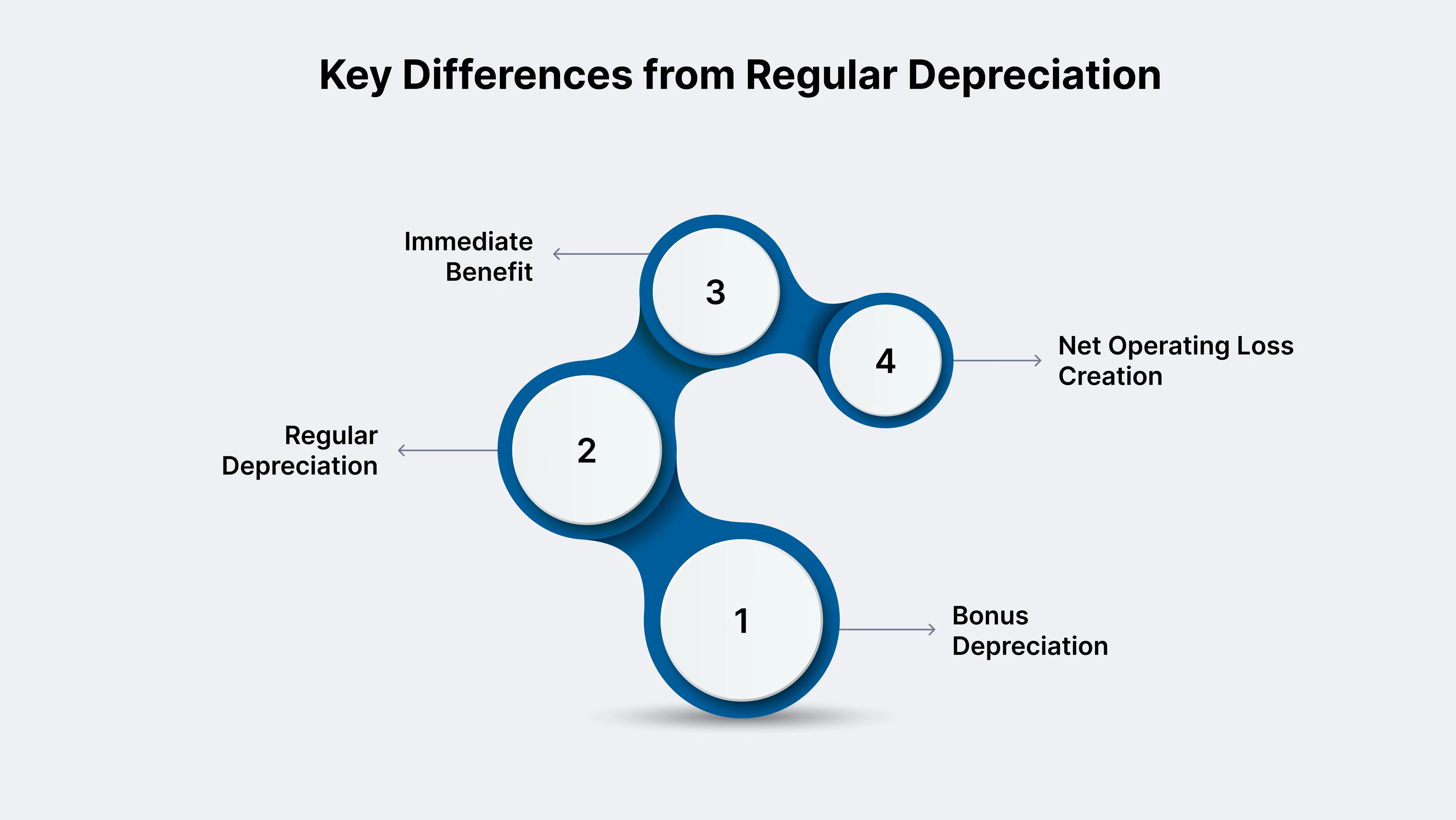
In July 2025, the “One Big Beautiful Bill Act” permanently restored 100% bonus depreciation. To qualify, property must be acquired and placed in service after January 19, 2025.
If it was acquired before this date, even if placed in service later, it only qualifies for the previous year’s lower rate (40% for 2025).
If you want to learn which assets qualify and how to maximise this tax break, keep reading, next, we’ll break down eligibility rules and qualifying property under Section 168(k).
あわせて読みたい:企業が発生主義会計を採用する理由
Now that you know the basics, let’s look at which types of property actually qualify for bonus depreciation and what rules you’ll need to follow.
ボーナス減価償却は、IRS(米国内国歳入庁)の規定により「適格資産」として分類されたものに対してのみ適用できます。
主な対象資産は以下の通りです。
MACRS資産(修正加速原価回収制度):回収期間が20年以下の有形事業資産。機械、重機、家具、コンピュータ、車両などが含まれます。
コンピュータソフトウェア:業務目的で購入された既製ソフトウェアが対象となる場合があります。
車両および機器:業務用の車両(トラック、バン、大型SUV)、オフィス家具、製造装置など。注意:6,000ポンド未満の乗用車には初年度の控除上限額が設けられているため、最新のIRS制限額を確認してください。
適格改良資産(QIP): 非居住用(商業用)建物に対して納税者が行った内装の改良(新しいHVAC、照明、乾式壁、天井など)。建物の増築、エレベーター、エスカレーター、構造フレームは対象外です。
適格生産資産(QPP): 製造業において、OBBBAに基づき2025年1月19日以降に生産目的で製造または取得された資産は、100%の費用計上が可能です。
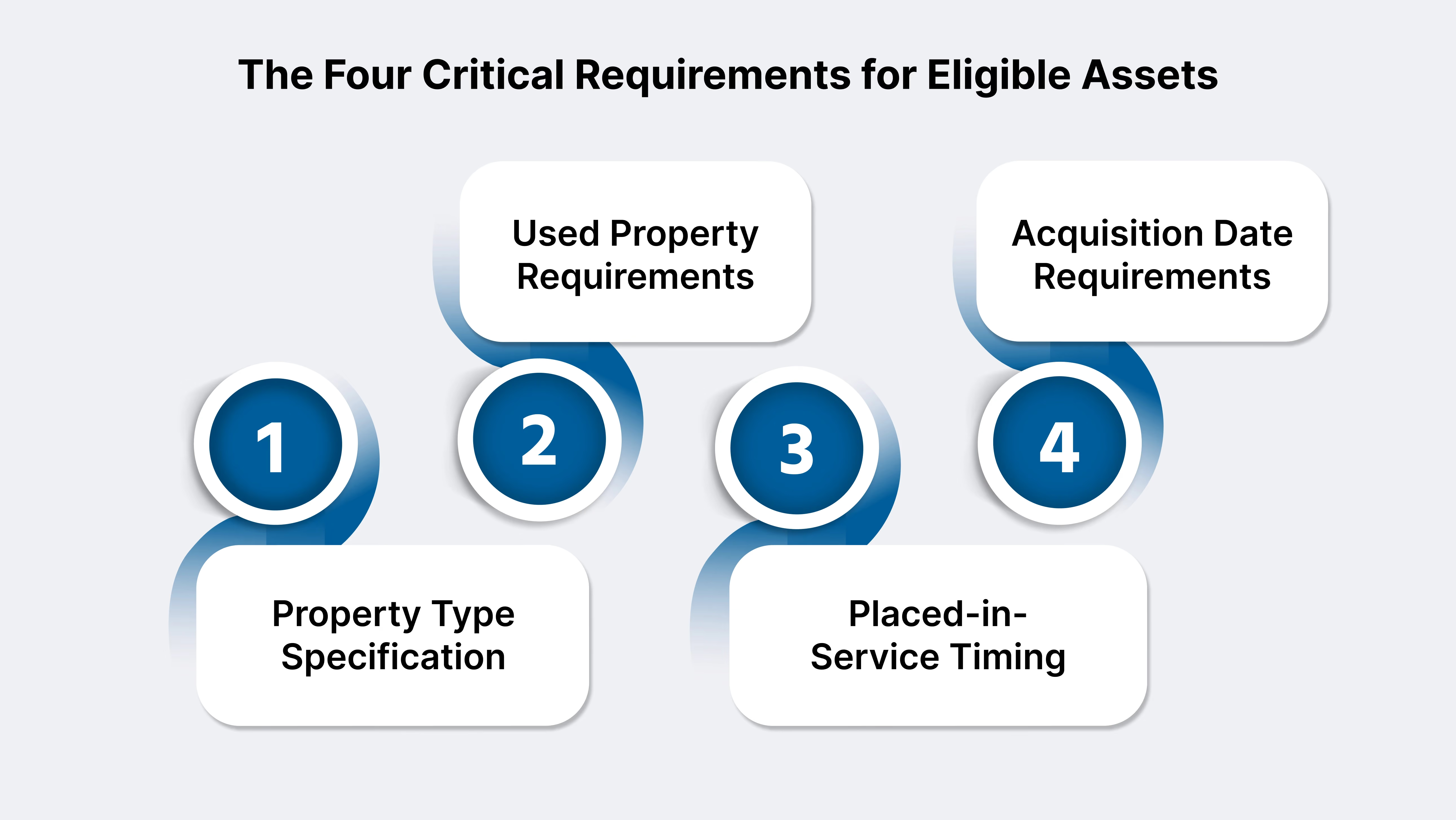
回収期間が20年以下の有形資産のみが対象となります(特定のソフトウェアや改良工事を含む)。
新品の資産は対象となります。中古資産については、独立当事者間取引で取得され、かつ納税者がそれまで使用したことがない場合に限り対象となります。
関連当事者間での取引や、納税者が以前に使用していた資産は除外されます。これは、控除を増やすための「資産の回転(churning)」を防ぐためです。
100%のボーナス減価償却を適用するには、2025年1月19日以降に事業の用に供する必要があります。それ以前に取得された場合は、従来の(引き下げられた)率が適用されます。
2025年1月19日より前の日付の拘束力のある書面契約に基づいて取得された資産は、供用開始が同日以降であっても100%の率は適用されません。その場合は、前年度の低い率のみが適用されます。
ボーナス減価償却における取得日とは、物理的に所有権を得た日ではなく、拘束力のある契約が締結された日を指します。
Certain property types are NOT eligible for bonus depreciation:
あわせて読みたい:中小企業のための経理管理方法
If you want to write off new assets fast and free up cash to invest elsewhere, confirm the asset fits IRS definitions, secure it after January 19, 2025, and never purchase from related parties.
For complex cases, like mixed-use property, building upgrades, or asset purchases through mergers, consult your tax advisor or VJM Global’s experts so your business gets the full value from bonus depreciation.
Once you know your assets are eligible, the next step is figuring out how to accurately calculate your bonus depreciation deduction.
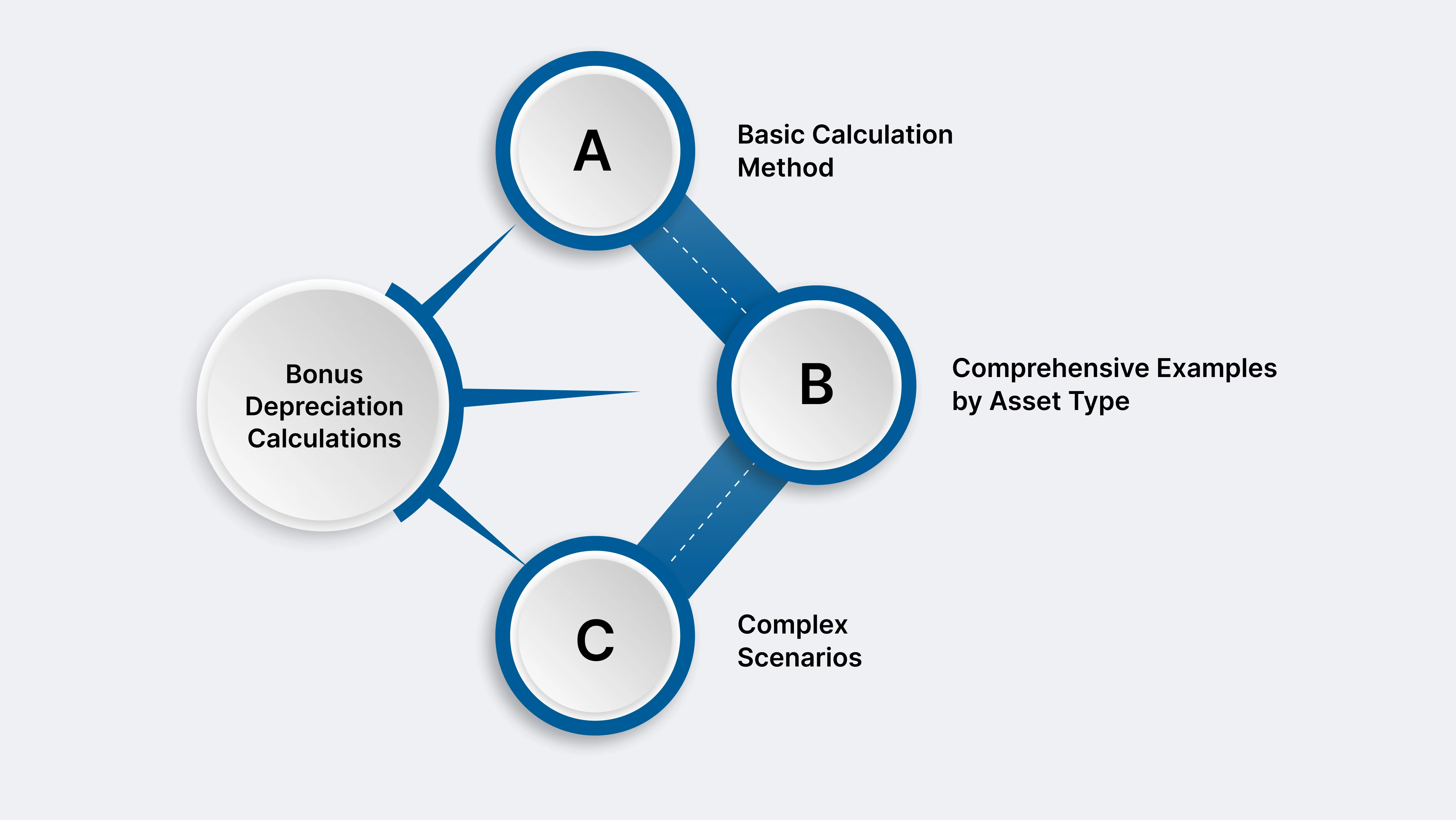
Bonus depreciation can be a game-changer for your business’s tax planning. Here’s how you can confidently calculate and maximize this deduction.
Let’s break down the steps for bonus depreciation calculation:
Bonus Depreciation Deduction = (Asset Cost−Section 179 Tax Credits) × Bonus Rate
50万ドルの製造設備を購入したとします。すでに179条控除を15万ドル適用済みです。2025年のボーナス減価償却率は、OBBBAの対象となる購入品であれば100%、それ以外の場合は40%です。
税金削減効果:
ビジネスにおいて、再投資や経費支払いに充てるための現金をより多く手元に残すことができます。
ソフトウェアとコンピュータシステムに5万ドルを投資しました。179条は適用していません。
通常の減価償却ではこれを数年にわたって分割するため、初年度の節税効果は限定的になります。
事業用車両は多くの場合対象となりますが、乗用車には初年度の控除上限が設けられています。2025年に供用開始された高級車の場合:
大型SUVやトラック(車両総重量6,000ポンド超)にはこの制限はなく、ボーナス減価償却を全額活用できますが、軽量の乗用車はIRS(内国歳入庁)の定めるこれらの上限に従う必要があります。
複数の資産(設備、コンピュータ、車両など)を組み合わせて購入した場合:
179条の限度額を超える購入(例:2025年に122万ドル超)の場合は、限度額まで179条を適用し、残額にボーナス減価償却を適用した上で、最終的な基礎額に対して通常の減価償却を行います。
建物、備品、土地改良物など、複数の構成要素を含む不動産を購入する場合、コストセグリゲーション(コスト分離)調査を行うことで、対象となる資産を切り分けることができます。これにより、耐用年数が20年以下の資産に対してボーナス減価償却を適用することが可能になります。
これにより、複雑な購入案件であっても、初年度の控除額を大幅に増やし、キャッシュフロー上の節税効果を高めることができます。
あわせて読みたい:工事進行基準(Percentage of Completion)とは?
控除の計画を立てる際、ボーナス減価償却と内国歳入法第179条(Section 179)の比較を理解しておくことは、それぞれの選択肢を最大限に活用する助けとなります。
事業用資産の購入を計画する際、ボーナス減価償却と第179条のどちらが有利かを理解することは、税制上のメリットを最大化するために不可欠です。知っておくべきポイントは以下の通りです。
多くの企業は、まず第179条を適用します。第179条の控除上限や所得制限に達した後に、残りの資産ベースに対してボーナス減価償却を適用します。
この2段階のアプローチにより、将来の柔軟性を維持しつつ、当年度の控除額を最大化できます。
それぞれの方法の強みと限界を理解することで、主要な購入のタイミングを計り、税務上の結果を予測し、クライアントに対して賢明な計画を提案できるようになります。
米国でのビジネスにおいて、第179条とボーナス減価償却の両方を最大限に活用するためのアドバイスが必要な場合は、VJM Globalのチームが各ステップをサポートします。収益をより多く手元に残し、将来の成長へ再投資できるようお手伝いいたします。
Also Read: Notes Payable vs Accounts Payable: Key Differences Explained
すべての控除を利用することが必ずしも最善の策とは限りません。ボーナス減価償却の適用を見送るべきタイミングと理由について解説します。
ボーナス減価償却の適用を除外するという選択は、現在および将来の納税額に影響を与える戦略的な判断です。いつ、どのように適用を見送るべきかを知ることは、税制上のメリットを最大化し、予期せぬ事態を避け、正確な計画を立てる助けとなります。
Why would you skip immediate bonus depreciation and spread deductions over several years? Here are the situations where this makes sense:
1. Income Smoothing: If your business expects higher profits in future years, saving deductions by electing out allows you to offset future income rather than using them up in a low-income year.
2. Alternative Minimum Tax (AMT): Bonus depreciation can trigger or increase AMT liability. Electing out can reduce exposure, giving you more control over how depreciation impacts your tax situation.
3. Future Year Planning: If you're tracking income spikes (like large contracts, business sales, or other big events), you might want steady deductions later. Opting out gives you this flexibility.
4. State Tax Conformity Issues: Not every state allows federal bonus depreciation. Electing out prevents large federal tax deductions that may not be useful on your state return, avoiding complex adjustments.
5. Passive Activity Loss Limitations: For investors or businesses facing limits on passive losses, bonus depreciation might create losses you can’t use. Electing out preserves these deductions for more favorable years.
If you decide to elect out, here’s how to do it properly; mistakes can’t be easily reversed!
Opting out of bonus depreciation may seem counterintuitive, but it provides powerful control over when and how deductions are used.
Taking the time to analyze your year-end strategy, future growth, and state tax position will help you make the best choice for your business.
Also Read: How Much Does a CPA Charge for Tax Preparation
税務上の成果を真に最適化したいとお考えなら、高度なプランニング戦略が最終的な収益に大きな違いをもたらします。
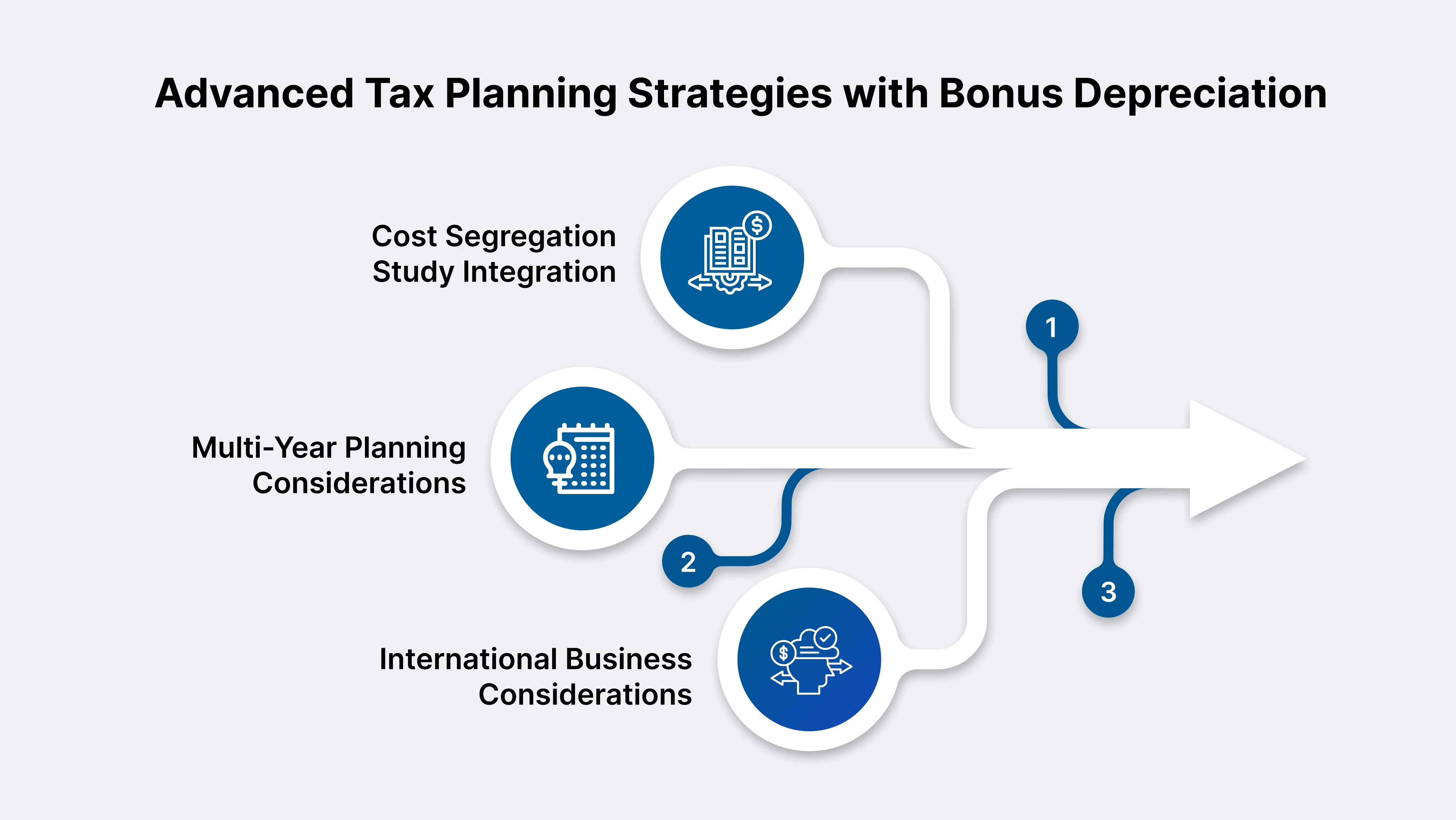
ボーナス減価償却を活用した税務プランニングは、米国のビジネスにおいてキャッシュフローを最大化し、控除のタイミングを戦略的に調整し、不動産投資や海外展開を最適化するための強力な機会をもたらします。戦略をレベルアップさせる方法は以下の通りです。
不動産投資で初期の控除額を最大化する方法をお探しですか?その答えは、コストセグリゲーション調査にあります。
この分析では、建物のコストをカーペット、電気設備、空調設備などの耐用年数が短い構成要素に分解します。標準的な39年や27.5年ではなく、5年、7年、15年で減価償却できる特殊な設備も対象となります。
2025年1月19日以降に供用開始されたほとんどの適格資産に対し、100%のボーナス減価償却が恒久化されました。コストセグリゲーションを通じて耐用年数の短い資産に割り当てられた金額は、すべて即時に損金算入が可能です。
つまり、不動産投資家や事業主は、初年度に大幅な税務控除を受け、キャッシュフローを加速させることができるのです。
最良の結果を得るためには、資産が正しく分類され、文書が税務調査に耐えうるものとなるよう、エンジニアリングとIRSコンプライアンスの両方に精通した専門家にご相談ください。
資産の購入と控除のタイミングを適切に計ることは極めて重要です。継続的な節税を実現するための計画方法は以下の通りです。
州レベルのプランニングも忘れないでください:一部の州では連邦のボーナス減価償却と税制が異なるため、予期せぬ事態を避けるために連邦と州のスケジュールを調整してください。
国境を越えた資産投資では、ボーナス減価償却のメリットを享受し、複雑な問題を回避するために慎重な計画が必要です。
1. 外国企業による米国子会社構造:米国子会社を設立することで、外国企業は米国内で供用開始された適格資産に対してボーナス減価償却を利用できます。適格性を最大化するように取得を構成し、すべての契約および供用開始日を文書化してください。
2. 国境を越えた取得プランニング:グローバル展開のために資産を取得する際は、米国および各国の減価償却ルールを確認してください。ボーナス減価償却を活用することで、税務およびキャッシュフローの観点から米国への進出がより魅力的なものとなります。
3. インド進出の影響:米国企業がインドへ進出する場合、VJM Globalが現地の減価償却ルールの把握や、両国における資産購入および事業構造の同期化をサポートします。
これにより、国境を越えた投資が税務上最適化され、IRSおよびインドの規制要件の両方に準拠することが可能になります。
あわせて読みたい:企業の戦略的税務プランニングサービス
With these strategies in mind, you’re ready to put a concrete action plan in place to maximize your bonus depreciation benefits in 2025.
As you plan your investments for 2025, these steps can help you maximize bonus depreciation and keep more cash in your business:
関連記事:包括的なクロスボーダー税務計画戦略
Deciding when to engage with tax experts is crucial:
With these strategies in mind, you’re ready to put a concrete action plan in place to maximize your bonus depreciation benefits in 2025.
Bonus depreciation remains one of the most effective tax tools for U.S. businesses, especially with the permanent 100% rate for qualifying assets acquired after January 19.
From accelerating deductions on equipment, vehicles, and QIP to leveraging cost segregation for real estate, the opportunities extend far beyond a single tax year.
The right strategy can boost cash flow, support expansion, and lower overall tax liability while keeping your operations fully compliant.
However, bonus depreciation planning requires precision; missteps in timing, documentation, or asset classification can reduce or eliminate the benefit. Professional guidance ensures every deduction is optimized, every rule followed, and every opportunity captured.
Ready to maximize your bonus depreciation benefits?
Contact VJM Global's expert team for personalized strategies that align with your business goals and ensure full compliance. With expert planning, you can invest confidently today and enjoy sustainable tax savings for years to come.
Bonus depreciation doesn’t apply directly to land or buildings, but qualified improvement property (QIP), like interior upgrades to nonresidential buildings, does qualify. A cost segregation study can help identify eligible building components.
Yes. Taxpayers can elect out of bonus depreciation on a class-by-class basis. This election must be made when filing your return with Form 4562, and is generally irrevocable for that year.
The OBBBA permanently reinstated 100% bonus depreciation for assets acquired and placed in service after January 19, 2025, eliminating the previous phaseout. This means you can fully deduct qualifying property without yearly reductions.
Yes. If bonus depreciation exceeds your taxable income, it can create a net operating loss, which can be carried forward to offset future income.
Section 179 lets you selectively expense assets up to $2.5M (2025 limit) and is limited by taxable income, while bonus depreciation has no dollar or income cap and applies automatically to all eligible assets unless you opt out.
Report bonus depreciation on IRS Form 4562 when filing your federal tax return for the year the property is placed in service. Attach documentation for acquisition and the placed-in-service dates.

.avif)


