

.avif)
If you're planning to close your registered company in India, it's crucial to understand that the process involves more than just submitting a few forms.
From settling outstanding liabilities to ensuring compliance with the Ministry of Corporate Affairs (MCA), each step must be handled meticulously to avoid future legal complications.
Improperly closing a business can lead to significant financial repercussions. According to Investopedia, approximately 90% of startups fail, with key reasons including running out of funding, targeting the wrong market, inadequate research, poor partnerships, ineffective marketing, and lack of expertise.
This statistic underscores the importance of diligently managing financial obligations during the closure process to prevent unforeseen liabilities.
If you're wondering how to close a registered company in India, this guide will walk you through the essential steps, ensuring a smooth process in compliance with all legal requirements.

Closing a registered company in India is a significant decision that often arises from various strategic, financial, or operational factors. Understanding these reasons can help you better prepare for the closure process and mitigate potential risks. Here are the most common reasons why you might consider closing your company in India:
If your global or regional business strategy shifts, you may need to consolidate operations, merge subsidiaries, or shut down entities that no longer align with your core objectives. This could be driven by a desire to reduce overhead, simplify your corporate structure, or focus on more profitable markets.
Sometimes, despite thorough research, a product or service might not perform well in the Indian market due to competition, consumer preferences, or economic factors. Exiting the market proactively can prevent further financial drain and allow you to reallocate resources effectively.
India’s regulatory environment can be complex, with continuous updates to laws such as GST, the Foreign Exchange Management Act (FEMA), and the Reserve Bank of India (RBI) guidelines. If compliance burdens increase significantly or become cost-prohibitive, closing the company may be the prudent option to avoid penalties or operational risks.
Sustained cash flow issues, escalating operational costs (like salaries, rent, or vendor payments), or accumulating debt can make maintaining your company unviable. In such cases, a structured closure helps manage liabilities and protect your overall financial health.
If your company was incorporated for a specific, limited purpose, such as executing a particular contract or testing market potential, closure might naturally follow once the objective is met.
Changes in ownership, merger and acquisition activities, or new management directions can prompt reevaluation of your Indian entity’s relevance. Closing the company may be part of a broader business decision.
Sometimes, companies choose to close dormant or inactive entities to minimize ongoing compliance costs and reduce exposure to legal or financial risks linked to inactive businesses.
By clearly identifying your reason for closure, you can adopt the most appropriate winding-up method.
Also Read: Company Registration Cost in India Explained
Next, let’s explore the types of closure methods available in India depending on your business structure.
The process and requirements for closing a company in India vary depending on the type of business entity you operate. Here’s an overview of how closures typically differ across company structures. Whether you run a private limited company, LLP, OPC, or public company, each comes with its own legal procedures, timelines, and compliance steps.
Your company’s financial status, operational activity, and regulatory standing will determine the right path. If you’re trying to understand how to close a registered company in India, knowing these types of closures is the best place to start.
Closing a Private Limited Company was traditionally a lengthy and formal process. However, recent regulatory updates have introduced faster methods. While these options expedite closure, they may involve legal and financial risks if not handled properly. Having expert support can ensure the process is completed smoothly and compliantly.
Before initiating closure, it’s critical to settle all outstanding statutory compliances up to the most recent financial year. Only after compliance is fully addressed can the formal closure process begin, ensuring the company is dissolved according to legal requirements.
Similar to Private Limited Companies, closing an LLP used to be a complicated procedure. Recent reforms have simplified the process, but potential risks remain. Professional assistance can provide peace of mind by managing the entire process efficiently and in full compliance.
The closure of a Section 8 Company (a not-for-profit entity) follows a process similar to that of a Private Limited Company, with differences primarily in the specific forms required for the Ministry of Corporate Affairs (MCA) filings. The entire process typically takes around 6 to 8 months.
A Proprietorship Firm is owned and managed by a single individual, with all tax registrations and compliances in their name. Closing a proprietorship generally involves surrendering the relevant tax registrations and business licenses, making it comparatively straightforward.
Partnership Firms can be either formally registered with the Registrar of Firms or operate based on a partnership agreement without formal registration. The closure process varies depending on the registration status, and each requires careful attention to legal formalities and documentation.
Understanding the nuances of closure procedures for different company types is essential to avoid compliance issues and financial penalties. Tailoring the closure approach to your company’s legal structure will ensure a smooth and legally compliant exit.
The next step is to understand the legal options for closing your company, whether voluntarily or through a compulsory process.
The method you choose to close your registered company in India depends largely on your specific circumstances and the reasons behind the closure. Generally, company closures fall into two main categories: voluntary and involuntary. Understanding these options will help you select the most appropriate process and ensure compliance with Indian laws.
Voluntary closure occurs when you, as the business owner or shareholders, decide to close the company willingly. This category includes two primary types:
Involuntary closure happens when external authorities, such as courts or regulatory bodies, compel the company to shut down, usually due to insolvency or legal non-compliance. Common types of involuntary closure include:
Choosing the right type of closure is critical to ensure a smooth exit and avoid future legal or financial complications. Each process has specific legal requirements and implications, so it’s important to understand which option aligns best with your business situation.
Moving on, you’ll need to gather specific documents to initiate the closing process. Here’s a checklist of what you’ll need.
Closing a company in India involves submitting various legal and financial documents to regulatory authorities such as the Ministry of Corporate Affairs (MCA), Income Tax Department, GST authorities, and others. Having all the necessary documents prepared in advance helps streamline the closure process and avoid delays or rejections.
Below is a comprehensive list of key documents typically required during the company closure process:
あわせて読みたい:企業向け監査チェックリストガイド
これで正式な閉鎖手続きを開始する準備が整いました。次のセクションでは、インドにおける会社閉鎖の主要なステップについて解説します。
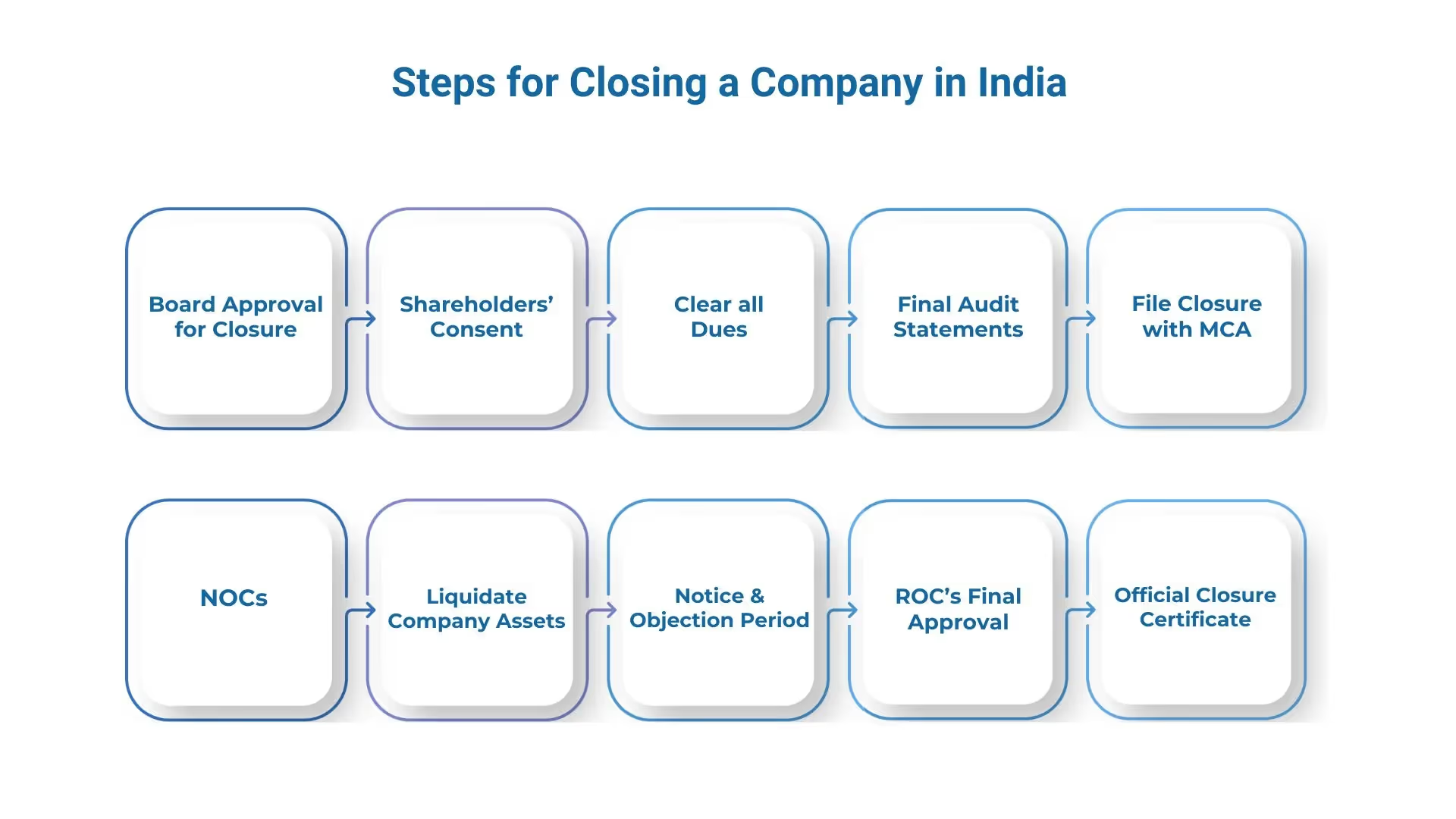
インドで登録された会社を閉鎖するには、正式な解散の前にすべての財務的、法的、およびコンプライアンス上の義務が果たされていることを確認するための、多段階の法的手続きが必要です。会社の種類や閉鎖方法によって一部の手順は異なりますが、一般的なプロセスの概要は以下の通りです。
取締役会を招集し、会社閉鎖の手続きを開始することを正式に決定する必要があります。この会議で、取締役会は会社閉鎖に関する正式な決議を採択します。この決議により手続きが開始され、主要な担当者が必要な措置を講じる権限が付与されます。会議の議事録は、決定の証拠として記録・保管しなければなりません。
重要ポイント:
取締役会の決議後、株主総会を招集し、承認を得る必要があります。定款や適用される法律に基づき、通常は所定の多数決による特別決議が求められます。会社閉鎖を法的に有効とし、将来的な紛争を防ぐためには、株主の承認が不可欠です。
重要ポイント:
手続きを進める前に、未解決の財務上の義務をすべて清算してください:
重要ポイント:
閉鎖時点までの会社の財務状況を反映した、最終的な貸借対照表、損益計算書、およびキャッシュフロー計算書を作成してください。
これらの書類については、正確性と会計基準への準拠を証明するため、公認会計士による監査を受ける必要があります。
重要ポイント:
閉鎖の種類に応じて、所定の様式および書類をMCAに提出してください:
重要ポイント:
会社がすべての法的および規制上の要件を満たしていることを確認する、以下のクリアランス証明書を取得する必要があります:
重要ポイント:
会社が設備、不動産、在庫などの資産を保有している場合は、それらを売却または譲渡する必要があります:
重要ポイント:
閉鎖申請の提出後、MCA(企業省)または登記官は、債権者、従業員、その他の利害関係者からの異議を募るための公示を行います。
重要ポイント:
異議申し立て期間が終了し、異議がない場合、または異議が解決された後、登記官は公式登記簿から会社を抹消する命令を発行します。
重要ポイント:
最後に、MCAまたは関連当局から閉鎖証明書または解散証明書を受け取ります。
これらの詳細な手順を徹底的に遵守することで、インドにおける会社閉鎖を円滑に進め、リスクや法的責任を最小限に抑えながら、規制枠組みへの完全な準拠を確保することができます。
会社を円滑かつ法令に準拠して閉鎖するために専門家のサポートが必要ですか?VJM Globalでは、お客様のビジネスニーズに合わせた包括的な会社閉鎖サービスを専門としています。当社の法律および財務の専門家チームが、煩雑な書類作成、期限内の申告、および完全な規制コンプライアンスをサポートします。
あわせて読みたい:年度末決算プロセスのステップバイステップガイド
会社の閉鎖には税務上の責任も伴います。閉鎖後に何をすべきかを確認しましょう。
インドで会社を閉鎖しても、税務上の義務が自動的に終了するわけではありません。将来的な法的・財務的問題を回避するために、閉鎖後も対応すべき税務コンプライアンス要件や影響がいくつか存在します。
閉鎖後であっても、会社は事業を停止した会計年度の最終所得税申告(ITR)を行う必要があります。この申告には以下を含める必要があります:
最終申告を怠ると、所得税局からのペナルティや法的通知を受ける可能性があります。
会社が行った支払いに関連するすべてのTDS申告が完了しており、未払いのTDS債務が解消されていることを確認してください。これには、給与、請負業者への支払い、およびその他の特定の取引に対するTDSが含まれます。
コンプライアンス違反は、最終査定時のペナルティや経費否認につながる可能性があります。
会社がGSTに登録されている場合は、以下の対応が必要です:
GSTの未払い債務や還付金は、登録取り消し前に精算する必要があることに留意してください。
法人税やGST(物品サービス税)以外にも、企業は以下のような税務登録を保持している場合があります。
将来的なコンプライアンス上の通知を避けるため、これらの登録は関係当局に対して正式に閉鎖または返納の手続きを行う必要があります。
会社閉鎖後であっても、過去の申告内容に不備がある場合や調査が継続している場合など、所得税当局が査定や監査を開始することがあります。以下の対応が重要です。
会社が関連当事者(子会社、持株会社、関連会社など)との取引を行っていた場合は、閉鎖日までの移転価格規制への準拠を確認してください。将来の参照用に、文書および開示情報を保持しておく必要があります。
清算時には、株主が資産分配による収益を受け取る場合があります。これらの受取金には、以下のような税務上の影響が生じる可能性があります。
株主は、閉鎖に伴い発生する個人の納税義務を把握するため、税務アドバイザーに相談することをお勧めします。
あわせて読みたい:企業の戦略的税務プランニングサービス
閉鎖証明書を受け取った後も、最後に行うべき作業がいくつか残っています。
会社の閉鎖は大きな節目ですが、正式な解散証明書が発行された時点で手続きがすべて完了するわけではありません。円滑な撤退を実現し、将来的な問題を回避するために知っておくべき重要なアクションと結果を以下に詳しく解説します。
登記官(RoC)が抹消命令または解散証明書を発行すると、会社は法的人格としての存在を終えます。これは以下を意味します。
正式な解約手続き後:
会社が保有するすべてのライセンス、許認可、登録を正式に返納または取り消しする必要があります。これには以下が含まれますが、これらに限定されません。
これらの手続きを怠ると、将来的に法的な通知や罰金の請求を受ける可能性があります。
法律により、企業は財務記録および法定記録を最低限の期間(通常8年間)保管することが義務付けられています。解約後であっても、以下を保管してください。
これらは、将来的な法的、税務的、または監査上の目的で必要となる場合があります。
解約後に訴訟、紛争、または債権者からの請求が発生した場合、解決のために株主や取締役へ連絡が入る可能性があります。会社は解散していますが、特に不適切な解約が行われた場合など、特定の負債や問題については対応が必要となることがあります。
コンプライアンスが不完全であった場合や不正行為があった場合など、特定のケースでは、取締役や株主が個人的に責任を問われる可能性があります。以下の点に留意することが重要です。
株主はすべての負債が清算された後に残余財産を受け取りますが、解約後の権利は消滅します。債権者への支払いは解約前に完了している必要があります。未払いの債務がある場合、法的な問題に発展する可能性があります。
解約後に新しい事業や会社を立ち上げる予定がある場合は、以下の点にご注意ください。
手続きは一見単純に見えるかもしれませんが、会社閉鎖の過程で企業が直面する一般的な課題がいくつか存在します。
インドにおける会社閉鎖は、法務、財務、手続き上の多くのハードルを伴う複雑なプロセスです。一般的な課題を事前に把握し、先を見越した対策を講じることで、遅延や罰金、法的なトラブルを回避することができます。
問題点:
不完全、不正確、または不適切に作成された書類の提出は、企業省(MCA)やその他の当局によって閉鎖申請が却下される最も頻繁な理由の一つです。これは、時間のかかるやり取りや手続きの遅延につながります。
回避策:
問題点:
債権者への未払い債務、未払税金、従業員への未払い賃金、または未払いの仕入先への支払いは、閉鎖プロセスを停滞させる可能性があります。当局は、閉鎖の承認を与える条件として、負債の完全な清算を求めています。
回避策:
問題点:
所得税申告書、GST申告書、会社登記官への年次報告書などの義務的な申告を怠ると、当局による却下や強制清算につながる可能性があります。
回避策:
問題点:
閉鎖申請後の異議申し立てを求める公示期間中に、債権者、従業員、その他の関係者が紛争や請求を提起した場合、手続きが遅延する可能性があります。
回避策:
問題点:
清算手続きにおける会社資産の不適切な評価、売却、分配は、法的な問題や株主・債権者間の紛争を引き起こす可能性があります。
回避策:
問題点:
係争中の訴訟、規制当局による調査、その他の法的紛争を抱えている企業は、閉鎖手続きにおいてさらなる障壁に直面し、手続きが大幅に遅延する可能性があります。
回避策:
問題点:
専門家のサポートなしで会社を閉鎖しようとすると、手続き上のミス、期限の逸脱、規制違反が発生し、リスクやコストが増大する恐れがあります。
回避策:
インドにおける会社閉鎖は、単に事業を停止するだけではありません。完全かつリスクのない撤退を実現するためには、財務、法律、コンプライアンスに関するあらゆる要件を満たす必要があります。インドで登録会社を閉鎖する方法を学ぶ際には、取締役会決議や最終監査から、法定申告や納税証明に至るまで、すべてのステップを正確に実行しなければなりません。少しの不注意が、取締役や株主にとって遅延や罰則、将来的な合併症を招く結果となりかねません。
VJM Globalでは、会社閉鎖に関する一貫したサポートを専門としています。当社の専門家が、規制要件の理解、正確な書類作成、期限内の申告完了を支援します。ストライクオフ(登記抹消)であれ、任意清算であれ、スムーズでコンプライアンスに準拠した透明性の高い撤退プロセスをお約束します。
今すぐVJM Globalにご連絡ください!

.avif)


