


インドで事業を展開する米国企業にとって、休眠会社は特に事業を一時停止している場合、問題ではないように思えるかもしれません。しかし、インドには約 15万社 の休眠会社が存在しており、その多くは活動を停止しているか、将来のプロジェクトのために貴重な資産や知的財産を保持する目的で利用されています。
会社が積極的に取引を行っていない場合でも、法務、税務、規制上の責任が消滅するわけではありません。休眠会社は、不必要な手数料の発生、納税義務、コンプライアンス上の問題など、会社の法的地位や評判に影響を及ぼしかねない重大なリスクを抱える可能性があります。
本ブログでは、インドにおける休眠会社とは何かを解説し、米国企業の経営者が認識しておくべき法的義務、税務上の影響、潜在的なリスクについて詳しく説明します。それでは始めましょう。
インドでは、2013年会社法第455条に基づき、会計年度中に重要な会計取引がない会社を休眠会社と定義しています。会社が収益を生み出しておらず、日常的な事業活動に関与していない場合でも、政府当局への登録は維持されます。
休眠という概念は、現時点では事業を行っていないものの、将来のために法的な存在を維持する必要がある企業のために存在します。このステータスは、待機状態にある企業、組織再編中の企業、または将来的に事業を開始する予定の企業に適用されます。
インドで事業を展開する米国企業の経営者にとって、休眠会社は米国における活動停止中の事業体や法人と同様の機能を果たします。主な違いは、米国には「休眠会社」という正式なステータスが存在せず、代わりにコンプライアンス状況に応じて「活動停止」「期限切れ」「一時停止」といった用語が使われる点です。
あわせて読みたい:インドが国際的な事業拡大に最適な理由
休眠会社について理解したところで、次はインドで正式に休眠会社として認められるための基準を見ていきましょう。
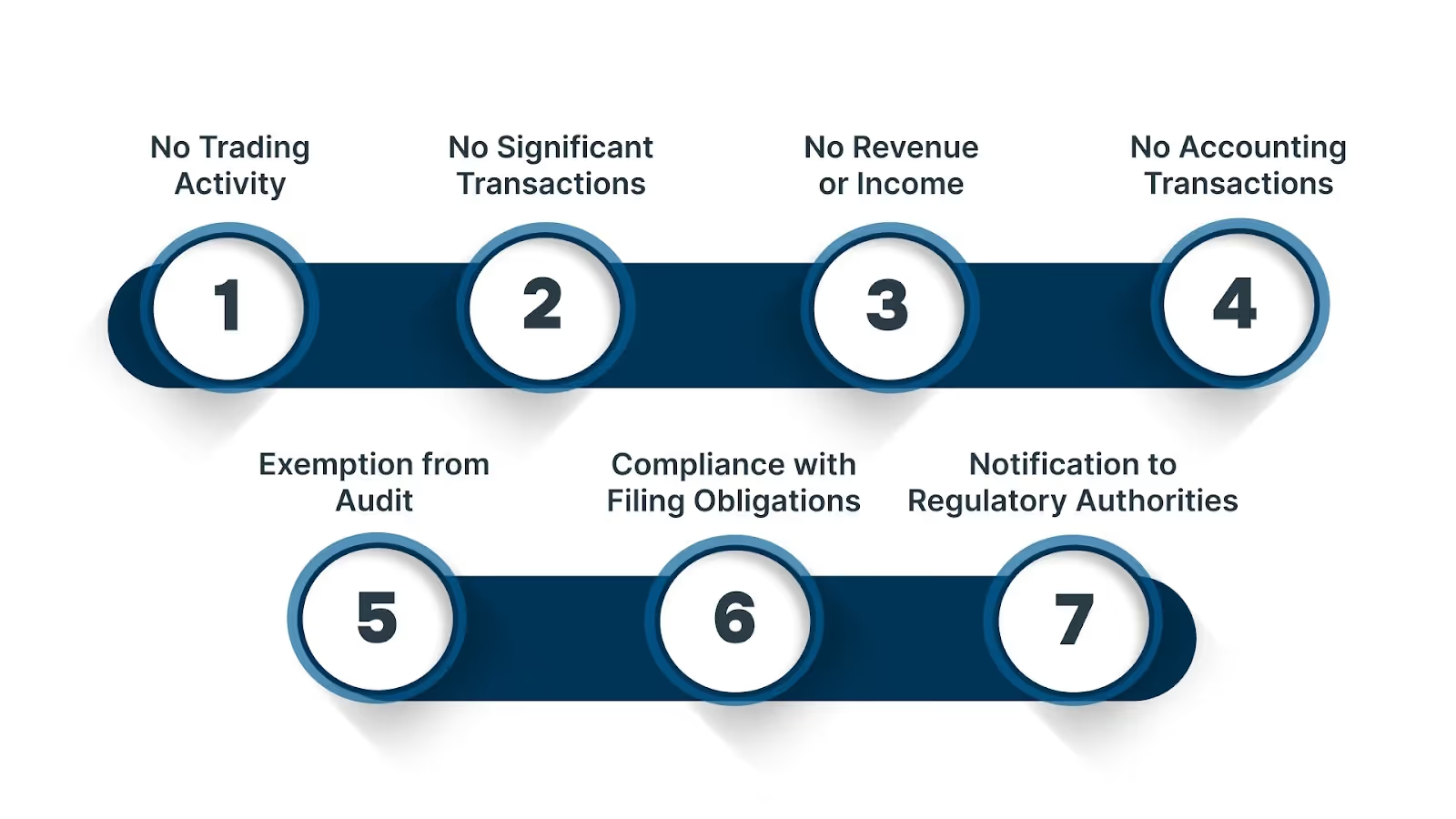
休眠会社は通常、将来の使用や市場環境の変化を待つ間、その状態を維持します。会社が休眠会社として分類されるには、以下の基準を満たす必要があります。
休眠会社は、最小限の運営責任で法人格を維持できる手段ですが、不必要なリスクや合併症を避けるため、企業はコンプライアンス要件を常に把握しておく必要があります。
なぜ企業が休眠を選択するのか疑問に思うかもしれません。企業がこのステータスを選択する理由と、それが米国企業にどのような利益をもたらすのかを探ってみましょう。
休眠ステータスを選択することは、貴重な資産を失うことなく移行期を管理するための戦略的な決定となり得ます。企業が休眠を選択する一般的な理由は以下の通りです。
休眠は、不確実な時期や移行期において柔軟性とコントロールを提供し、適切な機会が訪れたときに即座に行動できるよう備えることを可能にします。
会社を休眠状態にすることを検討している場合は、正しい手順に従うことが不可欠です。これについて詳しく見ていきましょう。
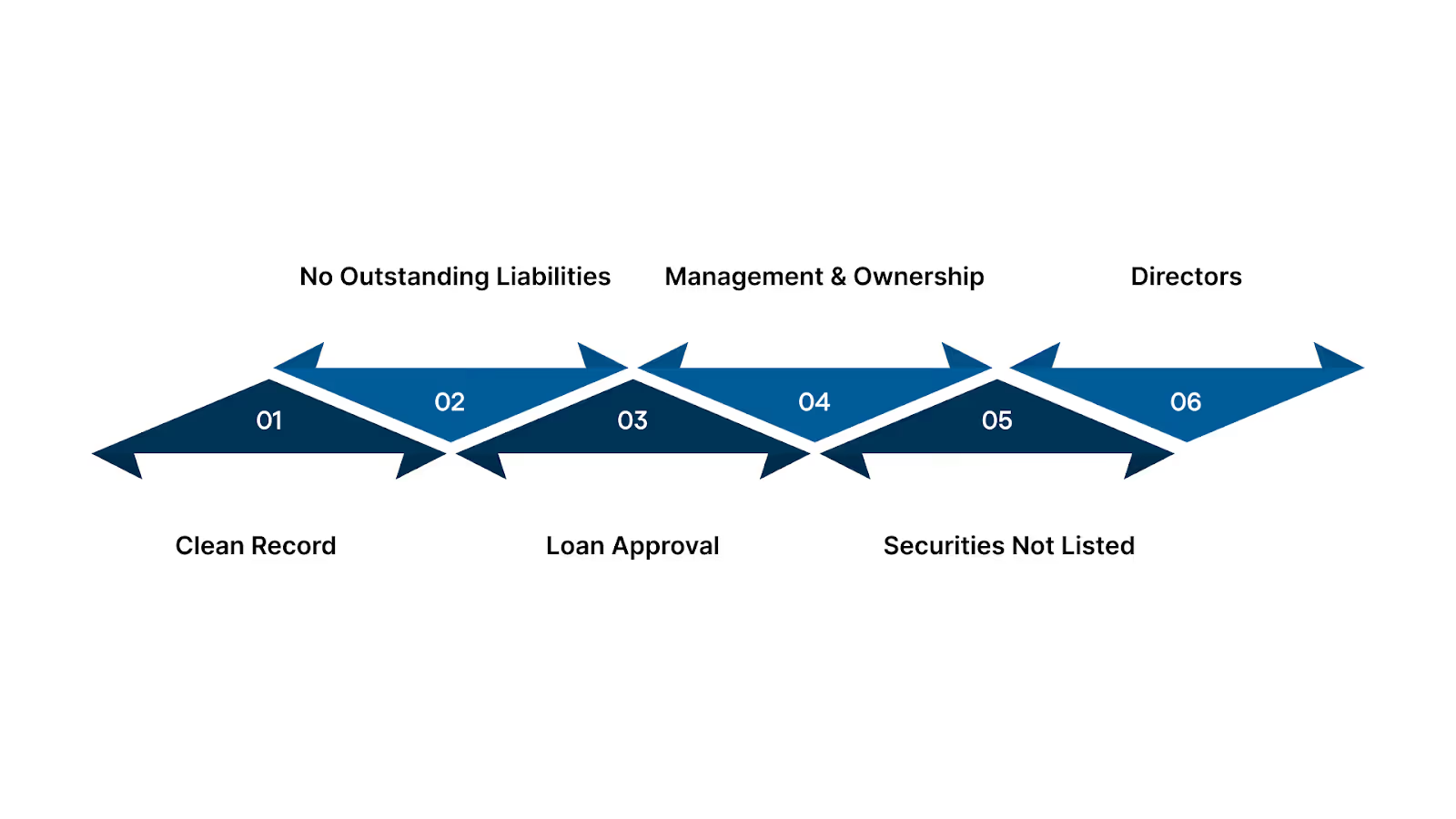
To apply for dormant company status in India, certain conditions must be met, including that the company is in good standing and free of pending obligations. Here’s an overview of the key requirements:
Completing the necessary formalities helps U.S. business owners maintain their dormant company’s compliance and legal standing for future use.
At VJM Global, we offer end-to-end support in managing dormant companies, from handling the paperwork for dormant status applications to ensuring ongoing compliance with Indian tax laws. Our team specializes in cross-border compliance, tax filings (including ITR-6), and corporate governance, making the process seamless for U.S. businesses. Get in touch today.
Once a company is dormant, there are still responsibilities to uphold. Let’s discuss the ongoing compliance requirements that must be met to keep your dormant status intact.
Getting dormant status approved is only the first step. A dormant company in India still has specific responsibilities that must be followed to maintain its legal standing.
A dormant company is still a legally registered entity. Directors must keep the company in good standing by ensuring all statutory requirements are met, from maintaining a registered office to updating key records.
If the dormant entity holds assets such as intellectual property, real estate, or investments, the owners must safeguard them during the period of inactivity. Dormancy does not remove accountability for asset management.
Even without business activity, the company must follow relevant laws. This includes meeting any sector-specific rules if the dormant entity belongs to a regulated industry.
Every dormant company must file Form MSC-3 within 30 days after the end of each financial year. The filing includes:
If an auditor is appointed, the MSC-3 return must include the auditor’s report on the dormant company’s financial statements, even where there are no significant transactions.
The company must keep accurate books, including:
Keeping these updated ensures smooth reactivation or dissolution later.
Private and public companies in India that do not claim exemption under Section 11 must file ITR-6 each year. This applies even when a company has no business activity or income during the financial year. This requirement is similar to the requirement that U.S. entities file IRS returns each year, including zero-activity filings, to remain compliant.
Even without active operations, directors must ensure the company meets all requirements under the Companies Act, 2013.
To declare a company dormant, business owners must follow a clear set of steps to ensure compliance with Indian regulations and maintain the company’s legal standing.
A dormant company bank account is one that hasn’t had any transactions, such as deposits, withdrawals, or payments, for an extended period. Banks may classify these accounts as dormant for regulatory purposes, including to prevent fraud and money laundering.
Once a company’s account becomes dormant, access is often restricted, and the account holder may be required to provide updated information to reactivate the account. In some cases, additional fees may be imposed, and specific steps need to be followed to reactivate the account, depending on the bank's policy and jurisdiction.
Need Help Managing Your Dormant Company in India?
At VJM Global, we make it simple for U.S. businesses to handle dormant company status in India. Whether it's filing Form MSC-1, staying compliant with Indian regulations, or managing tax and legal obligations, we've got you covered. Contact us now.
If you’re ready to restart operations, here’s how you can reactivate your dormant company and get back to business smoothly.
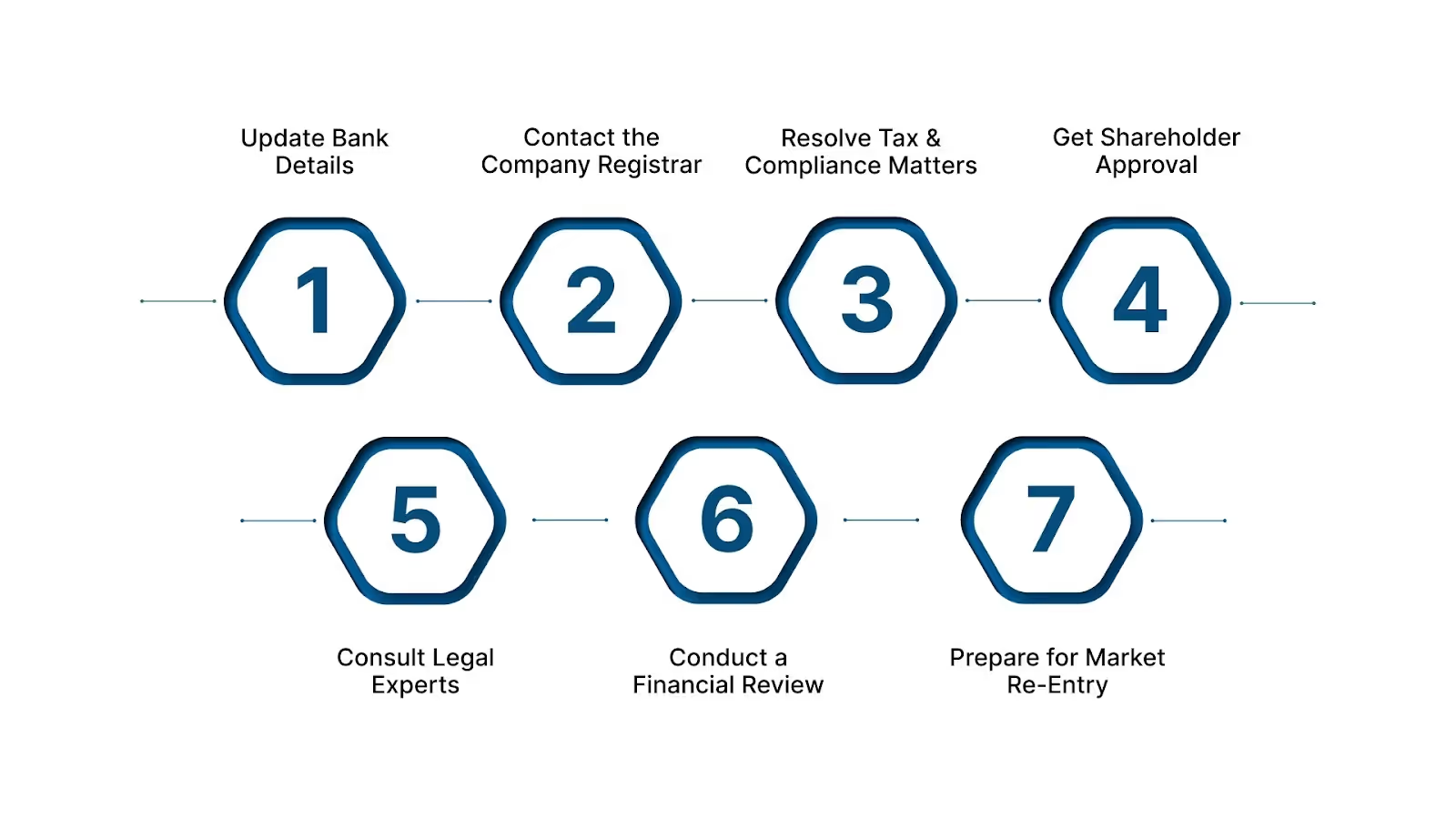
Reactivating a dormant company is essential when you're ready to resume operations. If you fail to reactivate before resuming trade, you could face serious compliance issues, penalties, or even harm your company's reputation. Here's how to get your dormant company back on track:
It's advisable to consult a lawyer familiar with corporate law in your jurisdiction to ensure you meet all legal requirements and complete the necessary paperwork.
Conduct a comprehensive audit to assess your company's current financial position and ensure all records are accurate. Review and update your business plan to align with your company’s new goals and market strategies.
After reactivating your company, it's crucial to stay on top of regular filings and compliance requirements to keep your business in good standing.
Following these steps helps to smoothly transition your dormant company back into operation, ensuring you remain compliant and ready for growth.
Also Read: How to Create an Exit Plan for Your Business: The Complete Guide
Handling a dormant company doesn’t have to be overwhelming. Let VJM Global help you tackle the complexities of dormant company compliance and reactivation.
Managing the responsibilities of a dormant company in India can be challenging for U.S. business owners, and VJM Global simplifies the process with expert services personalized for your needs:
At VJM Global, we help you manage your dormant company in India with ease and ensure compliance across jurisdictions.
Managing a dormant company in India may seem straightforward, but the legal, tax, and compliance responsibilities can be complex for U.S. business owners. Whether you’ve temporarily paused operations or are holding assets through a dormant entity, it’s crucial to stay on top of regulatory requirements to avoid legal complications.
By understanding the rules and maintaining compliance, you can ensure your company is in good standing and prepared for future business growth or reactivation when the time is right.
At VJM Global, we specialize in helping U.S. business owners manage dormant companies in India, ensuring full compliance with Indian regulations and U.S. tax laws. Get in touch to learn how we can support your dormant company in India and ensure smooth compliance across borders.
A dormant company, as defined under Section 455 of the Companies Act 2013, is one that is legally registered but not carrying out any significant business activities or trading. It may still hold assets or intellectual property for future use, but has minimal operational activity.
A dormant company can remain inactive for up to 5 consecutive financial years. After this period, it must either apply to return to active status or face removal from the Registrar of Companies’ records, which could lead to its dissolution.
If a dormant company isn't reactivated within 5 years, the Registrar of Companies can strike it off the register, resulting in its dissolution and loss of legal standing.
GST registration is required only for a dormant company if it holds taxable assets, such as leased property. Otherwise, GST registration can be surrendered during dormancy, provided the company isn't conducting any taxable transactions.
Yes, a dormant company can change its registered office address. It must file INC-22 with the Registrar of Companies, just like an active company would, to update its records and maintain compliance.

.avif)


