


As a U.S.-based architect looking to expand into India or establish operations in the country, one of the critical elements of setting up your firm is understanding how accounting works within the architectural field. With different tax laws, financial systems, and business regulations in India, understanding the nuances of accounting for U.S. architectural Firms is essential for long-term success.
If you’re dealing with complex project budgets or managing client billing, having the right accounting practices in place will ensure your business develops and remains compliant with local laws.
This guide provides an in-depth, yet simple, approach to accounting for architects specifically tailored for U.S. firms looking to set up or expand in India.
Architectural accounting is the specialized area of accounting that focuses on managing the financial aspects of architectural projects, including income tracking, tax planning, project-based budgeting, and client billing.
インドへの進出を目指す米国建築事務所にとって、建築会計は現地のビジネス環境を理解する上で極めて重要です。インドの規制環境は、GST(物品サービス税)、法人税、その他の現地要件が複雑に絡み合っており、正確で信頼性の高い財務管理が求められます。
This type of accounting ensures that an architecture firm can handle complex transactions, such as project-based accounting, client invoicing, and the management of overhead costs, all while ensuring compliance with Indian accounting standards.
インド市場へ進出する米国建築企業にとっての会計とは、インドと米国のビジネス規制の枠組みの中で、こうした独自の財務ニーズをいかに管理するかを理解することです。会計・記帳業務のアウトソーシング、会社設立、FEMAコンサルティングにおいて専門知識を持つVJM Globalが、貴社のインドにおける財務状況の把握をサポートし、コンプライアンスの維持と収益性の確保を実現します。
As you grasp architectural accounting, understanding the subtleties specific to architectural firms will help you manage finances more effectively in both the U.S. and Indian markets.

U.S. architectural firms often face challenges that become even more complex when expanding into a market like India. Let’s break down some of these subtleties and how they impact accounting for U.S. architect firms operating or planning to operate in India.
In architectural firms, accounting is driven by project-specific costs and revenue. For U.S. architecture firms in India, tracking these projects accurately ensures that they meet Indian tax regulations, like GST, and other local financial reporting standards.
For architectural firms, recognizing revenue as projects progress is a complex task. U.S. firms in India need to be aware of the Accounting Standards for Revenue Recognition under Indian GAAP (Generally Accepted Accounting Principles) and the GST regime to ensure accurate client billing.
Overhead costs like salaries, office rent, and utilities are common across firms, but in architectural firms, these costs often need to be divided by project. U.S. firms operating in India must account for these overheads while also adhering to the local taxation system to ensure no losses from mismanagement.
In architectural firms, assets such as CAD software, machinery, and tools are essential for project delivery. For U.S. companies expanding to India, it’s important to correctly categorize and depreciate these assets to comply with Indian tax laws on depreciation, ensuring tax efficiency.
インドの建築家は、GST(物品サービス税)およびサービス税の規制を遵守する必要があります。米国企業は、インドにおける建築サービスへのGSTの仕組み、特にプロジェクトの種類によって異なる税率を理解し、インドの税法を確実に遵守しなければなりません。
あわせて読みたい: 買掛金管理の効果的な戦略
会計の細部をより深く理解し、プロジェクト会計と標準会計の違いを明確にすることで、インドに進出する米国企業の財務管理は効率化されます。
プロジェクトベースの会計と標準会計の違いを理解することは、特に複雑なプロジェクトや予算を扱う建築事務所にとって不可欠です。米国企業がインドでこれらの会計手法をどのように適用すべきか、その内訳を以下に示します。
これらの違いを理解することは、インド市場に参入する米国建築事務所にとって極めて重要な、適切な記帳と会計の利点を浮き彫りにします。
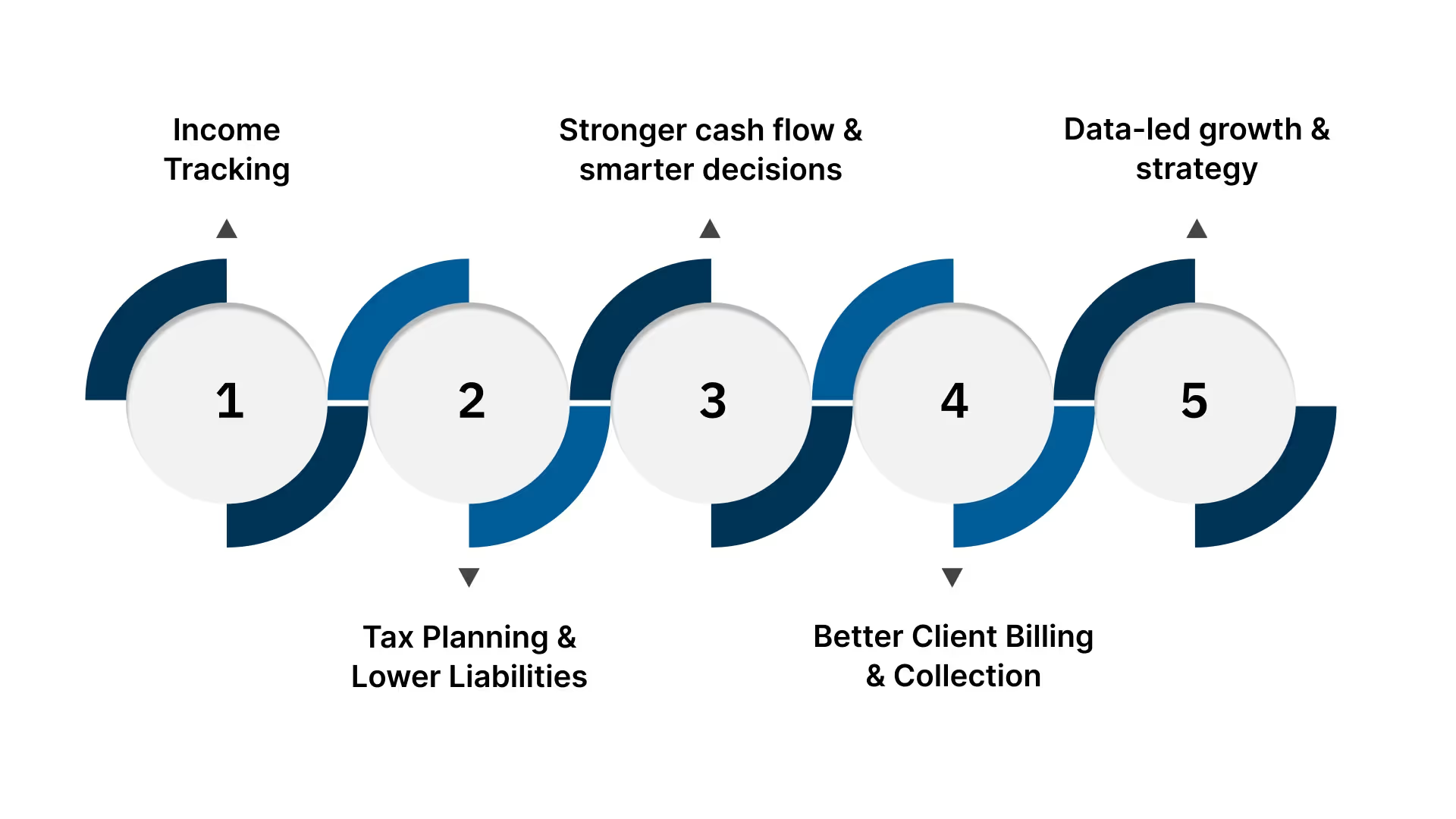
会計業務をインドにアウトソーシングすることは、米国を拠点とする建築事務所に戦略的な優位性をもたらします。コスト効率、専門知識、そして米国・インド間の税務枠組みへの準拠を両立できるからです。その利点は以下の通りです。
アウトソーシングにより、インドの複数の都市にまたがるプロジェクト収益を正確に追跡でき、請求の遅延を解消し、米国の本社とインドのクライアントや請負業者間の透明性を向上させます。
GSTおよび米国のIRS規制に精通したインドの会計専門家が、コンプライアンスに基づいた構成を通じて納税義務を軽減し、日米租税条約(DTAA)に基づく二重課税の回避を支援します。
アウトソーシング先の会計士がリアルタイムでキャッシュフローを監視し、財務予測を行うことで、米国企業はインドでの新たな設計や建設プロジェクトに向けてリソースを効果的に配分できるようになります。
インドの会計パートナーが請求からフォローアップ、支払照合までを一貫して処理するため、米国建築事務所は設計やクライアントへの納品に集中しながら、健全な売掛金を維持できます。
詳細なレポートとパフォーマンス分析を活用することで、米国企業はプロジェクトの収益性を評価し、価格戦略を洗練させ、インドの成長する建築市場において自信を持って事業拡大を計画できます。
あわせて読みたい: 税務申告におけるCPA(米国公認会計士)の費用はどのくらいか
効果的な記帳業務を導入し、建築家向けの会計の核心部分に注力することで、インドにおける業務効率を維持することができます。
建築設計事務所における記帳と会計には、財務の正確性、円滑なプロジェクト遂行、そして持続可能なビジネス成長を確実にするための重要な側面がいくつかあります。ここでは、インドに進出する米国企業にとって特に重要な、建築家向け会計の核心部分を紹介します。
サステナブル建築が浸透しつつあるインドにおいて、米国企業は環境負荷の追跡を会計システムに統合し、サステナビリティへの取り組みを反映させるとともに、適切なプロジェクト予算管理を行う必要があります。
インド市場に拡大する米国建築設計事務所は、業界トレンドを監視し、インドの競合他社との財務ベンチマークを行うことで競争力を維持し、価格設定やサービスが現地市場に適したものになるよう努める必要があります。
米国企業は、インドにおいてGST(物品サービス税)やその他の規制税を考慮しつつ、収益性を管理しながら競争力のある価格を維持するために、効果的なコスト見積もりとコストプラス価格設定戦略を採用しなければなりません。
効率的な予算管理は、特に新規市場に参入する建築設計事務所にとって不可欠です。適切な予算管理を行うことで、インドにおけるプロジェクトコストが明確になり、より精度の高い価格提案やクライアントの期待値管理が可能になります。
設計図、モデル、特許などの建築における知的財産を保護することは不可欠です。インドに進出する米国企業は、これらの資産を適切に会計処理し、インドの法制度の下で知的財産権が法的に保護されるようにする必要があります。
あわせて読みたい:米国における会計アウトソーシングサービス
建築設計事務所がインドへ進出する際、円滑な運営には効果的な記帳と財務監査が不可欠です。VJM Globalの会計アウトソーシングおよび監査サービスを活用することで、米国企業はインドの複雑な税法を乗り越え、財務記録の透明性を確保し、現地および国際基準に準拠した運営を実現できます。
次に、インドにおける米国建築設計事務所の会計・記帳に関する具体的なニーズについて解説します。
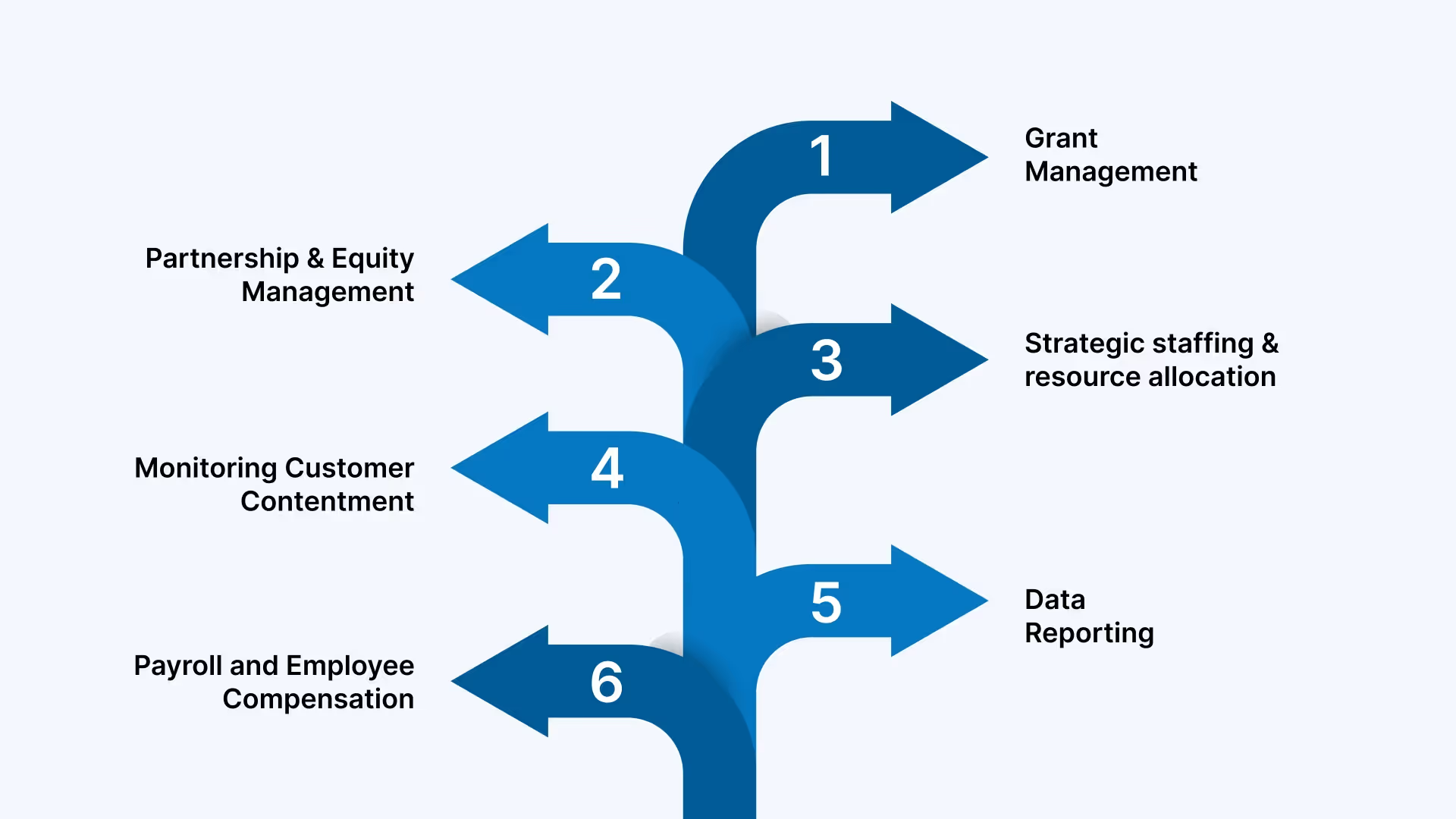
建築家にとっての記帳と会計は、単に帳簿を整理するだけのものではなく、コンプライアンスを遵守し、収益性の高い事務所を運営するための重要な役割を担っています。インドに進出する米国企業にとって、特に以下のニーズが重要となります。
インドで政府資金によるプロジェクトに取り組む米国人建築家にとって、助成金の管理には支出の明確な追跡と、インド政府の財務要件への準拠が求められます。
インドに進出する米国企業は、現地の建築家や企業と提携することがよくあります。会計実務においては、特にFEMA(外国為替管理法)やジョイントベンチャーの要件を満たすため、持分やパートナーシップを正確に追跡する必要があります。
効率的な記帳を行うことで、米国企業はリソースを適切に配分し、スタッフを効率的に管理できるようになります。これにより、インドでの事業拡大中も予算内に収めることが可能となります。
正確な請求と財務の透明性は、キャッシュフローを改善するだけでなく、クライアントの信頼と満足度を高め、米国企業にとってインドでのリピート案件や紹介につながります。
米国企業が業績を監視し、情報に基づいた意思決定を行い、クライアントやパートナーに報告を行うためには、タイムリーで正確な財務データが不可欠です。これにより、米国とインド双方の規制遵守が保証されます。
特にインド国内の異なる地域にまたがって従業員を抱える場合、給与計算を効率的に管理することが極めて重要です。米国企業は、インドの労働法および給与税規制を確実に遵守しなければなりません。
あわせて読みたい:税務債務を確実に解決する:米国企業のための救済オプション
これらのニーズに対応した上で、インドの建築家が直面する特有の課題を理解することは、会計プロセスをさらに効率化する助けとなるでしょう。
インドへの進出は、同国特有の規制、文化的背景、運営環境により、米国建築設計事務所にとって独自の課題をもたらす可能性があります。ここでは、一般的な課題とそれを克服するための潜在的な解決策をいくつか紹介します。
インドのGST(物品サービス税)、法人税、労働法への対応は、現地の規制に不慣れな米国企業にとって大きな負担となる場合があります。
解決策:現地の法律および税務アドバイザーと連携し、インドの規制要件を確実に遵守してペナルティを回避しましょう。
現地の建築様式やクライアントの期待を理解することは、インド市場に不慣れな米国企業にとって極めて重要です。
解決策:市場調査を実施し、現地の建築家と協力することで、文化的な好みを把握し、それに応じた設計を行うようにしましょう。
インドにおける通貨の変動や経済的不安定さは、価格設定、コスト、そしてプロジェクト全体の予算に影響を及ぼす可能性があります。
解決策:ヘッジ戦略を導入し、経済状況を継続的に監視することで、価格設定やプロジェクト予算を適宜調整します。
時差のあるチームの管理やコミュニケーション上の課題を克服することは、プロジェクトの遅延や意思決定への影響につながる恐れがあります。
解決策:プロジェクト管理ツールを活用し、明確なコミュニケーションプロトコルを定めることで、異なるタイムゾーンにいるチーム間の円滑な連携を確保します。
プロジェクトが遅延に直面した際、リソースのタイムリーな割り当てを確保し、下請業者を管理することは大きな課題となり得ます。
解決策:強固なプロジェクトスケジュールを策定し、リソースを効率的に配分するとともに、現地のベンダーと緊密に連携して遅延を未然に防ぎます。
あわせて読みたい: 米国企業がインドにシェアードサービスセンターを設立する方法
これらの課題を克服し、効率的な会計慣行を適用することが、米国の建築設計事務所がインドの競争の激しい市場で成功するための鍵となります。
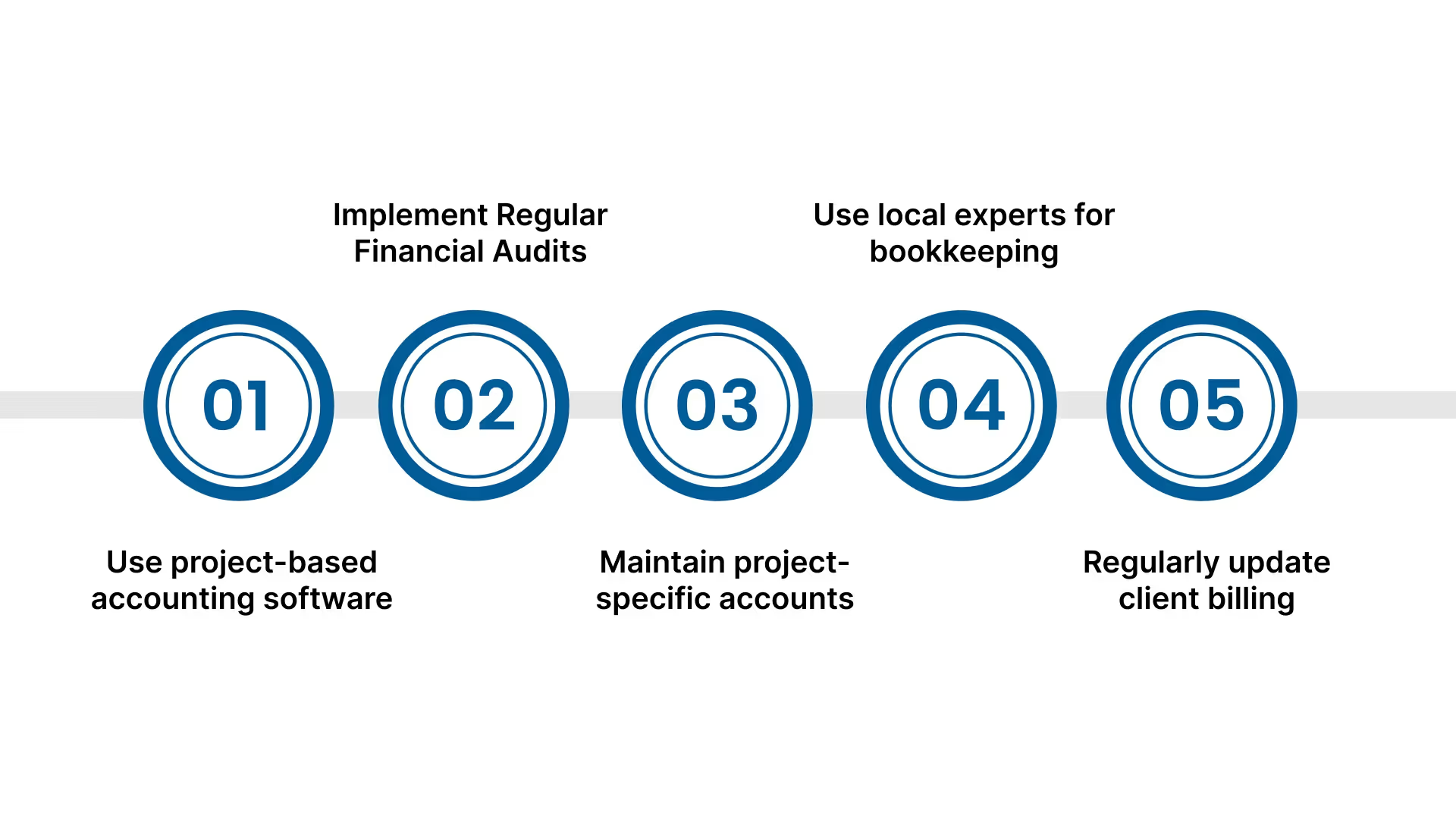
インドへ進出する米国企業にとって、効率的な会計慣行の採用は、プロジェクトの成功とビジネス全体の持続可能性のために不可欠です。以下にベストプラクティスを挙げます。
米国企業は、建築設計事務所向けにカスタマイズされた会計ソフトウェアを導入し、プロジェクトの予算、スケジュール、コストを追跡することで、インドの税規制への準拠を確実にすべきです。
定期的な財務監査は、米国およびインド双方の財務規制への透明性と準拠を保証し、非効率な点を早期に特定するのに役立ちます。
プロジェクトごとに財務記録を分けて管理することで、企業はコストの追跡、キャッシュフローの管理、そして各プロジェクトの収益性をより正確に把握できるようになります。
U.S. firms should consider outsourcing bookkeeping to Indian accountants who are familiar with local tax codes, ensuring accuracy and compliance with Indian laws.
Keeping client billing systems up-to-date with Indian market practices helps ensure timely payments and maintains strong client relationships.
Also Read: How to Start a Clothing Brand in India from the US: A Step-by-Step Guide
With efficient accounting in place, let's see how VJM Global can help your US architecture firm manage payroll compliance as you expand into India.
Expanding your U.S.-based architectural firm into India requires more than just setting up a presence; it demands strong financial strategies and robust accounting practices to deal with the complexities of the Indian market. VJM Global offers tailored services that address every aspect of setting up and growing your business, from accounting for architects to complying with local regulations. Here’s how we can help you establish a successful business in India:
At VJM Global, we are committed to helping U.S.-based architectural firms succeed in India by providing expert financial services and ensuring compliance with local regulations.
Effective accounting for architects is a fundamental component of running a successful U.S. architecture firm planning to expand into India. Understanding the nuances of project accounting, tax planning, and client billing ensures that your architectural firm can develop in a new market.
With the right accounting practices in place, U.S.-based architecture firms can deal with India’s complex financial conditions, improve cash flow, and make better strategic decisions. Accounting for architects helps in staying compliant, but also provides the financial clarity needed to drive business growth and succeed in India’s competitive architectural market.
Expanding to India involves strategic decisions about business structure and tax planning. With expertise in international taxation, transfer pricing, and financial restructuring, VJM Global ensures that your U.S. architectural firm is positioned for long-term success in India while maintaining tax efficiency and regulatory compliance.
Contact VJM Global and let us guide you through the complexities of expanding your US entity and managing your accounting needs in India.
GST applies to architectural services in India, impacting project invoicing and tax filings. U.S. firms must register and comply with local GST regulations.
U.S. firms can utilize India’s Double Taxation Avoidance Agreement (DTAA), reducing tax burdens by avoiding double taxation between the U.S. and India.
U.S. firms should track project-specific revenues and expenses separately to comply with Indian tax laws and GST regulations, ensuring accurate financial reporting and audits.
U.S. firms must register with the Registrar of Companies (RoC), obtain FEMA clearance, and comply with India’s tax laws for establishing a branch office.
U.S. architects can optimize entry by setting up efficient bookkeeping systems, understanding Indian GST laws, and using local tax consultants to manage compliance.

.avif)


